Mapping the Urban Heat Island Effect with Wicked Hot Boston
by Emily Hostetler, Sara Benson, and Roxanne Lee It’s not just in your head; Boston really is hotter in the…
Making Science Make Sense

by Emily Hostetler, Sara Benson, and Roxanne Lee It’s not just in your head; Boston really is hotter in the…
US withdrawal from the Paris Agreement weakens environmental leadership, damages alliances, and hinders global progress in mitigating climate change.
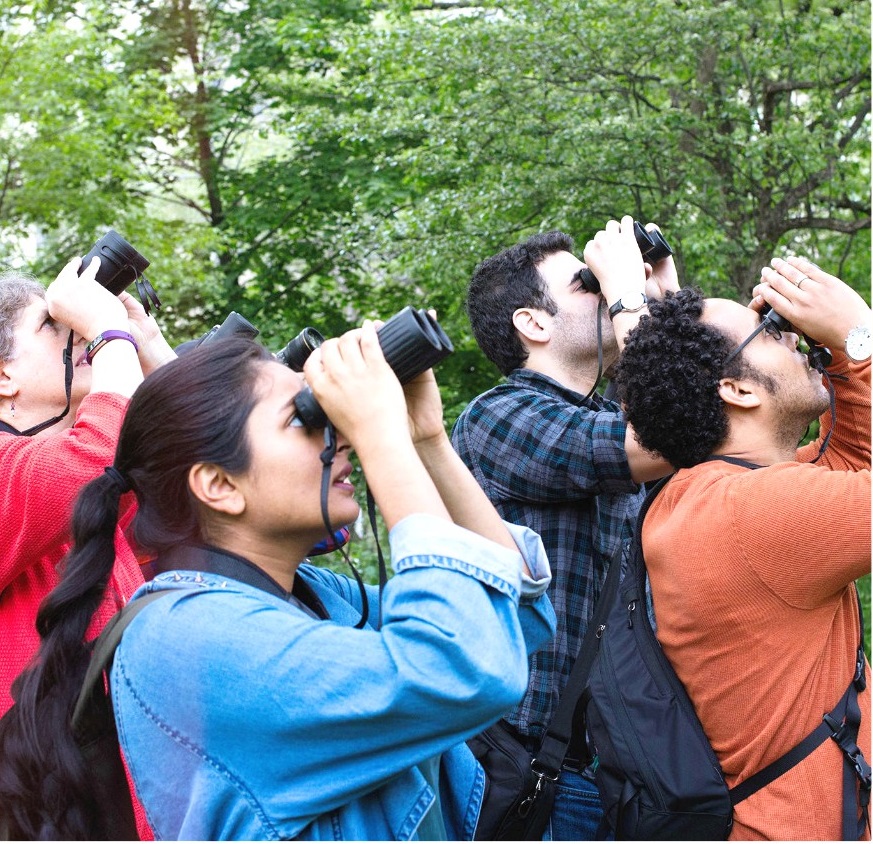
Audubon’s Climate Watch Program needs volunteers to help it spot 12 birds threatened by climate change. Are you in? “Hope…
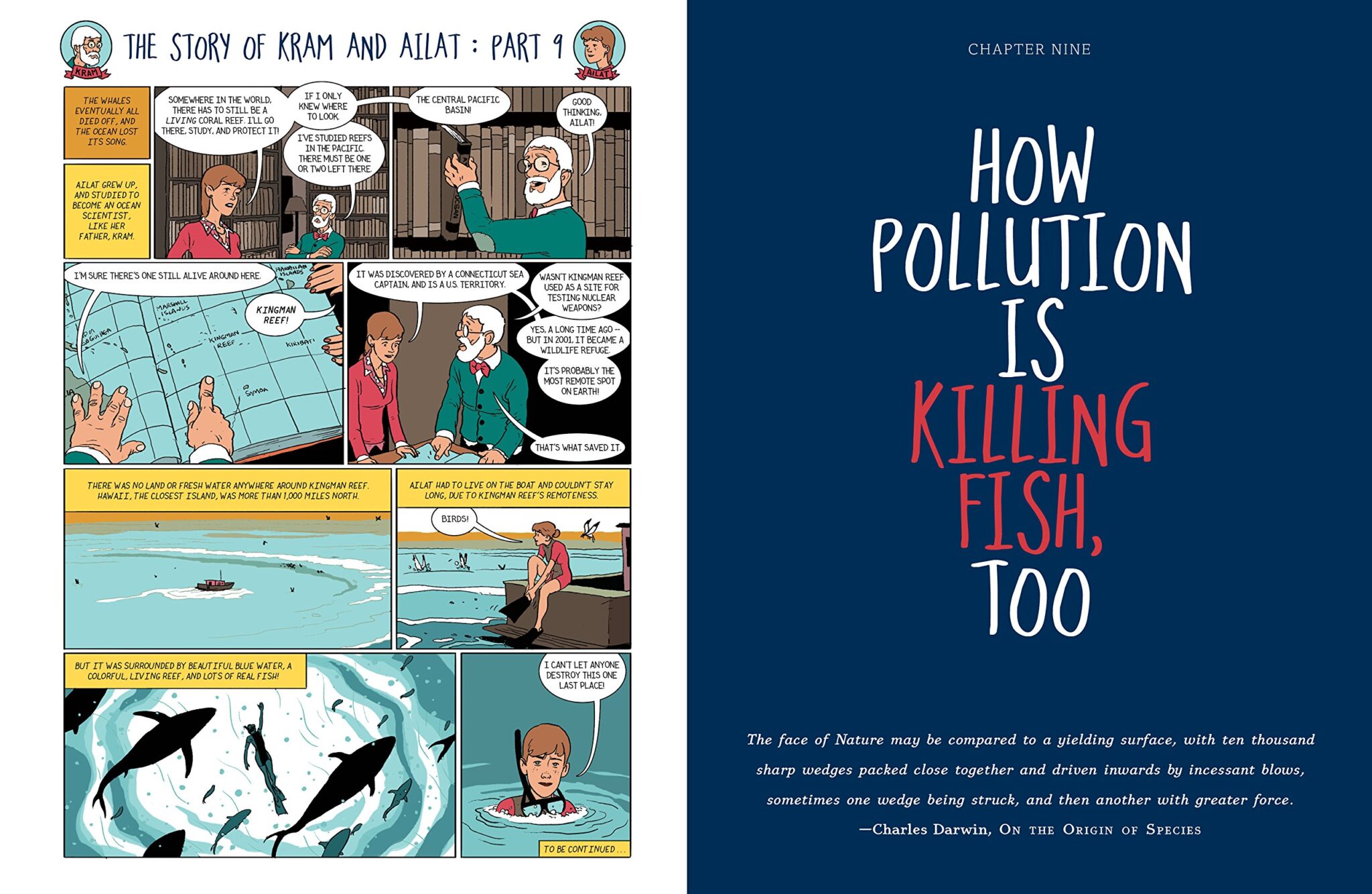
By Patricia Balbon Day-to-day encounters of fish—at the grocery store, visiting an aquarium—passively reinforce a notion of triviality about aquatic…
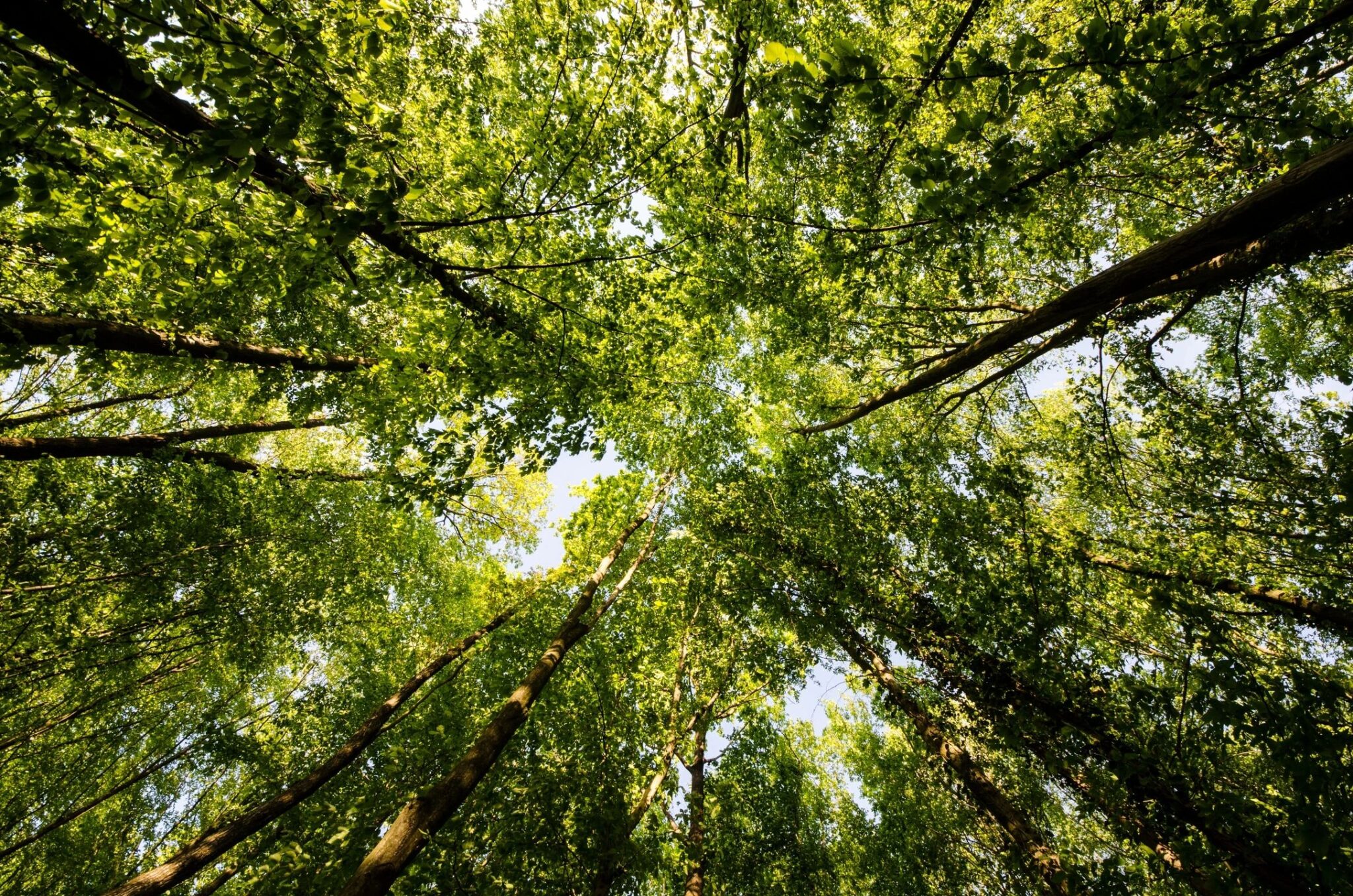
Forest restoration efforts are a far more effective strategy for sequestering atmospheric carbon than monoculture plantations.
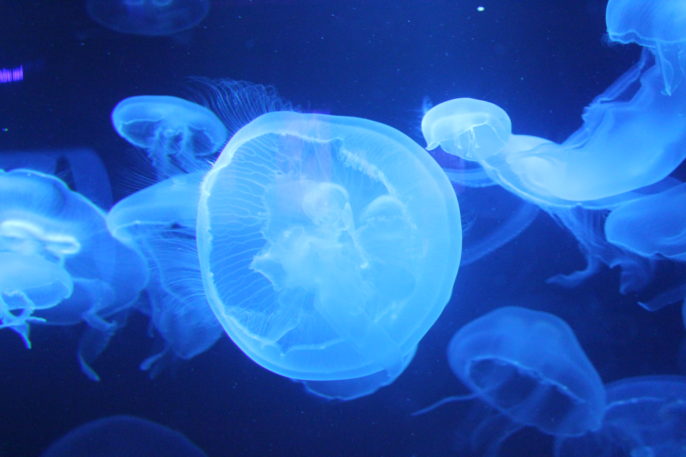
Some years bring massive jellyfish blooms. What causes these blooms of jellyfish and why are they increasing?
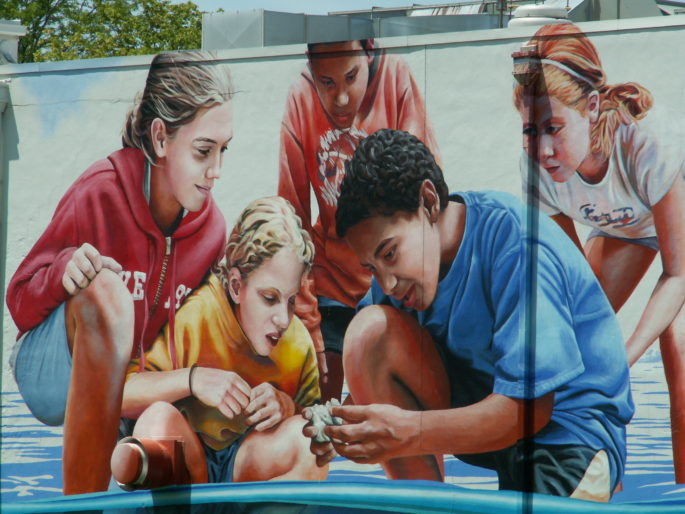
When people get to help scientists with research projects, public scientific literacy and environmental engagement increase.
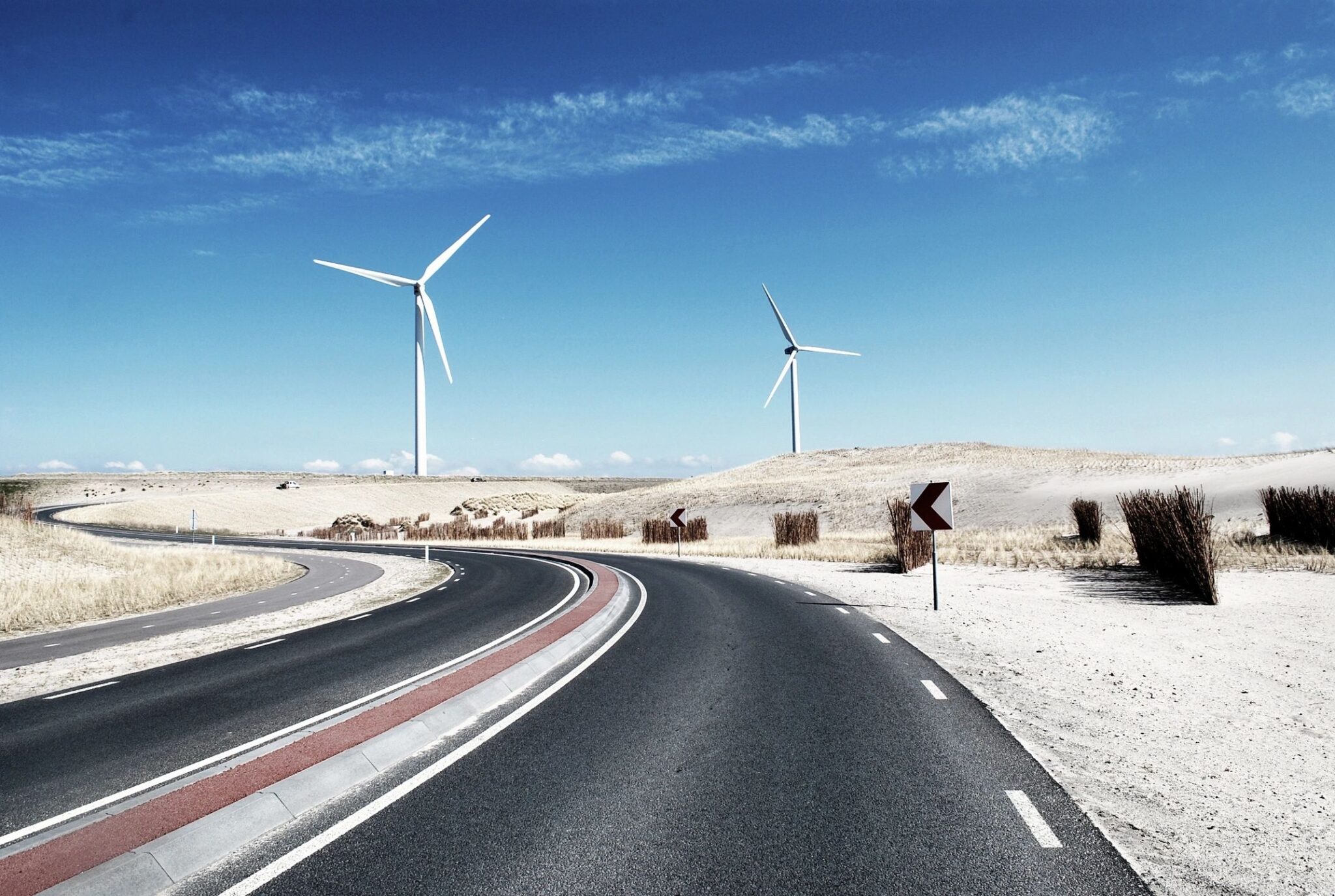
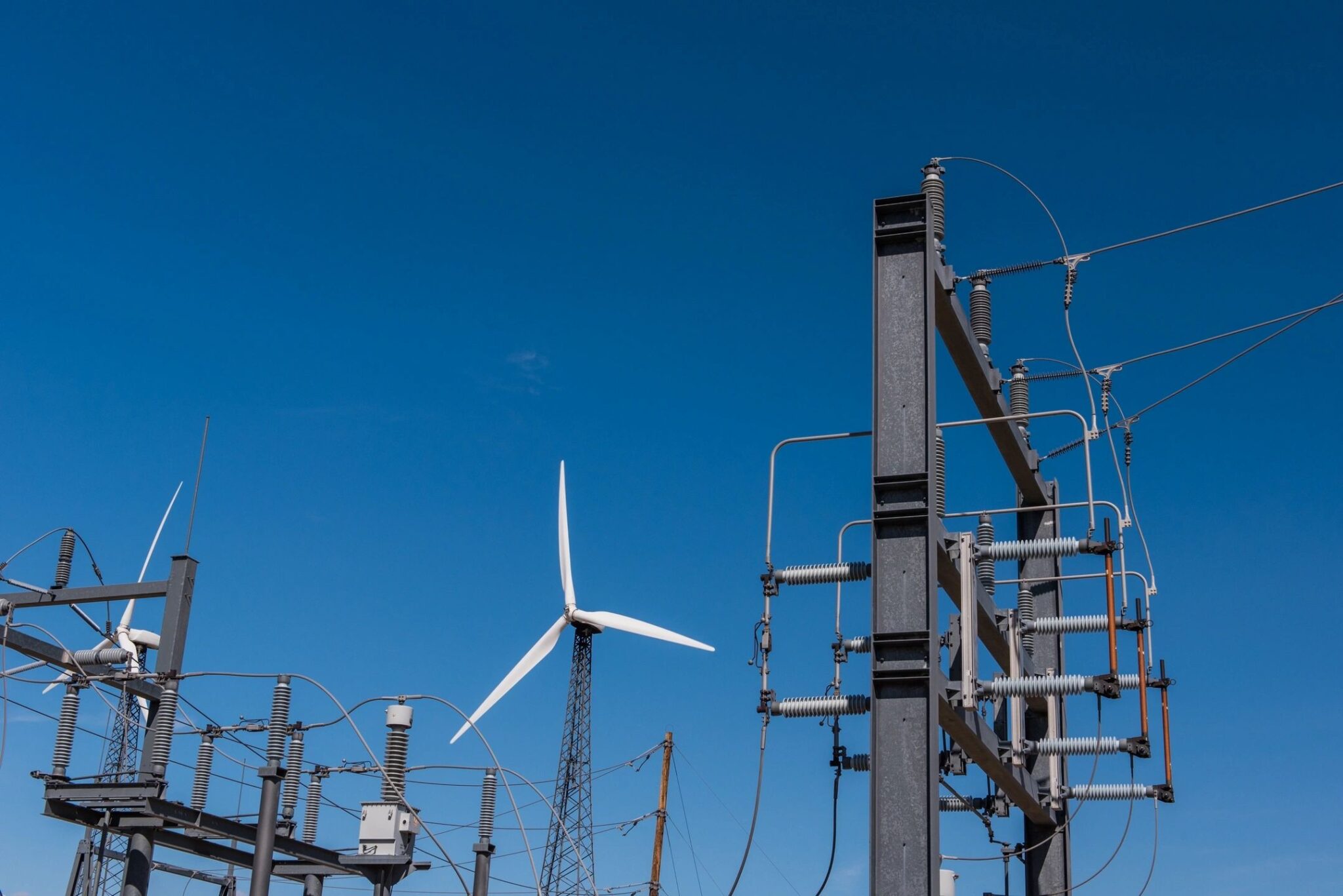
The world is increasing its use of renewable energy, but which energy source is best? The key lies in diversifying renewable energy.
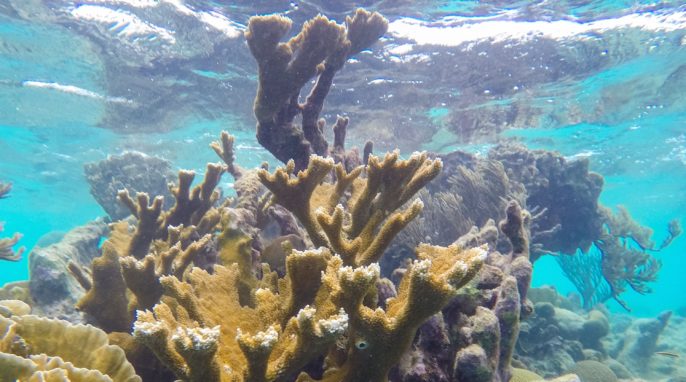
The planet is warming. This is a fact we should all be comfortable with by now. As a result, coral reefs are in decline globally.
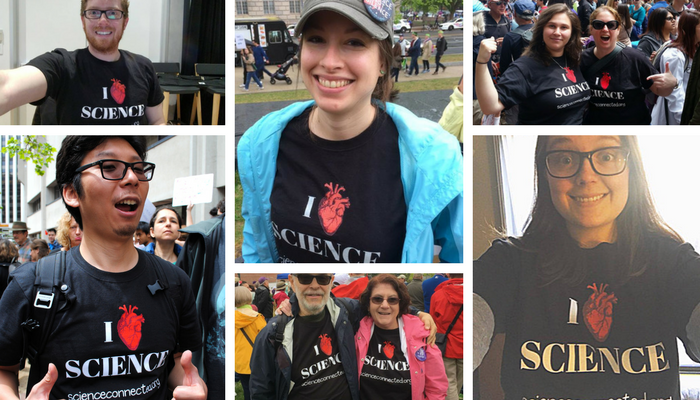
Science journalist Shayna Keyles joined the March for Science in San Francisco and interviews many other marchers. Find out what brought them all together.