Ancient Teosinte Genes Reduce Nitrogen Loss in Modern Maize
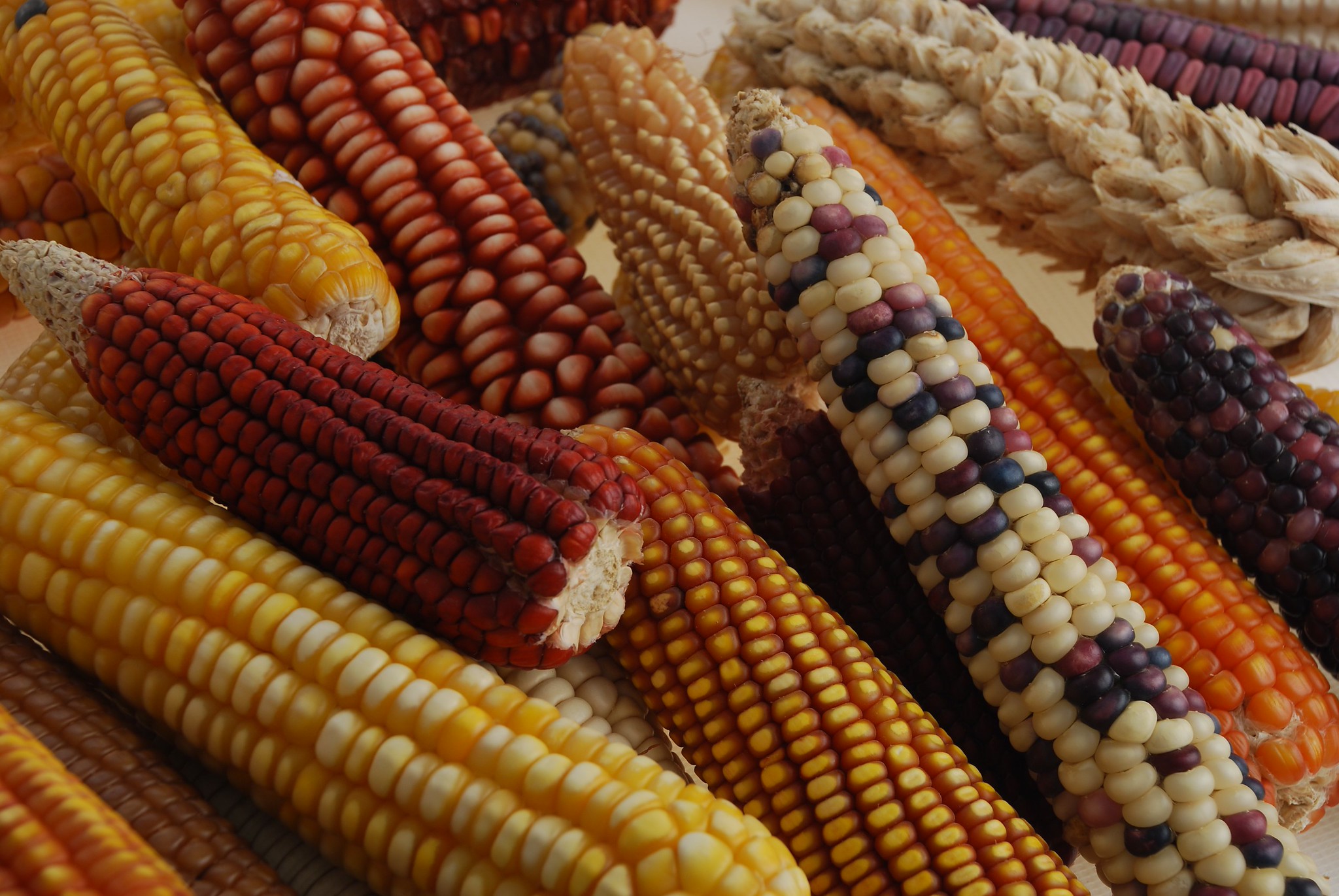
Reintroducing ancient maize genes into corn crops can benefit soil health and save costs while satisfying the need for higher yields.
Making Science Make Sense

Reintroducing ancient maize genes into corn crops can benefit soil health and save costs while satisfying the need for higher yields.
Scientists test protein upcycling by using maize leftovers to grow mushrooms, then using the more nutritious by-product to feed earthworms.
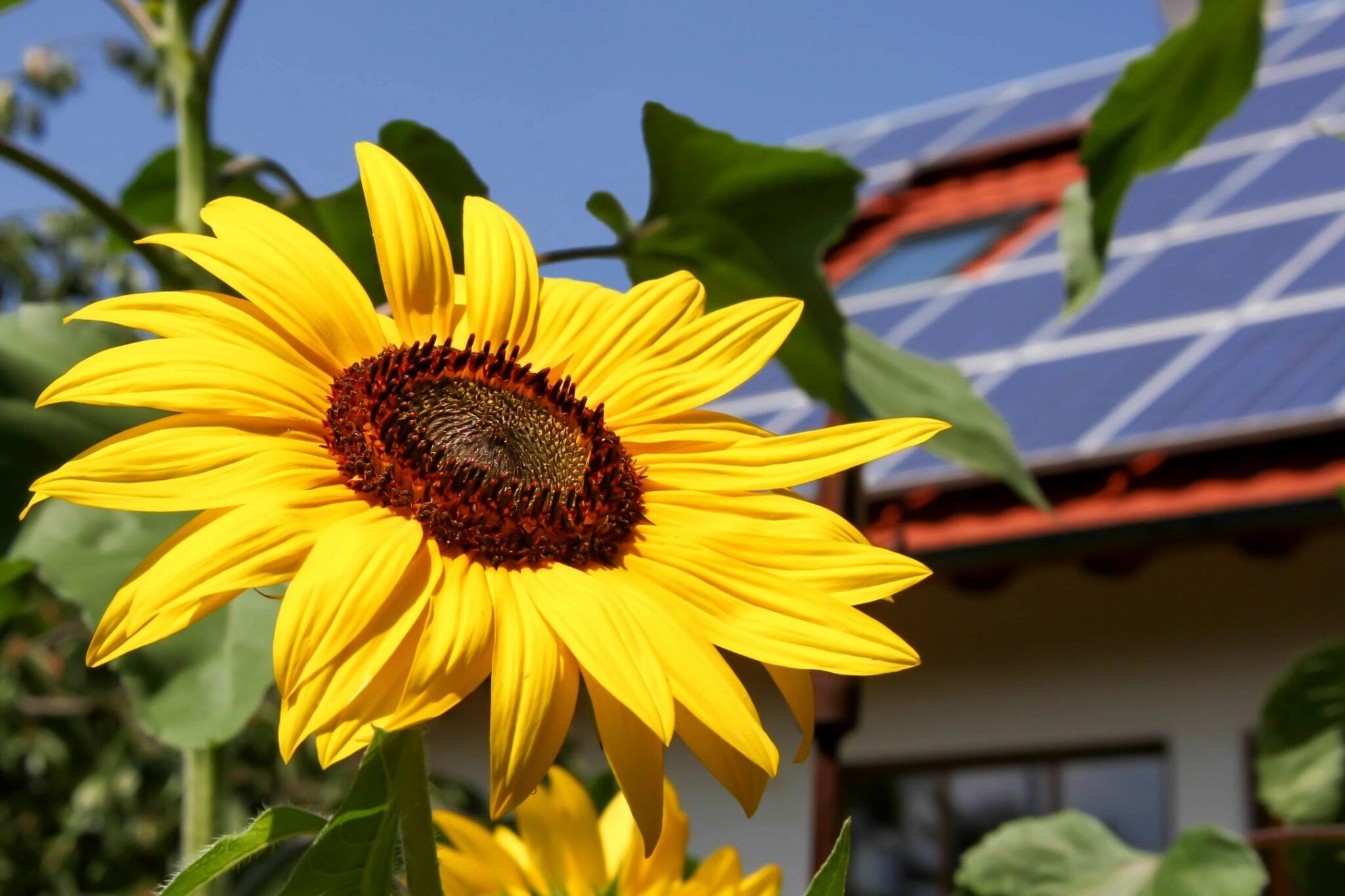
Scientists developed a nonhazardous strategy for recycling solar panels that enables nearly all components to be recovered and reused without efficiency loss.
Nitrogen-fixing bacteria help plants obtain a usable form of nitrogen. But what’s the science behind it, and how can it benefit crops?
Cell-derived coffee gets its start in a lab instead of a field, and soon its flavor profile will be comparable enough to meet the rising coffee demand.
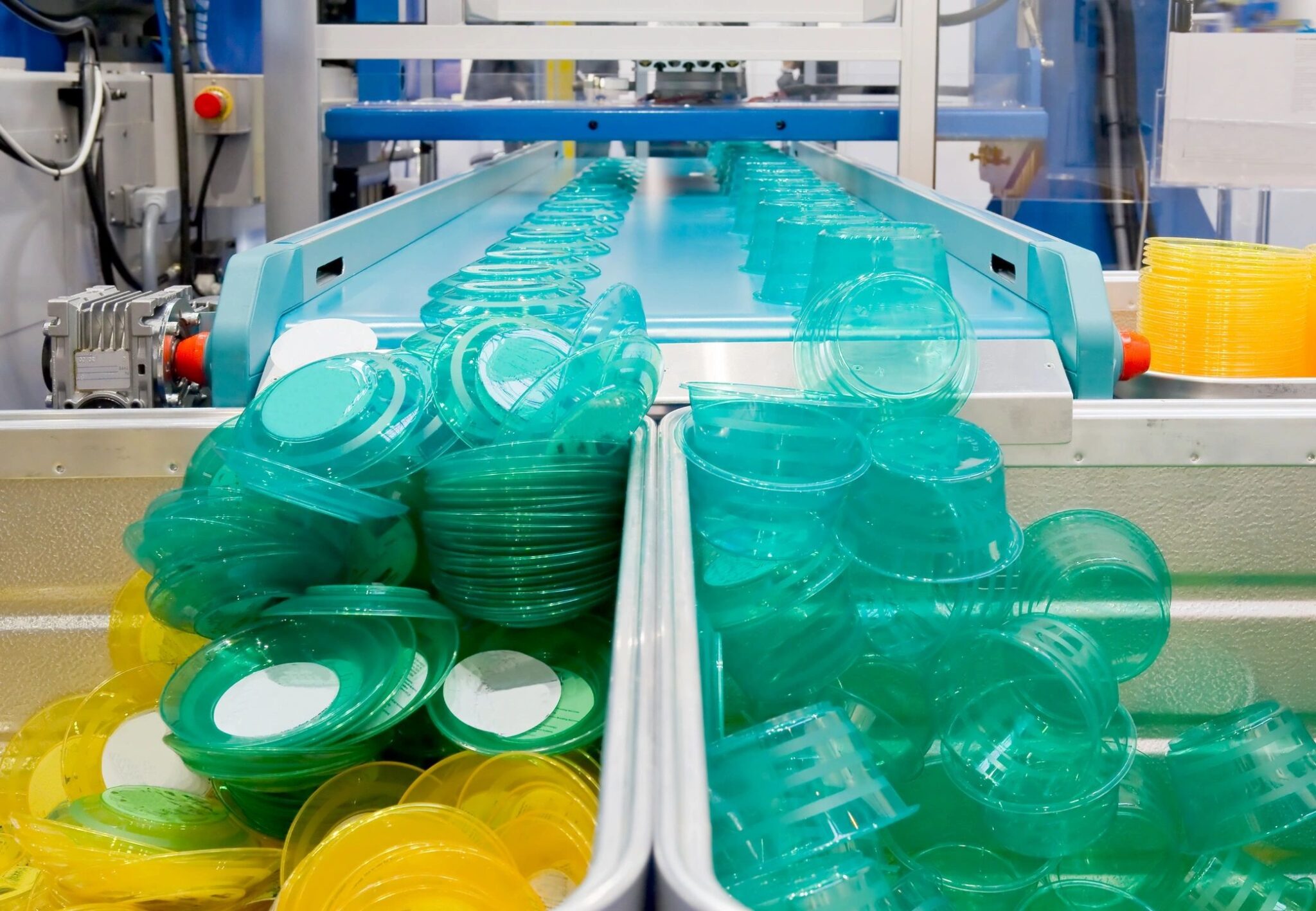
Certain plastics are easier to recycle based on their internal structure. Scientists can change that structure to increase what we recycle.
Thermoelectric generators get a boost—now they can supply enough renewable energy to power small devices both day and night.
“If we could invent one risk that bypasses all of our psychological alarm systems, global climate change would be it,”…