Digital Twins: How Technology Is Paving Future Roads
Digital twins have potential for growth in engineering. Get to know one of the most futuristic technologies of the 21st century.
Making Science Make Sense

Digital twins have potential for growth in engineering. Get to know one of the most futuristic technologies of the 21st century.
RoboBee engineers continue to innovate and have now developed technology for better legs for the microrobot to land.
Plastic degrades in the sun in lab experiments but not in real life, so what makes fresh water and salt water different?
Renewable energy sources include wind, solar, geothermal, and hydroelectric power. In the battle for renewable energy, which will come out on top? Which do you want?
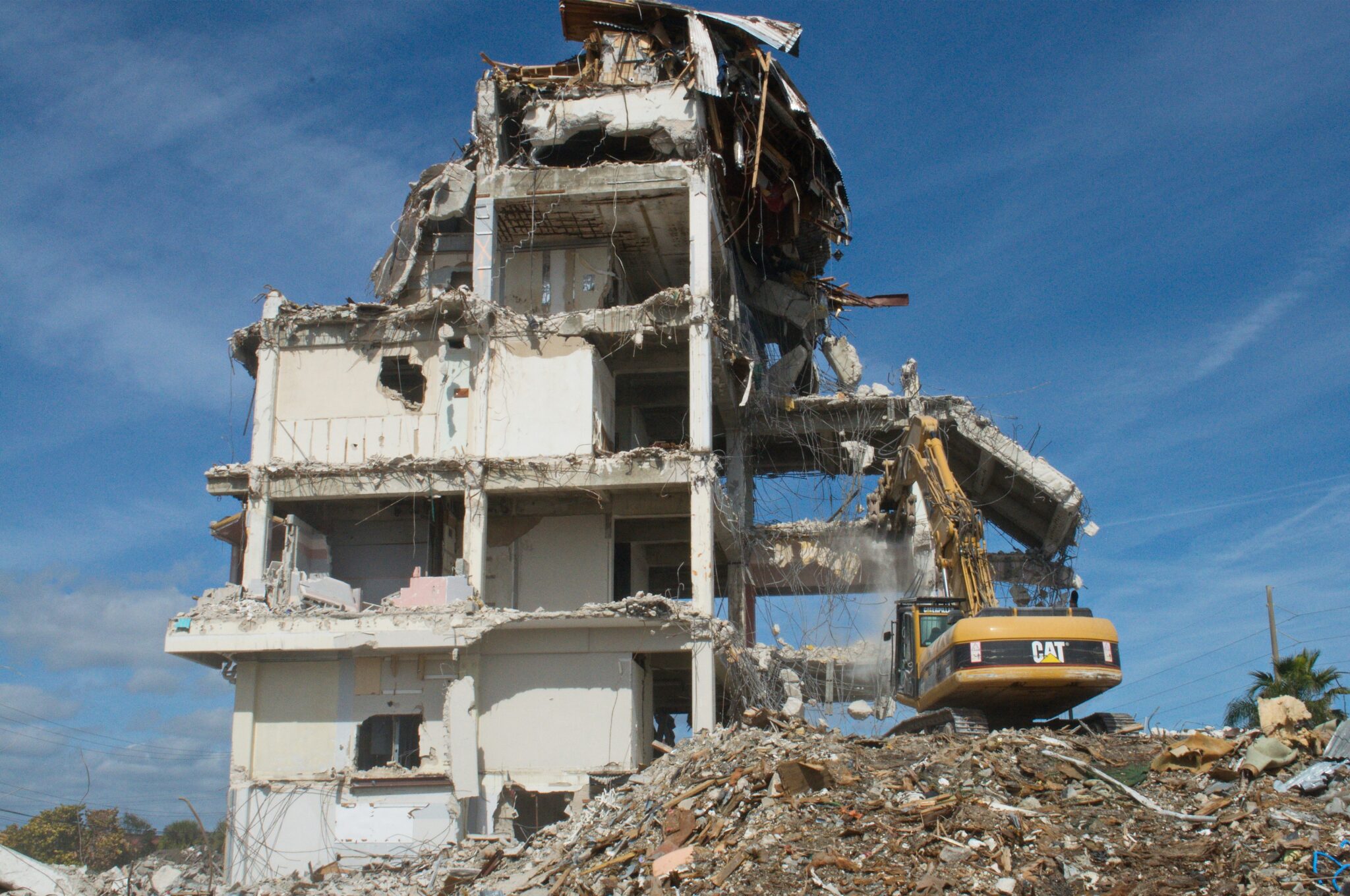
If we tear down concrete buildings, can the material be reused? Read on to find out why recycling concrete is not so easy.
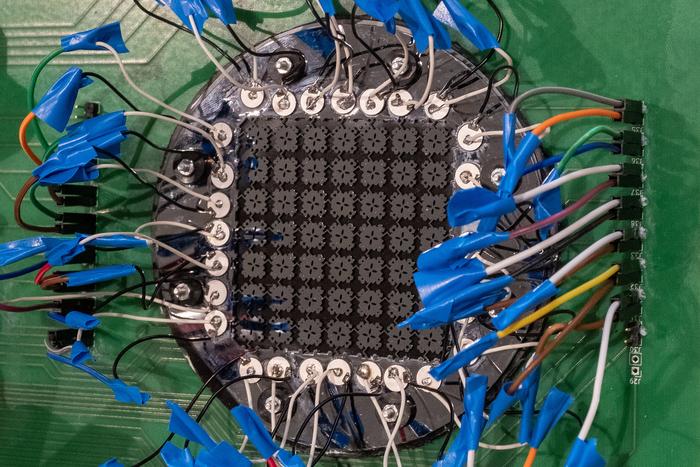
Engineers create a metamaterial that senses spoken words without the need for a battery. So far it can classify which of two words in a pair was spoken.
Climate change is not just in the air—underground climate change expands or contracts the earth, affecting the buildings above.
Bioprinting skin models that react on par with actual skin could lead to new possibilities for how labs test cosmetics and drugs.
Technology may be able to sense health information like blood sugar levels anytime a user breaks a sweat, thanks to innovative engineering.
Have you ever wondered why, when you separate an Oreo, the filling usually sticks to one side? The reason might be the future of 3D printing.