Learn about the Aurora
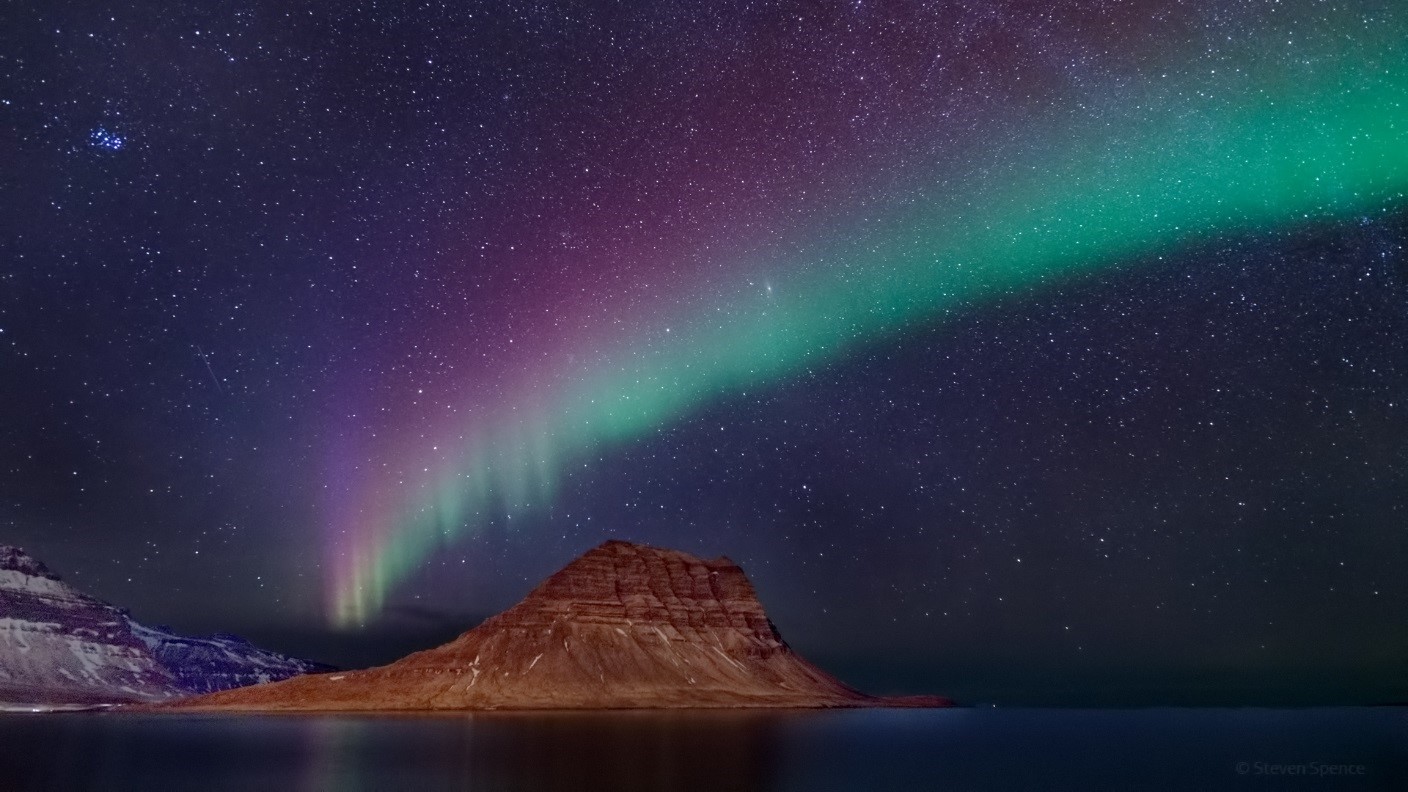
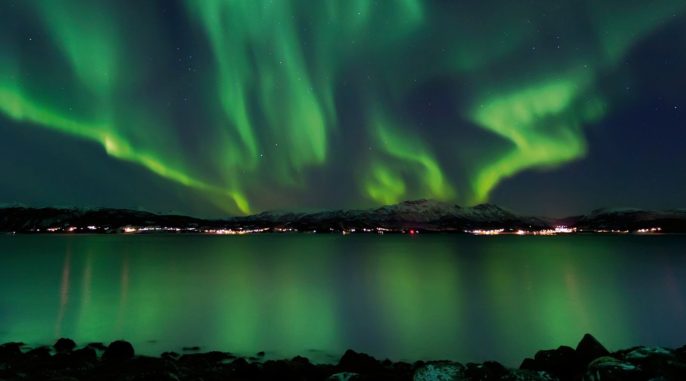
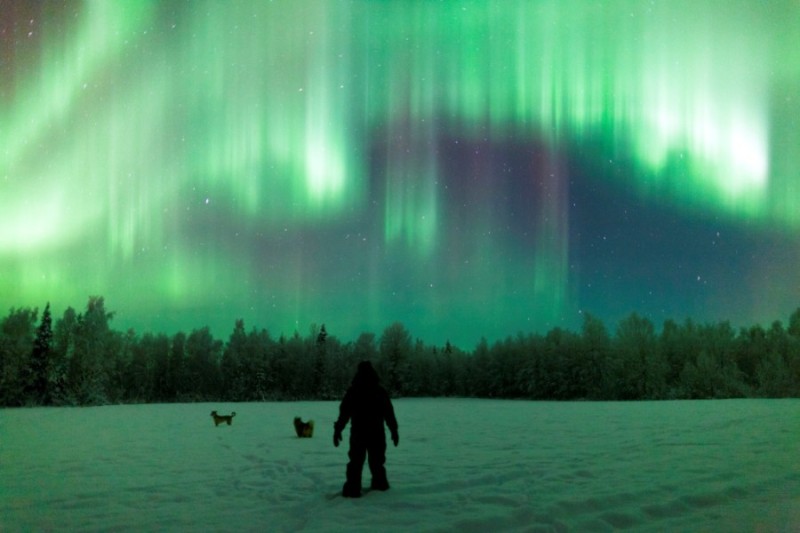
As we approach spring, there’s still time to savor the amazing Aurora Borealis, or Northern Lights. Find out what causes them and where to see them.
Making Science Make Sense

As we approach spring, there’s still time to savor the amazing Aurora Borealis, or Northern Lights. Find out what causes them and where to see them.
Aurora chasers find a flow state when they participate in science. Learn more about the psychology of flow state and where to find it.
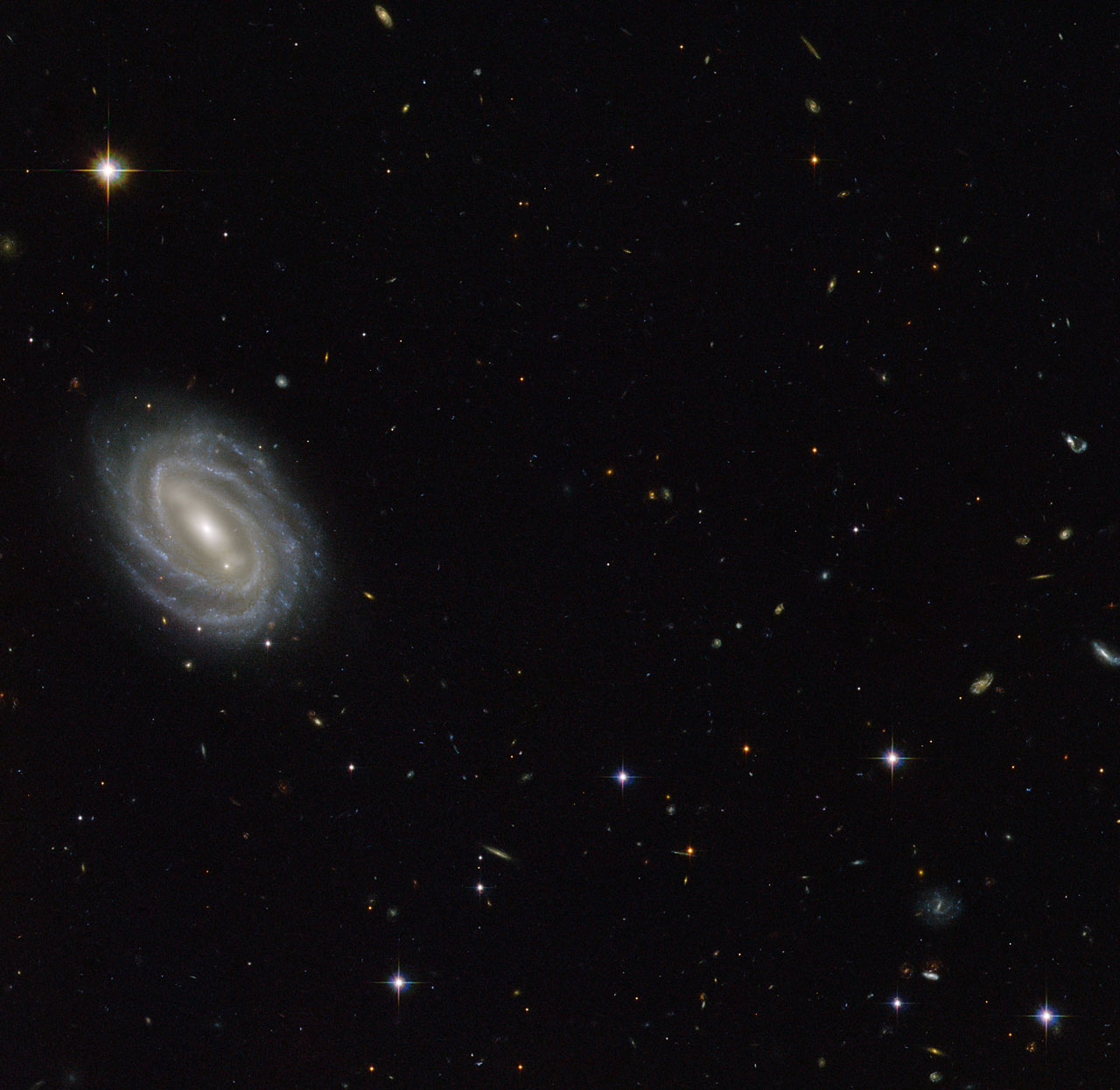
Dark energy was proposed to explain why we have accelerated expansion of the universe, but new research suggests an alternate explanation.
From surveying the Moon to listening in on Jupiter’s radio waves, these celestial citizen science projects will take you out of this world.
The Secret Lives of the Elements by Dr. Kathryn Harkup was released in the UK in October 2021. It’s reviewed for you by Steven Spence.
Learn about the winter solstice! Find out what it is and why it has been celebrated by human civilizations since time immemorial.
Find out how photographer Steven Spence chased the aurora borealis, or Northern Lights in Iceland and got some fantastic photos.
Why do we see aurora at night? Considering only the solar wind is not enough to understand auroras. We need to explore also other factors.
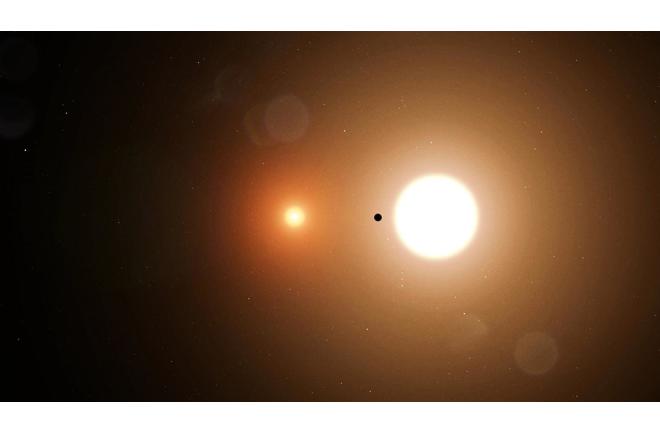
The space agency is asking citizen scientists to help hunt exoplanets in the vast trove of images gathered by TESS, the Transiting Exoplanet Survey Satellite.
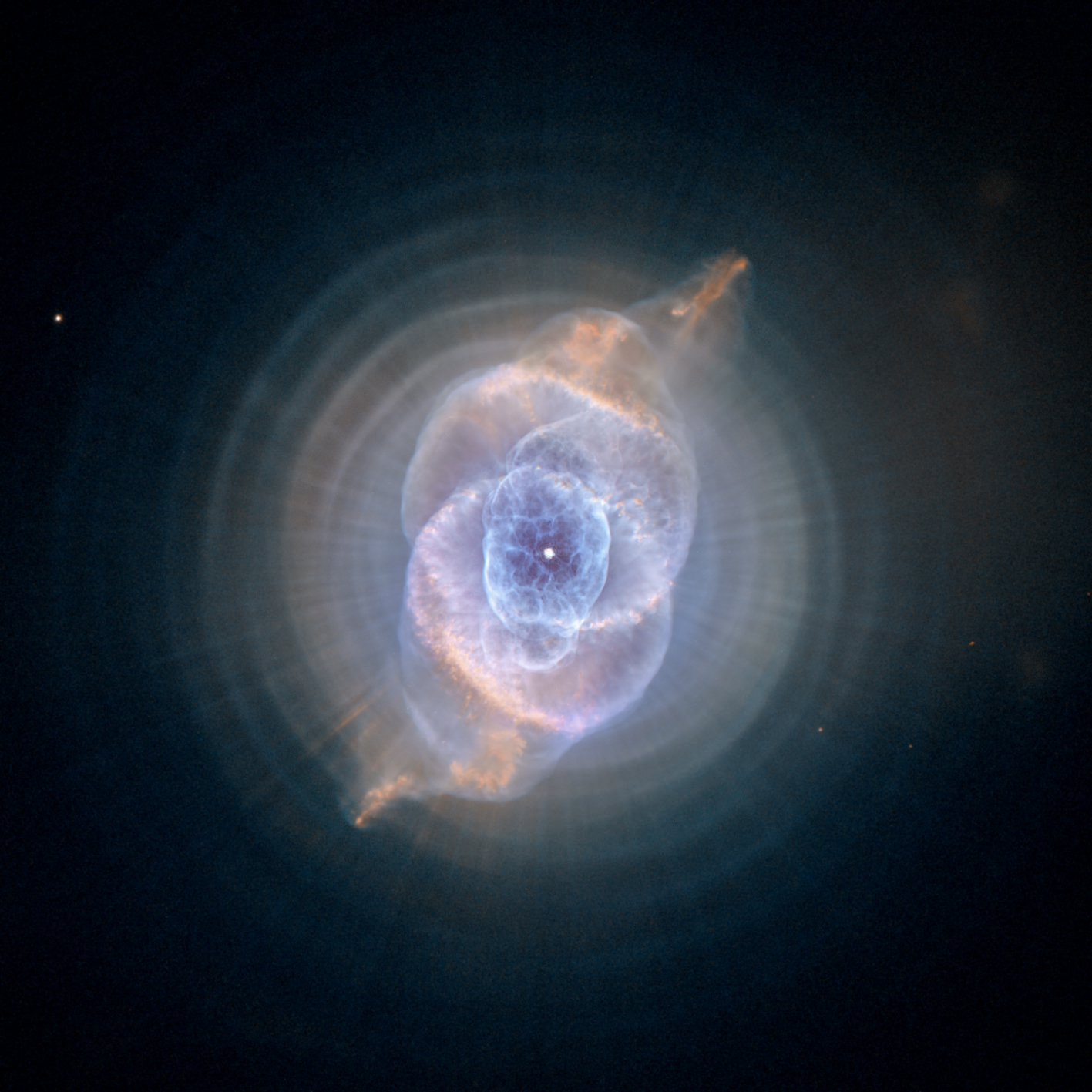
Part Three of Baking an Apple Pie from Scratch (figuratively) explains how stars create heavy elements with more Protons than Iron.