Gene-Editing Therapies: The Cure for Genetic Diseases?
How is science responding to genetic diseases? A novel technique in gene-editing therapies treats them with precision and efficiency.
Making Science Make Sense

How is science responding to genetic diseases? A novel technique in gene-editing therapies treats them with precision and efficiency.
A gene mutation in the brain 200,000 years ago may be responsible for human language, as seen in a controlled experiment on the NOVA1 gene.
Environmental conditions influenced the time and space of the first human migrations according to archaeological, genetic, and climatic data.
Increased fructose intake from processed foods triggers a genetic trait to store fat. This used to help us survive but now it leads to weight gain.
What parents eat impact their children. The diets of parents affect how their children’s genes work in a process called epigenetics.
A geneticist is a type of biologist who studies genes. Let’s hear from Michelle T. Juarez, who helps teach the next generation of scientists!
The red fox is the world’s most widely distributed land carnivore. Some surprising findings about the origins, journey and evolution of the red fox have come to light.
Dog people love their dogs, but did you know that in the Arctic, working canines were traded as valuable commodities at least 2,000 years ago?
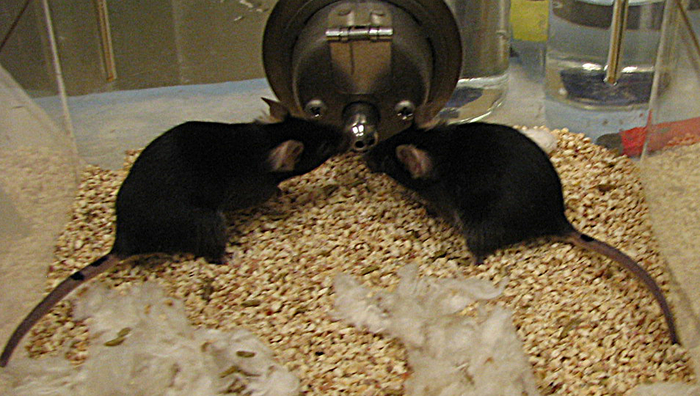
Is there a genetic component to friendship? Mice prefer friends who are genetically similar to them, regardless of other factors.
Brain cholesterol levels may be the key to understanding and treating Alzheimer’s disease, according to a new study.