Hydrogel Packaging Can Tell Us If Food Isn’t Fresh
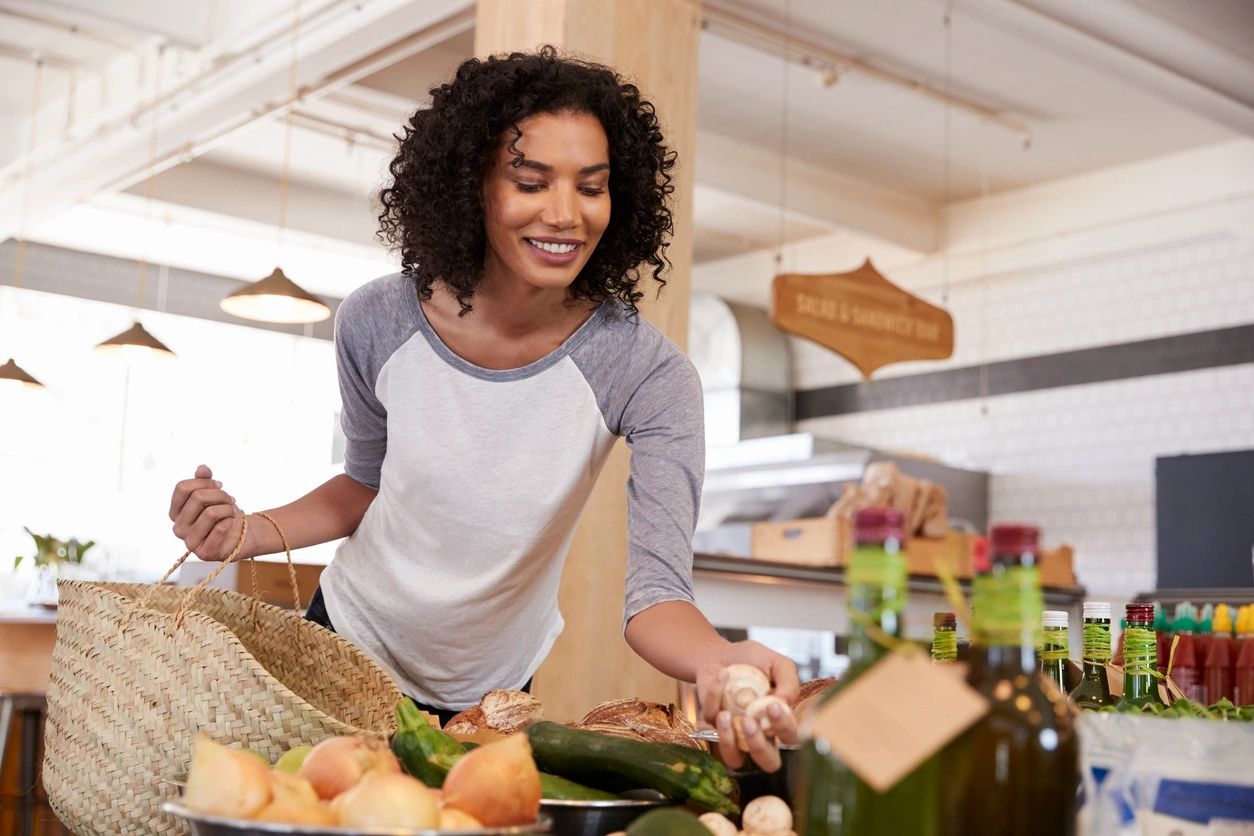
New hydrogel packaging developed that keeps food fresh longer and changes color when food bacteria has reached a spoiled level.
Making Science Make Sense

New hydrogel packaging developed that keeps food fresh longer and changes color when food bacteria has reached a spoiled level.
A research model explains how foods produced with less impact on animal habitats can preserve biodiversity and prevent species extinction.
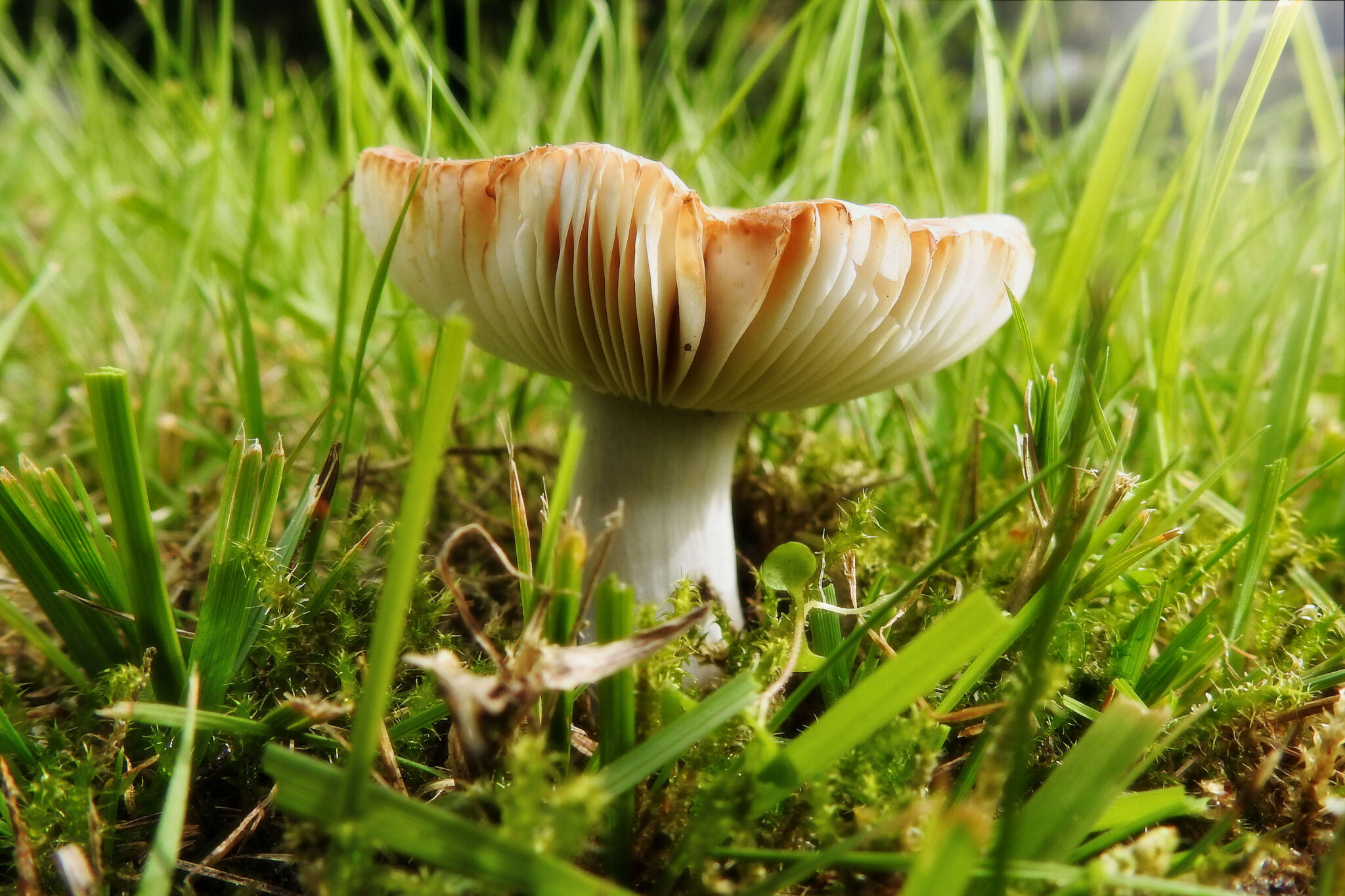
Scientists test protein upcycling by using maize leftovers to grow mushrooms, then using the more nutritious by-product to feed earthworms.
Bioengineers produce a plant-based protein with a fraction of the environmental impact of meat by altering mushroom proteins.
Eating kiwifruit could improve mental health for people with low vitamin C, with real fruit showing more benefits than a vitamin supplement.
Although some people swear by the Paleo diet, research suggests that eating a low-carbohydrate, high-fat diet can lead to rapid weight gain.
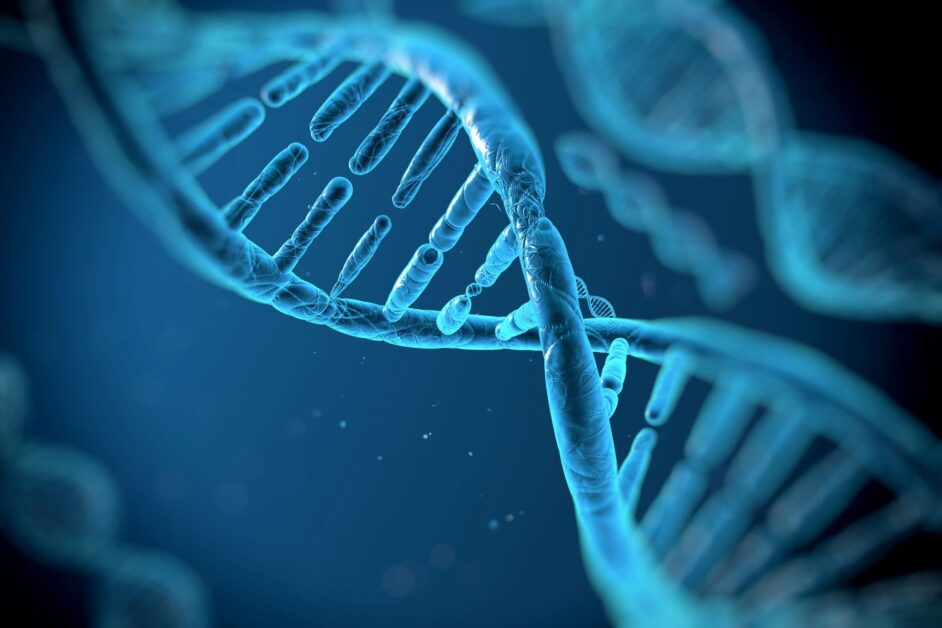
What parents eat impact their children. The diets of parents affect how their children’s genes work in a process called epigenetics.
A new study on brain health has made a connection between individuals getting more Vitamin D and a reduced risk of developing Alzheimer’s Disease.