High-Fat Diets: Rewiring the Liver for Cancer
Not cautious about how much fat you eat? MIT study shows how a high-fat diet strains liver cells and can increase the likelihood of cancer.
Making Science Make Sense

Not cautious about how much fat you eat? MIT study shows how a high-fat diet strains liver cells and can increase the likelihood of cancer.
A research model explains how foods produced with less impact on animal habitats can preserve biodiversity and prevent species extinction.
Alcohol consumption is not just for humans—a wide array of other animals have also evolved to metabolize ethanol.
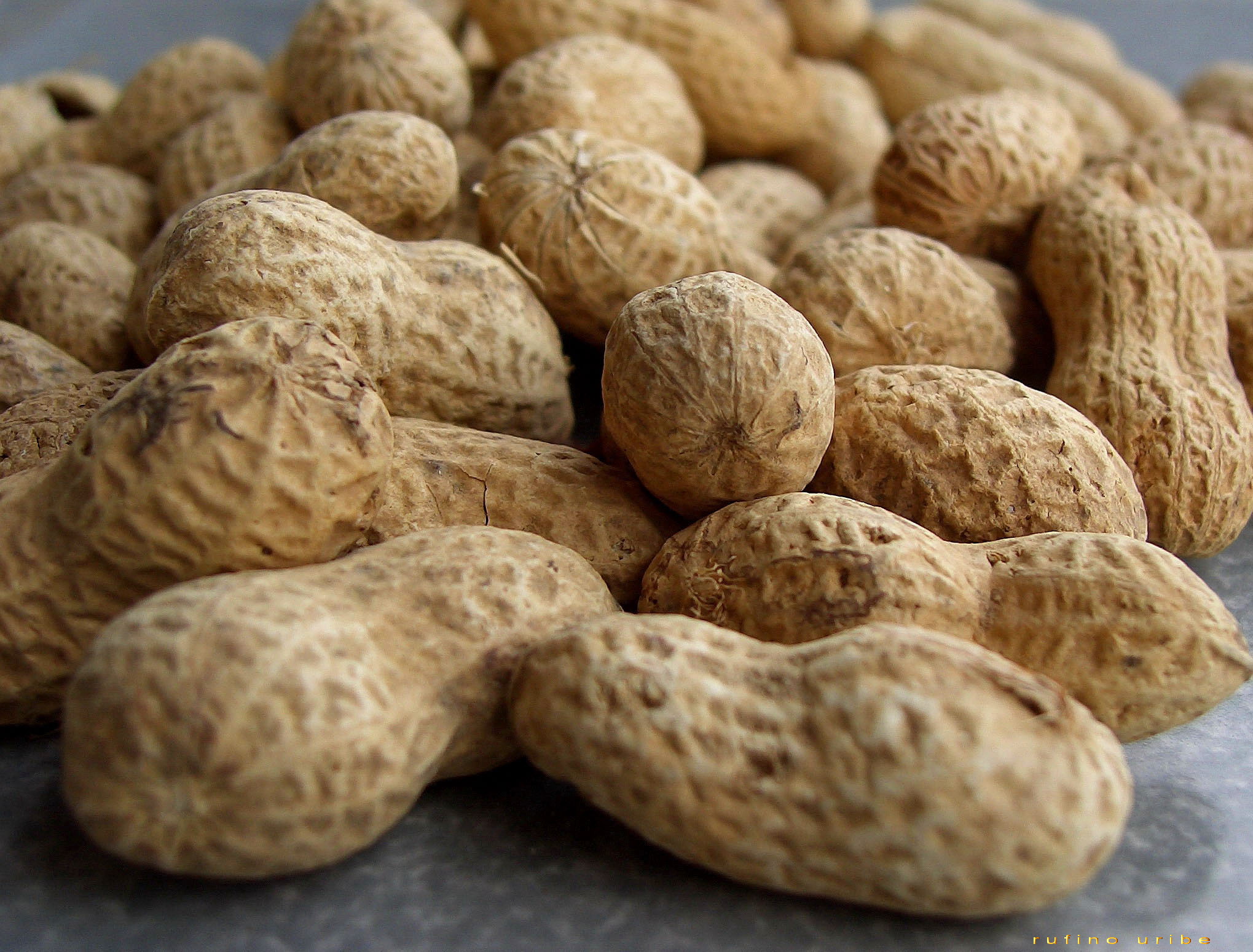
Can you prevent a peanut allergy? Scientists found that introducing peanuts into the diet during infancy protected from allergic reactions well into adolescence.
Eating kiwifruit could improve mental health for people with low vitamin C, with real fruit showing more benefits than a vitamin supplement.
Although some people swear by the Paleo diet, research suggests that eating a low-carbohydrate, high-fat diet can lead to rapid weight gain.
Increased fructose intake from processed foods triggers a genetic trait to store fat. This used to help us survive but now it leads to weight gain.
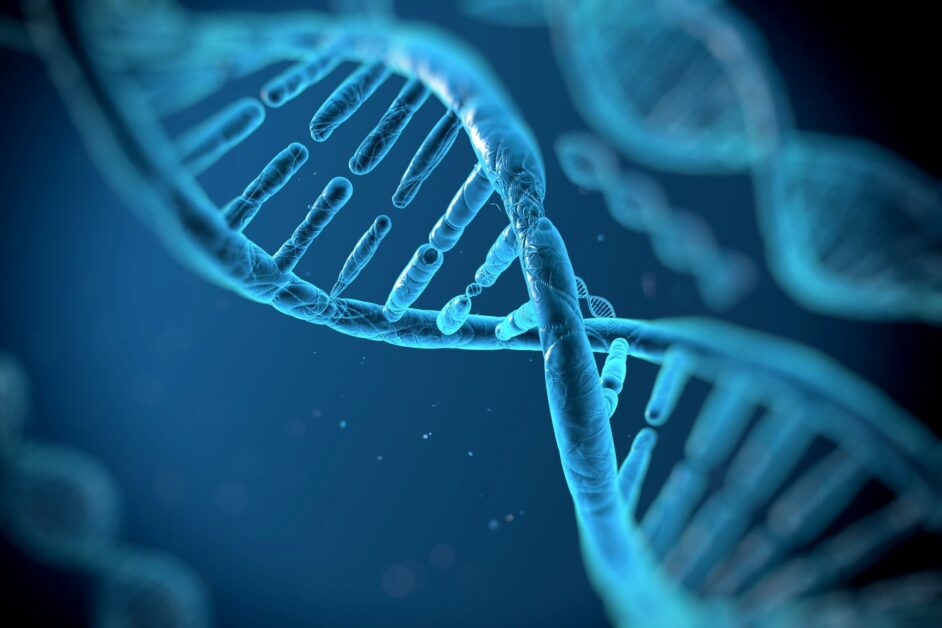
What parents eat impact their children. The diets of parents affect how their children’s genes work in a process called epigenetics.
Exercise may stimulate changes to the body at a cellular level, leading to new treatment possibilities for diet-resistant women with obesity.
Artificial sweeteners may have unintended effects on the body and the biosphere, so it is worth looking into natural sugar alternatives.