Music Helps Rebuild Language After Stroke
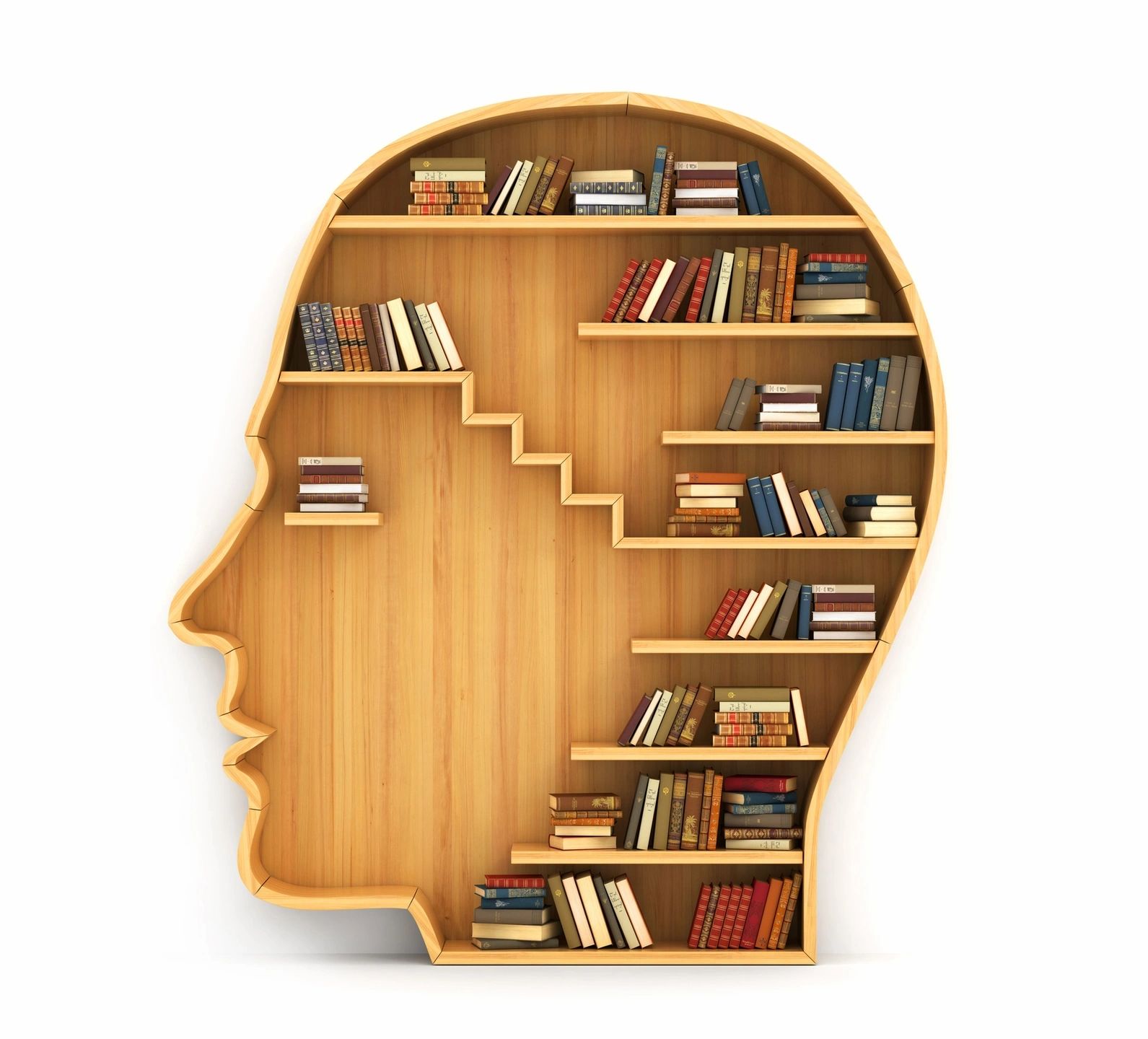
Stroke survivors with aphasia, the loss of language skills, are helped in their recovery by listening to music with lyrics.
Making Science Make Sense

Stroke survivors with aphasia, the loss of language skills, are helped in their recovery by listening to music with lyrics.
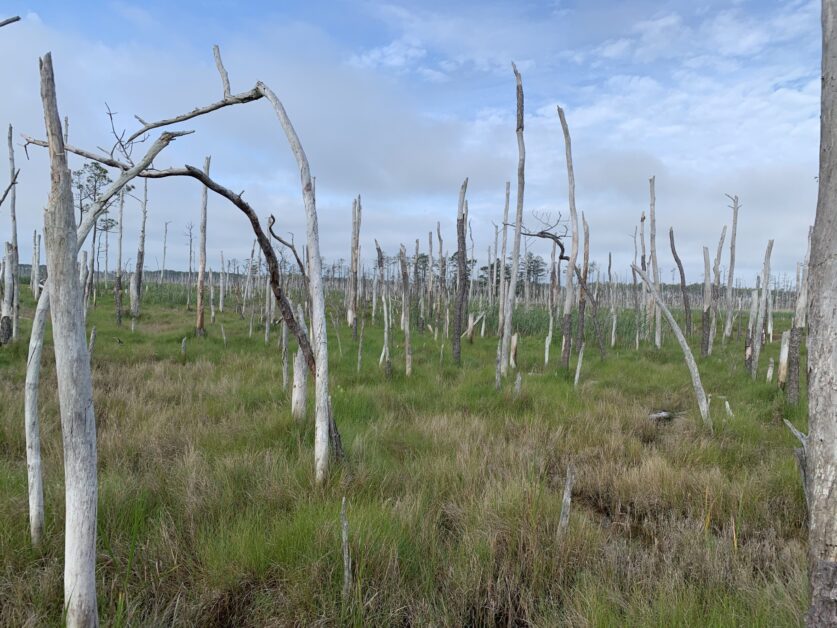
Document the formation of ghost forests — stands of dead trees that were recently killed by salt stress — with citizen science.
Urban green spaces improve mental health, physical well-being, happiness, and community engagement. So why don’t we have more of them?
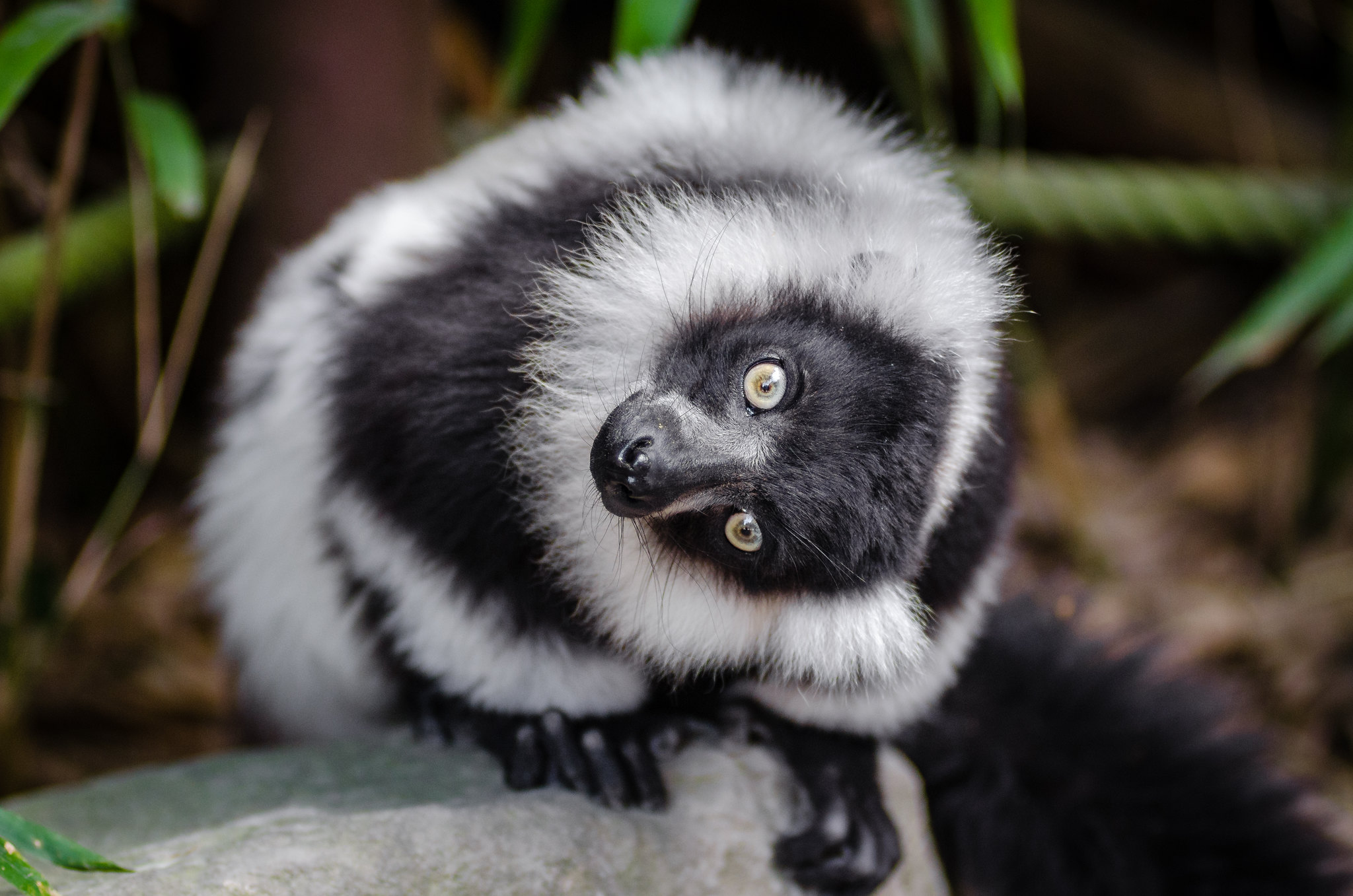
Did you know that wild lemurs only live in Madagascar, and that their habitat is quickly disappearing? Find out what is being done.
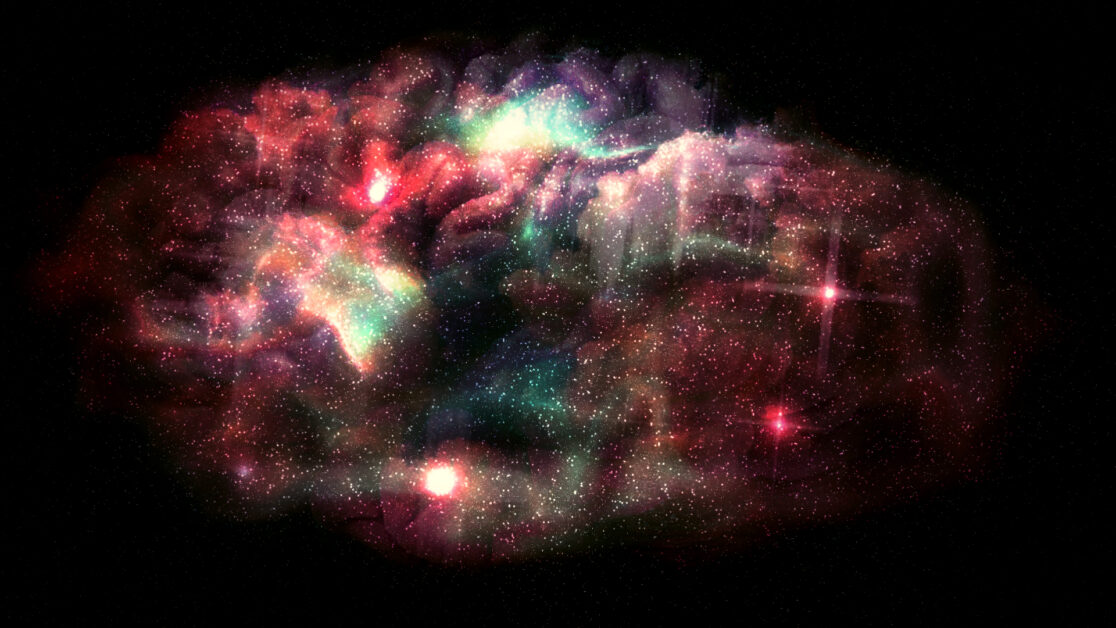
Neurons send visual information to the brain, but just how it gets processed is a complexity that researchers are getting closer to understanding.
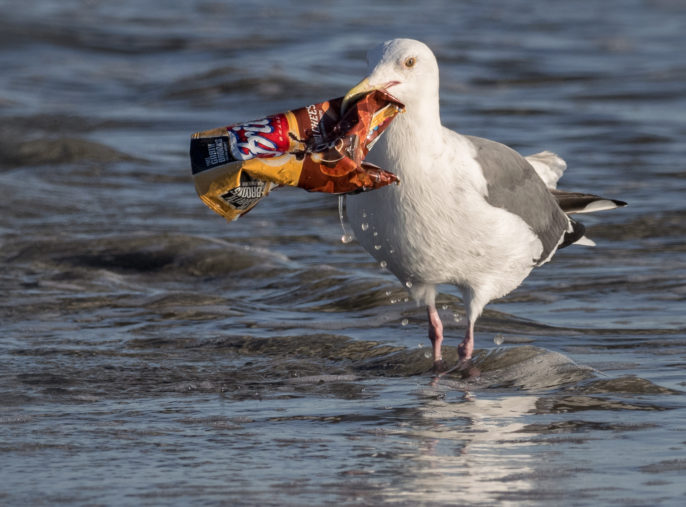
Tiny plastic particles have made their way from our soil, oceans, and bodies. Plastics on the nanoscale can have dangerous new properties.
It’s hot outside! Climate change is heating up the Himalayas, changing vegetation patterns and affecting the flow of water to people living at the base.
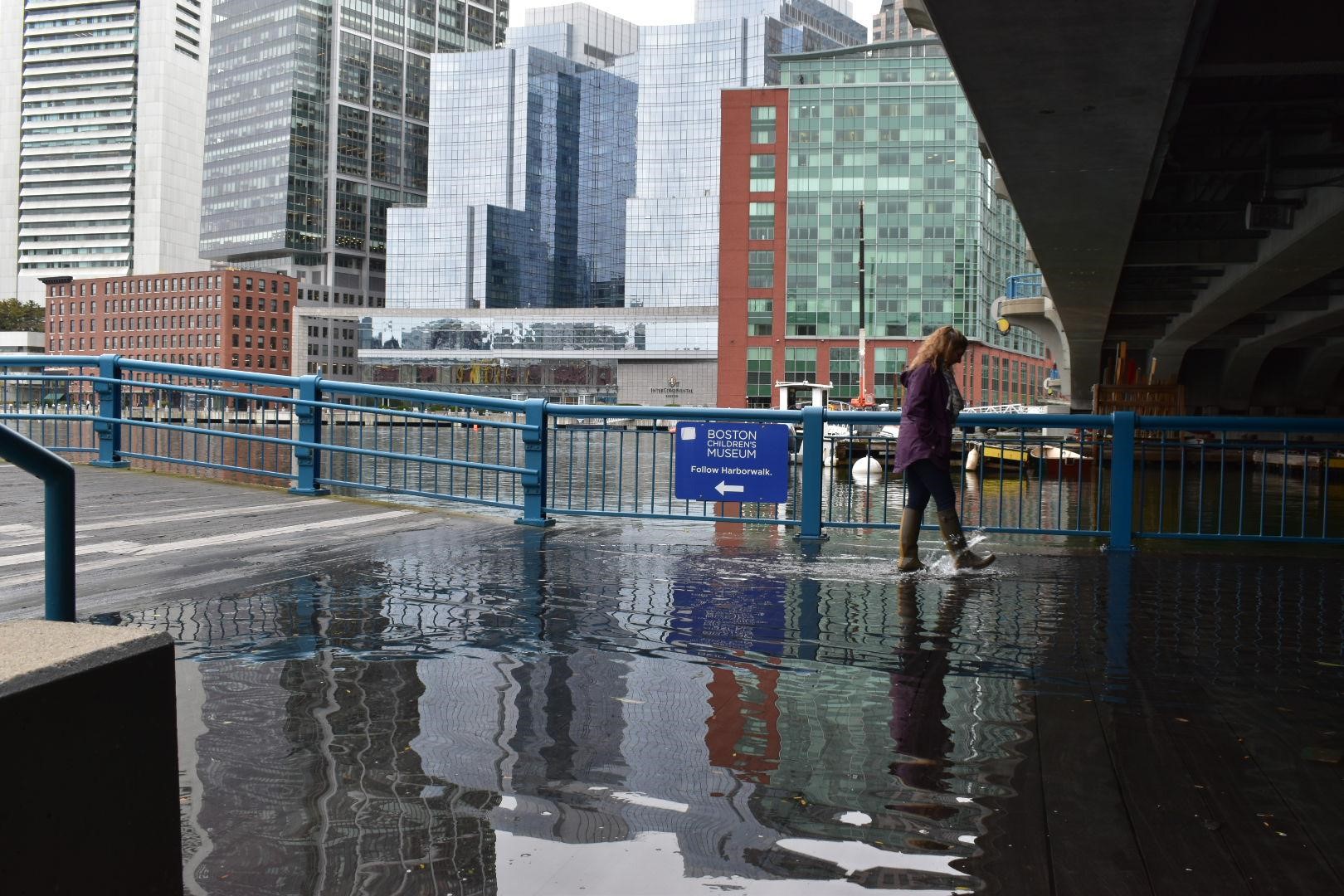
To understand how sea level rise will impact people, researchers and citizen scientists are mapping areas that are already impacted.
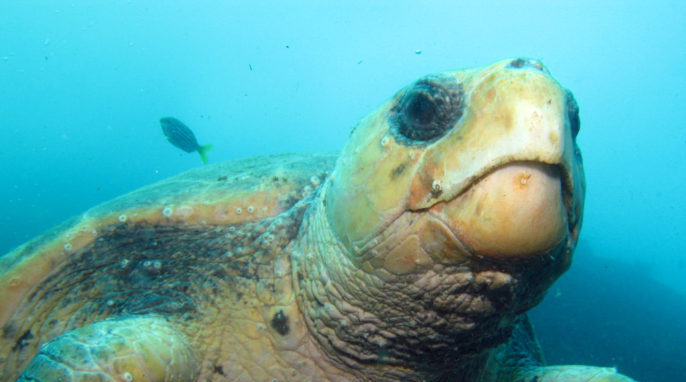
Sea turtles that mistake trash for food are in for a world of hurt. Green sea turtles and loggerhead turtles often mistake plastic bags for jellies.
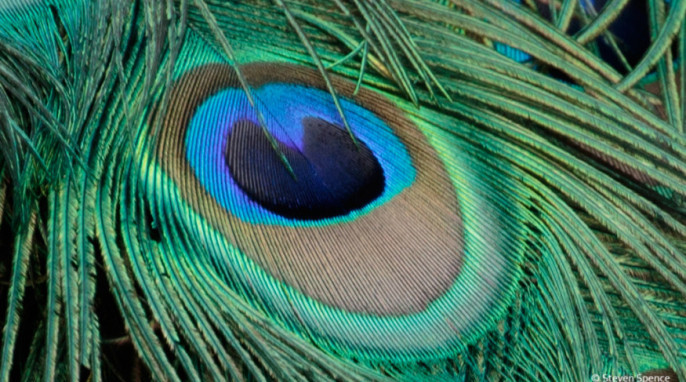
Learn about structural coloration in bird feathers and how humans are learning to use the same technique to make color-changing paint.