Using the Immune System to Treat Cancer
Scientists at the University of Southampton have discovered a novel way to attack tumors using the body’s own immune system to treat cancer.
Making Science Make Sense

Scientists at the University of Southampton have discovered a novel way to attack tumors using the body’s own immune system to treat cancer.
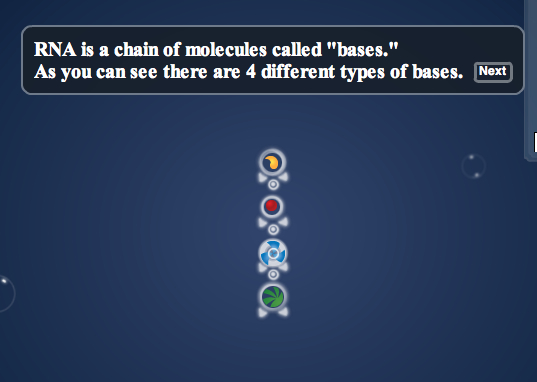
Thanks to volunteers playing a citizen science game, researchers have identified better mRNA for vaccines, possibly unlocking COVID vaccines for the developing world.
A taste-signaling protein found in the tongue and pancreas provides a way to design healthier sugar substitutes and new diabetes medications.
Participate in Miss Louisiana Earth’s online citizen science challenge to help researchers understand climate impacts on wetland loss.
Scientifically known as Haliaeetus albicilla, these large raptors are commonly known as sea eagles or white-tailed eagles. By Steven Spence…
The touchscreen on your smartphone now has a new use that can save lives: It can detect toxic elements in a water supply.
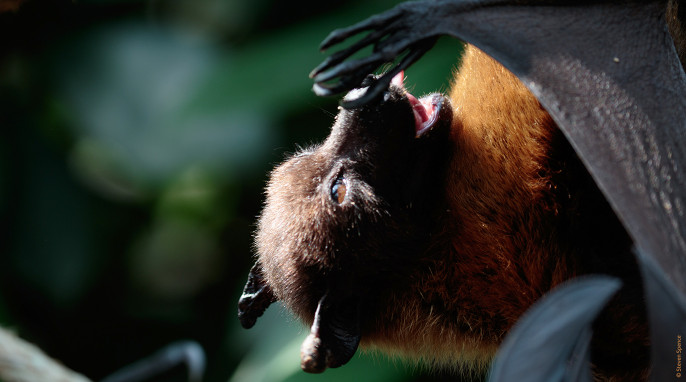
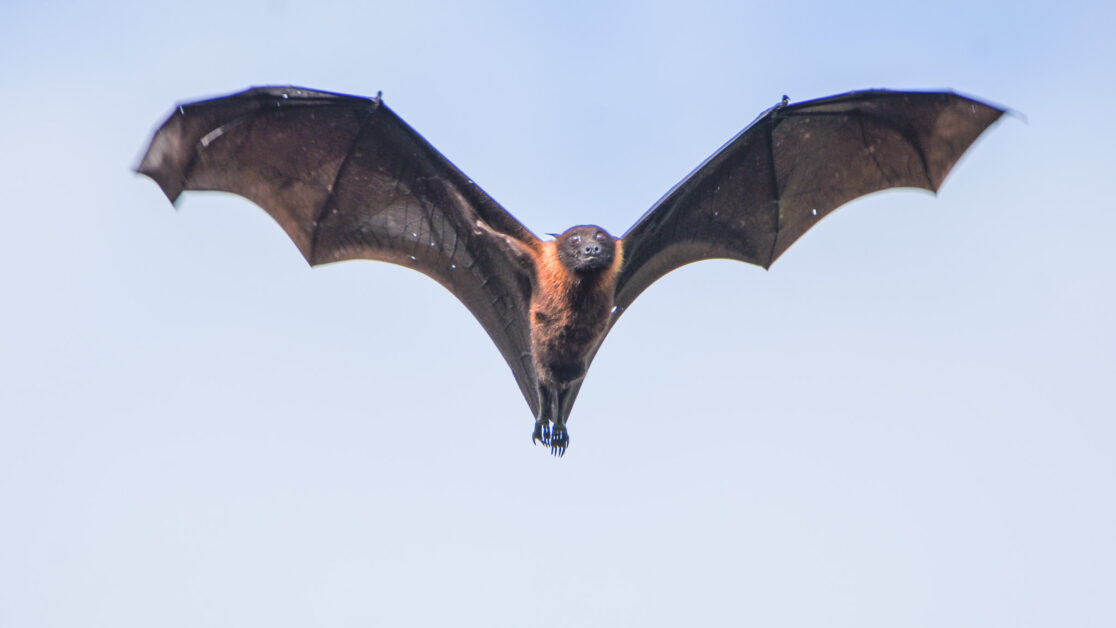
Covid-19 is not the first pandemic to strike humanity, and it won’t be the last. Scientists are investigating bat-human virus transmission.
A terrifying bat-killing fungus is tearing through North American bat populations—and scientists have finally found a way to fight back.
H. Holdent Thorp, Editor-in-Chief of AAAS Science journals explains why college communities will benefit from vaccine mandates in the school year to come.
Sleep is when we process the experiences of the day and form long-term memories. But how does your brain decide which memories to keep?