Skip to content

Science Connected Magazine

Making Science Make Sense

Bigyapaan Image
  • About
    • FAQ
    • Science Connected
    • Writers
    • Advisors
    • Policy on AI Use
    • Practice SciComm
    • Submission Guidelines
    • Permissions
    • Contact
  • Subjects
    • Science and Art
    • Life Sciences and Biomedicine
      • Anthropology
      • Biodiversity and Conservation
      • Biology
      • Botany
      • Citizen Science
      • Neuroscience
      • Ecology
      • Environment
        • Climate Change
        • Sustainable Living
      • Genetics and Heredity
      • Health
        • COVID-19
      • Marine and Freshwater Biology
      • Paleontology
      • Zoology
        • Ornithology
    • Physical Sciences
      • Astronomy and Astrophysics
      • Chemistry
      • Geology
      • Mathematics
      • Oceanography
      • Physics
    • Social Sciences
      • Archaeology
      • Language and Linguistics
      • Psychology
      • Science Policy
        • Science Debate Series
    • Technology
      • Computer Science
      • Engineering
      • New Technologies
    • Opinions and Editorials
  • Blogs
    • The SciStarter Blog
    • There Be Dragons Everywhere
  • Videos
    • It’s Ok to Be Smart
    • PBS Eons
    • Science With Sophie
    • Shelf Life from AMNH
    • Cat Behavior with Simon’s Cat Logic
  • STEM Education
    • FREE RESOURCES
    • Book Catalog
    • For Grades 7-12
    • For Grades K-6
    • iBiome Games
    • Book Recommendations
    • Get to Know a Scientist
  • Bookstore
  • Swag Shop
  • DONATE
  • Volunteer
  • Subscribe

Category: Life Sciences and Biomedicine

Why Don’t We Have Memories of Early Childhood?
Neuroscience

Why Don’t We Have Memories of Early Childhood?

June 15, 2021November 17, 2025

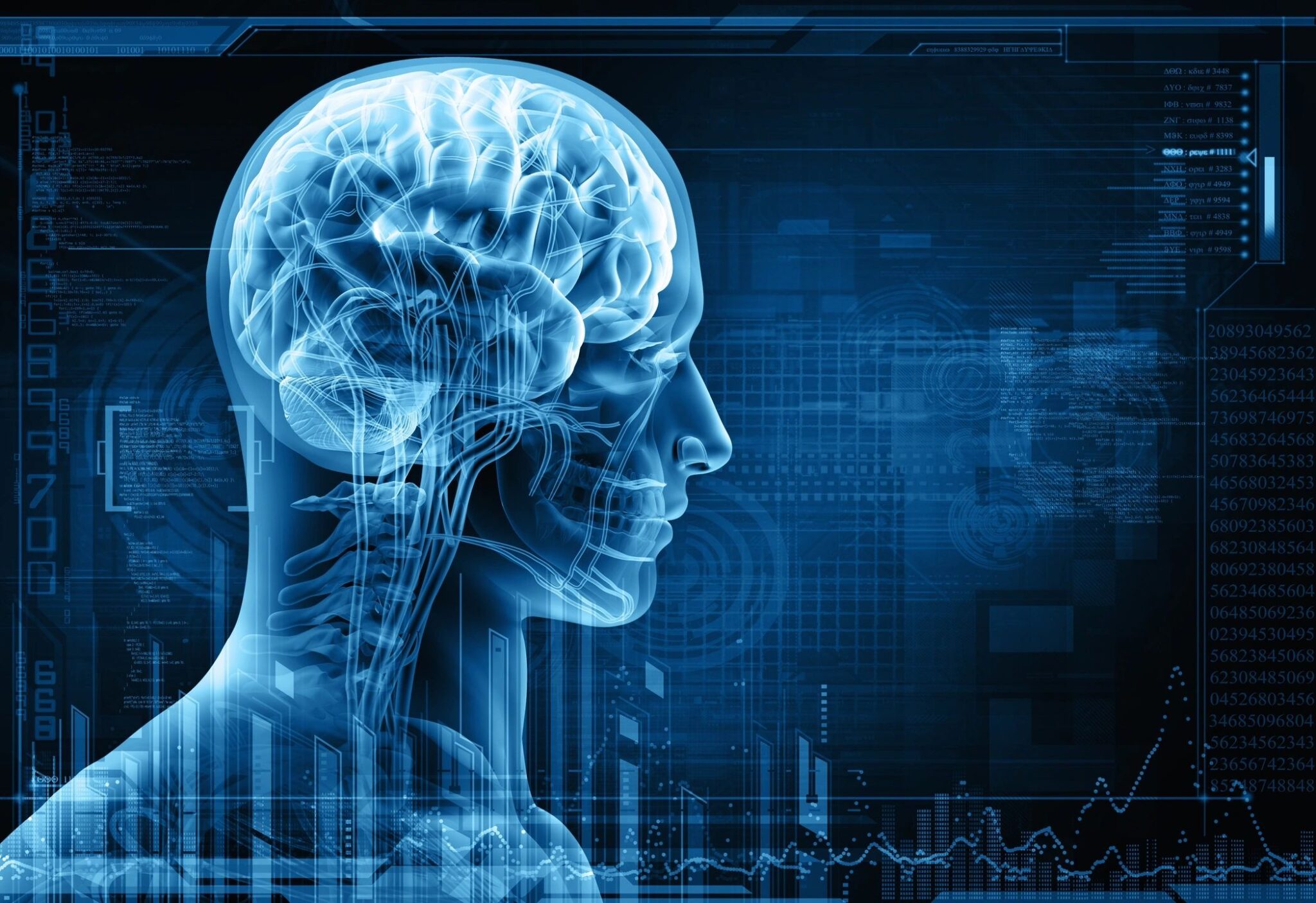
The hippocampus helps us form memories, but babies may have a different primary use for it, according to a new research study.

Giant Virus Evolution Key to New Medical Nanotechnology
Biology Genetics and Heredity

Giant Virus Evolution Key to New Medical Nanotechnology

June 14, 2021December 23, 2024

Research into the evolution of giant viruses is helping scientists to understand and harness the viruses for innovative medical nanotechnology.

Jellyfish Do More than Drift
Marine and Freshwater Biology

Jellyfish Do More than Drift

June 9, 2021March 23, 2025

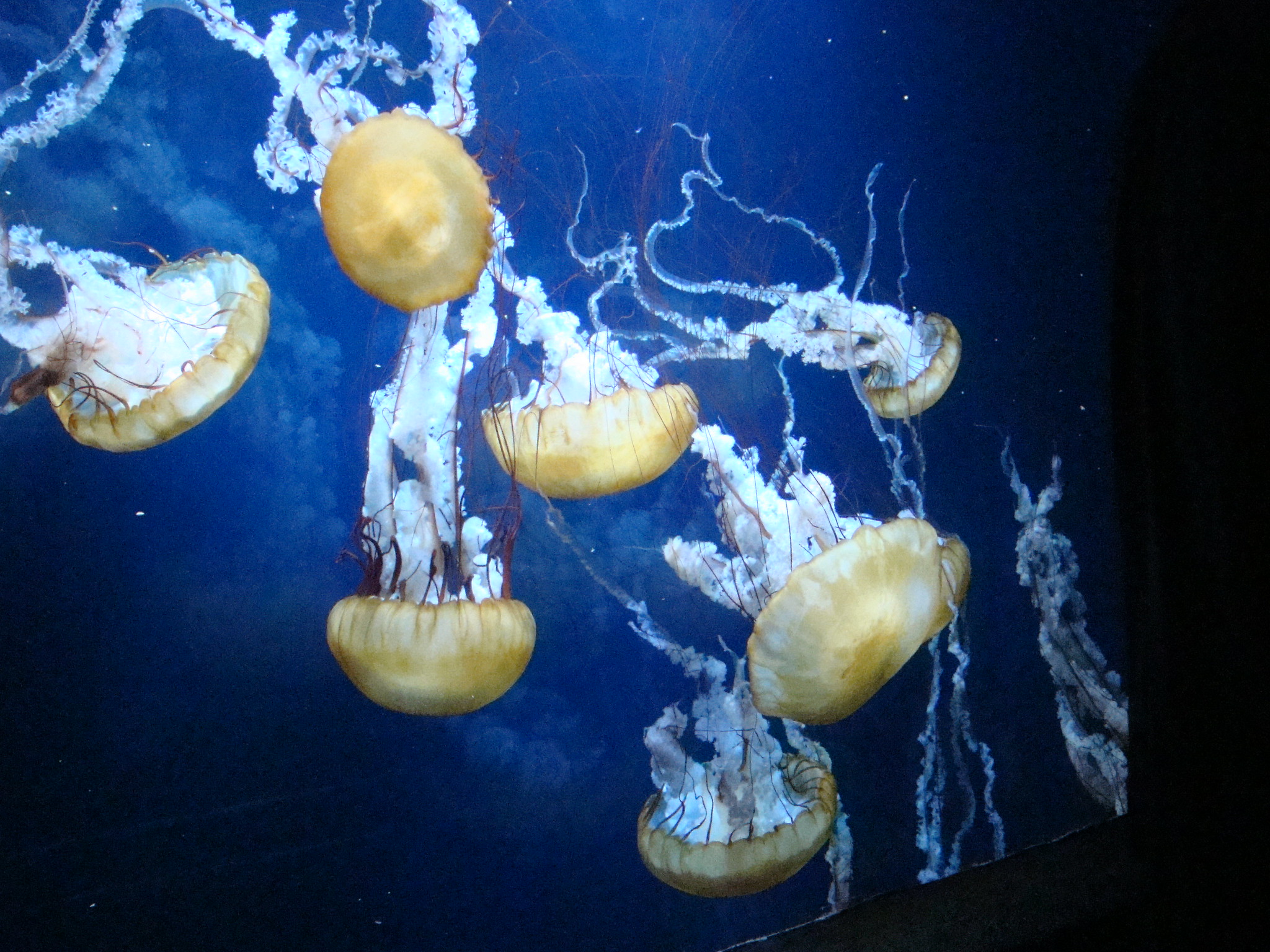
Jellyfish don’t just drift. They can detect ocean currents, navigate, and move. They are more advanced than you might think.

Noise Pollution in the Ocean
Ecology Marine and Freshwater Biology

Noise Pollution in the Ocean

June 8, 2021June 7, 2021

What does the ocean sound like? Humans and our noise pollution have changed the ocean soundscape, with negative impacts on marine animals.

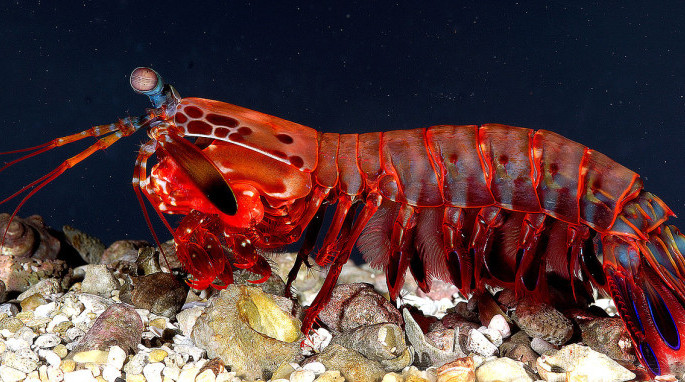
How the Mantis Shrimp Packs a Powerful Punch
Marine and Freshwater Biology Zoology

How the Mantis Shrimp Packs a Powerful Punch

June 2, 2021June 2, 2021

These little animals kill by punching as hard and fast as a bullet from a gun. Find out why the little mantis shrimp is so tough.

Can climate change increase violence against women?
Climate Change

Can climate change increase violence against women?

June 1, 2021August 6, 2021

Violence against women and girls is a well-known problem. However, do natural disasters exacerbate this as climate change worsens?

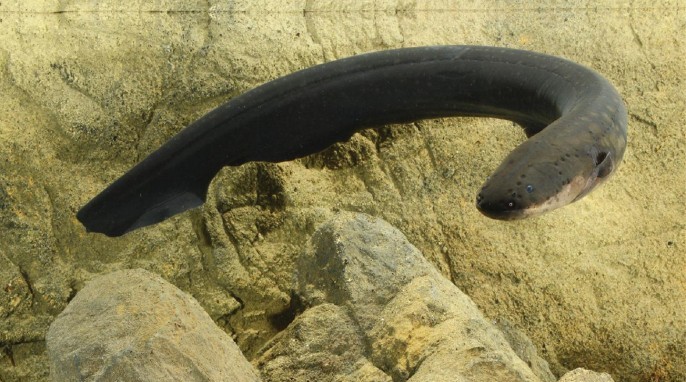
Electric Eel Delivers Taser-like Shocks
Biology Zoology

Electric Eel Delivers Taser-like Shocks

May 25, 2021May 25, 2021

The electric eel is an Amazonian fish that can deliver an electrical jolt strong enough to stun a horse, using an electroshock system similar to a Taser.

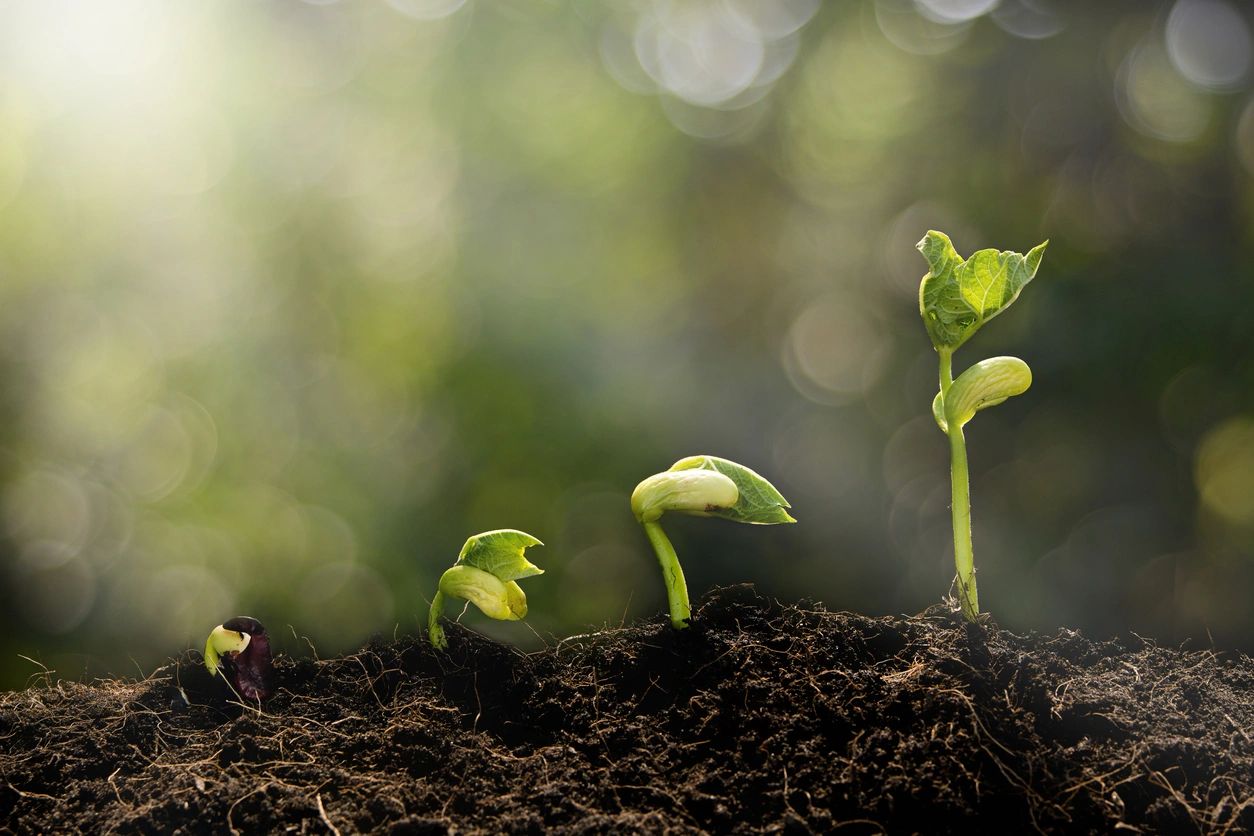
Lasers Shed Light on Photosynthesis
Botany Physics

Lasers Shed Light on Photosynthesis

May 24, 2021May 23, 2026

Plants turn sunlight into fuel in a process called photosynthesis, but how exactly does it work? Find out from U. of Michigan physicists.

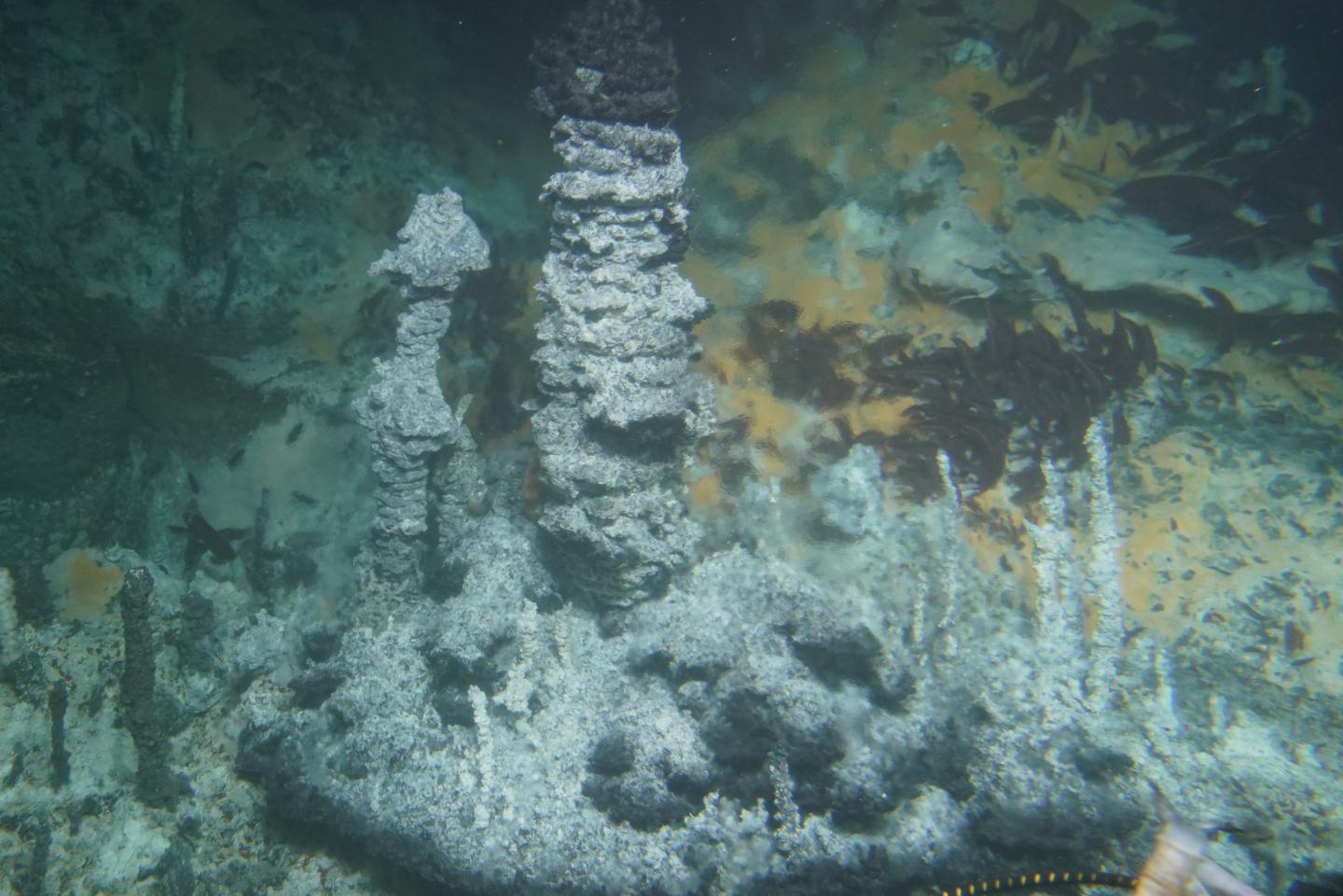
Carbon Isotope Anomaly in the Deep Sea
Chemistry Climate Change

Carbon Isotope Anomaly in the Deep Sea

May 19, 2021May 17, 2021

Carbon variations in methane found on the ocean floor are giving researchers new insights into ocean microbes and chemical reactions.

Neuromodulation: How We Manipulate Brain Cells
Health Neuroscience

Neuromodulation: How We Manipulate Brain Cells

May 18, 2021November 17, 2025

Neuromodulation to treat illnesses has been limited by being too invasive or too general, but new research on ultrasound shows promise.
Posts navigation

Older posts
Newer posts
  • LinkedIn
  • Bluesky
  • Instagram
  • Facebook
  • X
  • Mail
subscribe to Science Connected Digest Weekly

Make a Donation

Science Connected Magazine is an editorially independent, non-profit newsroom producing open-access science journalism.

Contact

Terms of Use

Privacy Policy

Style Guide

ScienceConnected.Org

Copyright © 2025 Science Connected, All Rights Reserved | Ace News by Ascendoor | Powered by WordPress.