Mapping the Urban Heat Island Effect with Wicked Hot Boston
by Emily Hostetler, Sara Benson, and Roxanne Lee It’s not just in your head; Boston really is hotter in the…
Making Science Make Sense

by Emily Hostetler, Sara Benson, and Roxanne Lee It’s not just in your head; Boston really is hotter in the…
US withdrawal from the Paris Agreement weakens environmental leadership, damages alliances, and hinders global progress in mitigating climate change.
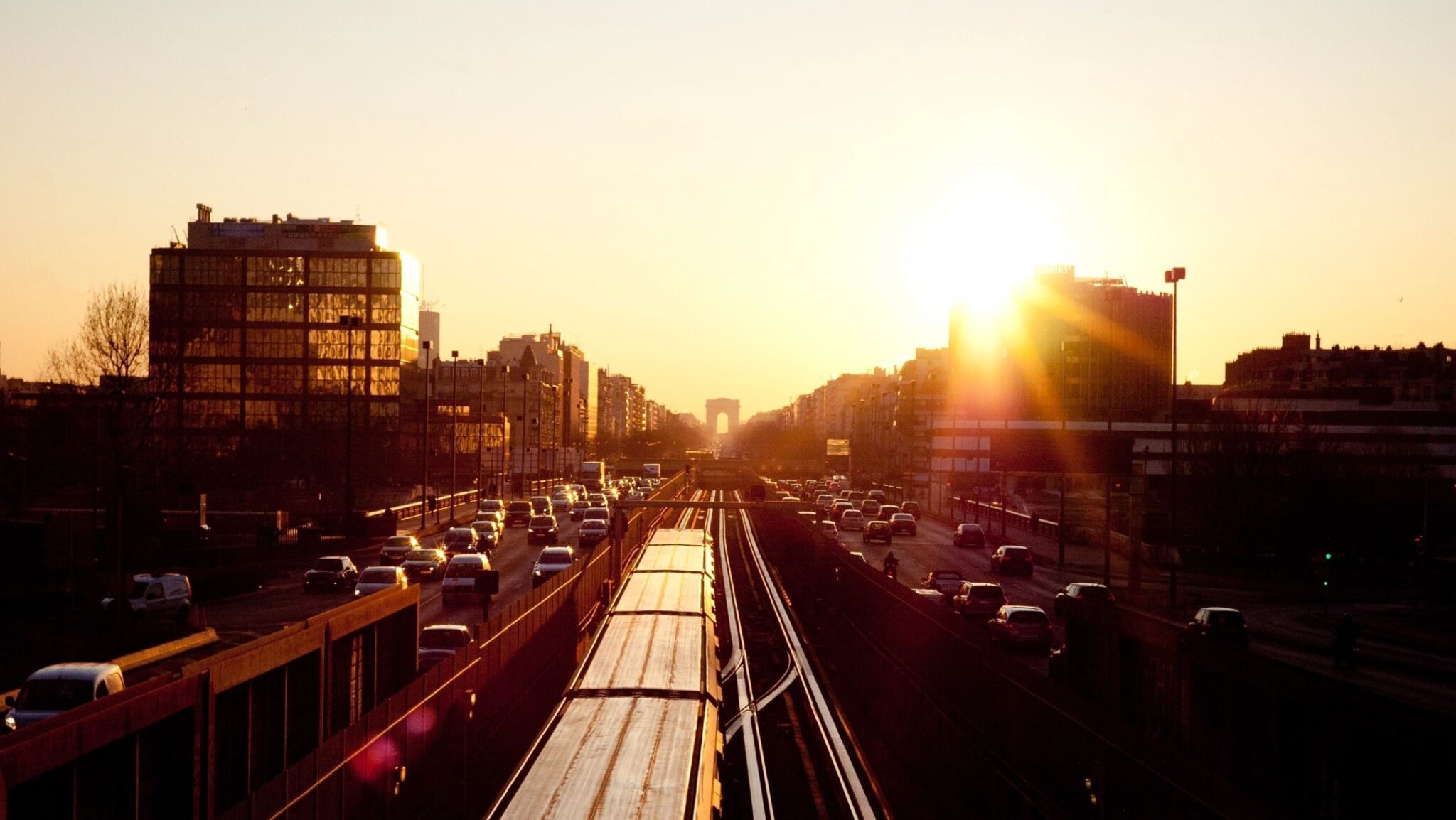
Imagine a smoldering hot day in downtown Boston: temperatures have reached over 90 degrees Fahrenheit, and the sidewalks and streets…
Researchers track the origins of water across the world, and how it varies over time and place, by analyzing its…
By Shayna Keyles (@shaynakeyles) When we talk about recycling, mitigating climate change, protecting habitats, and more, it’s not only for…
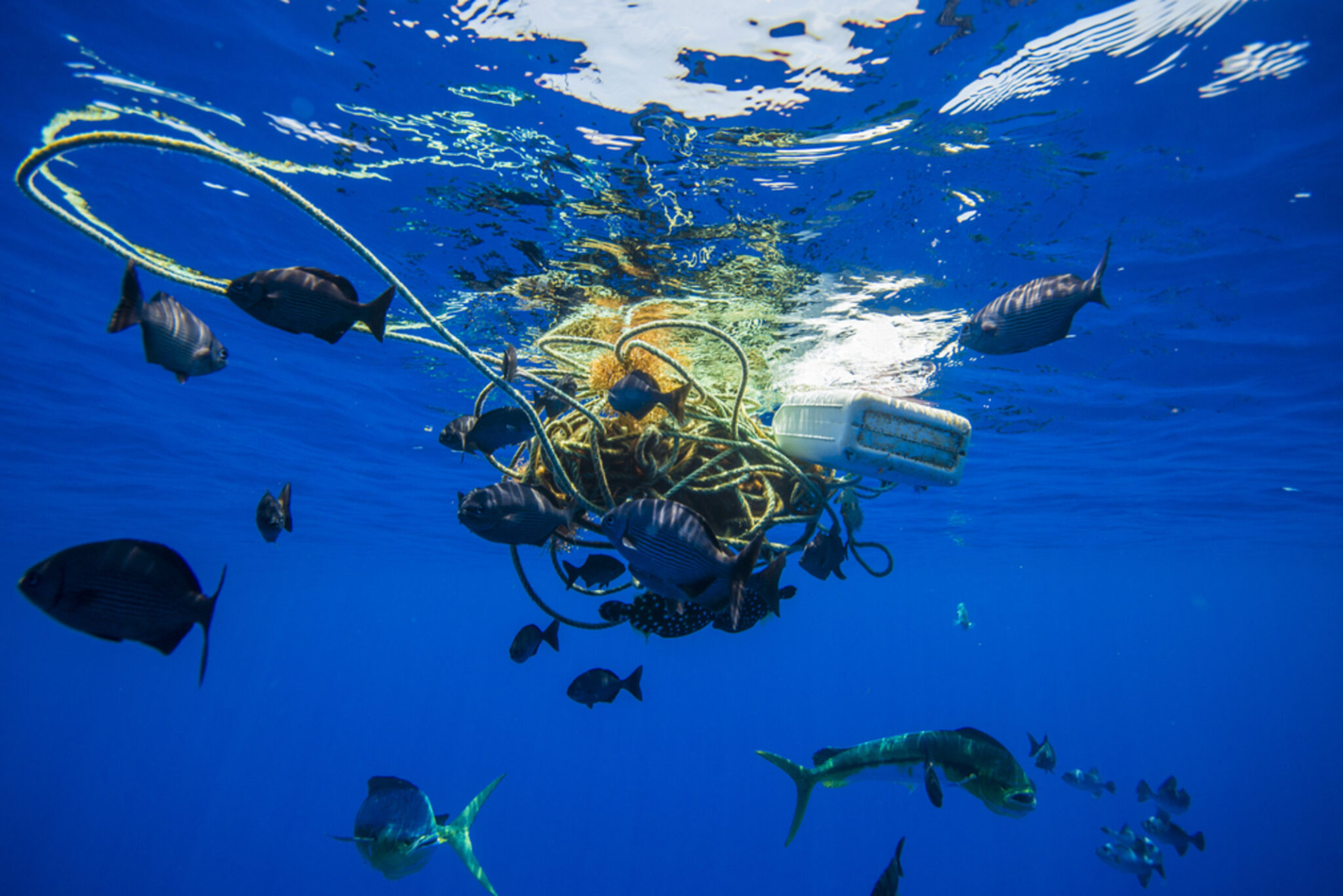
Marine plastic pollution must be addressed by the United States through policies on single-use plastics and abandoned fishing nets.
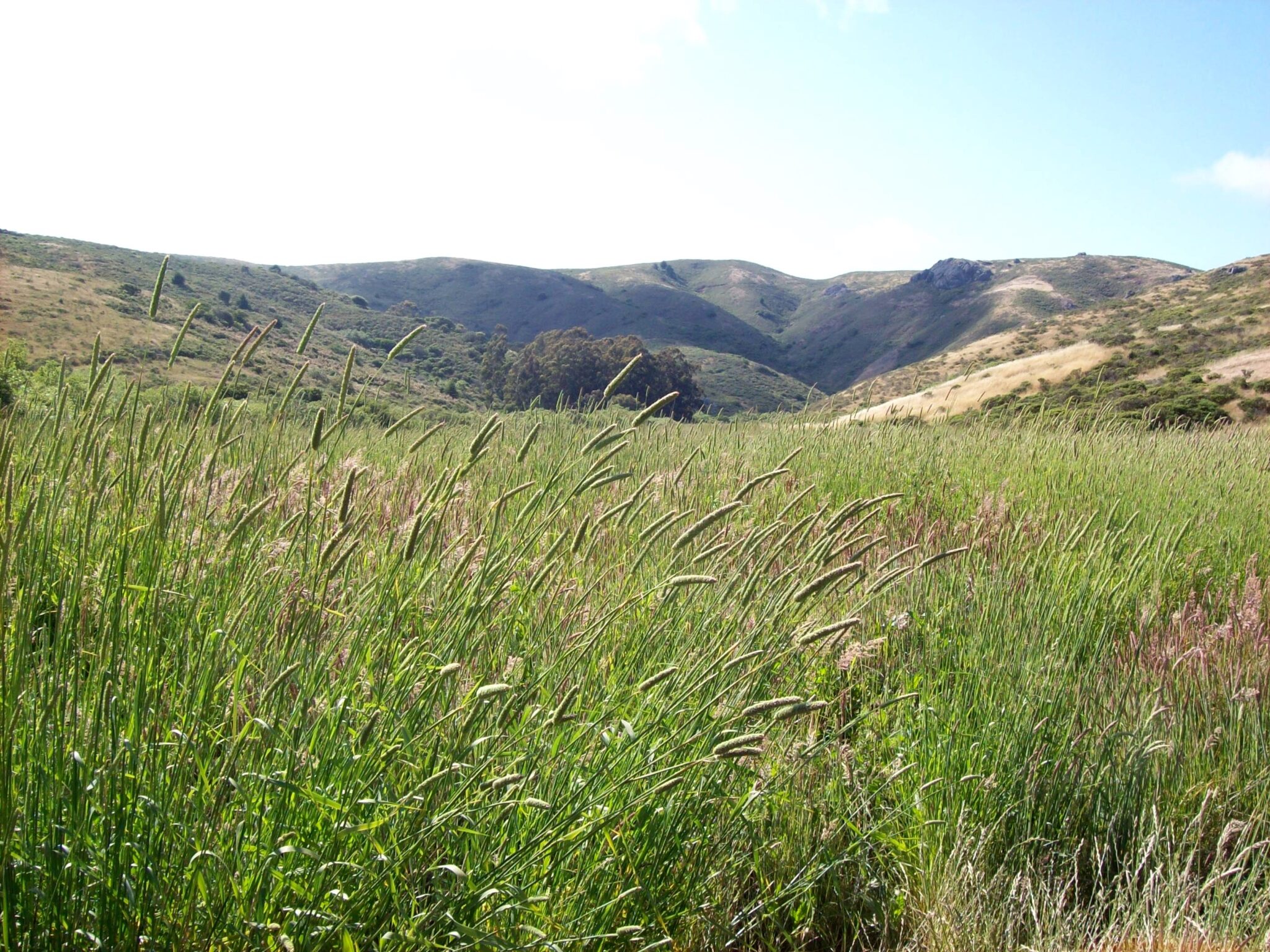
By Mackenzie Myers To conserve plant habitats, a traditional approach to biodiversity—species richness, or saving as many species as possible—might…
By Bradley Allf Lead pipes for transporting water have been a fixture of modern civilization for more than two thousand…
Habitat fragmentation has long been considered a threat to biodiversity, but recent research presents researchers and policy makers with some new ideas.
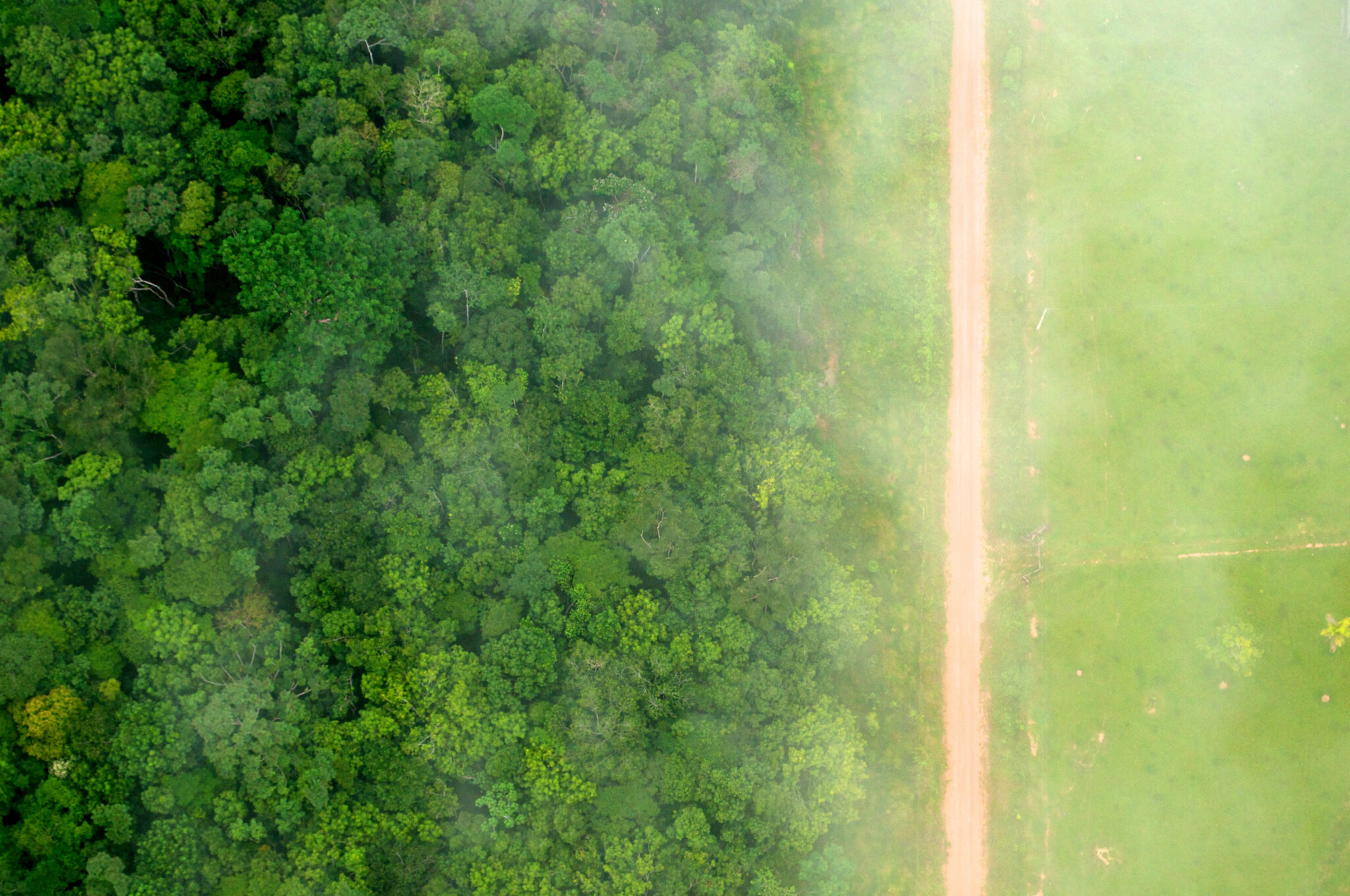
Forest restoration efforts are a far more effective strategy for sequestering atmospheric carbon than monoculture plantations.