Bee Phenology: How Are Bees Feeling the Heat?
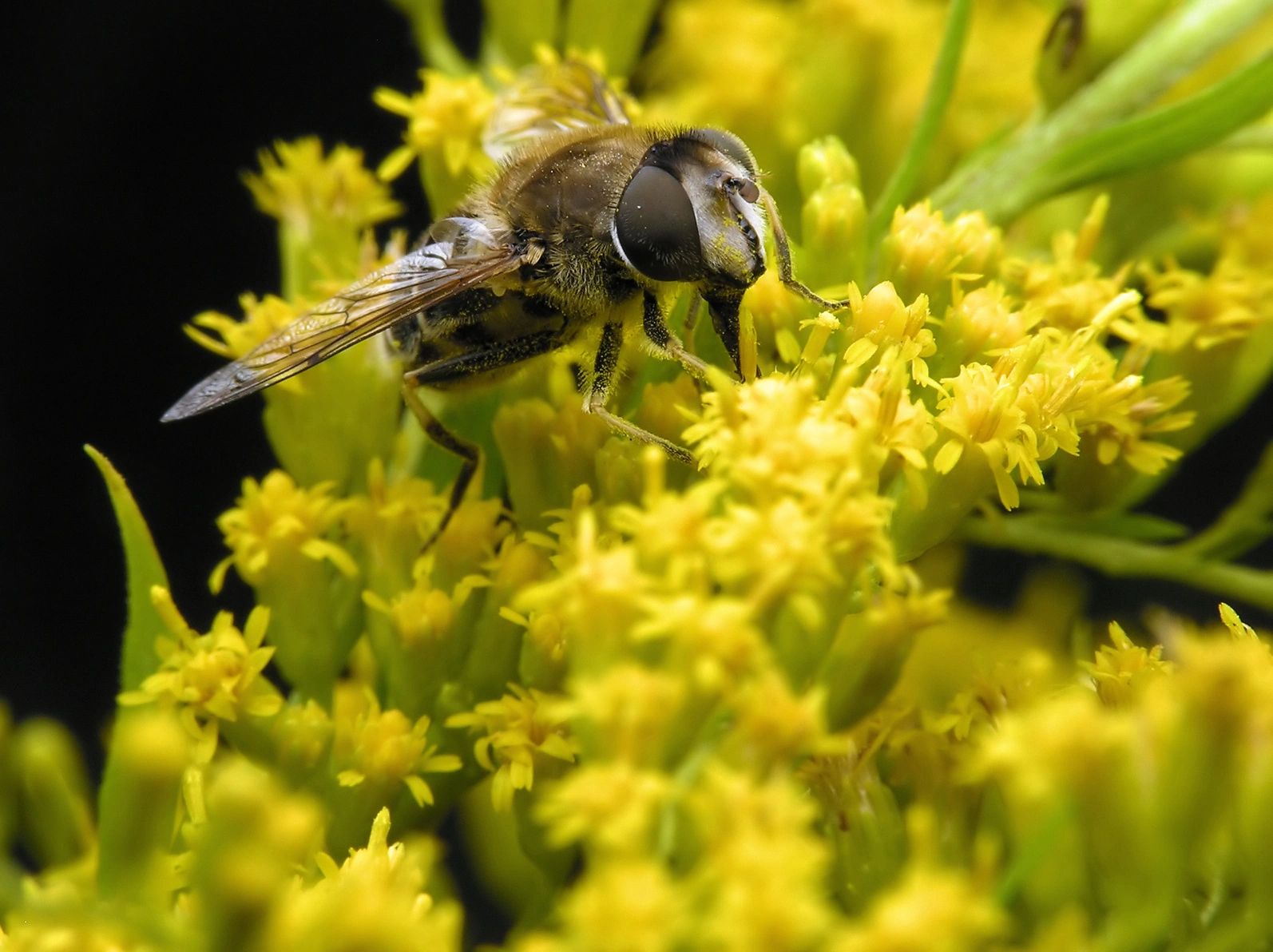
Rising temperatures in recent years have been linked to observed shifts in bee phenology. These changes may impact pollination.
Making Science Make Sense

Rising temperatures in recent years have been linked to observed shifts in bee phenology. These changes may impact pollination.
Climate change is not just in the air—underground climate change expands or contracts the earth, affecting the buildings above.
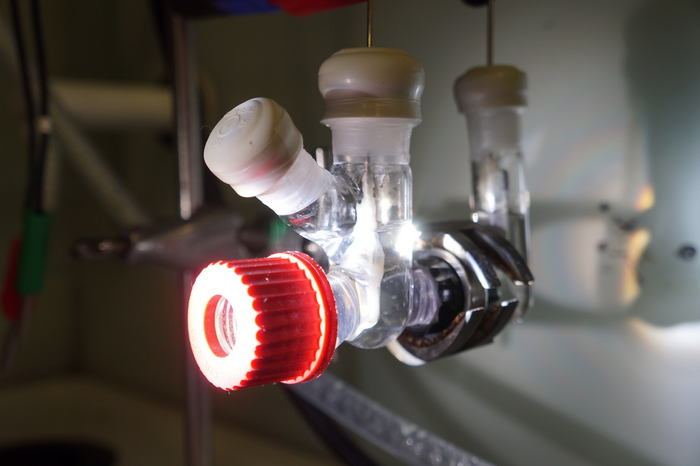
A new recycling method uses sunlight to simultaneously convert carbon dioxide and plastic waste into sustainable biofuels and useful chemical products.
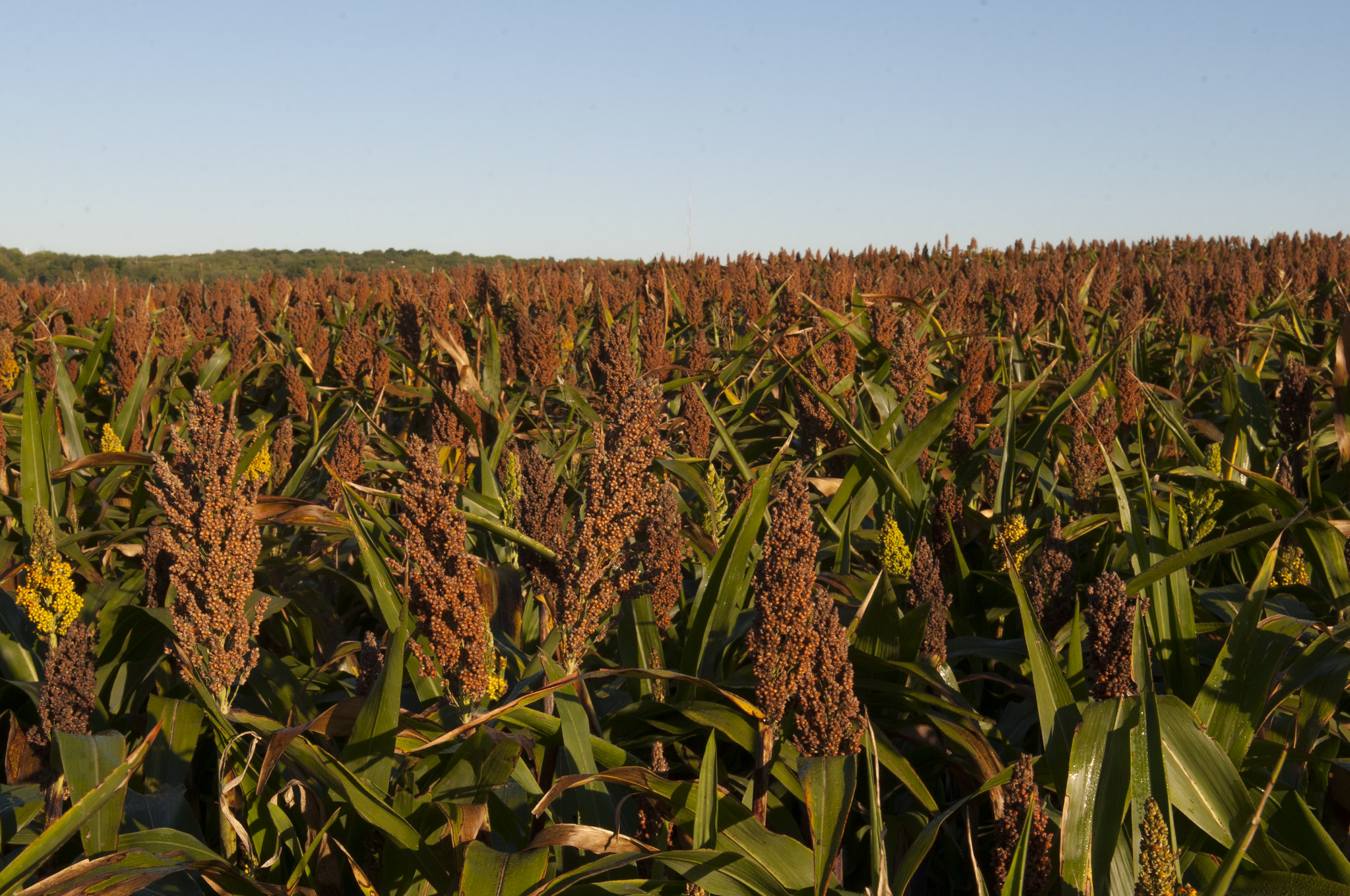
Bioenergy sorghum hybrids can restore carbon levels in soil, improve soil fertility, provide biomass for biofuel production, and combat climate change.
Research into human migration shows distinct patterns, including the surprising trend toward areas affected by wildfires.
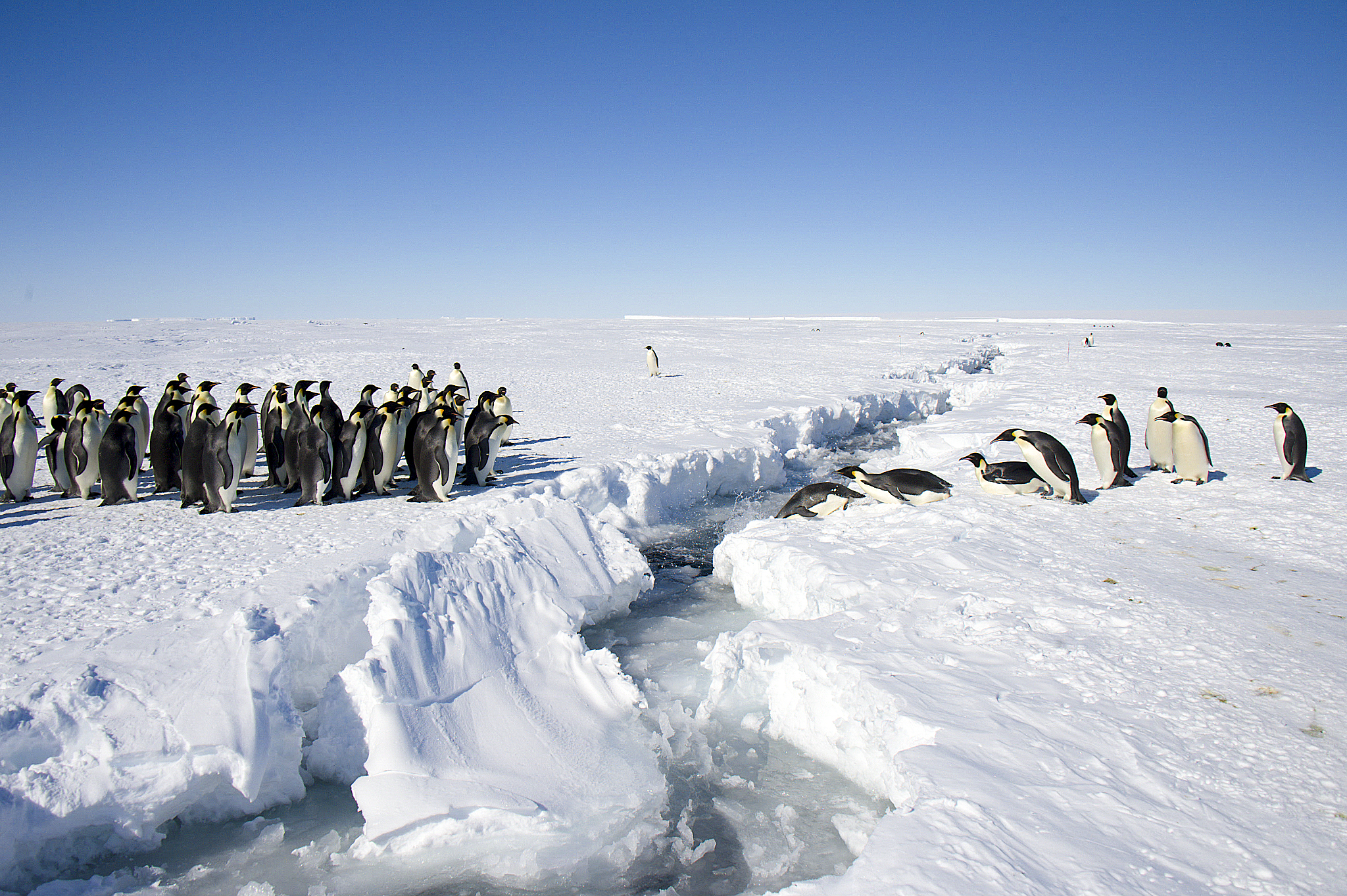
Emperor penguins officially a threatened species because of projections of population decline from climate change and ineffective conservation.
The Girl Scouts have made trees a big part of their citizen science efforts. Read on for ways you can participate—scout or not!
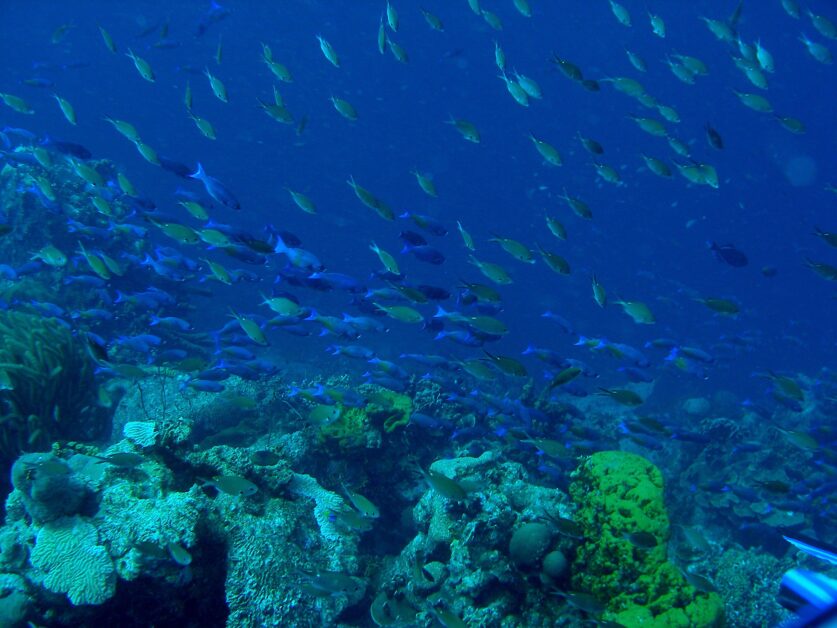
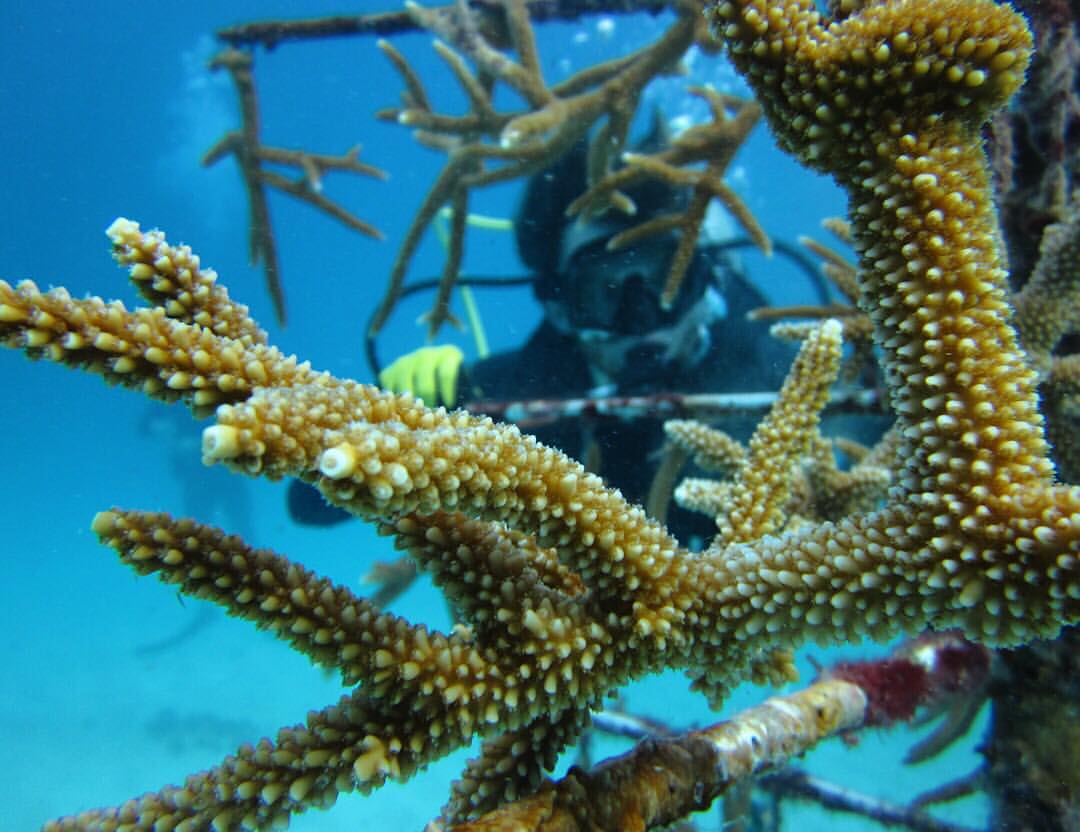
Many of the harms done by climate change and overfishing are worst near the surface. Could coral reefs relocate deeper to escape them?
Are you wondering how climate change is impacting coral reefs around the world? This roundup of articles will answer your questions.
The beloved American pika is losing its habitat. These little animals could loose 75 percent of their range quite soon to climate change.