Skip to content

Science Connected Magazine

Making Science Make Sense

Bigyapaan Image
  • About
    • FAQ
    • Science Connected
    • Writers
    • Advisors
    • Policy on AI Use
    • Practice SciComm
    • Submission Guidelines
    • Permissions
    • Contact
  • Subjects
    • Science and Art
    • Life Sciences and Biomedicine
      • Anthropology
      • Biodiversity and Conservation
      • Biology
      • Botany
      • Citizen Science
      • Neuroscience
      • Ecology
      • Environment
        • Climate Change
        • Sustainable Living
      • Genetics and Heredity
      • Health
        • COVID-19
      • Marine and Freshwater Biology
      • Paleontology
      • Zoology
        • Ornithology
    • Physical Sciences
      • Astronomy and Astrophysics
      • Chemistry
      • Geology
      • Mathematics
      • Oceanography
      • Physics
    • Social Sciences
      • Archaeology
      • Language and Linguistics
      • Psychology
      • Science Policy
        • Science Debate Series
    • Technology
      • Computer Science
      • Engineering
      • New Technologies
    • Opinions and Editorials
  • Blogs
    • The SciStarter Blog
    • There Be Dragons Everywhere
  • Videos
    • It’s Ok to Be Smart
    • PBS Eons
    • Science With Sophie
    • Shelf Life from AMNH
    • Cat Behavior with Simon’s Cat Logic
  • STEM Education
    • FREE RESOURCES
    • Book Catalog
    • For Grades 7-12
    • For Grades K-6
    • iBiome Games
    • Book Recommendations
    • Get to Know a Scientist
  • Bookstore
  • Swag Shop
  • DONATE
  • Volunteer
  • Subscribe

Category: Zoology

Zebra Finches: Learning from Lovebirds
Zoology

Zebra Finches: Learning from Lovebirds

September 29, 2015September 28, 2015

From our Friends at ResearchGate Lovebirds know what they’re doing. It only takes zebra finches days to choose a partner,…

Baby Elephants with Stressed Parents, Shorter Lives
Biology Zoology

Baby Elephants with Stressed Parents, Shorter Lives

September 21, 2015August 11, 2021

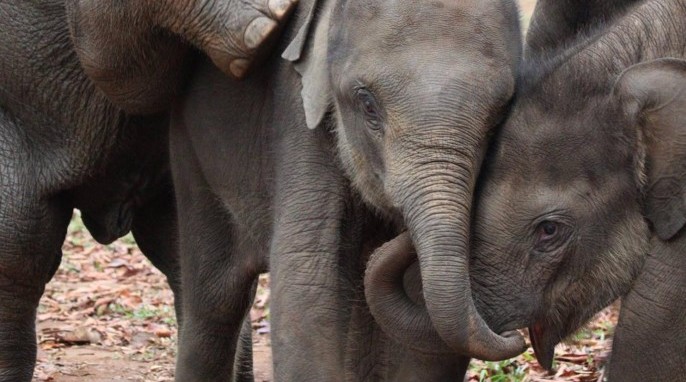
Elephants born into stressful situations grow up to have fewer offspring and age faster. Does the same pattern apply to humans?

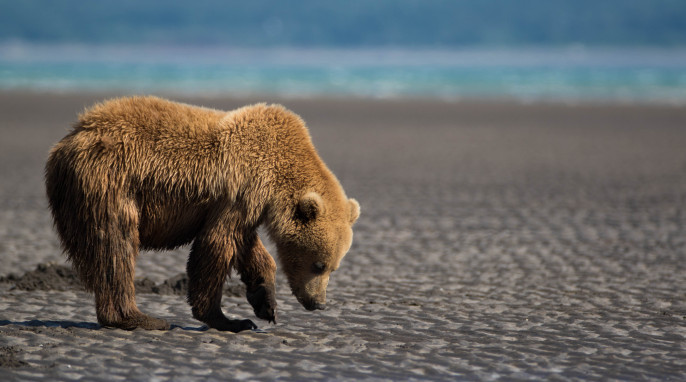
Grizzly Bears Catching Clams in Alaska
Zoology

Grizzly Bears Catching Clams in Alaska

September 16, 2015April 20, 2021

This is a continuation of our Photographer’s Adventures in Alaska series. Previously from wildlife photographer Max Goldberg: Adventures with Grizzly Bears…

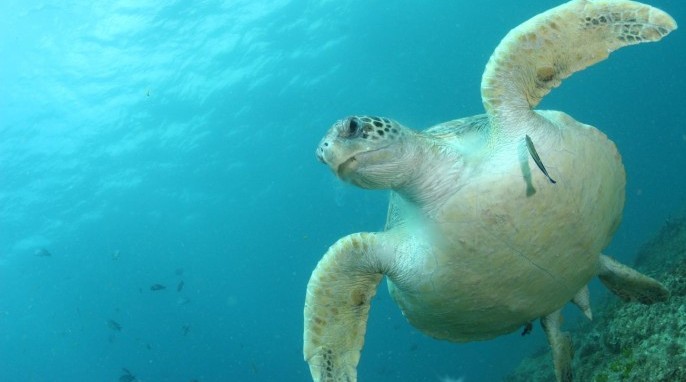
Sea Turtles Poisoned by Plastic
Environment Oceanography Zoology

Sea Turtles Poisoned by Plastic

September 14, 2015May 12, 2016

By Kate Stone Mr. McGuire: I want to say one word to you. Just one word. Benjamin: Yes, sir. Mr.…

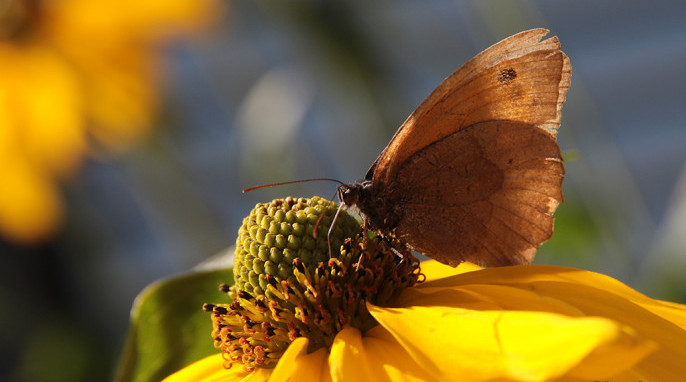
Unexpected Biodiversity in Iberian Butterflies
Environment Zoology

Unexpected Biodiversity in Iberian Butterflies

September 8, 2015April 10, 2021

Nature photographer and blogger Steven Spence has good news to share with you about butterflies and biodiversity on the Iberian…

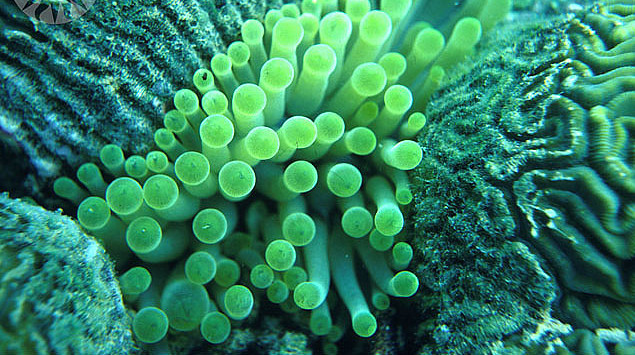
Copying Coral to Contain Heavy Metal Pollution
Environment Zoology

Copying Coral to Contain Heavy Metal Pollution

August 25, 2015May 28, 2024

These scientists are building artificial coral that can absorb heavy metal pollution. Find out how it could work to protect the environment.

Photographer in Alaska: Grazing Grizzly Bears
Zoology

Photographer in Alaska: Grazing Grizzly Bears

August 18, 2015April 20, 2021

Did you know that grizzlies eat grass? Grazing Grizzly Bears is the second installment of wildlife photographer Max Goldberg’s latest…

Photographer’s Adventures with Grizzly Bears
Science and Art Zoology

Photographer’s Adventures with Grizzly Bears

July 29, 2015April 20, 2021

Up and coming wildlife photographer Max Goldberg describes his visit to Katmai National Park in Alaska to photograph grizzly bears.…

Worms Use Slugs as Public Transit
Biology Zoology

Worms Use Slugs as Public Transit

July 22, 2015July 27, 2026

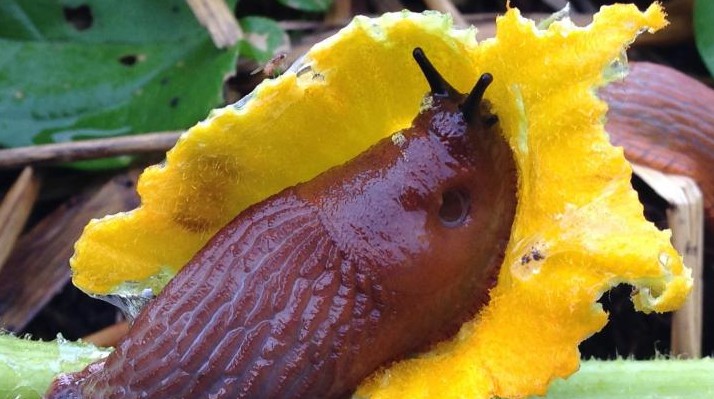
By Kate Stone Nematode worms on the move Buses and trains may not always be the cleanest ways to get…

Friendly Neighborhood Raptor Dinosaurs
Paleontology Zoology

Friendly Neighborhood Raptor Dinosaurs

July 13, 2015April 28, 2021

Raptor dinosaurs large curved talons on the  second toes of their feet. A similar feature is seen on some modern…
Posts navigation

Older posts
Newer posts
  • LinkedIn
  • Bluesky
  • Instagram
  • Facebook
  • X
  • Mail
subscribe to Science Connected Digest Weekly

Make a Donation

Science Connected Magazine is an editorially independent, non-profit newsroom producing open-access science journalism.

Contact

Terms of Use

Privacy Policy

Style Guide

ScienceConnected.Org

Copyright © 2025 Science Connected, All Rights Reserved | Ace News by Ascendoor | Powered by WordPress.