Sea Anemone: More Food, More Tentacles
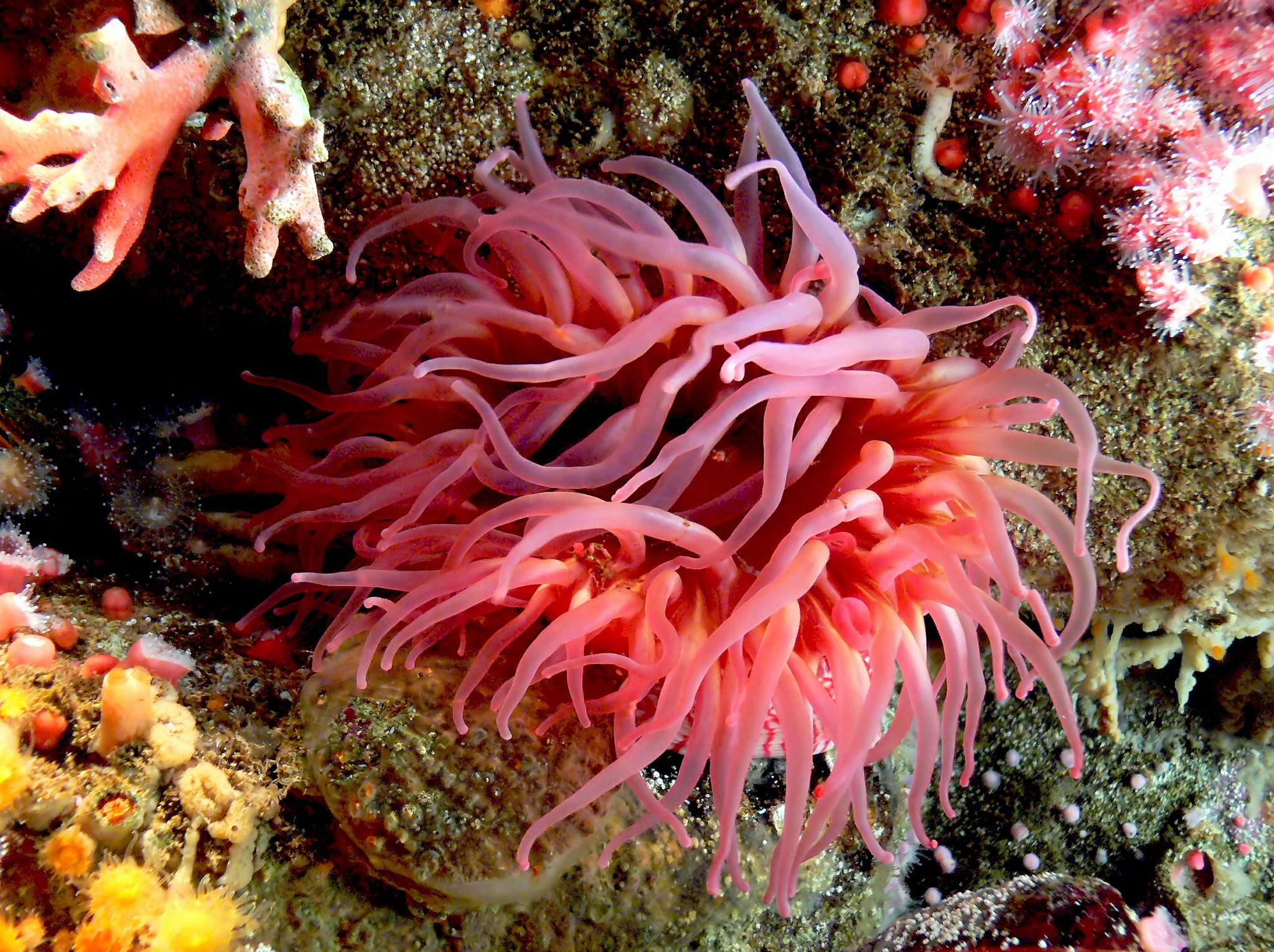
Taking “you are what you eat” to the next level, new research shows that the more a sea anemone eats, the more tentacles it grows.
Making Science Make Sense

Taking “you are what you eat” to the next level, new research shows that the more a sea anemone eats, the more tentacles it grows.
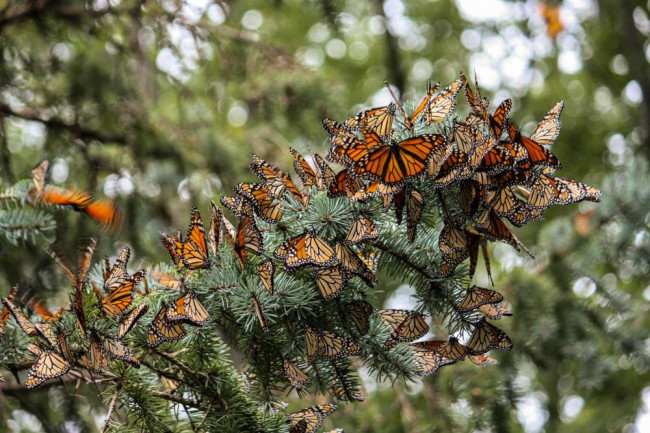
Monarch butterflies face an uncertain future. Their numbers have plummeted in recent decades. Here are some ways you can help.
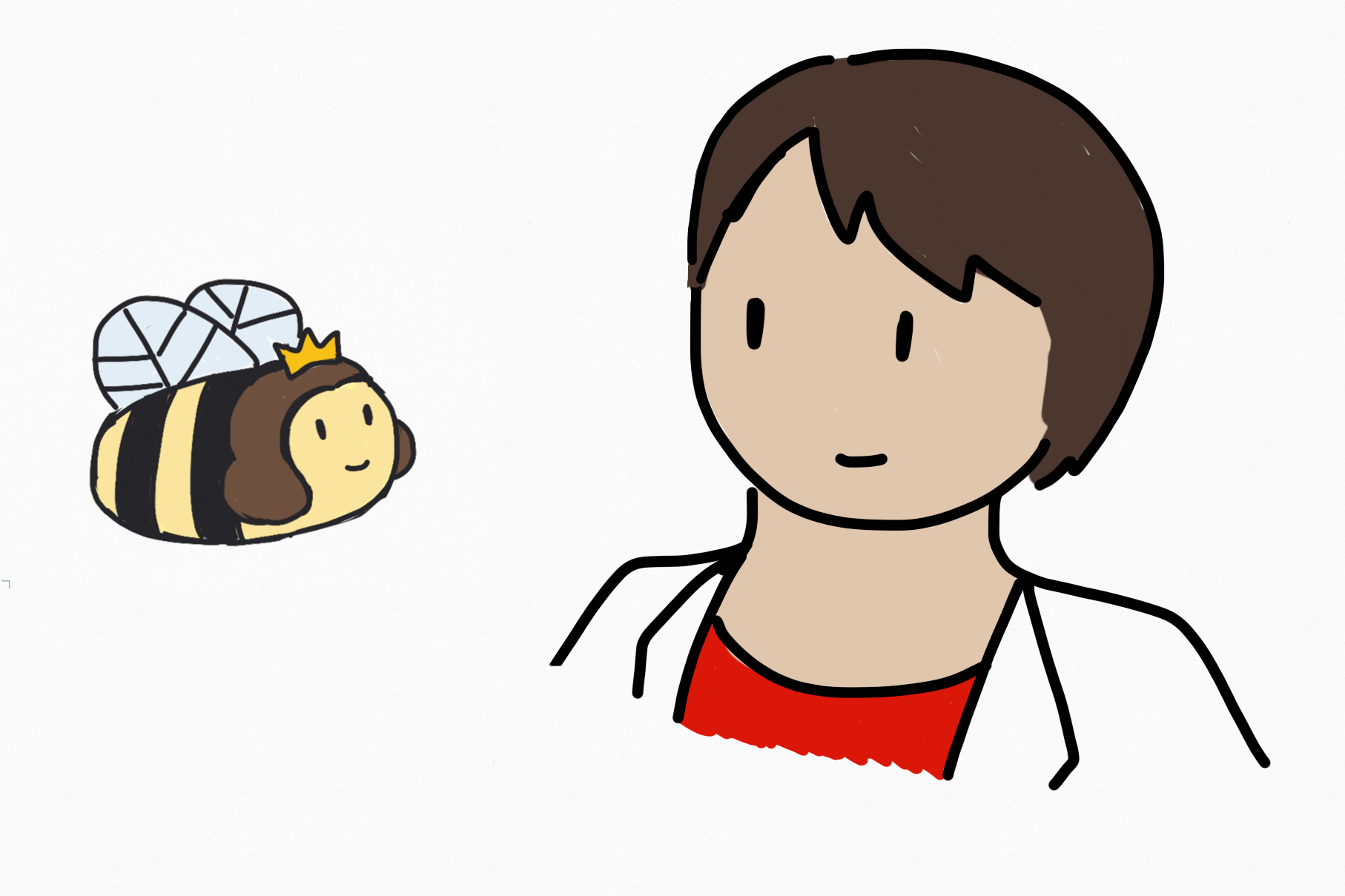
Queen bees produce different proteins when they are stressed, and this new discovery could change how we monitor hive conditions.
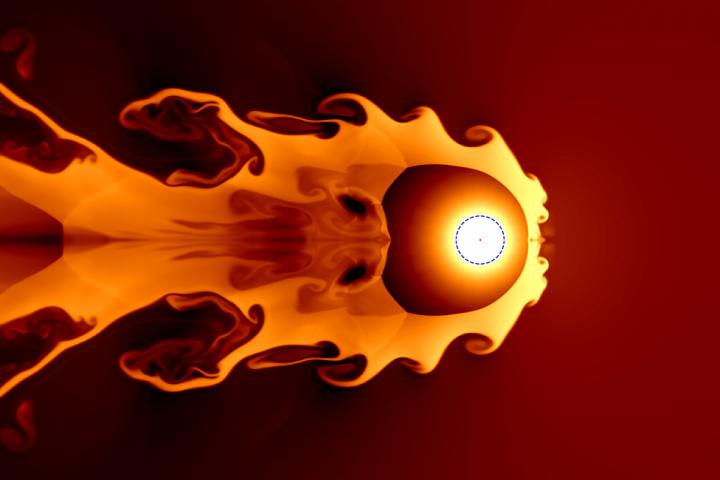
Researchers at the University of Illinois think supernova explosions triggered the end-Devonian mass extinction 359 million years ago.
While anticholinergics help manage many common medical conditions, they affect thinking and memory, possibly leading to Alzheimer’s disease.
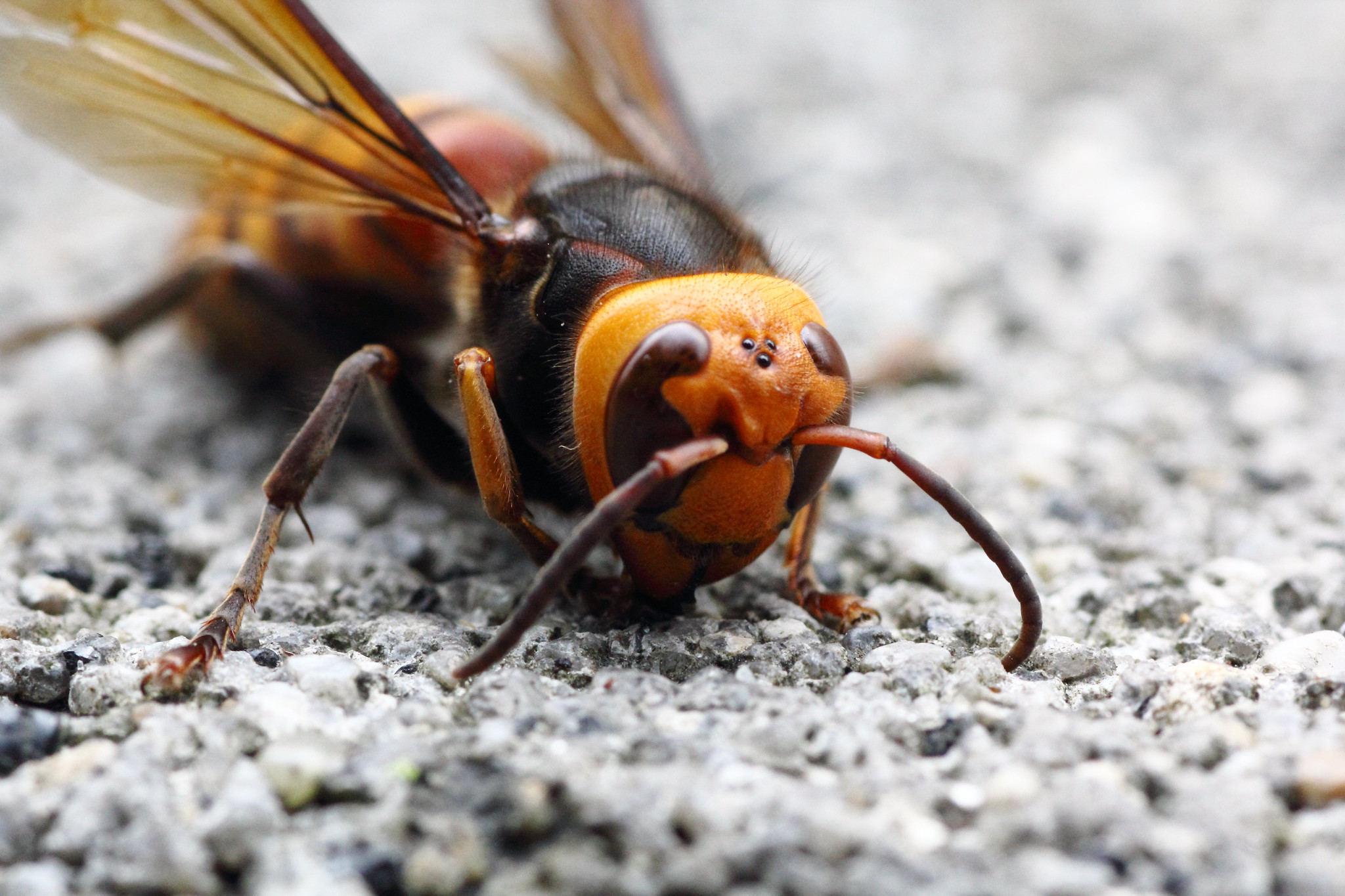
Asian giant hornets, sometimes called murder hornets, are the latest in a long line of recent threats to honey bees in North America.
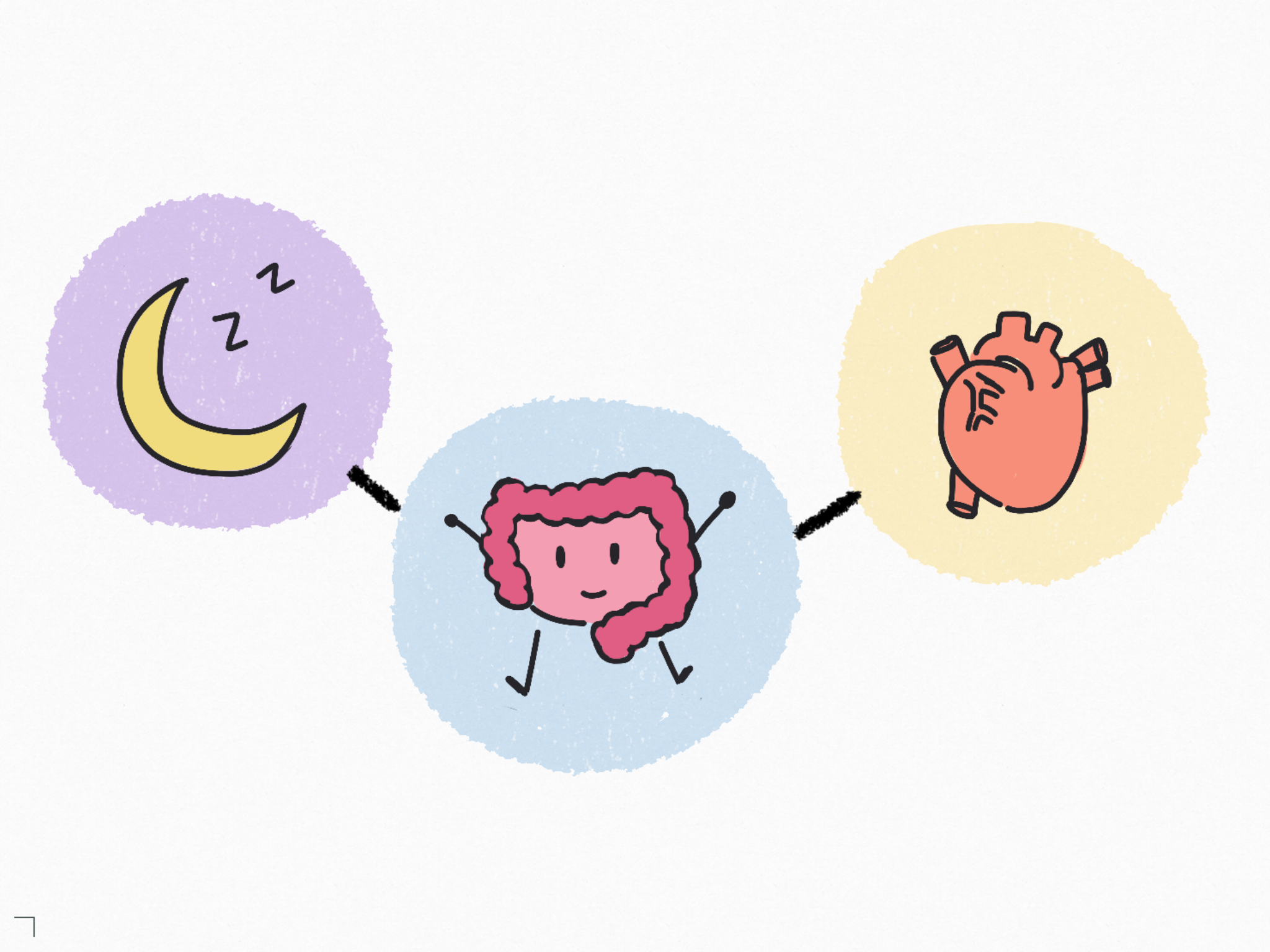
Poor sleep has been linked to high blood pressure, and a new study suggests it’s because disrupted sleep damages the gut microbiome.
Special proteins in your blood have been identified by researchers for their role in activating stem cells to develop into healthy blood cells.
Our eating habits are affected by the type of activities we engage in and the amount of attention they require, according to recent studies.
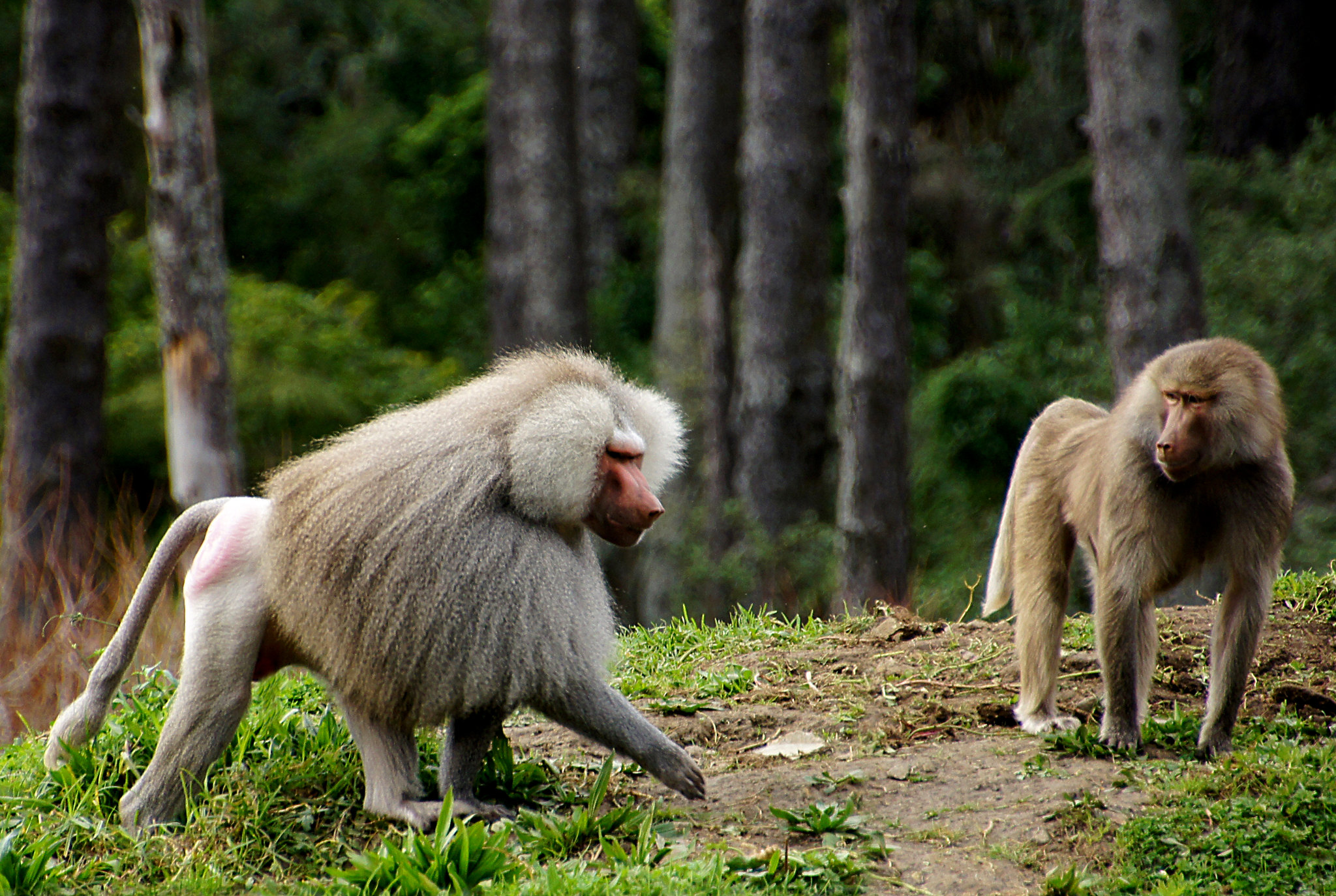
A new study suggests that many endangered and threatened species, particularly primates, could be susceptible to the novel coronavirus.