Track Four Emerging Climate Hazards
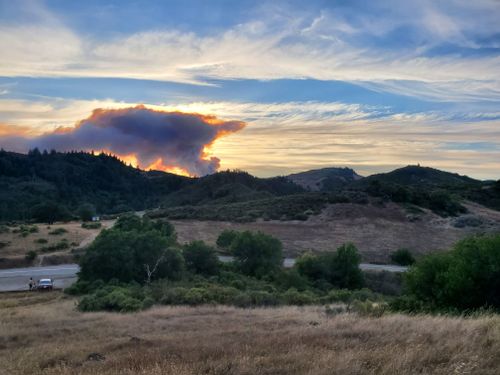
Use the power of citizen science to help researchers track emerging climate hazards that can impact your community.
Making Science Make Sense

Use the power of citizen science to help researchers track emerging climate hazards that can impact your community.
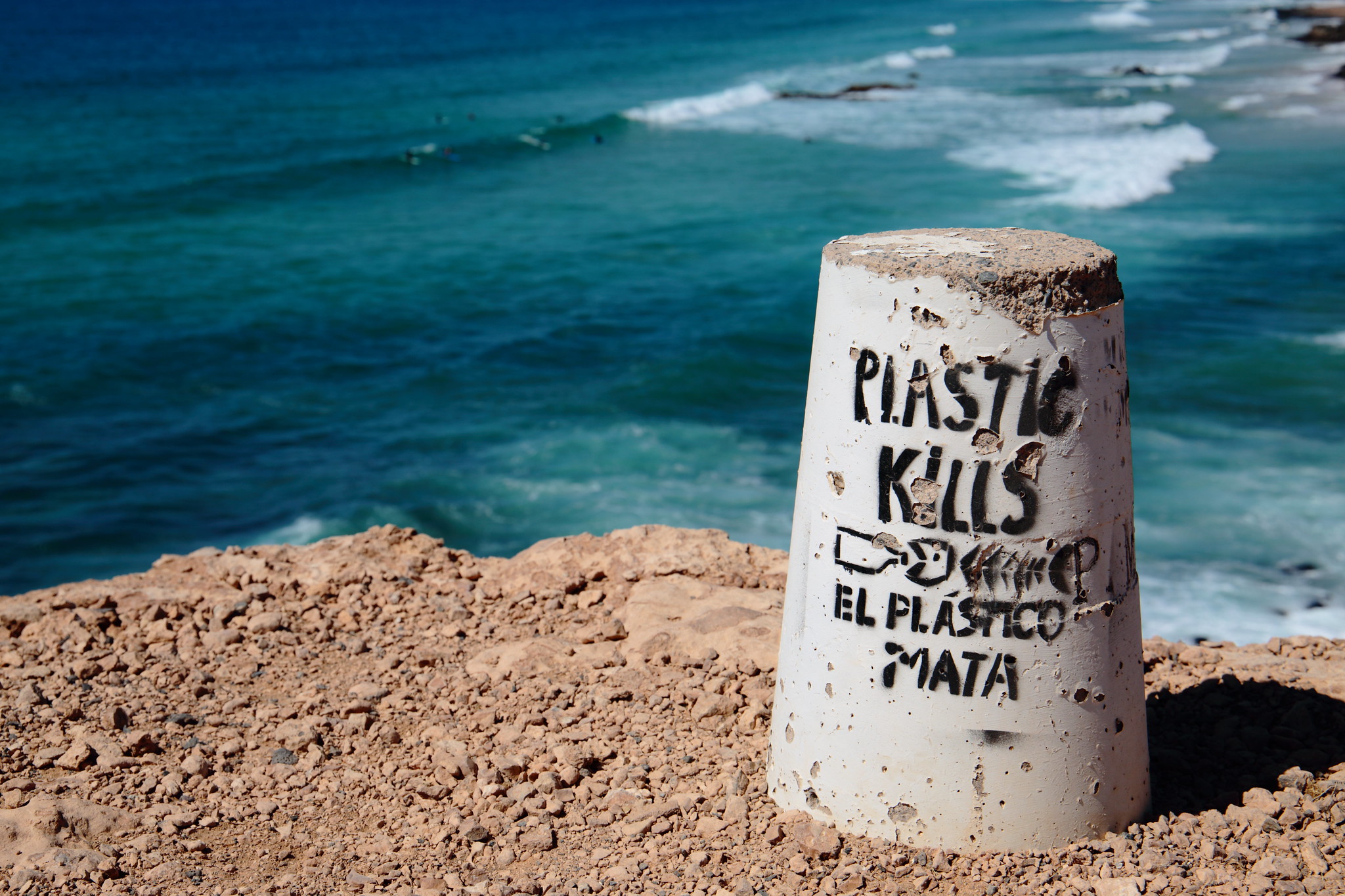
Ocean plastic is accumulating rapidly, but reducing plastic waste and improving surface cleanup technology can make a difference in the future.
Models suggest HPV tricks the immune system by producing a decoy viral protein to distract from its infectious viral proteins.
The need for good hygiene during the COVID-19 pandemic is highlighting the lack of access to clean water some communities are facing.
Americans are cooking and eating more family meals at home to stay safe and save money, but it might also curb the obesity epidemic.
A massive network of surfers and citizen scientists is monitoring water quality and water contamination in places governments don’t.
Loneliness is recognizable in brain maps that capture levels of closeness with others and feelings of similarity to or difference from others.
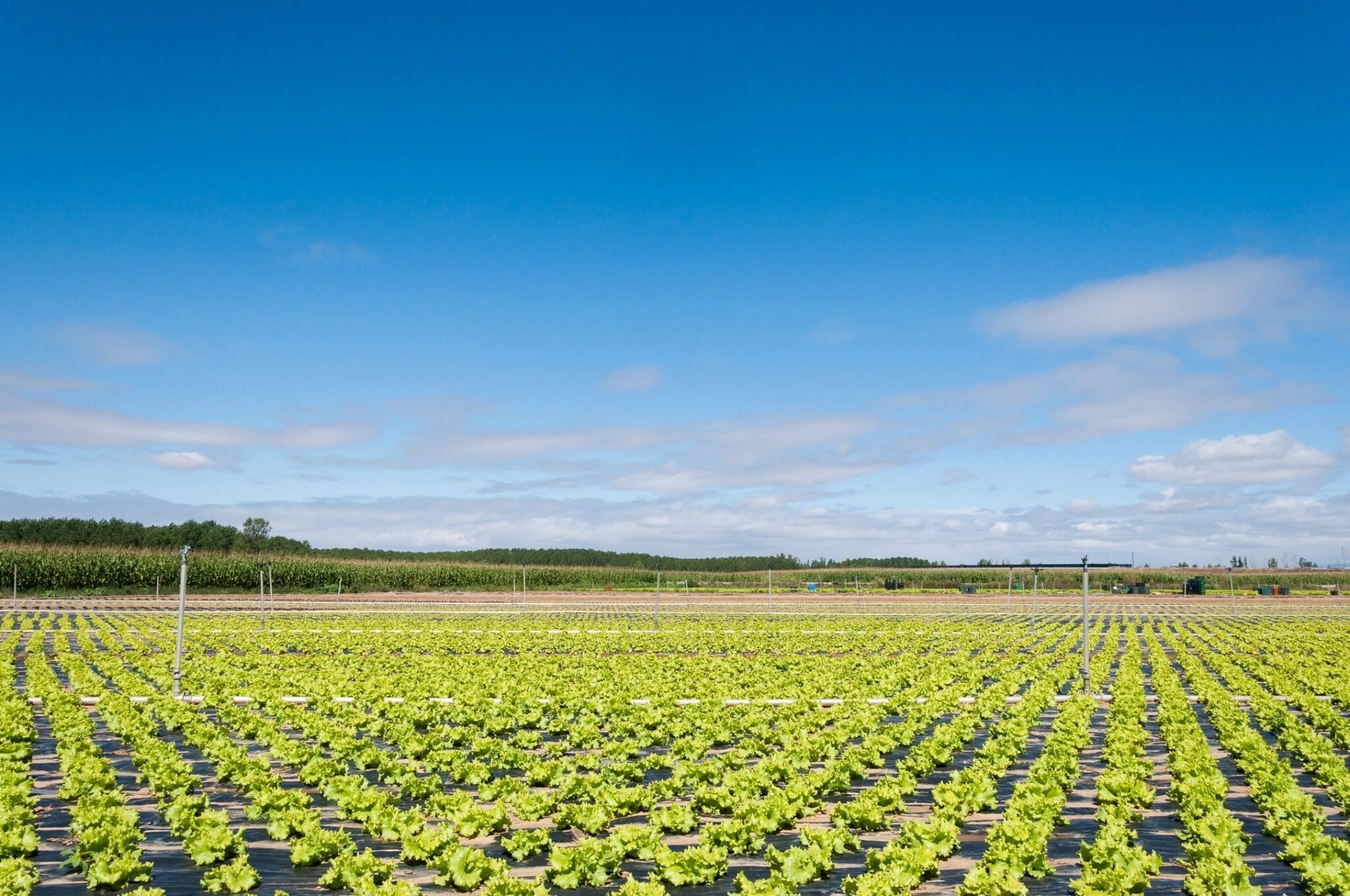
Irrigation with water from oil fields may be safe for a California water district’s crops if the water is diluted and boron-tolerant crops are grown.
Over 1.5 billion children can’t go to school right now. An online program from TED Education, The United Nations Environmental Programme, and other hopes to help by offering dozens of science “quests.”
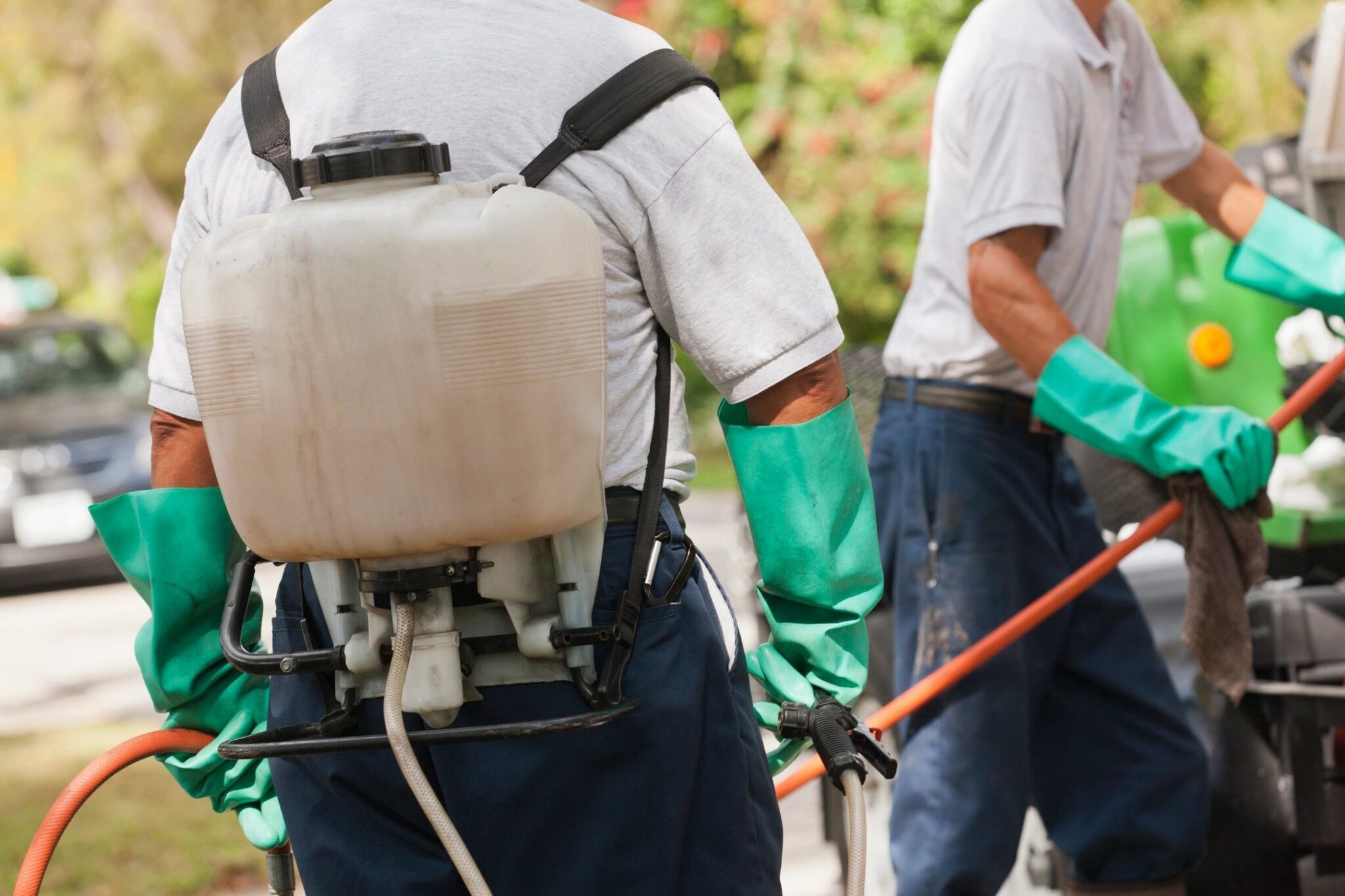
Hazards posed by pesticides to human health and the environment have long been a bone of contention, leaving people confused and in need of clear guidelines.