Skip to content

Science Connected Magazine

Making Science Make Sense

Bigyapaan Image
  • About
    • FAQ
    • Science Connected
    • Writers
    • Advisors
    • Policy on AI Use
    • Practice SciComm
    • Submission Guidelines
    • Permissions
    • Contact
  • Subjects
    • Science and Art
    • Life Sciences and Biomedicine
      • Anthropology
      • Biodiversity and Conservation
      • Biology
      • Botany
      • Citizen Science
      • Neuroscience
      • Ecology
      • Environment
        • Climate Change
        • Sustainable Living
      • Genetics and Heredity
      • Health
        • COVID-19
      • Marine and Freshwater Biology
      • Paleontology
      • Zoology
        • Ornithology
    • Physical Sciences
      • Astronomy and Astrophysics
      • Chemistry
      • Geology
      • Mathematics
      • Oceanography
      • Physics
    • Social Sciences
      • Archaeology
      • Language and Linguistics
      • Psychology
      • Science Policy
        • Science Debate Series
    • Technology
      • Computer Science
      • Engineering
      • New Technologies
    • Opinions and Editorials
  • Blogs
    • The SciStarter Blog
    • There Be Dragons Everywhere
  • Videos
    • It’s Ok to Be Smart
    • PBS Eons
    • Science With Sophie
    • Shelf Life from AMNH
    • Cat Behavior with Simon’s Cat Logic
  • STEM Education
    • FREE RESOURCES
    • Book Catalog
    • For Grades 7-12
    • For Grades K-6
    • iBiome Games
    • Book Recommendations
    • Get to Know a Scientist
  • Bookstore
  • Swag Shop
  • DONATE
  • Volunteer
  • Subscribe

Category: Life Sciences and Biomedicine

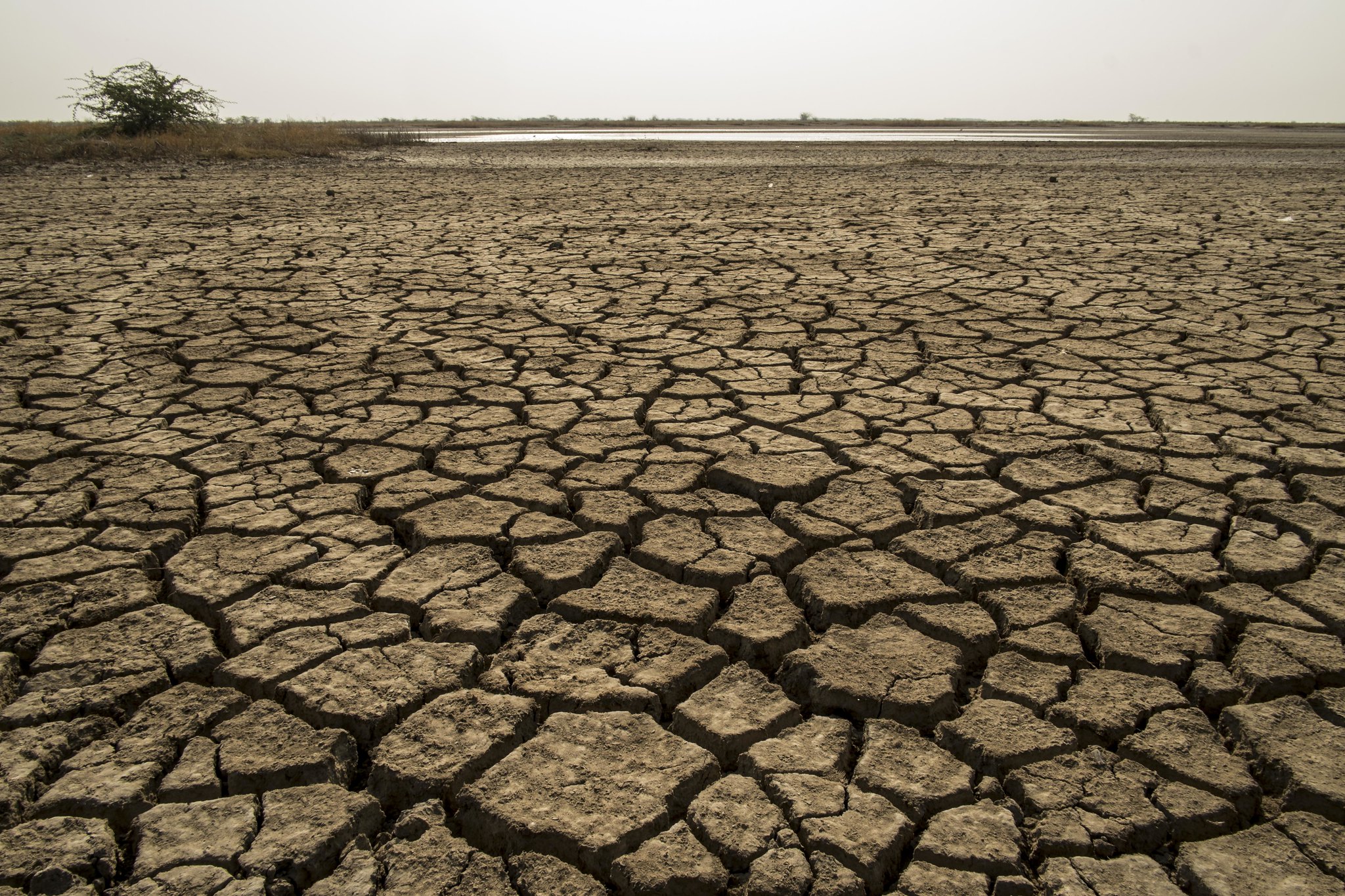
Climate Change: Hot and Dry for Some
Climate Change Environment

Climate Change: Hot and Dry for Some

November 4, 2020November 2, 2020

Climate change is here and it’s not good. The very near future promises to be hotter and dryer in some places. Find out what the numbers really mean.

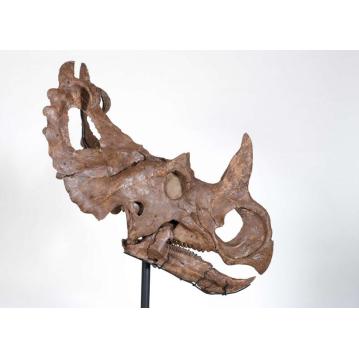
The Case of Malignant Cancer in a Dinosaur
Biology Health Paleontology

The Case of Malignant Cancer in a Dinosaur

November 2, 2020April 7, 2021

Did cancer kill the dinosaurs? A deformed dinosaur bone has given a glimpse of life as a 77-million-year-old cancer “survivor.”

Vaping Injury Caused By Heating Element
Health

Vaping Injury Caused By Heating Element

October 28, 2020October 22, 2020

While some thought lung damage from vaping was caused by THC, nicotine, or vitamin E oil, the culprit might be the heating element.

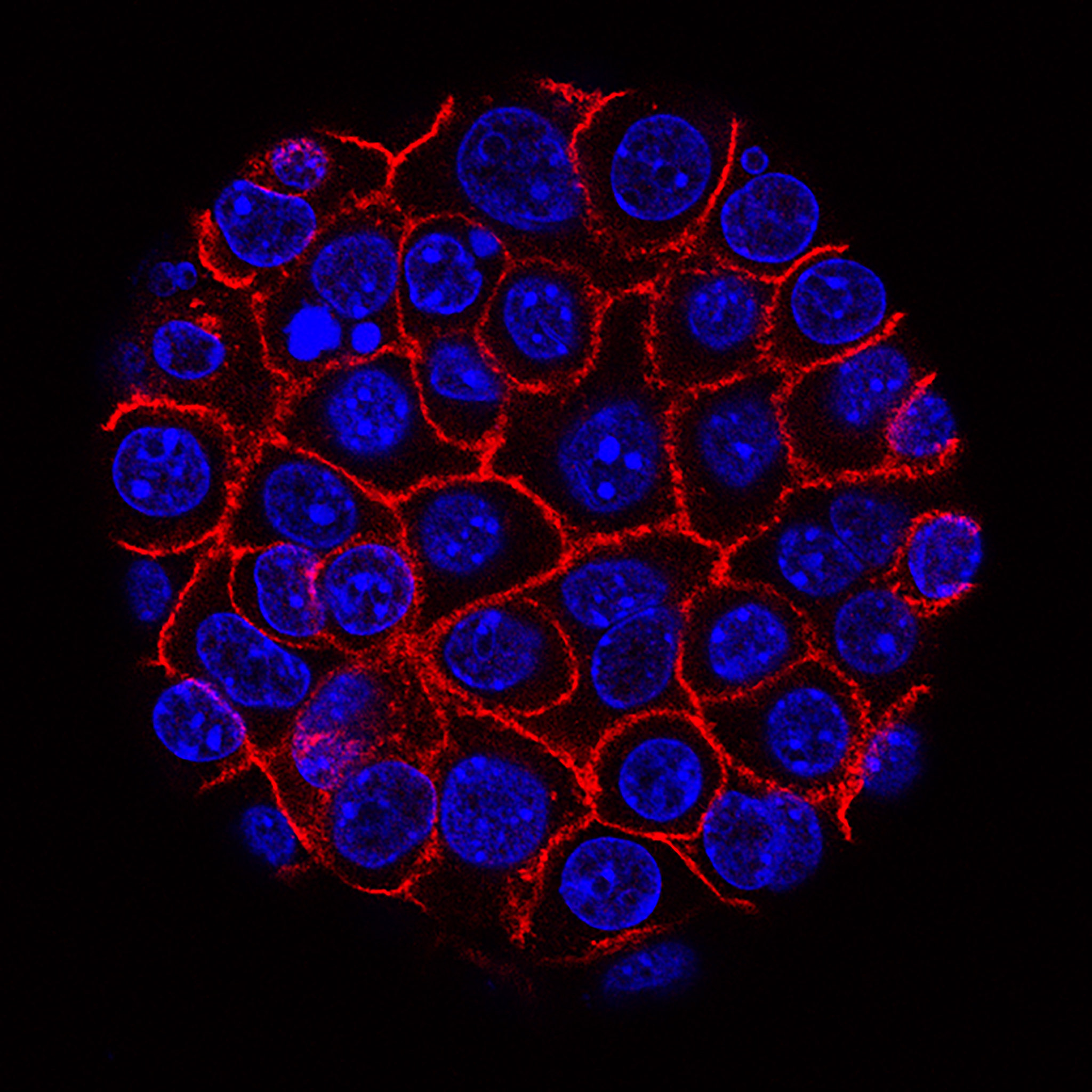
Killing Cancer From the Inside
Health

Killing Cancer From the Inside

October 26, 2020November 17, 2025

Scientists have found a new way to defeat cancer by killing cancer cells without harming the patient.

Women Endangered by Male Bias in Clinical Trials
Biology Health

Women Endangered by Male Bias in Clinical Trials

October 21, 2020February 9, 2021

Medications are still formulated with a male bias, but new awareness of how different bodies process drugs could lead to safer dosages for women.

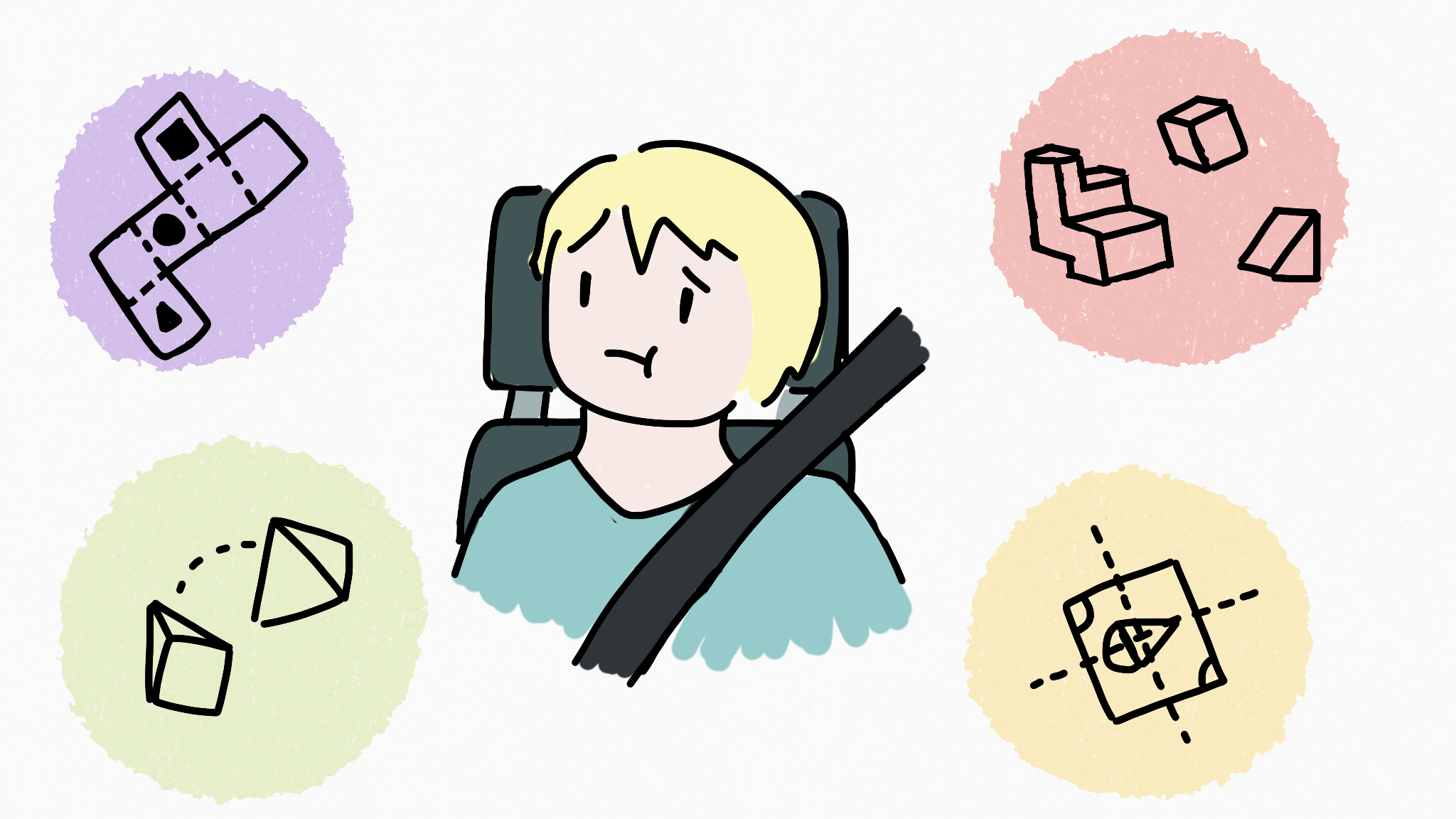
Brain Games Relieve Motion Sickness
Biology Health

Brain Games Relieve Motion Sickness

October 14, 2020November 17, 2025

New research suggests that doing brain training exercises to improve visuospatial skills could help reduce motion sickness.

Sea Anemone: More Food, More Tentacles
Marine and Freshwater Biology Zoology

Sea Anemone: More Food, More Tentacles

October 12, 2020April 5, 2021

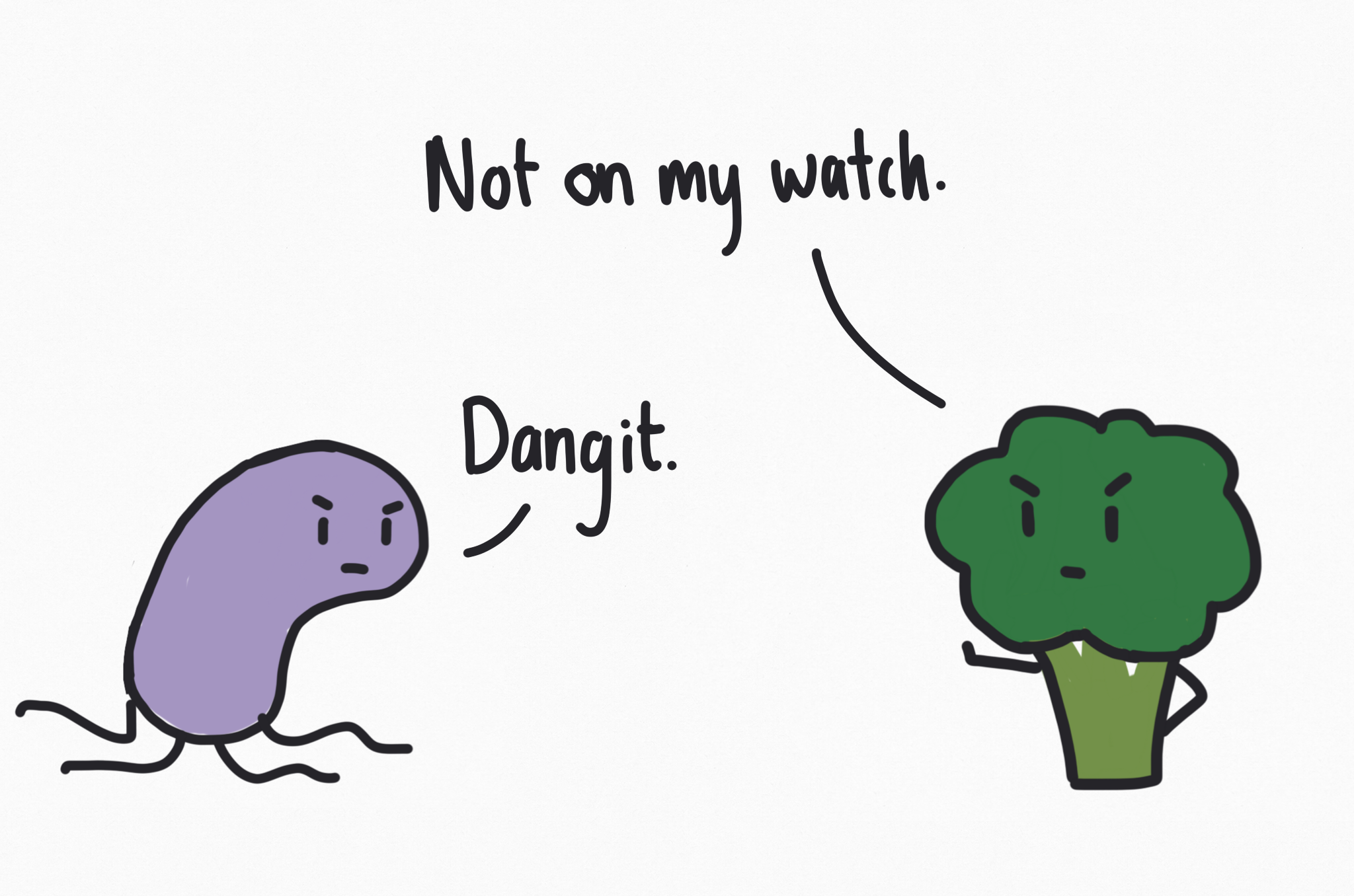
Taking “you are what you eat” to the next level, new research shows that the more a sea anemone eats, the more tentacles it grows.

3 Ways to Help Save Monarch Butterflies
Citizen Science Environment SciStarter Blog

3 Ways to Help Save Monarch Butterflies

October 2, 2020September 23, 2020

Monarch butterflies face an uncertain future. Their numbers have plummeted in recent decades. Here are some ways you can help.

Relaxed Queen Bees Have More Offspring
Botany Environment Zoology

Relaxed Queen Bees Have More Offspring

September 30, 2020December 13, 2022

Queen bees produce different proteins when they are stressed, and this new discovery could change how we monitor hive conditions.

Did exploding stars cause this mass extinction?
Astronomy and Astrophysics Biodiversity and Conservation Biology

Did exploding stars cause this mass extinction?

September 28, 2020April 7, 2021

Researchers at the University of Illinois think supernova explosions triggered the end-Devonian mass extinction 359 million years ago.

Posts navigation

Older posts
Newer posts
  • LinkedIn
  • Bluesky
  • Instagram
  • Facebook
  • X
  • Mail
subscribe to Science Connected Digest Weekly

Make a Donation

Science Connected Magazine is an editorially independent, non-profit newsroom producing open-access science journalism.

Contact

Terms of Use

Privacy Policy

Style Guide

ScienceConnected.Org

Copyright © 2025 Science Connected, All Rights Reserved | Ace News by Ascendoor | Powered by WordPress.