Skip to content

Science Connected Magazine

Making Science Make Sense

Bigyapaan Image
  • About
    • FAQ
    • Science Connected
    • Writers
    • Advisors
    • Policy on AI Use
    • Practice SciComm
    • Submission Guidelines
    • Permissions
    • Contact
  • Subjects
    • Science and Art
    • Life Sciences and Biomedicine
      • Anthropology
      • Biodiversity and Conservation
      • Biology
      • Botany
      • Citizen Science
      • Neuroscience
      • Ecology
      • Environment
        • Climate Change
        • Sustainable Living
      • Genetics and Heredity
      • Health
        • COVID-19
      • Marine and Freshwater Biology
      • Paleontology
      • Zoology
        • Ornithology
    • Physical Sciences
      • Astronomy and Astrophysics
      • Chemistry
      • Geology
      • Mathematics
      • Oceanography
      • Physics
    • Social Sciences
      • Archaeology
      • Language and Linguistics
      • Psychology
      • Science Policy
        • Science Debate Series
    • Technology
      • Computer Science
      • Engineering
      • New Technologies
    • Opinions and Editorials
  • Blogs
    • The SciStarter Blog
    • There Be Dragons Everywhere
  • Videos
    • It’s Ok to Be Smart
    • PBS Eons
    • Science With Sophie
    • Shelf Life from AMNH
    • Cat Behavior with Simon’s Cat Logic
  • STEM Education
    • FREE RESOURCES
    • Book Catalog
    • For Grades 7-12
    • For Grades K-6
    • iBiome Games
    • Book Recommendations
    • Get to Know a Scientist
  • Bookstore
  • Swag Shop
  • DONATE
  • Volunteer
  • Subscribe

Category: Biology

Get to Know a Scientist: Biologist Dr. Jamie Newman
Biology Get to Know a Scientist

Get to Know a Scientist: Biologist Dr. Jamie Newman

September 9, 2022November 17, 2025

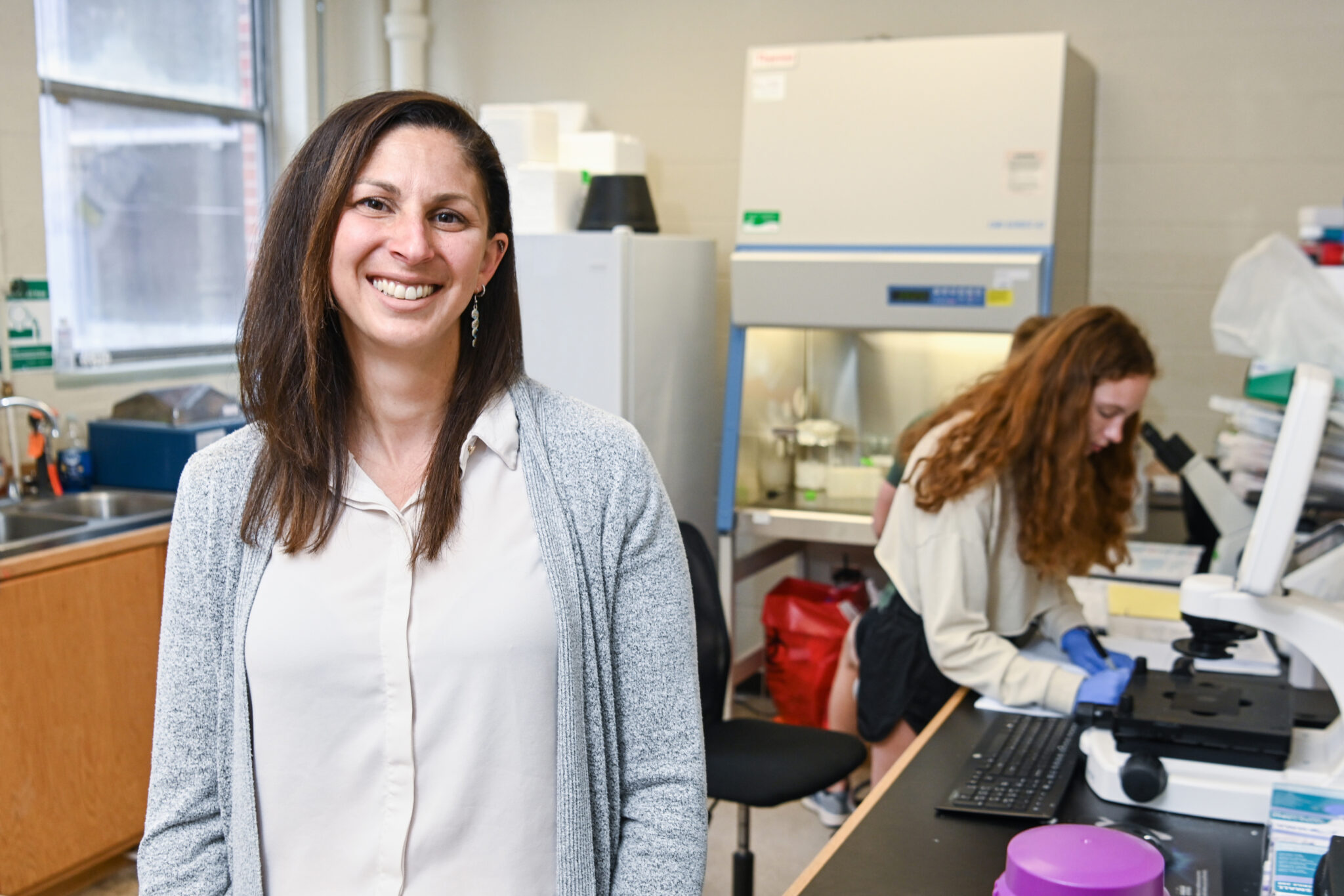
A biologist studies living things: how their internal processes work, how they evolved, how they relate to their environment, and more! Introducing Dr. Jamie Newman, who tells us about herself and her career.
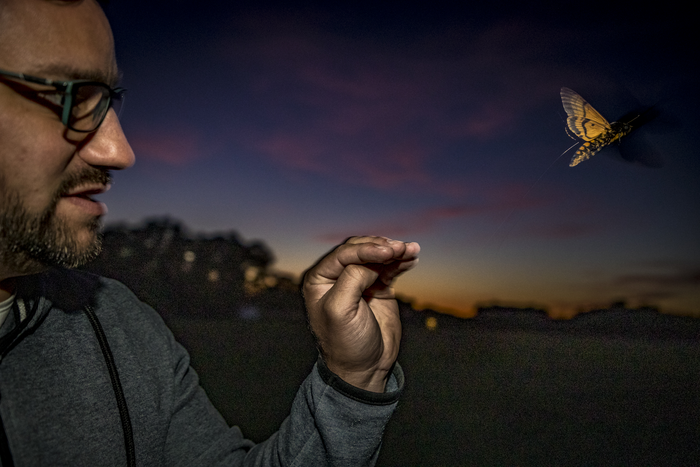
Moths Know Where to Go: A Look at Moth Migration
Biology Zoology

Moths Know Where to Go: A Look at Moth Migration

August 31, 2022April 29, 2024

Moth migration may be guided by an internal compass to find the way, according to a new study that tracked flight paths of individual moths.

A Fly Cruises the Smell Arena  for Science
Biology Zoology

A Fly Cruises the Smell Arena  for Science

July 4, 2022August 8, 2023

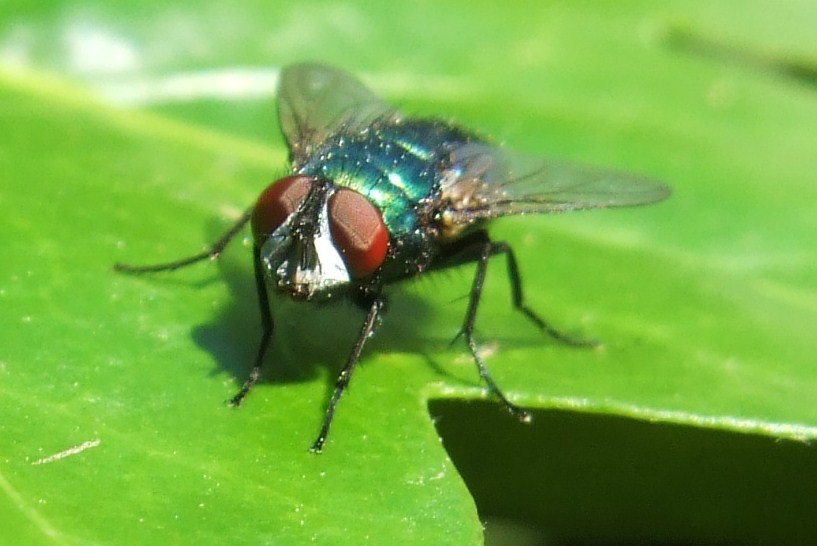
Have you ever wondered how you brain interprets smells? How about how the the brain of a tiny fruit fly interprets smells? Wonder no longer!

The neurobiology of anorexia
Biology Neuroscience

The neurobiology of anorexia

June 27, 2022June 27, 2022

Anorexia’s connection to dopamine and serotonin is the focus of a new study on how brain signals affect eating behaviors.

Can You Smell Handshakes?
Archaeology Biology Neuroscience

Can You Smell Handshakes?

May 30, 2022August 8, 2023

Why do people shake hands? A Weizmann Institute study suggests one of the reasons for handshakes may be to discretely sniff each other.

Why Are Eggshells So Strong?
Biology Zoology

Why Are Eggshells So Strong?

April 18, 2022April 18, 2022

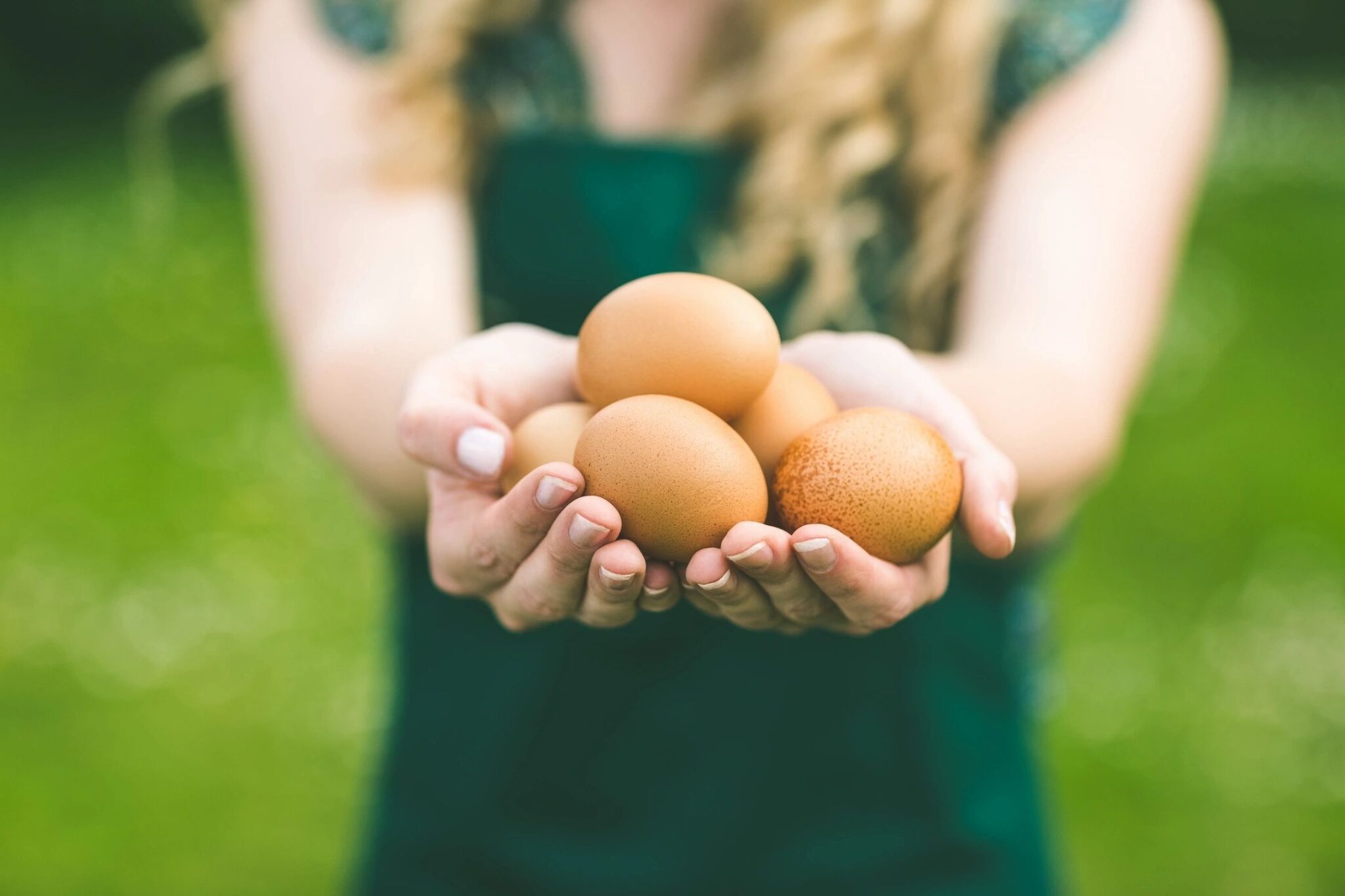
For millions of years, birds have been evolving to make the perfect eggshell. But how are eggshells so strong, and yet still breakable?

Plant Bacteria Thrive in Wet Weather
Biology Botany

Plant Bacteria Thrive in Wet Weather

March 30, 2022May 3, 2024

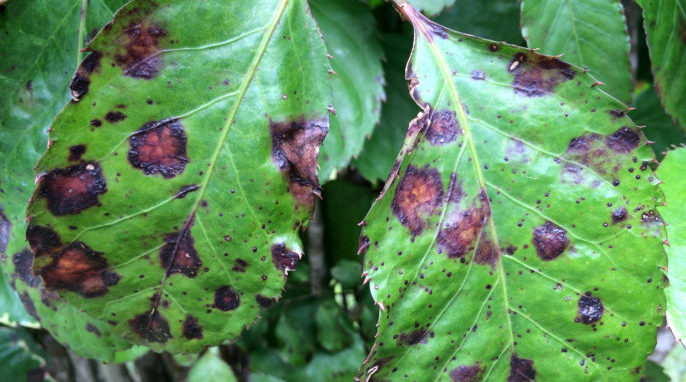
Plants need water to grow, but too much water creates a perfect environment for plant bacteria, viruses, and fungi to…

Meet a Biophysicist: Dr. Dinesh Medipally
Biology Genetics and Heredity Get to Know a Scientist

Meet a Biophysicist: Dr. Dinesh Medipally

March 21, 2022March 22, 2022

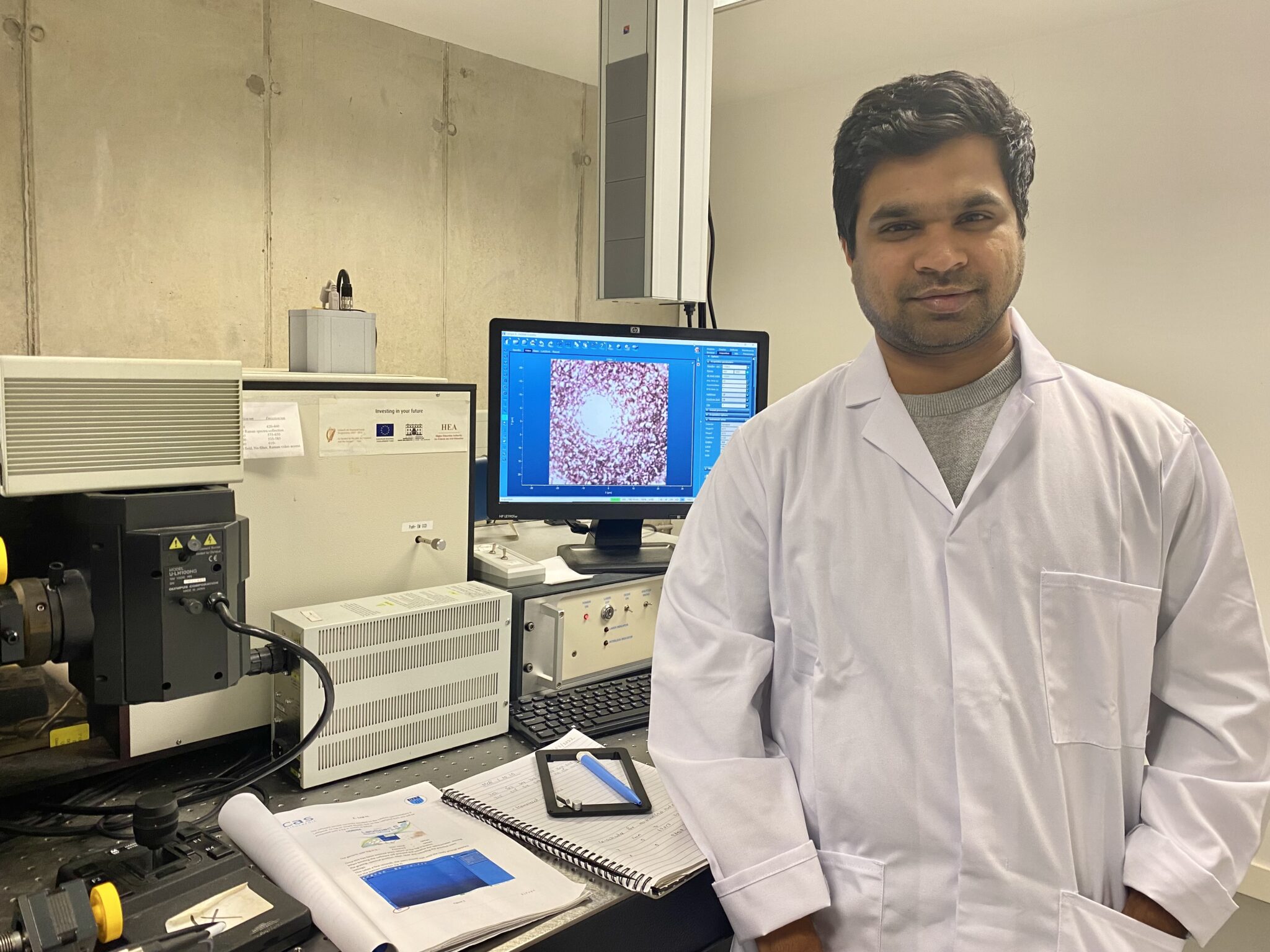
A biophysicist studies chemical and physical principles of living things and of biological processes, such as cell development and disease.

The Cancerous Relationship Between Tumors and Grief
Biology Health

The Cancerous Relationship Between Tumors and Grief

December 14, 2021April 29, 2024

Grief hurts. Losing a friend, partner, or family member is hard and can cause emotional distress. New research suggests that this loss may make cancer worse.

Using a protein to reverse skeletal muscle aging
Biology

Using a protein to reverse skeletal muscle aging

October 5, 2021October 28, 2024

Scientists have discovered that the over-expression of a protein, NANOG, can lead to the reversal of aging in skeletal muscle cells.

Posts navigation

Older posts
Newer posts
  • LinkedIn
  • Bluesky
  • Instagram
  • Facebook
  • X
  • Mail
subscribe to Science Connected Digest Weekly

Make a Donation

Science Connected Magazine is an editorially independent, non-profit newsroom producing open-access science journalism.

Contact

Terms of Use

Privacy Policy

Style Guide

ScienceConnected.Org

Copyright © 2025 Science Connected, All Rights Reserved | Ace News by Ascendoor | Powered by WordPress.