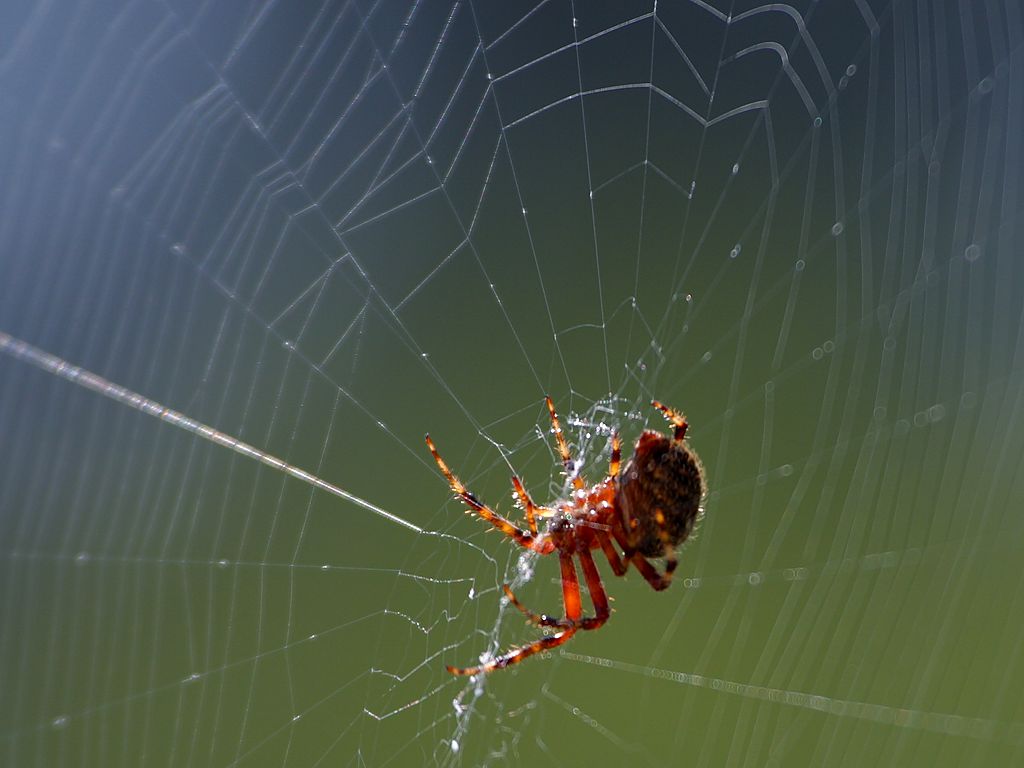
How Do Spiders Weave Perfect Webs?
The webs of spiders come in many shapes and serve many functions, like helping them hunt prey and hide from predators.
Making Science Make Sense

The webs of spiders come in many shapes and serve many functions, like helping them hunt prey and hide from predators.
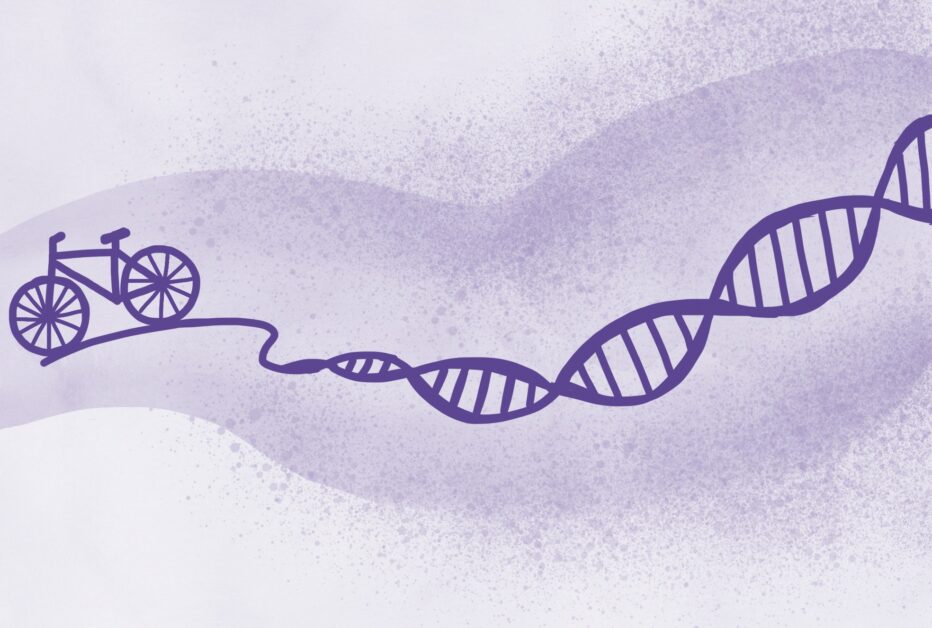
Genes can be expressed in different ways, and new research suggests that exercise has a positive impact on gene expression and your health.
The body’s community of gut fungi, called the mycobiome, has a big influence on metabolic health, and changes in diet can throw it out of whack.
Scientists have crafted a cancer-fighting Trojan horse by making folded DNA and filling the tiny pockets with anti-cancer drugs.
A taste-signaling protein found in the tongue and pancreas provides a way to design healthier sugar substitutes and new diabetes medications.
Neurons send visual information to the brain, but just how it gets processed is a complexity that researchers are getting closer to understanding.
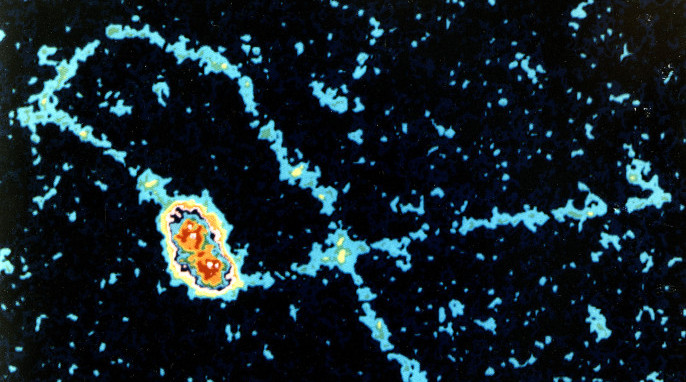
Research into the evolution of giant viruses is helping scientists to understand and harness the viruses for innovative medical nanotechnology.
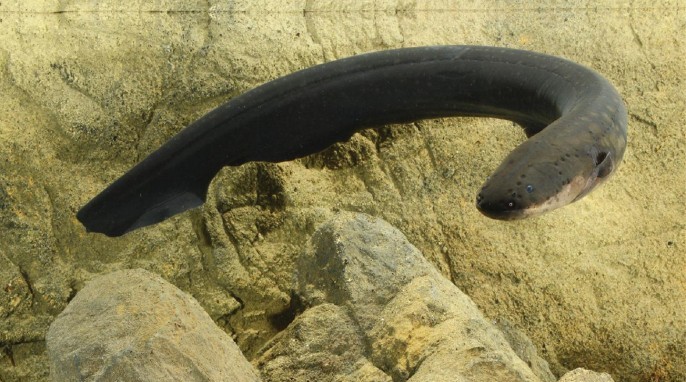
The electric eel is an Amazonian fish that can deliver an electrical jolt strong enough to stun a horse, using an electroshock system similar to a Taser.
Scientists in Munich have examined the network in our brains that enables us to use tools, and the findings might help stroke victims.
Are you a loner or a lonely fish? Social isolation in zebrafish led to anxiety when reintroduced to society, mirroring how many humans feel after lockdown.