Skip to content

Science Connected Magazine

Making Science Make Sense

Bigyapaan Image
  • About
    • FAQ
    • Science Connected
    • Writers
    • Advisors
    • Policy on AI Use
    • Practice SciComm
    • Submission Guidelines
    • Permissions
    • Contact
  • Subjects
    • Science and Art
    • Life Sciences and Biomedicine
      • Anthropology
      • Biodiversity and Conservation
      • Biology
      • Botany
      • Citizen Science
      • Neuroscience
      • Ecology
      • Environment
        • Climate Change
        • Sustainable Living
      • Genetics and Heredity
      • Health
        • COVID-19
      • Marine and Freshwater Biology
      • Paleontology
      • Zoology
        • Ornithology
    • Physical Sciences
      • Astronomy and Astrophysics
      • Chemistry
      • Geology
      • Mathematics
      • Oceanography
      • Physics
    • Social Sciences
      • Archaeology
      • Language and Linguistics
      • Psychology
      • Science Policy
        • Science Debate Series
    • Technology
      • Computer Science
      • Engineering
      • New Technologies
    • Opinions and Editorials
  • Blogs
    • The SciStarter Blog
    • There Be Dragons Everywhere
  • Videos
    • It’s Ok to Be Smart
    • PBS Eons
    • Science With Sophie
    • Shelf Life from AMNH
    • Cat Behavior with Simon’s Cat Logic
  • STEM Education
    • FREE RESOURCES
    • Book Catalog
    • For Grades 7-12
    • For Grades K-6
    • iBiome Games
    • Book Recommendations
    • Get to Know a Scientist
  • Bookstore
  • Swag Shop
  • DONATE
  • Volunteer
  • Subscribe

Category: Biology

Neoteny: Why Disney Princesses Look Like Babies
Biology Science and Art Science Videos STEM Education

Neoteny: Why Disney Princesses Look Like Babies

August 21, 2018October 14, 2024

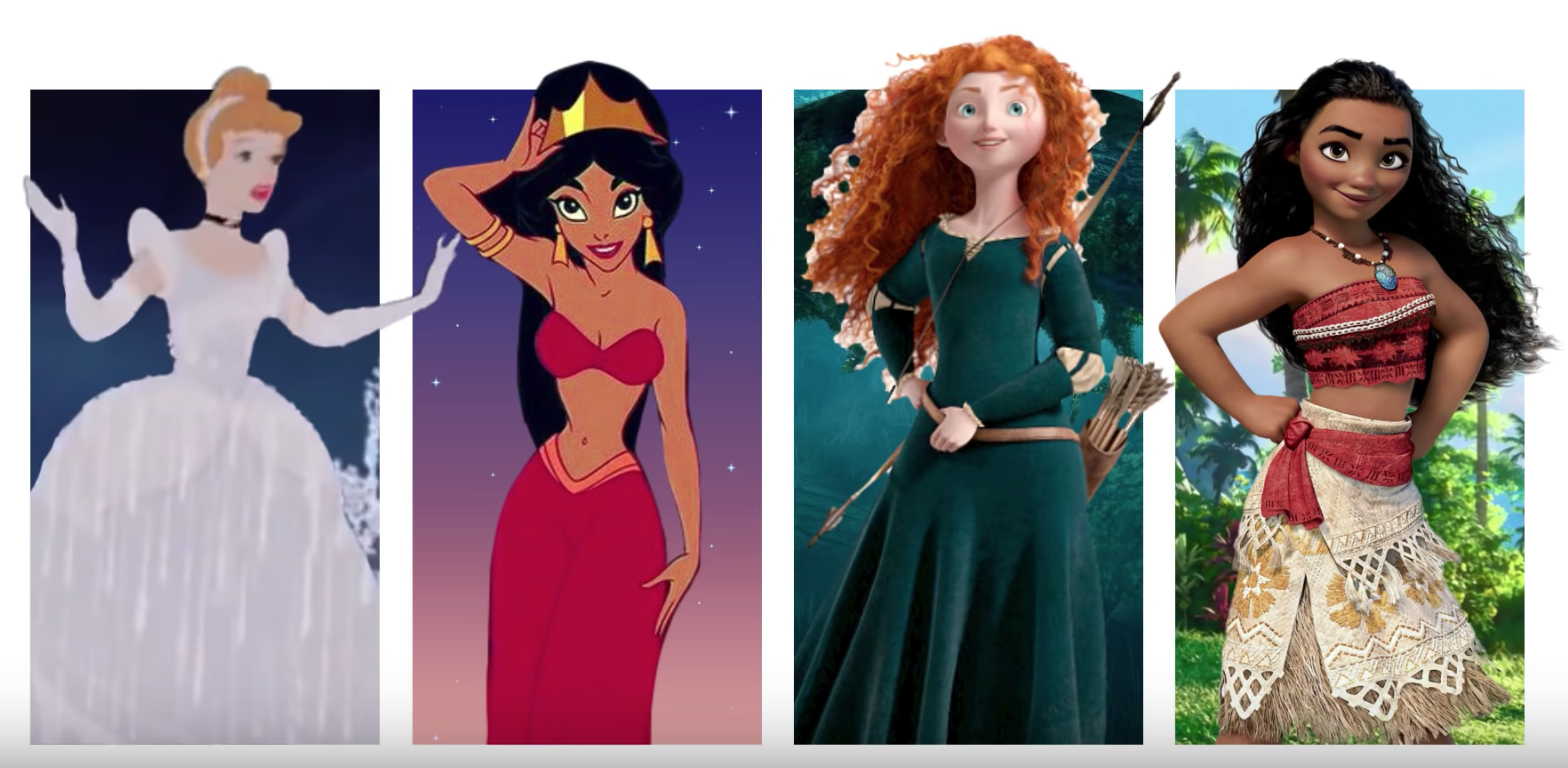
Neoteny, Evolution, and Disney Our friend Dr. Joe Hanson from It’s Okay to Be Smart (PBS Digital Studios) goes full…

Science with Sophie: Tears and Snot
Biology Chemistry Health Science Videos STEM Education

Science with Sophie: Tears and Snot

August 2, 2018March 25, 2019

To do the science experiment with Sophie, you’ll need: Borax (find it in the laundry aisle of a grocery store)…

Interactive Educational Games: Explore Oceans, Wetlands
Biology Environment STEM Education

Interactive Educational Games: Explore Oceans, Wetlands

May 10, 2018March 24, 2021

Interactive educational games for students. Learn about any aquatic environment, oceans, the Everglades. Discounts available for our readers.

Ebola Prevention in Development
Biology Health

Ebola Prevention in Development

May 8, 2018April 17, 2022

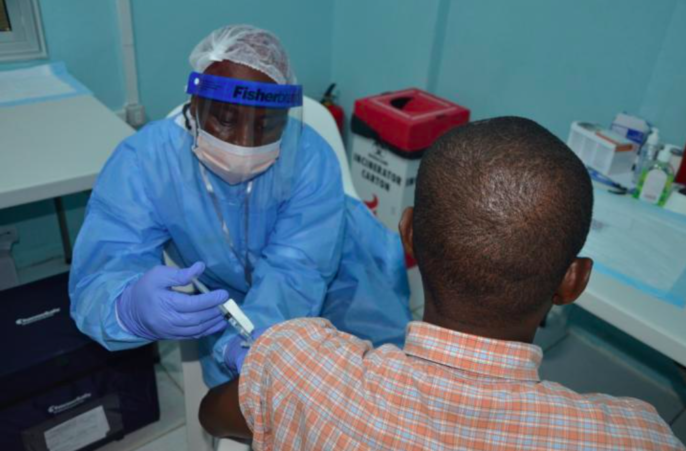
The Ebola outbreak spanning from 2014 until 2016 was one of the longest and largest outbreaks in recent history. Have researchers finally found a vaccine?

When There Were Squid Shells
Biology Marine and Freshwater Biology Science Videos Zoology

When There Were Squid Shells

April 24, 2018May 2, 2021

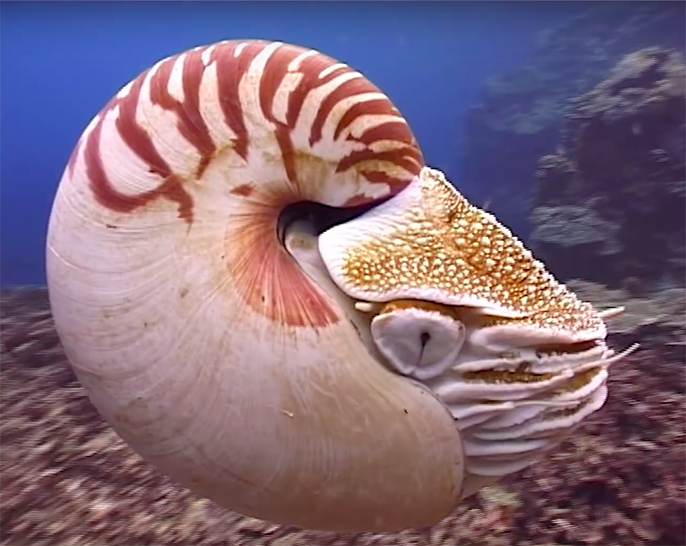
Ancient squid had shells, but now they don’t. How did that happen and why? Find out in this video about squid shells, from PBS Eons.

Fire Management in California’s Chaparral Harms Birds
Biology Environment Zoology

Fire Management in California’s Chaparral Harms Birds

April 2, 2018March 31, 2021

A fire management practice known as mastication, or mechanically crushing vegetation to prevent forest fires, threatens bird communities.

Why Do Humans Have Thumbs and Not Fins?
Biology Paleontology Science Videos STEM Education

Why Do Humans Have Thumbs and Not Fins?

February 1, 2018September 3, 2024

Did you know we can trace the evolution of our hands, and thumbs, back to a 375 million-year-old fish called…

Is Climate Change Causing These Moose to Shrink?
Biology Environment

Is Climate Change Causing These Moose to Shrink?

January 9, 2018April 3, 2021

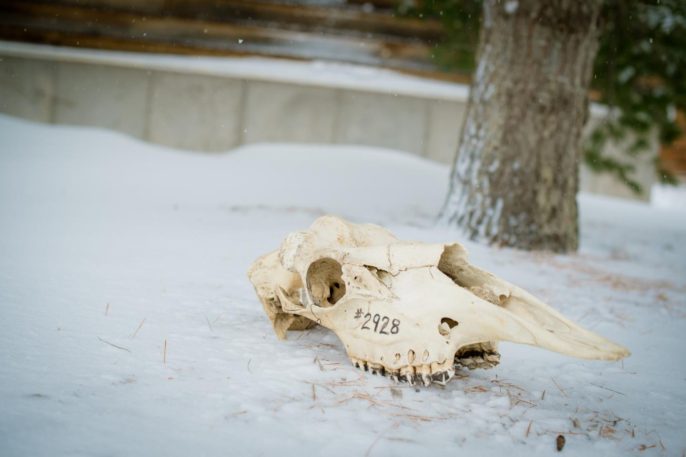
A 60-year-long study reveals that climate change is causing moose to shrink and changing the dynamics between the moose and…

Bioelectronic “Nose” Sniffs Out Rotten Food
Biology Engineering

Bioelectronic “Nose” Sniffs Out Rotten Food

December 26, 2017April 1, 2021

Does that food smell rotten? Researchers have developed a way to detect rotten food odors that are too faint for…

New Ways to Reduce Antibiotics in Food Animals by 2030
Biology Health Zoology

New Ways to Reduce Antibiotics in Food Animals by 2030

October 31, 2017February 23, 2026

Overuse of antibiotics in animal farming is leading us to a post-antibiotic era. With these three measures, we can limit their use and the spread of resistance.
Posts navigation

Older posts
Newer posts
  • LinkedIn
  • Bluesky
  • Instagram
  • Facebook
  • X
  • Mail
subscribe to Science Connected Digest Weekly

Make a Donation

Science Connected Magazine is an editorially independent, non-profit newsroom producing open-access science journalism.

Contact

Terms of Use

Privacy Policy

Style Guide

ScienceConnected.Org

Copyright © 2025 Science Connected, All Rights Reserved | Ace News by Ascendoor | Powered by WordPress.