The Impact of Agricultural Pesticides Is Underestimated
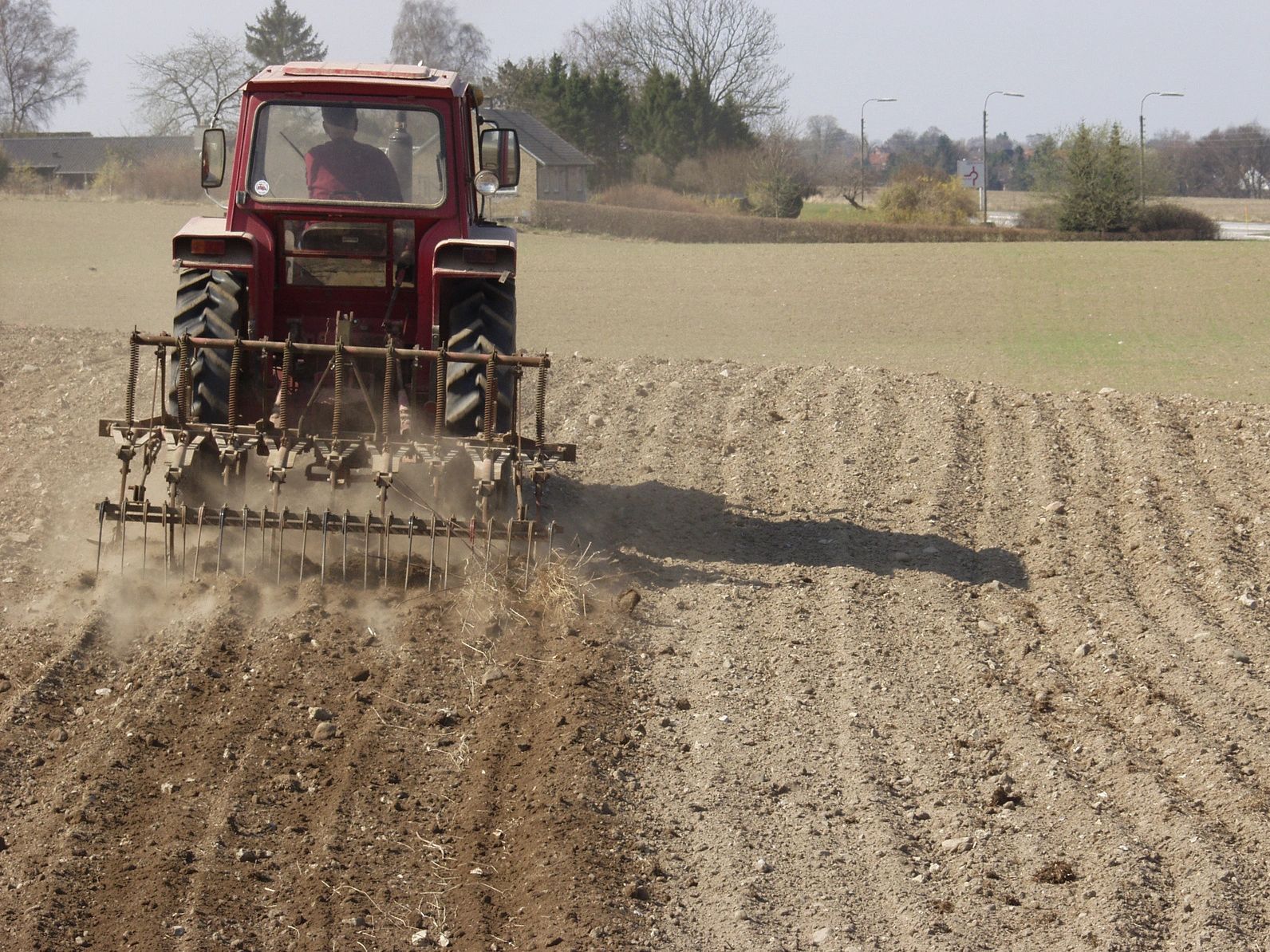
Agricultural pesticides stay in the air long after they are sprayed, latching onto particles in the air instead of breaking down.
Making Science Make Sense

Agricultural pesticides stay in the air long after they are sprayed, latching onto particles in the air instead of breaking down.
Sea-friendly plastic is the newest project for material scientists: plastic that can dissolve in water to reduce microplastic pollution.
Giant ground sloths are extinct now, but scientists uncover what environmental factors helped them evolve in the first place.
Scientists test protein upcycling by using maize leftovers to grow mushrooms, then using the more nutritious by-product to feed earthworms.
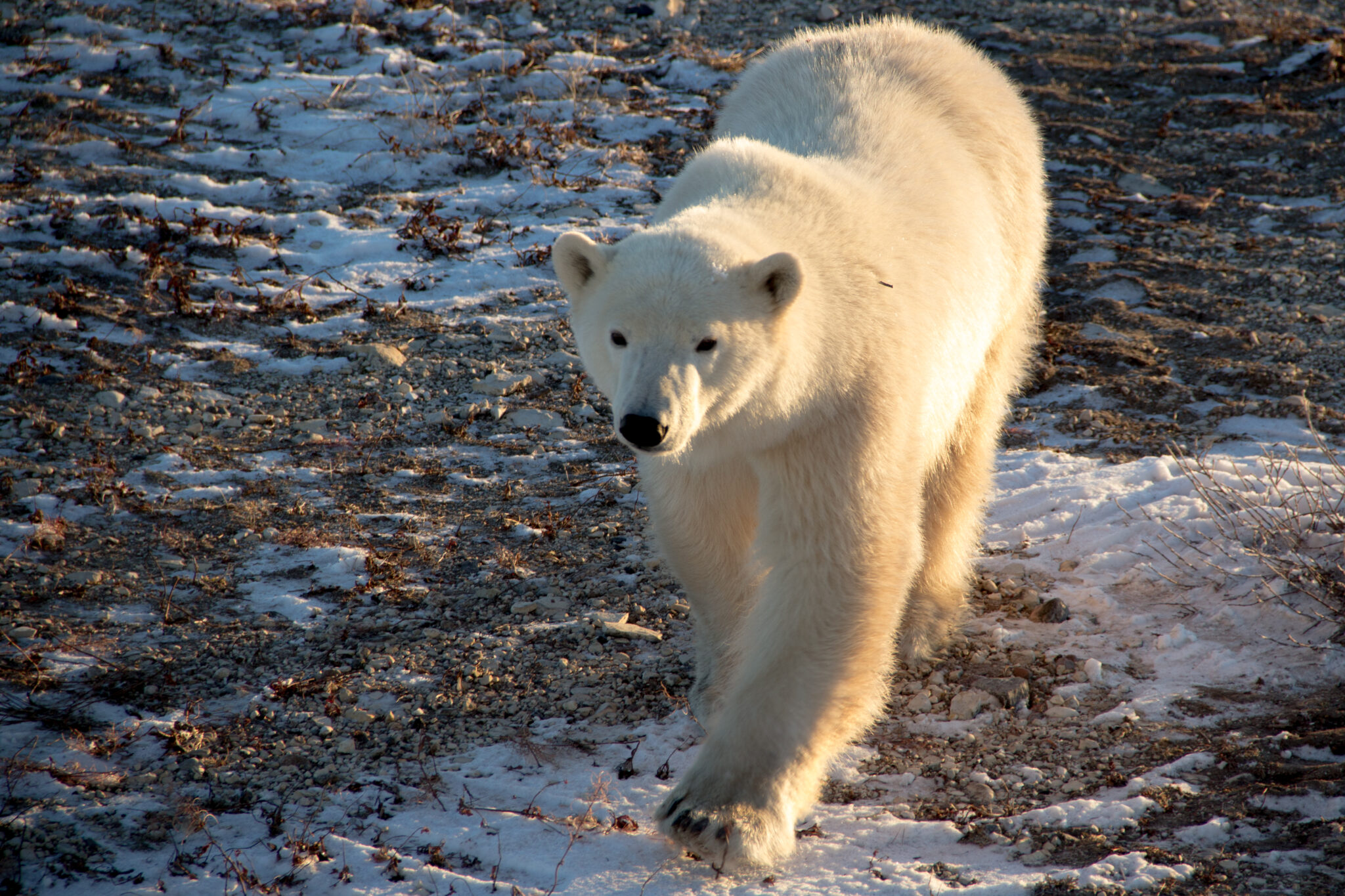
Polar bears struggle to have enough energy to survive because melting sea ice makes it harder to find food.
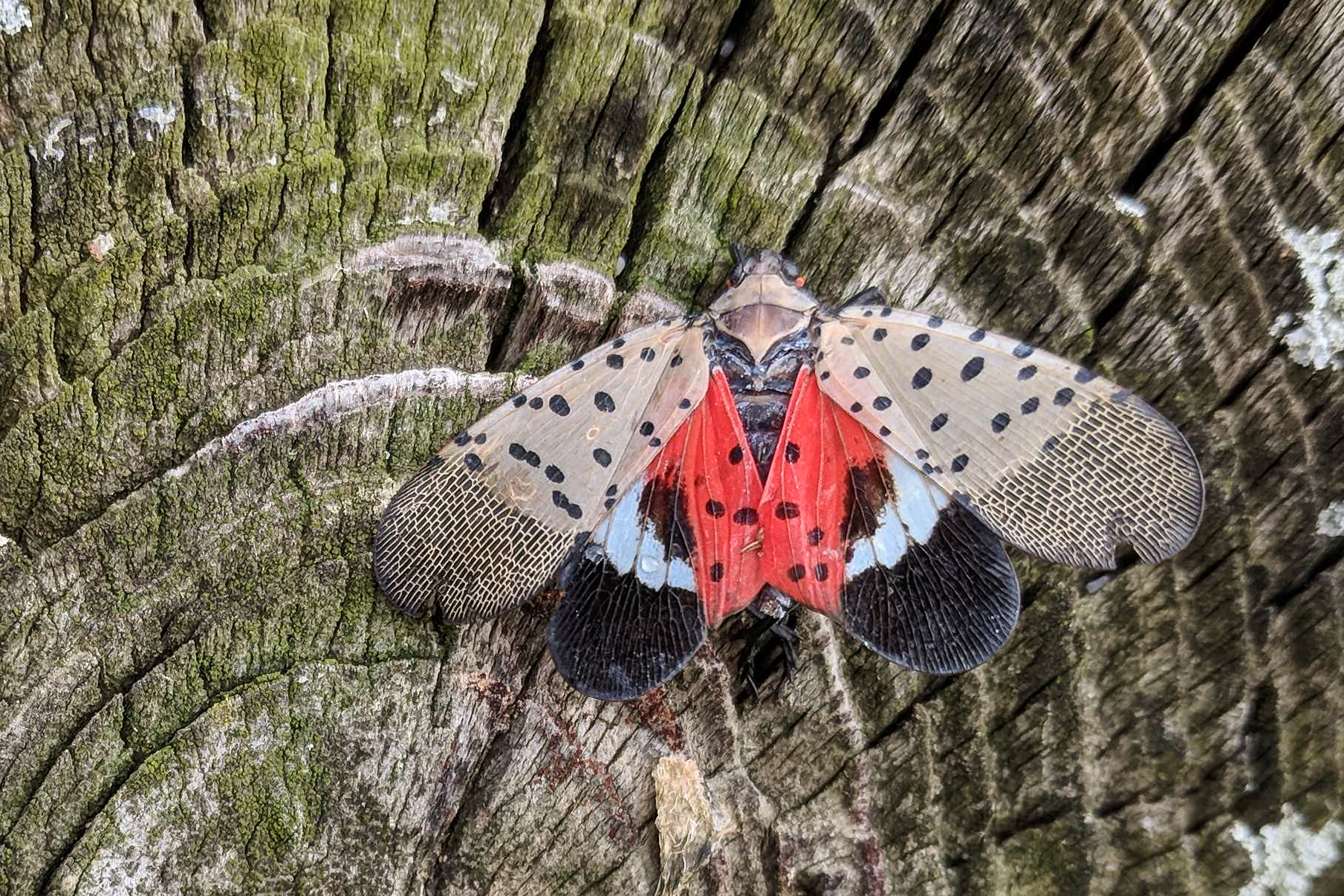
This invasive species threatens agriculture but perhaps for not much longer, as trained dogs can detect their eggs in vineyards and forests.
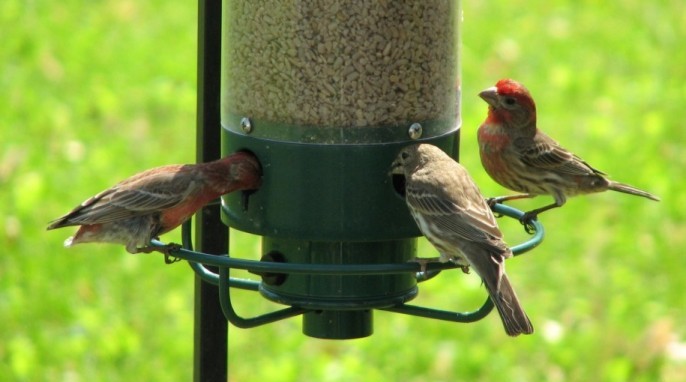
Do you have a bird feeder at home? Fifty percent of Americans do. Learn how to feed the birds without causing them to crash into your window.
Climate change’s effects can be reduced by soils storing carbon. But the soil carbon sink is itself vulnerable to climate change.
Environmental conditions influenced the time and space of the first human migrations according to archaeological, genetic, and climatic data.
Bioengineers produce a plant-based protein with a fraction of the environmental impact of meat by altering mushroom proteins.