Skip to content

Science Connected Magazine

Making Science Make Sense

Bigyapaan Image
  • About
    • FAQ
    • Science Connected
    • Writers
    • Advisors
    • Policy on AI Use
    • Practice SciComm
    • Submission Guidelines
    • Permissions
    • Contact
  • Subjects
    • Science and Art
    • Life Sciences and Biomedicine
      • Anthropology
      • Biodiversity and Conservation
      • Biology
      • Botany
      • Citizen Science
      • Neuroscience
      • Ecology
      • Environment
        • Climate Change
        • Sustainable Living
      • Genetics and Heredity
      • Health
        • COVID-19
      • Marine and Freshwater Biology
      • Paleontology
      • Zoology
        • Ornithology
    • Physical Sciences
      • Astronomy and Astrophysics
      • Chemistry
      • Geology
      • Mathematics
      • Oceanography
      • Physics
    • Social Sciences
      • Archaeology
      • Language and Linguistics
      • Psychology
      • Science Policy
        • Science Debate Series
    • Technology
      • Computer Science
      • Engineering
      • New Technologies
    • Opinions and Editorials
  • Blogs
    • The SciStarter Blog
    • There Be Dragons Everywhere
  • Videos
    • It’s Ok to Be Smart
    • PBS Eons
    • Science With Sophie
    • Shelf Life from AMNH
    • Cat Behavior with Simon’s Cat Logic
  • STEM Education
    • FREE RESOURCES
    • Book Catalog
    • For Grades 7-12
    • For Grades K-6
    • iBiome Games
    • Book Recommendations
    • Get to Know a Scientist
  • Bookstore
  • Swag Shop
  • DONATE
  • Volunteer
  • Subscribe

Category: Life Sciences and Biomedicine

Using the Power of Photography for Good
Environment Nature Photography Zoology

Using the Power of Photography for Good

January 5, 2016March 11, 2021

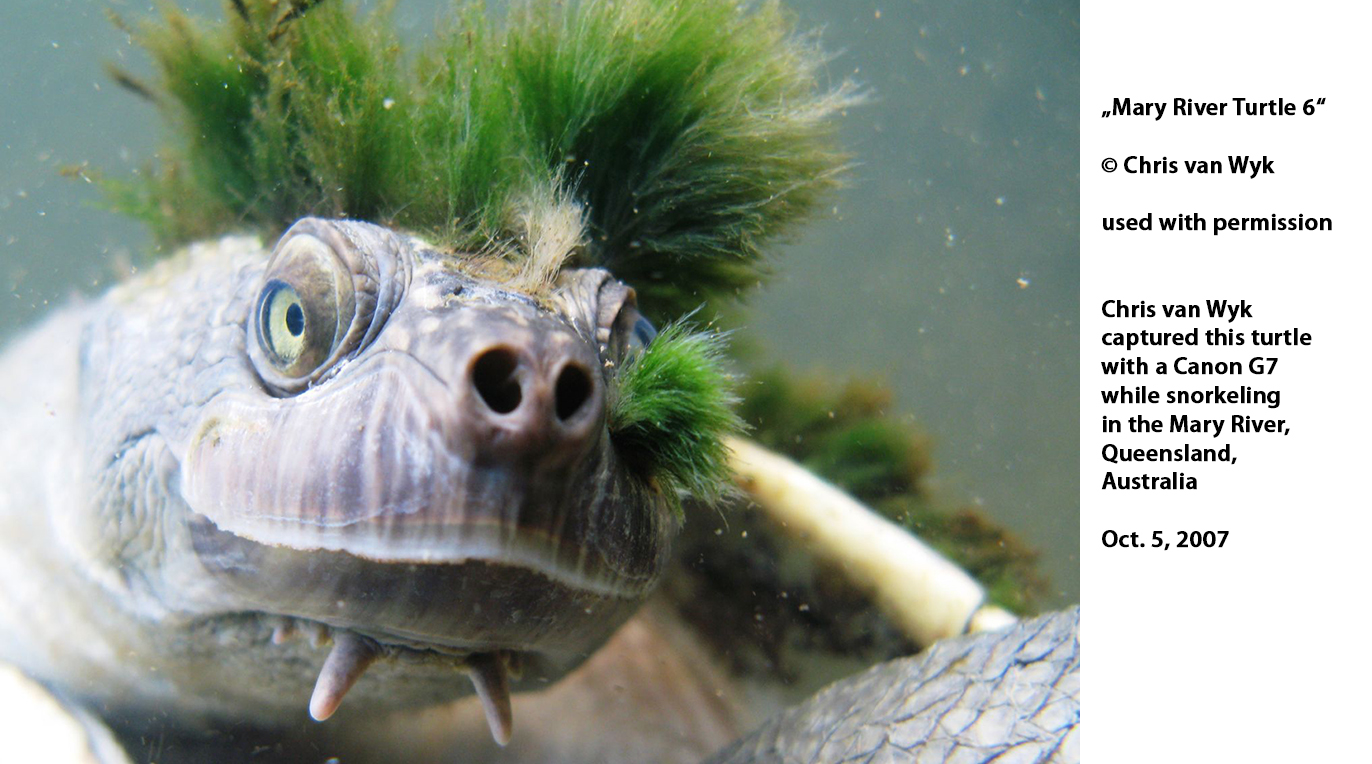
The power of photography to achieve environmental good is, indeed, great, as evidenced by the work of photographer Chris van Wyk.

Preserving a Soft Skeleton: Backs without Bones
Biology Oceanography Science and Art Zoology

Preserving a Soft Skeleton: Backs without Bones

December 16, 2015May 12, 2016

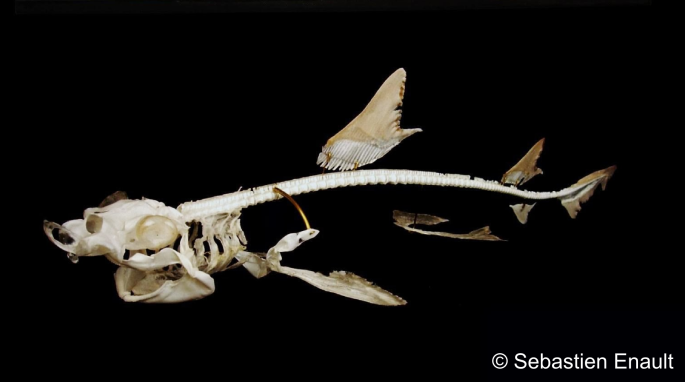
By Sebastien Enault What are shark skeletons made of? The skeleton of modern sharks, rays, and skates consists of cartilage,…

More Heat Waves Predicted in Next 20 Years
Environment

More Heat Waves Predicted in Next 20 Years

December 14, 2015December 14, 2015

By Kate Stone Scientists have developed a new method to more accurately measure and predict heat waves, and the results…

A Tale of Two Turtles: Part 2
Nature Photography Science and Art Zoology

A Tale of Two Turtles: Part 2

December 9, 2015December 15, 2015

By Steven Spence This is the second part of our series on turtles and how cute animals can inspire successful…

A Tale of Two Turtles: Part 1
Biology Environment Nature Photography Zoology

A Tale of Two Turtles: Part 1

December 7, 2015March 11, 2021

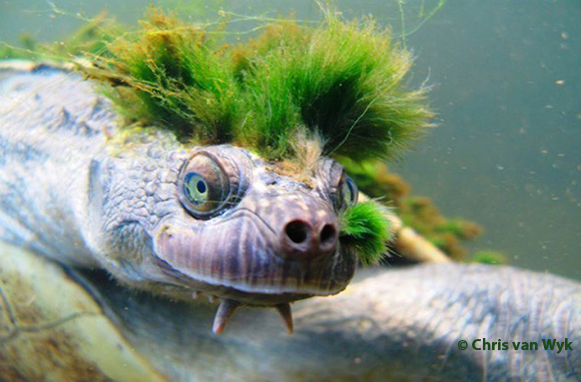
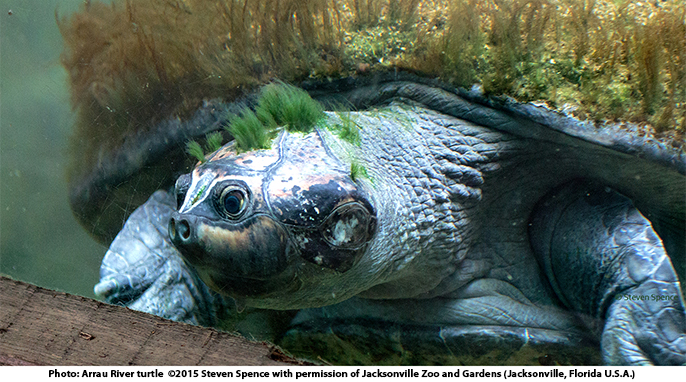
Steven Spence visits Jacksonville Zoo and Gardens to photograph an aquatic turtle with many names: the Arrau River or giant South American turtle.

Nuclear Magnetic Resonance: A Dynamic View of Life
Biology Health Physics

Nuclear Magnetic Resonance: A Dynamic View of Life

December 2, 2015December 2, 2015

By Florian Celli Florian Celli is a PhD student of biophysics in the Center for Atomic Energy (CEA of Saclay)…

Bald Eagles of Alaskan Skies
Nature Photography Zoology

Bald Eagles of Alaskan Skies

December 1, 2015May 3, 2021

By Max Goldberg During my last trip through Alaska, I was primarily focused on photographing the wild grizzly bears as they fished…

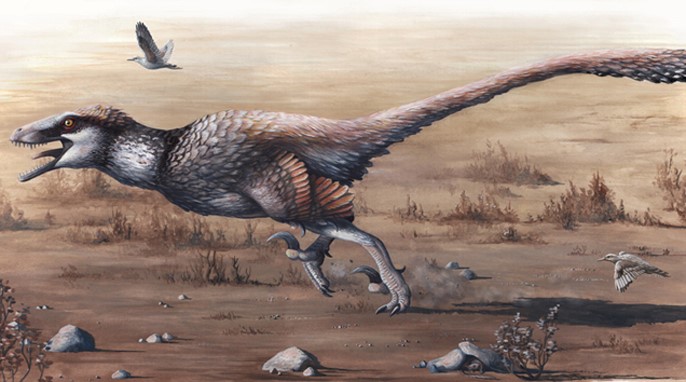
Dakotaraptor: Giant Raptor Straight Out of Hell Creek
Paleontology Science and Art Zoology

Dakotaraptor: Giant Raptor Straight Out of Hell Creek

November 30, 2015May 12, 2016

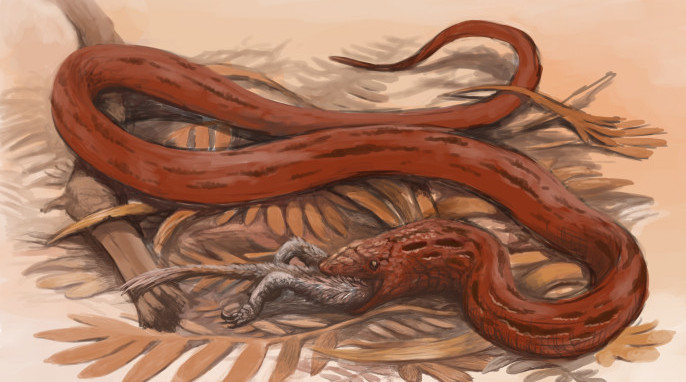
By Emily Willoughby For centuries, dinosaurs have captured the public’s imagination through their massive proportions and power, and their ancestral…

Grizzly Bears Fishing for Salmon in Alaska
Nature Photography Zoology

Grizzly Bears Fishing for Salmon in Alaska

November 23, 2015April 18, 2021

Join wildlife photographer Max Goldberg watching grizzly bears fishing for salmon in Alaska. Check out the rest of the series for more.

Large Hunters Dominated the Pleistocene
Environment Paleontology Zoology

Large Hunters Dominated the Pleistocene

November 3, 2015July 29, 2025

For years, evolutionary biologists have wondered about the ecosystems of the Pleistocene epoch. How did so many species of huge,…

Posts navigation

Older posts
Newer posts
  • LinkedIn
  • Bluesky
  • Instagram
  • Facebook
  • X
  • Mail
subscribe to Science Connected Digest Weekly

Make a Donation

Science Connected Magazine is an editorially independent, non-profit newsroom producing open-access science journalism.

Contact

Terms of Use

Privacy Policy

Style Guide

ScienceConnected.Org

Copyright © 2025 Science Connected, All Rights Reserved | Ace News by Ascendoor | Powered by WordPress.