Skip to content

Science Connected Magazine

Making Science Make Sense

Bigyapaan Image
  • About
    • FAQ
    • Science Connected
    • Writers
    • Advisors
    • Policy on AI Use
    • Practice SciComm
    • Submission Guidelines
    • Permissions
    • Contact
  • Subjects
    • Science and Art
    • Life Sciences and Biomedicine
      • Anthropology
      • Biodiversity and Conservation
      • Biology
      • Botany
      • Citizen Science
      • Neuroscience
      • Ecology
      • Environment
        • Climate Change
        • Sustainable Living
      • Genetics and Heredity
      • Health
        • COVID-19
      • Marine and Freshwater Biology
      • Paleontology
      • Zoology
        • Ornithology
    • Physical Sciences
      • Astronomy and Astrophysics
      • Chemistry
      • Geology
      • Mathematics
      • Oceanography
      • Physics
    • Social Sciences
      • Archaeology
      • Language and Linguistics
      • Psychology
      • Science Policy
        • Science Debate Series
    • Technology
      • Computer Science
      • Engineering
      • New Technologies
    • Opinions and Editorials
  • Blogs
    • The SciStarter Blog
    • There Be Dragons Everywhere
  • Videos
    • It’s Ok to Be Smart
    • PBS Eons
    • Science With Sophie
    • Shelf Life from AMNH
    • Cat Behavior with Simon’s Cat Logic
  • STEM Education
    • FREE RESOURCES
    • Book Catalog
    • For Grades 7-12
    • For Grades K-6
    • iBiome Games
    • Book Recommendations
    • Get to Know a Scientist
  • Bookstore
  • Swag Shop
  • DONATE
  • Volunteer
  • Subscribe

Category: Life Sciences and Biomedicine

Saving Forests with Artificial Intelligence
Environment New Technologies

Saving Forests with Artificial Intelligence

May 24, 2016February 19, 2024

By Norman Rusin The global trade in products made from illegally extracted timber is a multi-billion dollar industry. The World…

Outwitting Poachers with Anti-Poaching AI
Environment New Technologies Zoology

Outwitting Poachers with Anti-Poaching AI

May 23, 2016February 19, 2024

Every day, poachers kill tigers, elephants, rhinos, and other animals. Now, artificial intelligence (AI) is ready to curb poaching and protect the animals.

Soil Carbon Unstable After Clear-Cutting
Ecology Environment

Soil Carbon Unstable After Clear-Cutting

May 17, 2016May 3, 2021

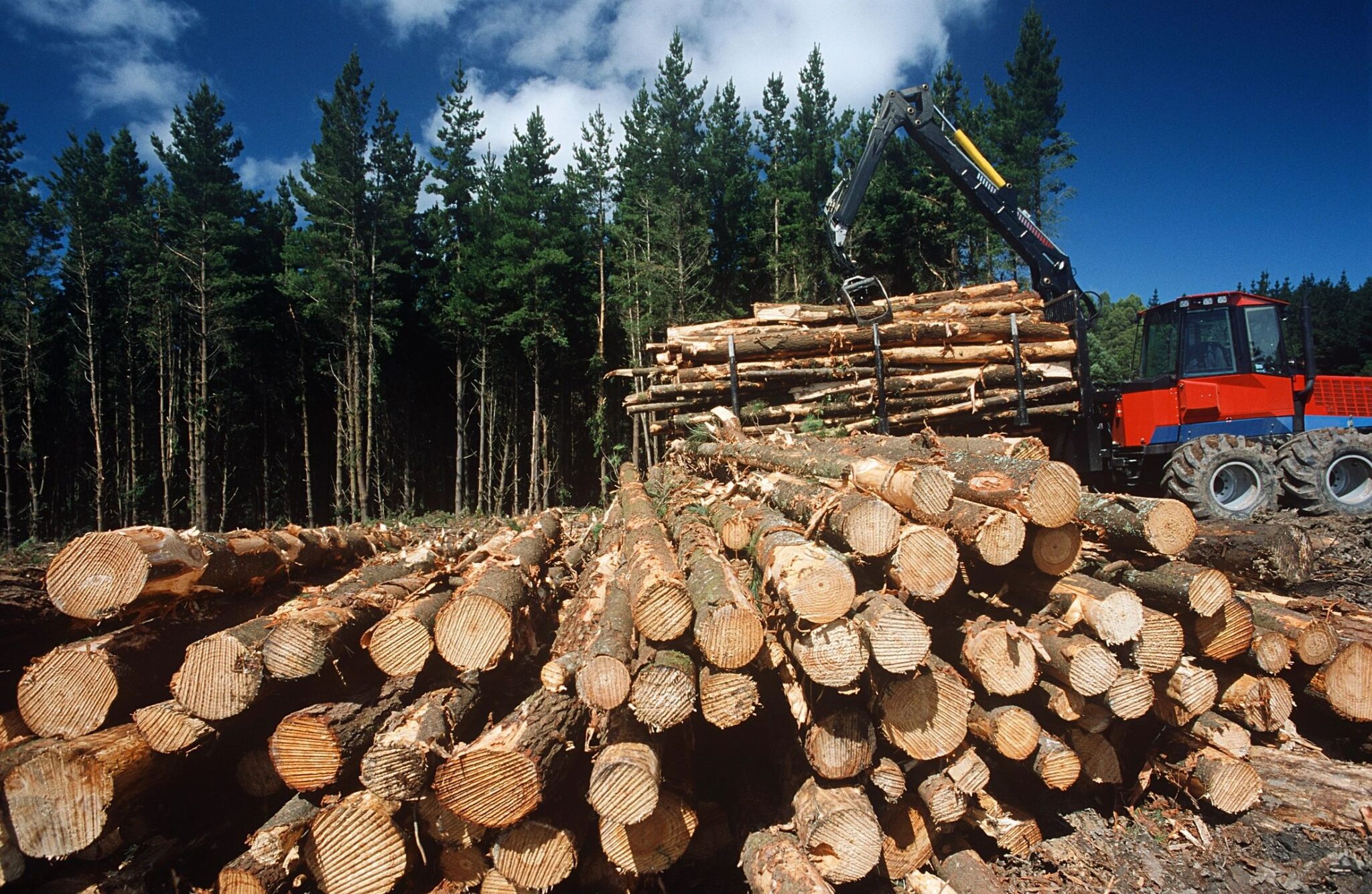
Clear-cutting is chopping down all the trees in an area, as opposed to selective logging, which is removing only the mature trees.

Why Do We Laugh?
Biology Science Videos

Why Do We Laugh?

May 16, 2016September 5, 2023

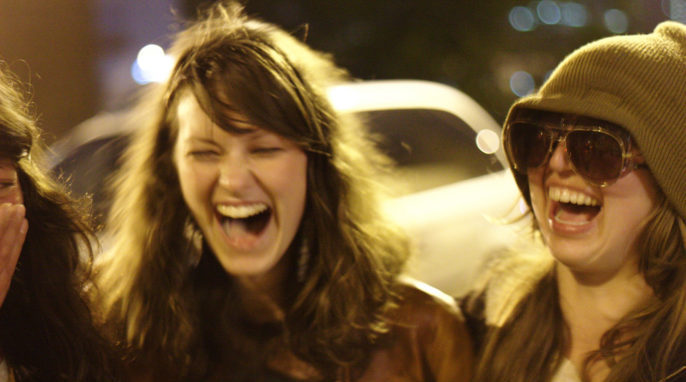
Laugh hard, laugh often. Why do we do it? Laughing is a universal human behavior that transcends language and culture, but why? VIDEO

Malaria Drugs: Herb Garden to Medicine Cabinet
Biology Chemistry

Malaria Drugs: Herb Garden to Medicine Cabinet

May 12, 2016February 12, 2024

Malaria kills 1 million people each year, most of whom are children in sub-Saharan Africa. Turning to nature for new…

Climate Change: Why Don’t We Worry More?
Environment

Climate Change: Why Don’t We Worry More?

May 11, 2016May 10, 2016

“If we could invent one risk that bypasses all of our psychological alarm systems, global climate change would be it,”…
North American Monkeys Older Than Previously Thought
Paleontology Zoology

North American Monkeys Older Than Previously Thought

May 10, 2016July 29, 2025

By Emily Rhode @riseandsci With the formation of the Isthmus of Panama, North and South America became connected by a…

Modern Humans, Meet Your Denisovan Ancestors
Archaeology Biology

Modern Humans, Meet Your Denisovan Ancestors

May 9, 2016July 25, 2025

Do you have Denisovan DNA? New research suggests that some present-day humans derive more of their ancestry from Denisovans than from Neanderthals.

How Do Bees Make Honey?
Science Videos Zoology

How Do Bees Make Honey?

May 2, 2016May 2, 2016

How bees make honey, courtesy of Dr. Joe Hanson and PBS Digital Studios Western honey bees, or European honey bees,…

Sleepless, Lying Awake in Your Hotel? This Might Be Why
Biology Health

Sleepless, Lying Awake in Your Hotel? This Might Be Why

April 27, 2016July 22, 2021

A study shows that the left brain hemisphere is more wakeful than normal when sleeping in a new place for…

Posts navigation

Older posts
Newer posts
  • LinkedIn
  • Bluesky
  • Instagram
  • Facebook
  • X
  • Mail
subscribe to Science Connected Digest Weekly

Make a Donation

Science Connected Magazine is an editorially independent, non-profit newsroom producing open-access science journalism.

Contact

Terms of Use

Privacy Policy

Style Guide

ScienceConnected.Org

Copyright © 2025 Science Connected, All Rights Reserved | Ace News by Ascendoor | Powered by WordPress.