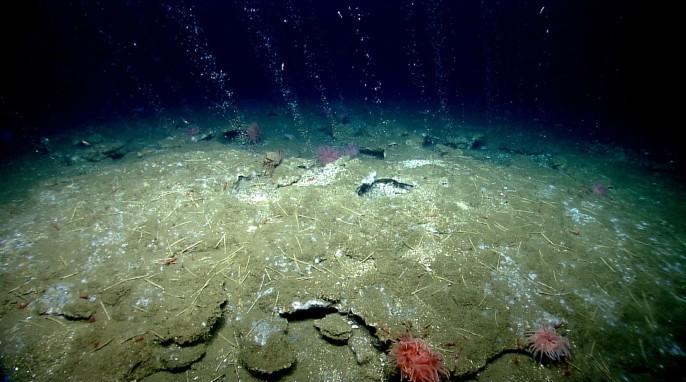
Methane-Munching Microbes Limit Global Warming
Holes in the sea floor release methane gas. Microorganisms that live near the holes protect our air by eating 75 percent of the methane.
Making Science Make Sense

Holes in the sea floor release methane gas. Microorganisms that live near the holes protect our air by eating 75 percent of the methane.
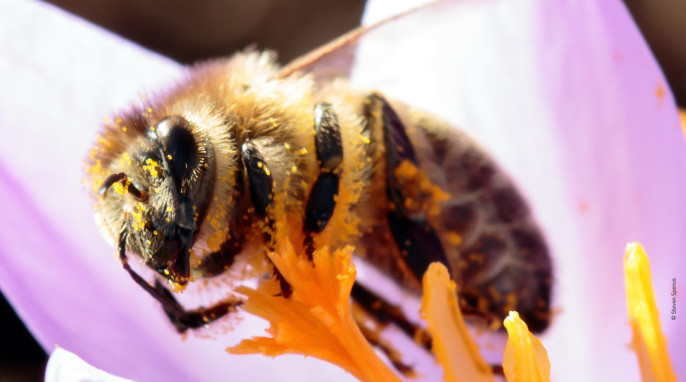
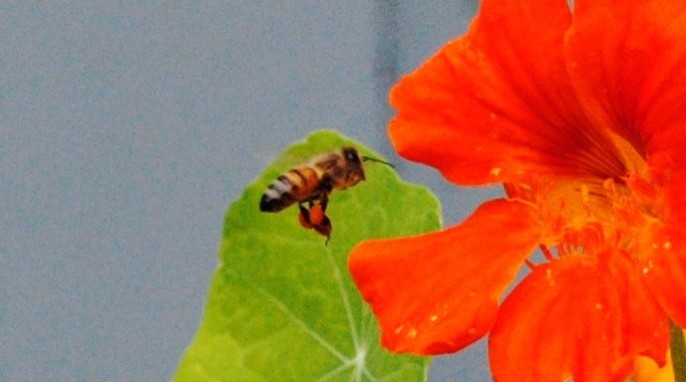
This photo of a winter bee collecting pollen, called “First Visitors,” is the work of Germany-based photographer Steven Spence. Here…
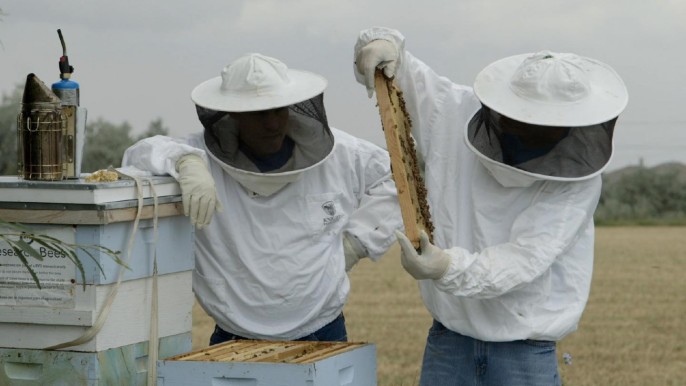
By Kate Stone Around the world, honey bees are in decline and under constant threat from parasites. This ongoing problem…
By Kate S. A common algae commercially grown to make fish food could become a future source of biofuel, according…
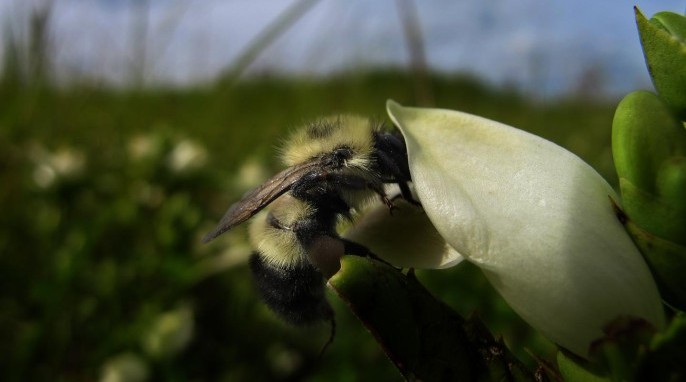
By Kate Stone Citizens who get involved in science become more environmentally aware and willing to participate in advocacy than…
Honey bees are threatened by the parasitic Varroa mite, insecticides, and a host of other factors. Scientists have a possible solution.
Solar power may be on the verge of becoming a great deal cheaper, more efficient, and longer lasting, thanks to a solar energy research team.
For several decades, honey bees have been ravaged by a deadly disease that kills their babies and leads to the…
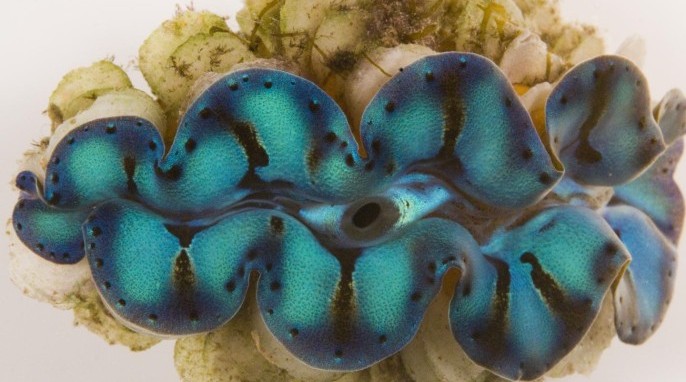
Researchers from the University of Pennsylvania and the University of California, Santa Barbara have found out how giant clams are…