Meet the Very First Mammals
Scientists have used new technology to analyze a fossil of one of the first mammals. The fossil reveals how the ancient animal lived.
Making Science Make Sense

Scientists have used new technology to analyze a fossil of one of the first mammals. The fossil reveals how the ancient animal lived.
Turning conventional wisdom on its head, geologists at Stanford find mountains aren’t formed during earthquakes but between them.
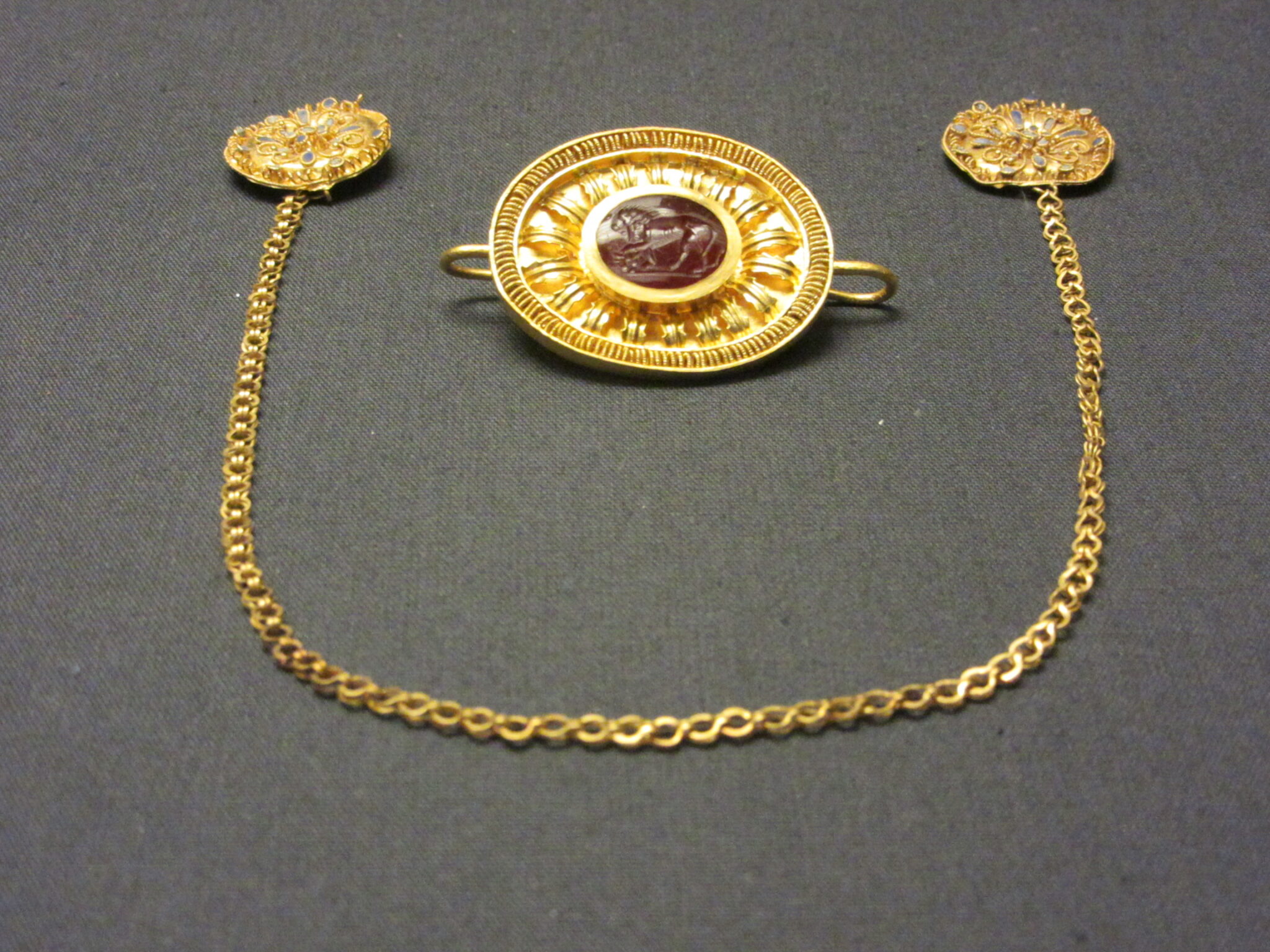
Archaeologists in Spain studying Las Médulas, the largest known ancient Roman gold mine, found a bigger operation than previously thought.
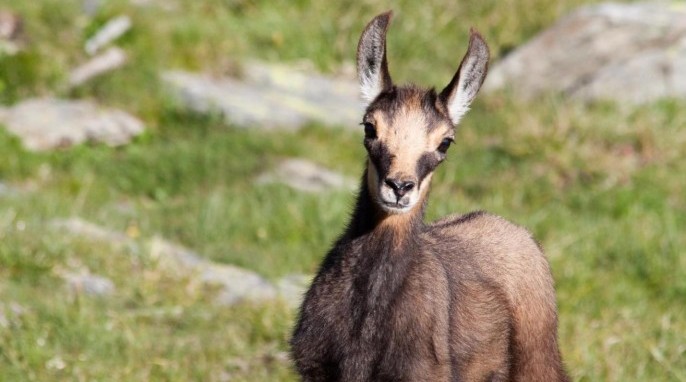
These goats that live in the Italian Alps appear to be shrinking in size, according to research from Durham University.
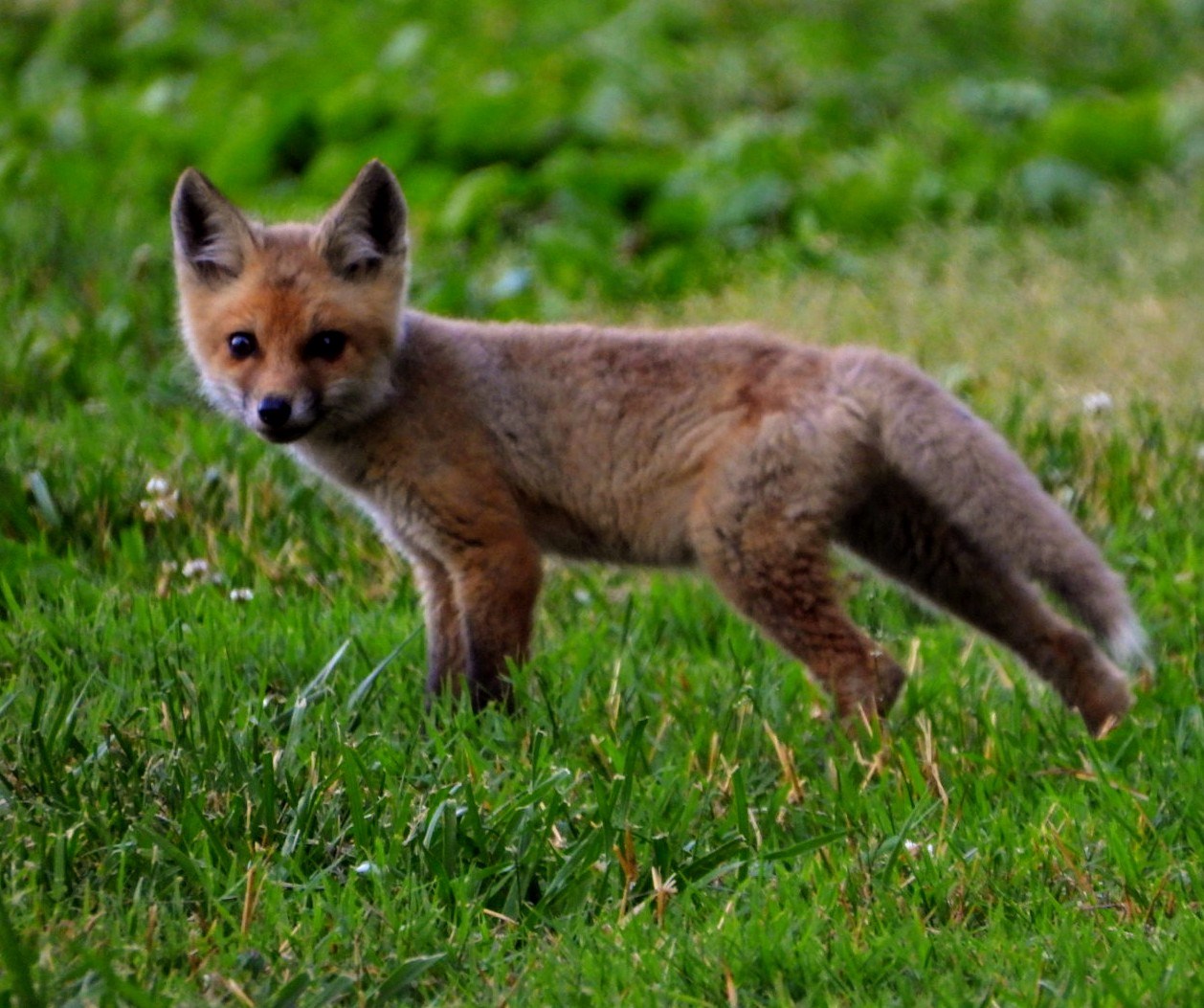
The red fox is the world’s most widely distributed land carnivore. Some surprising findings about the origins, journey and evolution of the red fox have come to light.
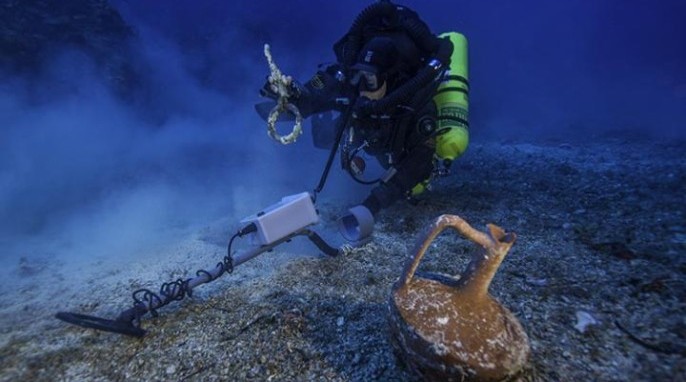
An underwater archaeology team has retrieved new finds from an ancient Greek ship that sank over 2,000 years ago.
Researchers are studying the remains of human ancestors and prehistoric human settlements now submerged beneath Europe’s coastal seas.
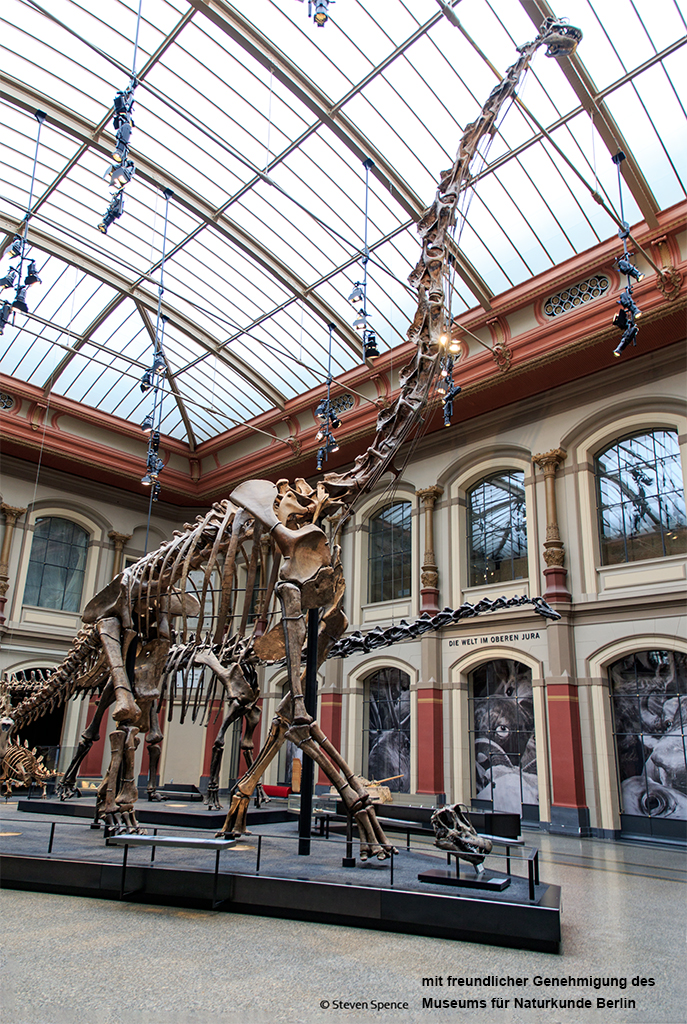
Sauropods were the largest dinosaurs ever on earth and they had big dinosaur diets, so how do you think they all found enough food to eat?
Eye-movement desensitization and reprocessing (EMDR) therapy helps people with PTSD by changing the way their brains remember traumatic events.
Does timely college graduation depend more on a student’s self-regulation or on their admission test scores? Researchers decided to find out.