Book Review: Science By the People
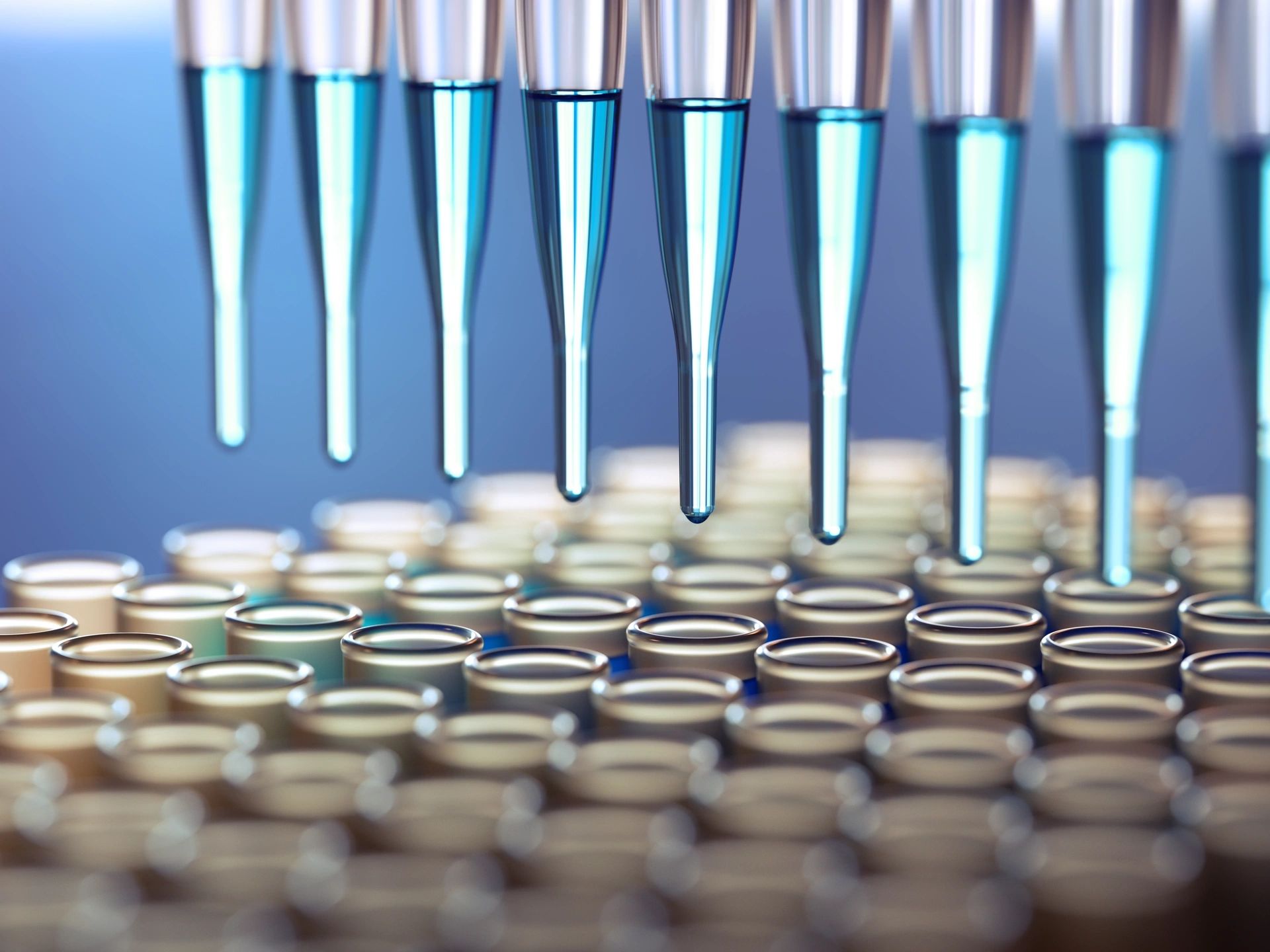
In Science By the People, Kimura and Kinchy describe their challenging research subject: understanding how people are impacted by science.
Making Science Make Sense

In Science By the People, Kimura and Kinchy describe their challenging research subject: understanding how people are impacted by science.
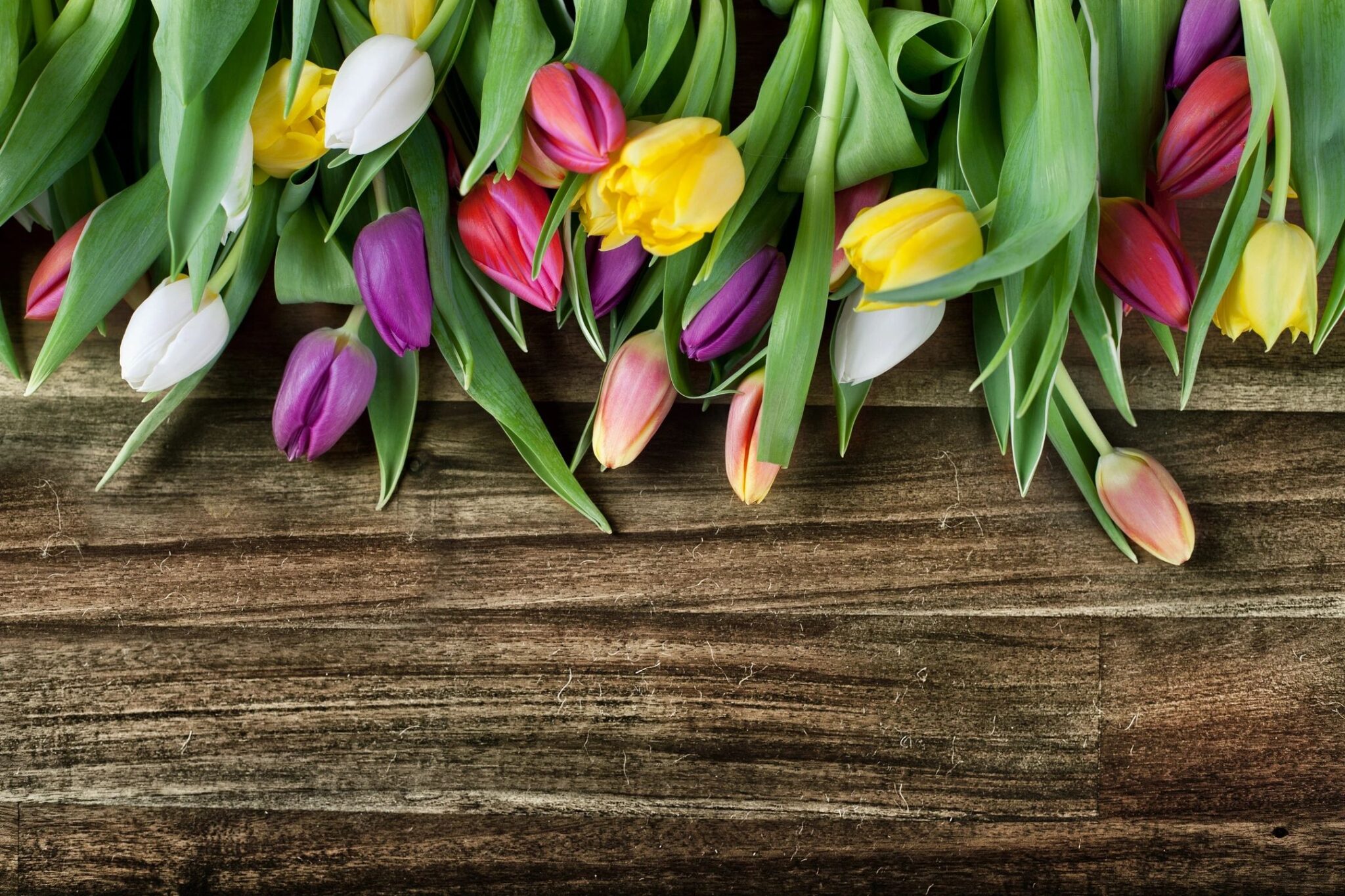
Springtime plants are proving their worth more than ever as most of the world continues to shelter in place from COVID-19.
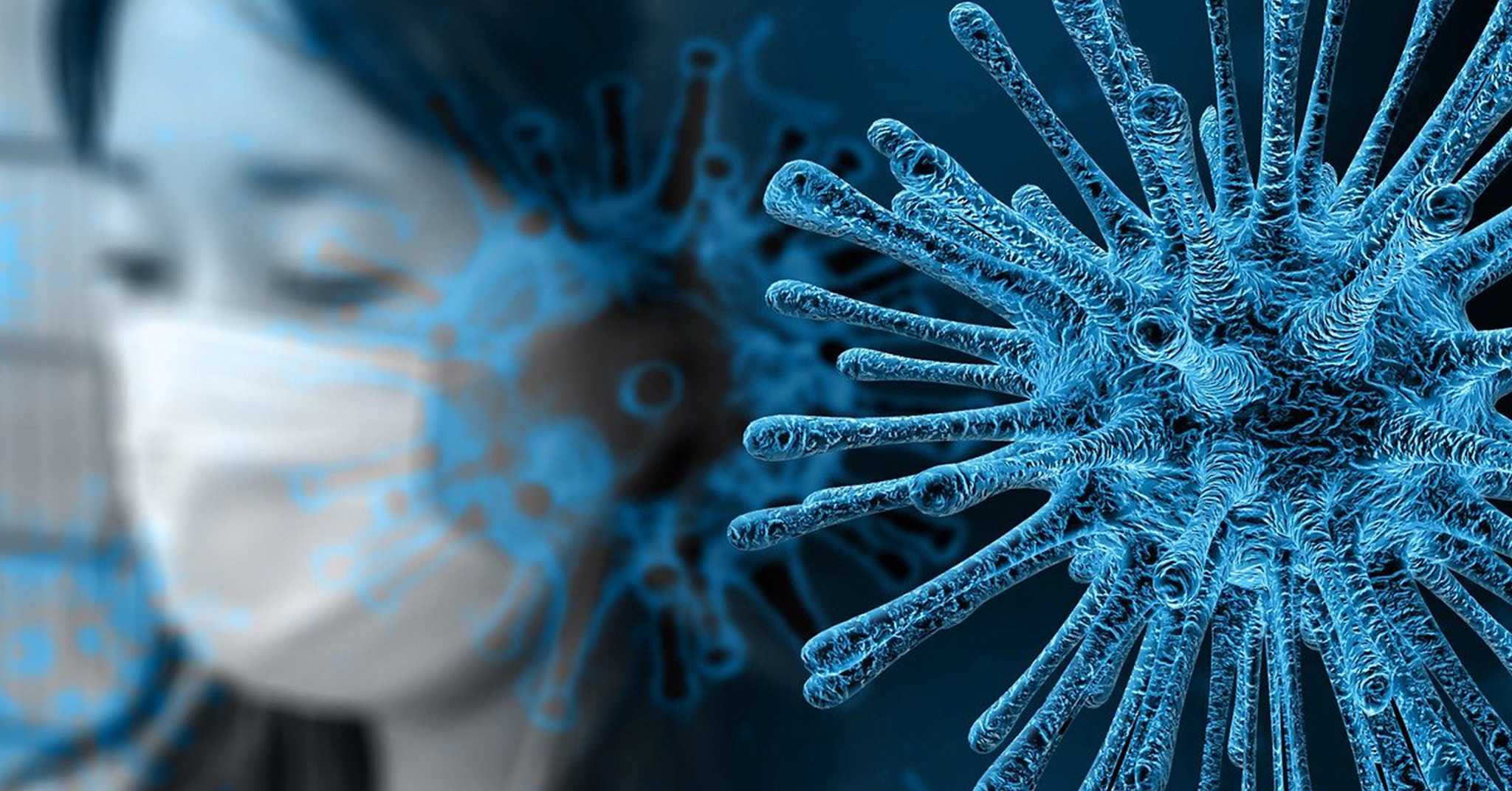
Past virus studies suggest that indoor humidity levels may influence how easily respiratory viral infections spread in winter.
Air pollution exposure alters the bacteria in the gut microbiome and could have more health effects than we realized, according to a new study.
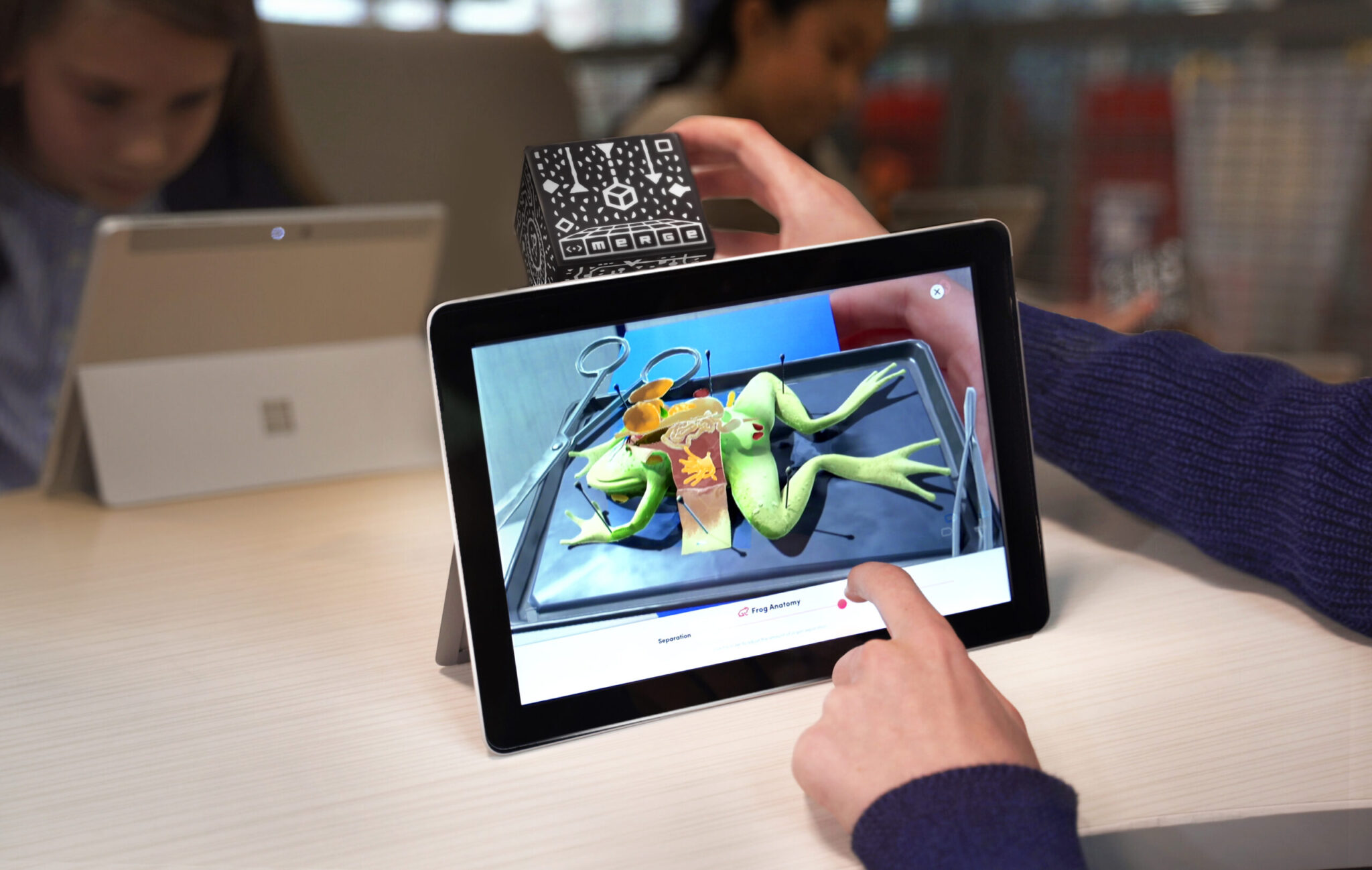
Can you teach life science without animals? Yes, with VR, simulated bodies, and other cool tech. Here is a list of free and affordable resources to teach anatomy without taking the lives of animals, provided by our friends at AnimaLEARN.
In the midst of a global warming crisis, a new study finds that hot days above 80 degrees are taking a toll on people’s psychological well-being.
A resurgence of testing of psychedelics, which fell from grace in the mid-twentieth century, sheds new light on their therapeutic benefits.
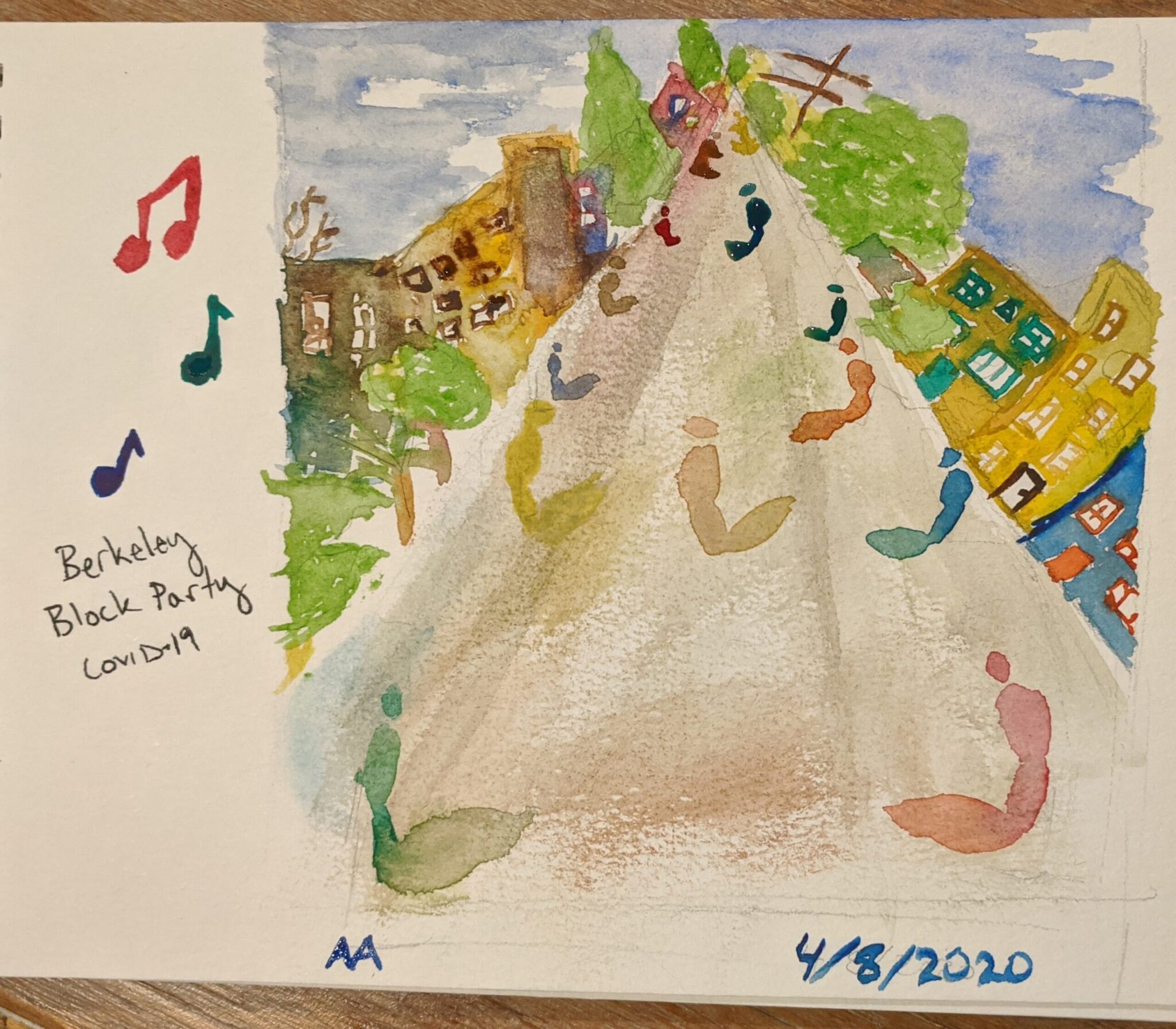
As we shelter in place this spring, how can we retain our connection to Earth and to celebrate the Spring Equinox as so many have done before us?
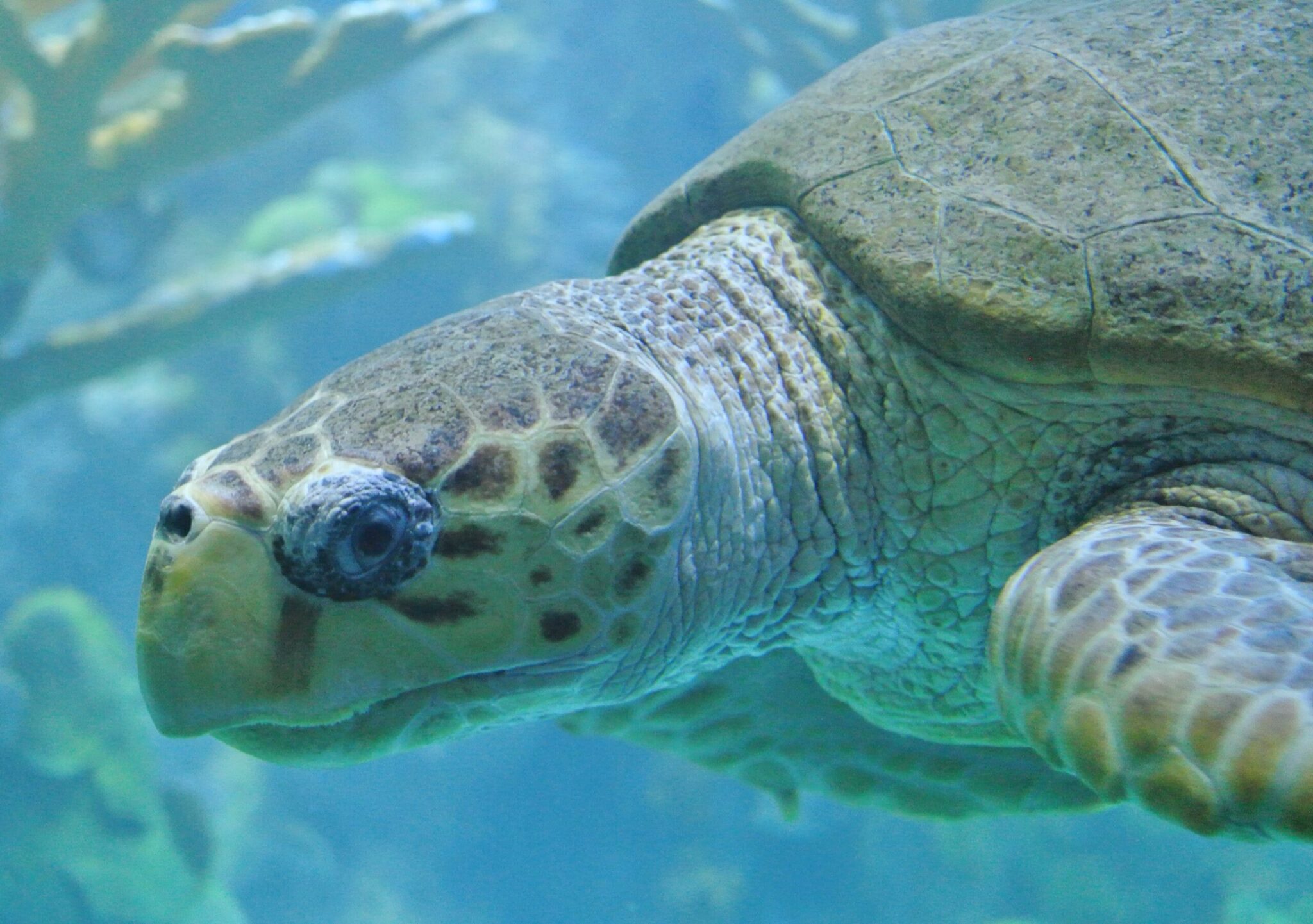
Sea turtles may eat plastic found in the ocean because it builds up a layer of microorganisms and smells the same as their food, a new study finds.
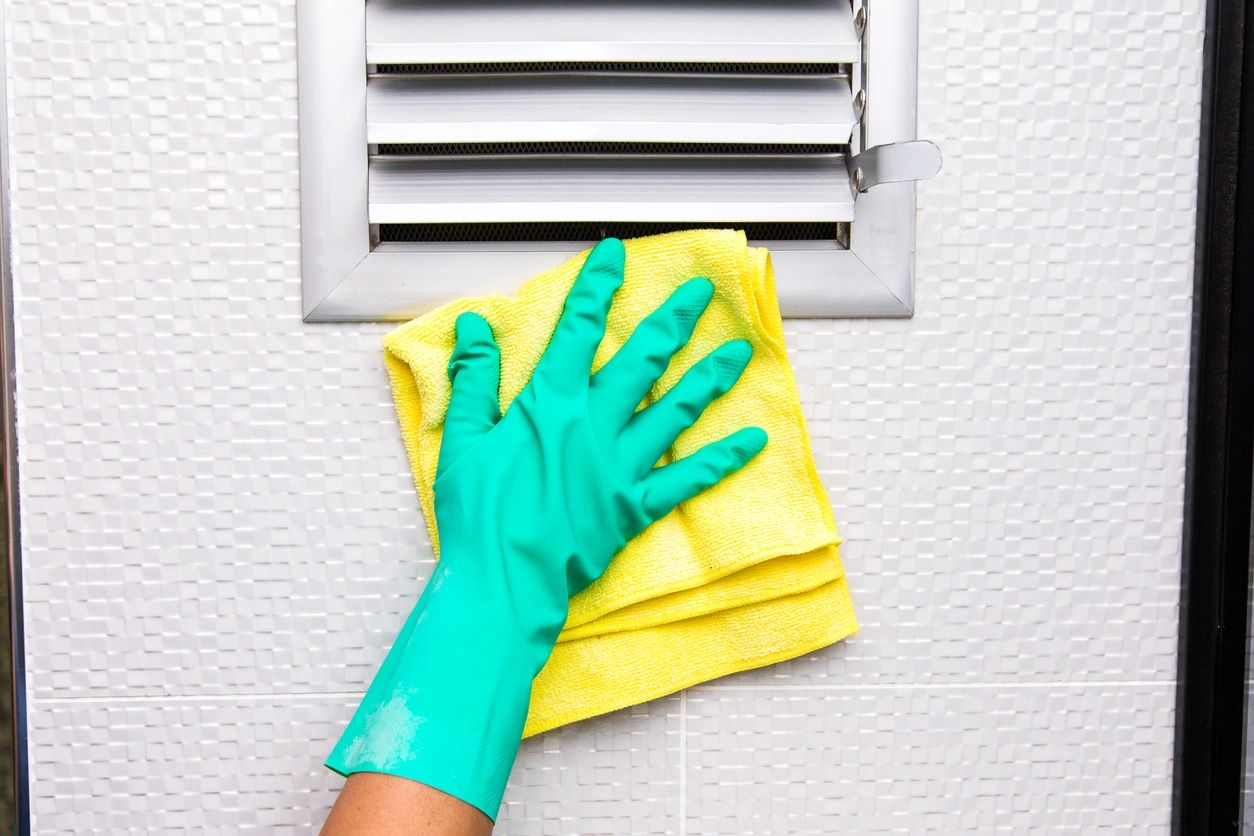
Air conditioning recirculates indoor air, leaving users more exposed to airborne disease and increasing carbon dioxide levels due to poor ventilation.