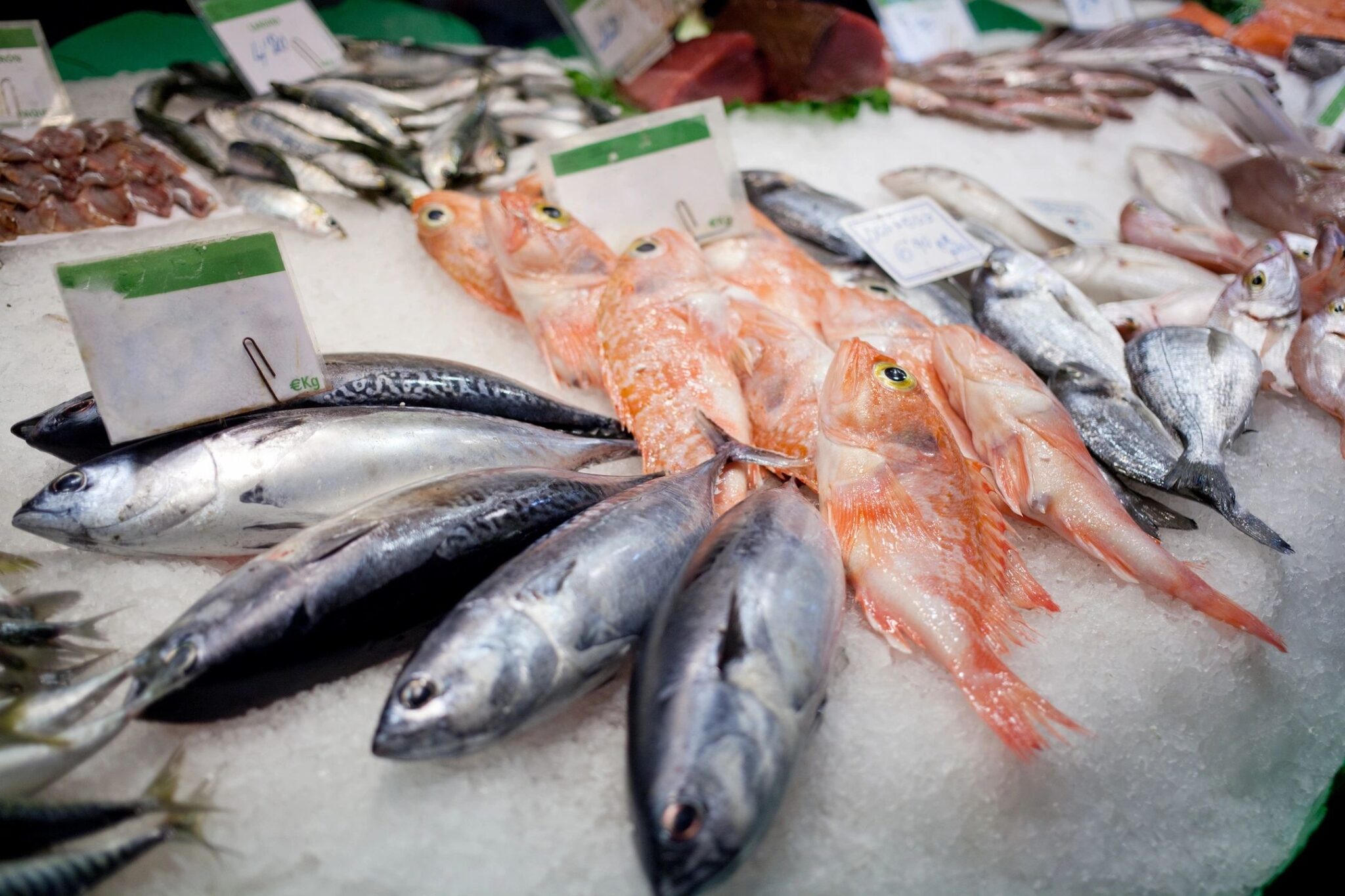
Plankton Predict Red Sea Fishing Success
Phytoplankton blooms hold the key to setting sustainable and fair fishing quotas each year—a win-win situation for the economy and the ecosystem.
Making Science Make Sense

Phytoplankton blooms hold the key to setting sustainable and fair fishing quotas each year—a win-win situation for the economy and the ecosystem.
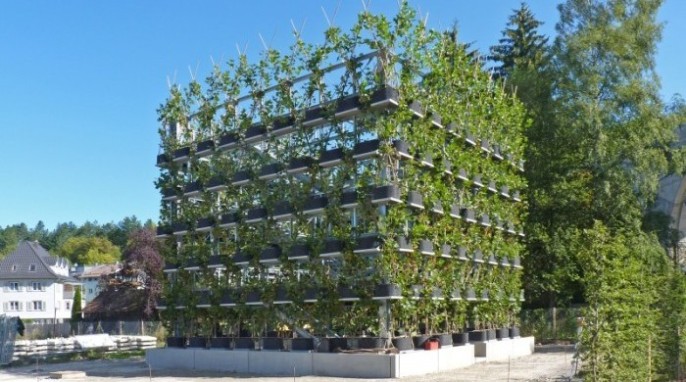
Arborsculpture is an ancient practice that combines art and science, humanity and nature, to deliver innovative and contemporary creations.
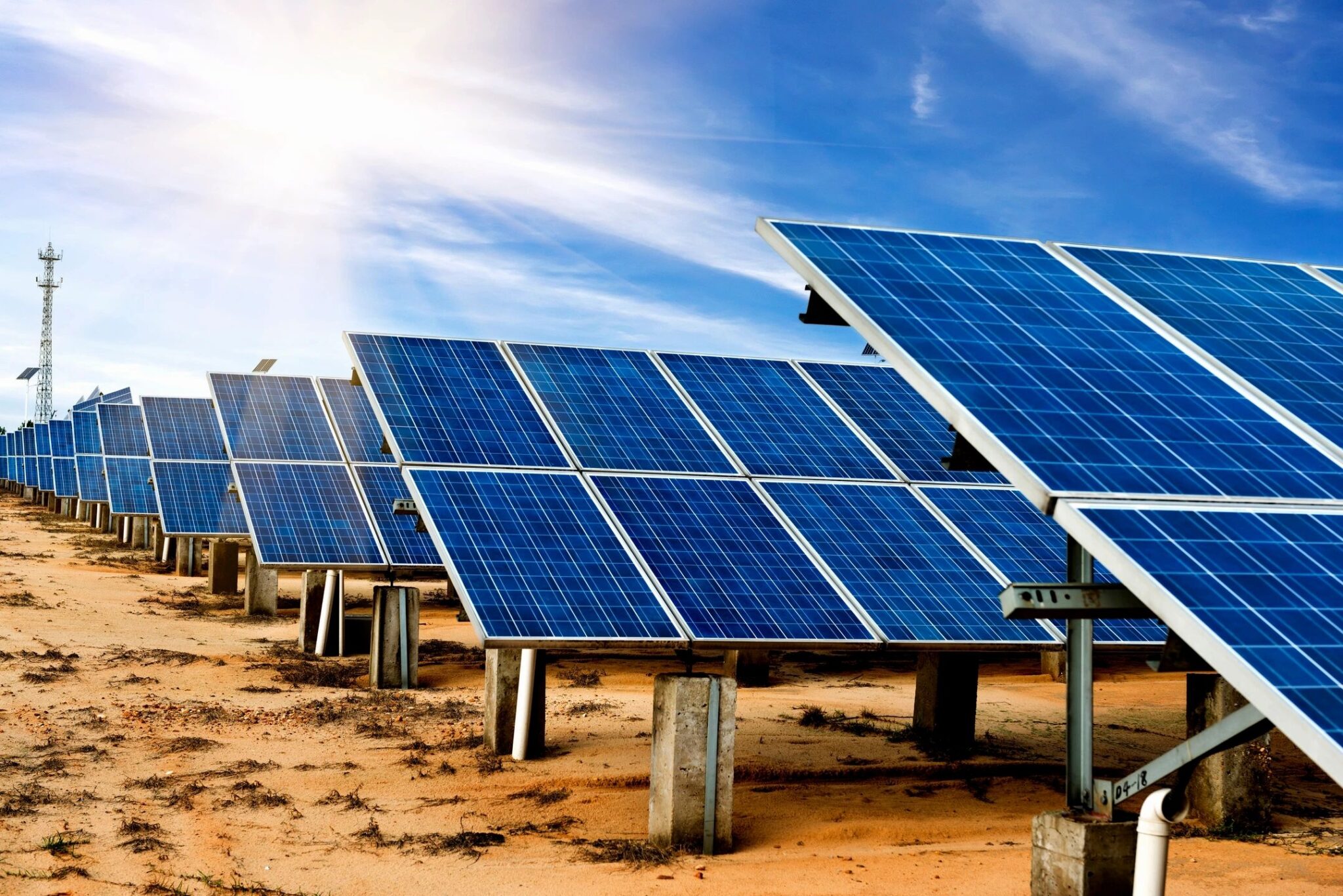
There are potential benefits for everyone when governments support the advancement of solar technology and economic development plans for equitable energy.
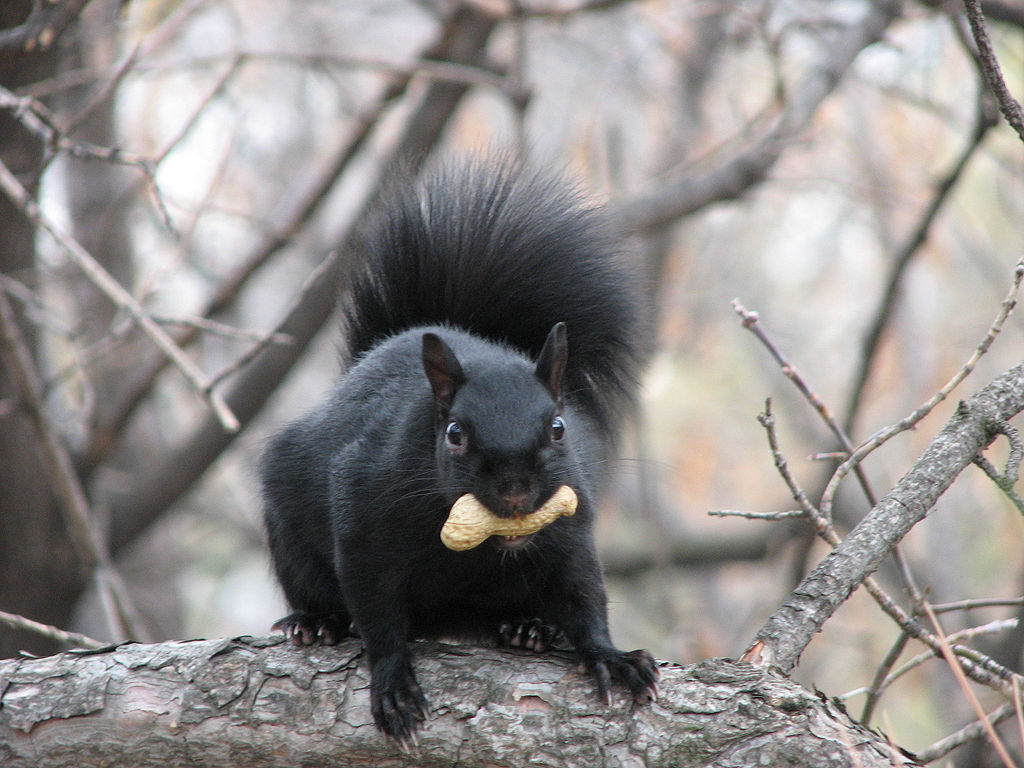
Black squirrels — a relic of ancient, old-growth forests — are now more common in cities. To understand why, scientists want to track the color of squirrels in your backyard.
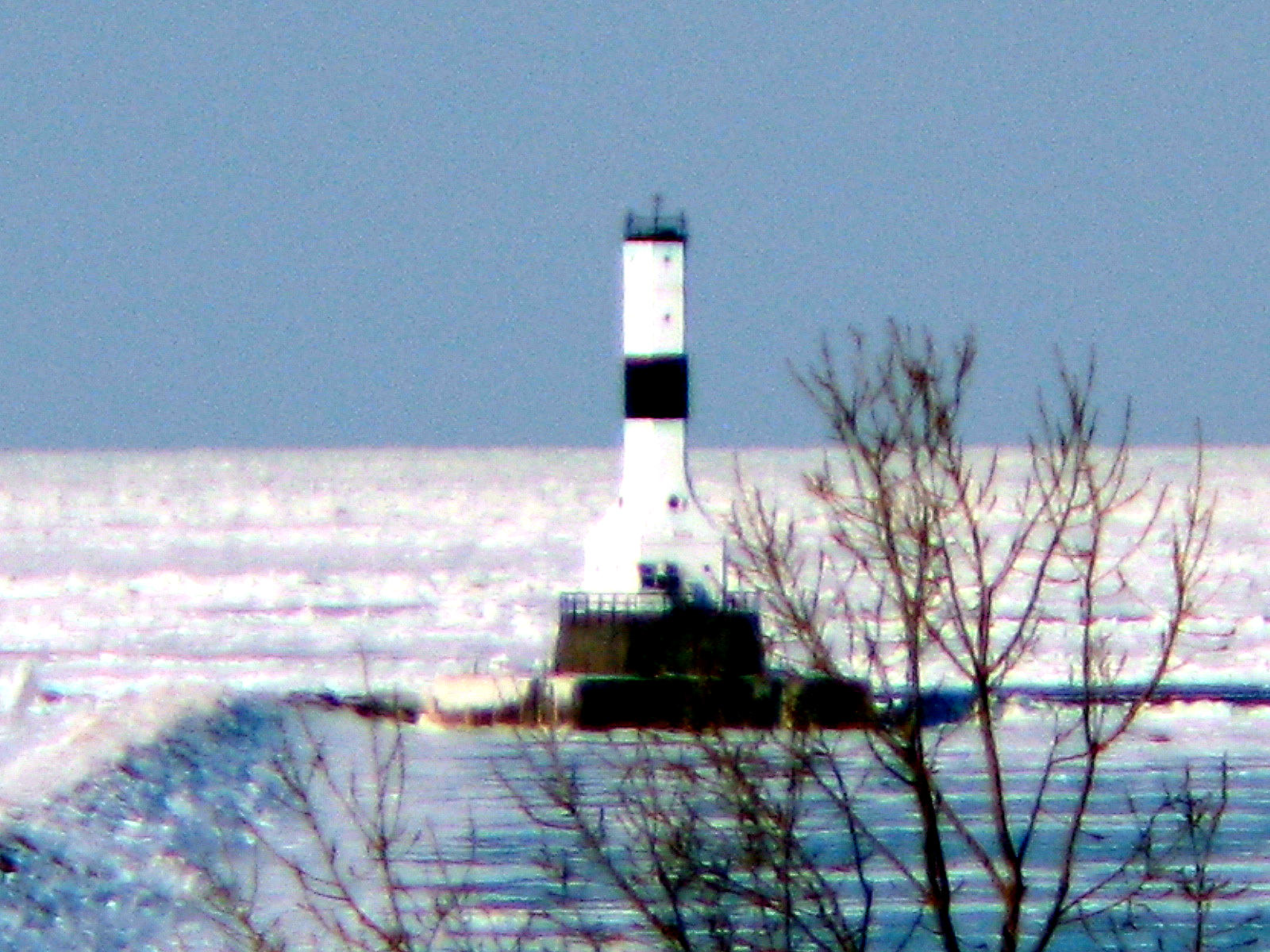
A dead zone in Lake Erie gives clues to how phosphorus levels change in the water and what this means for future environmental conditions.
Most Americans don’t talk about climate change. But many experts think that getting communities involved in climate science is the best path forward.
Green tea has many health benefits, but how does it work? New research reveals one mechanism behind green tea’s anti-cancer properties.
The Covid-19 pandemic has taken a horrific toll on human lives, there is at least one bright spot: a global drop in carbon dioxide emissions from fossil fuels like coal and oil.
Are you hoping to shed some weight this year? Research shows that more exercise doesn’t always burn more calories.
Where do you get your information? Research shows that people who rely on social media for health information are more likely to have inaccurate beliefs about vaccine safety.