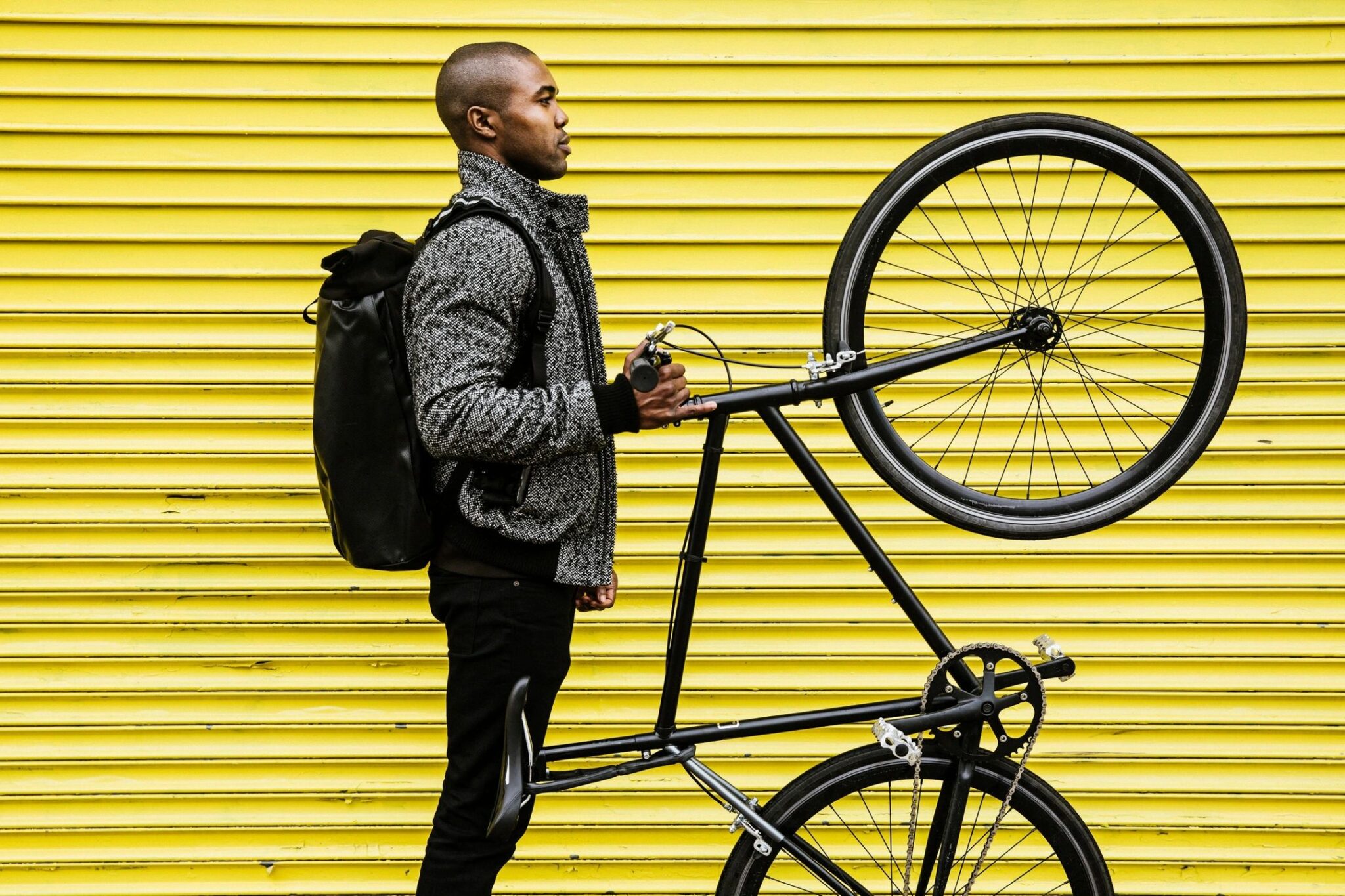
Toronto bike lane expansion boosted access to jobs, retail
Toronto’s pandemic-promoted increases in bike lane infrastructure have created low-stress road access to jobs and food stores.
Making Science Make Sense

Toronto’s pandemic-promoted increases in bike lane infrastructure have created low-stress road access to jobs and food stores.
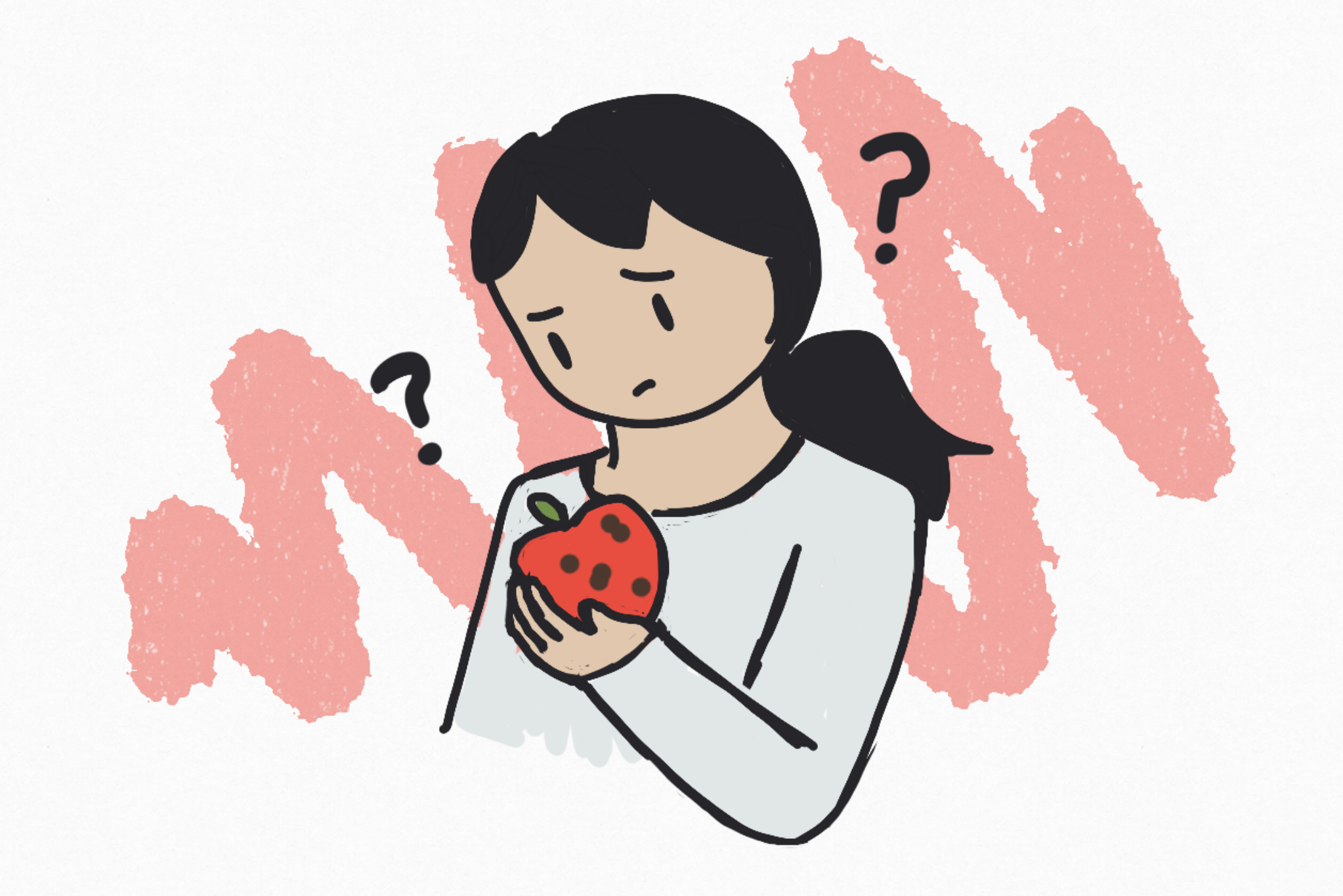
Food waste is a big problem in the United States, where each household discards an average of one third of the food people buy.
As the world enters Pandemic Year Two, data is showing that the long-term effects of COVID-19 infection are becoming a long-term problem.
Medications are still being formulated with a strong male bias. Including women in clinical trials could lead to safer dosages for women.
We now know more about plant DNA and how plants share genetic material with one another. Welcome to the horizontal genome transfer!
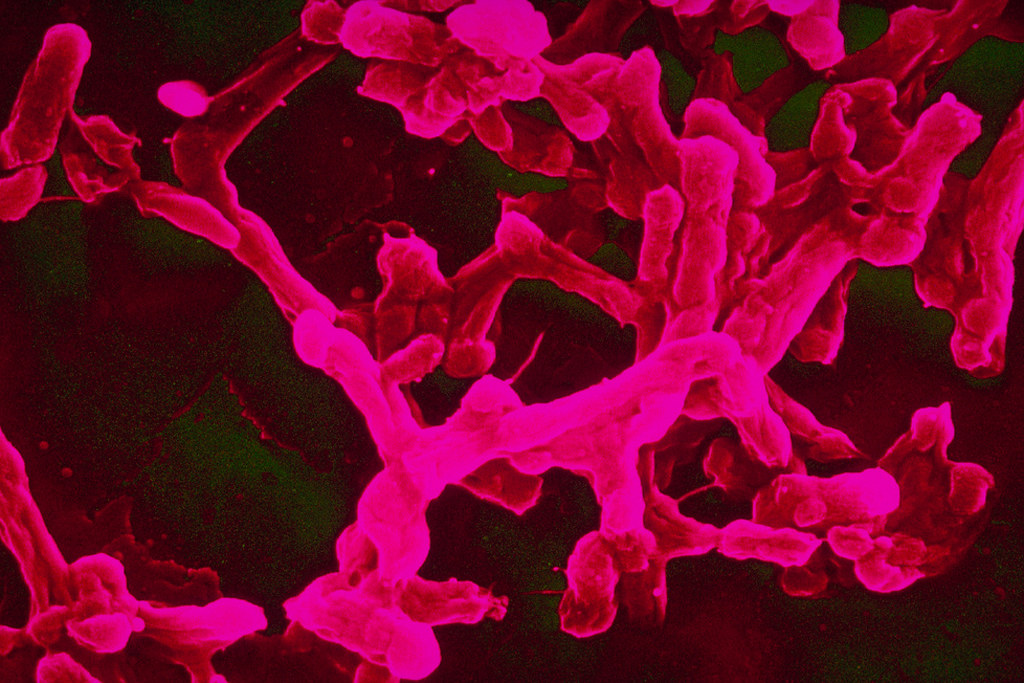
Untreatable no longer! Scientists at the Wistar Institute have discovered a way to combat antibiotic-resistant bacterial infections.
COVID-19 stay-at-home orders have had a divided impact on health, and new research finds that the effect is different for people with obesity.
Kate Stone With COVID-19 vaccinations in short supply, consistent government messaging in its infancy, and distribution plans taking stumbling first…
Digging in the ground impacts the atmosphere. Changes in land use have driven emissions, which in turn have contributed to climate change.
New England Journal of Medicine confirmed that the Moderna COVID-19 vaccine known as mRNA-1273 was 94.1% efficacious in preventing COVID-19.