Can COVID-19 Cause Parkinson’s Disease Later?
Research on mice suggests people infected with COVID-19 may be at increased risk of Parkinson’s disease long after the infection has cleared.
Making Science Make Sense

Research on mice suggests people infected with COVID-19 may be at increased risk of Parkinson’s disease long after the infection has cleared.
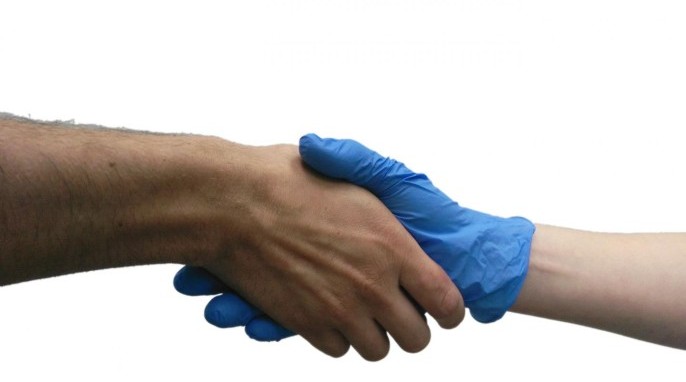
Why do people shake hands? A Weizmann Institute study suggests one of the reasons for handshakes may be to discretely sniff each other.
Researchers are studying the brain circuits affected by depression and anxiety, opening the way for more effective treatments.
Cases of depression are on the rise. Now, scientists are busy uncovering new neuroscience mechanisms underlying the cause of depression.
Eye-movement desensitization and reprocessing (EMDR) therapy helps people with PTSD by changing the way their brains remember traumatic events.
Pernille Bülow has a PhD in Neuroscience and currently works as a Product Specialist on neurophysiology at iMotions. Learn about her career!
Does the smell of freshly baked cookies make you think of your grandmother’s house? Neuroscientists call this an associative memory.
People on the autism spectrum can struggle with social interactions. Research suggests this may be connected to hyper-sensitive reactions to touch.
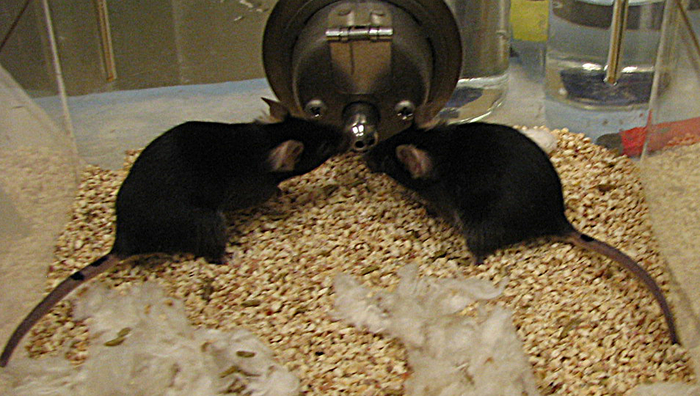
Is there a genetic component to friendship? Mice prefer friends who are genetically similar to them, regardless of other factors.
Brain cholesterol levels may be the key to understanding and treating Alzheimer’s disease, according to a new study.