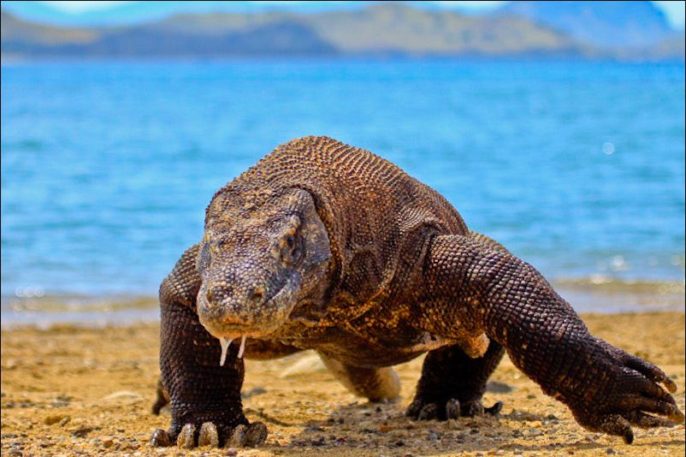
Komodo Dragon Blood Inspires Alternative Antibiotic
By Katherine Lindemann In light of growing concerns about antibiotic resistance, the search is on for alternatives to existing antibiotics.…
Making Science Make Sense

By Katherine Lindemann In light of growing concerns about antibiotic resistance, the search is on for alternatives to existing antibiotics.…
Human cells need iron, and so does bacteria. Bacteria make siderophores, scavenger molecules that leave the cell to poach iron from hosts.
By 2060, around 98 million people over the age of 65 will be living in the United States. What science can do for the aging brain?
Miriam Doyle is a public health professional and one of an estimated forty thousand people who participated in the 2017…
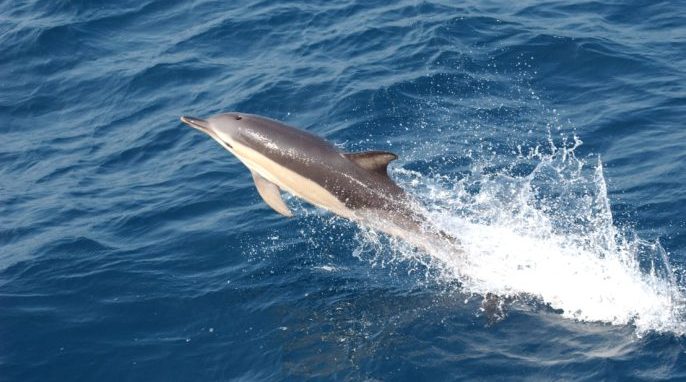
Studying the dolphin genome is revealing information that could benefit human health. Scientists are building a database full of dolphin…
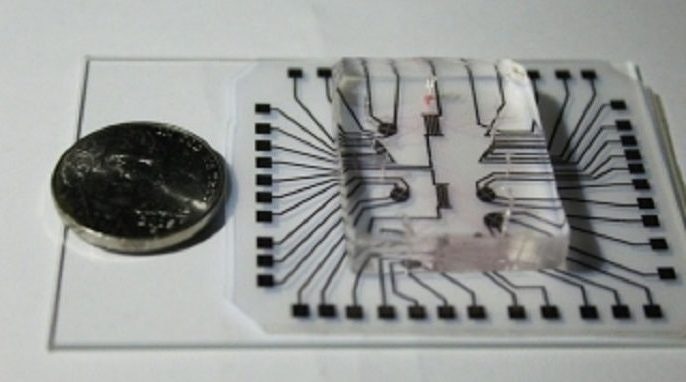
Scientists have developed a reusable lab on a chip (LOC) that can be printed using an inkjet printer at an…
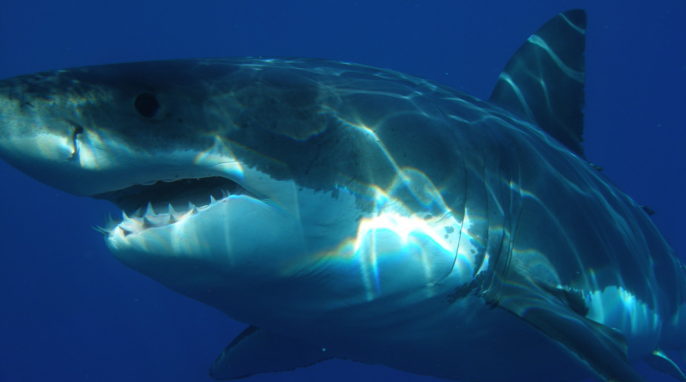
Large sharks are known to heal rapidly and resist cancer. Could humans possibly learn how sharks do it and copy them?
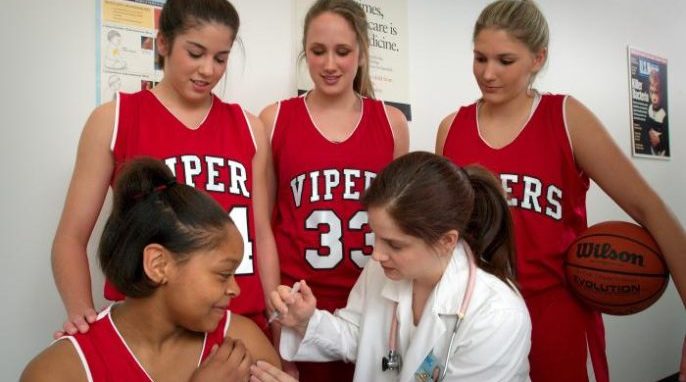
By Cathy Seiler January is Cervical Health Awareness Month. What do you know about cervical cancer? Probably the only time you…
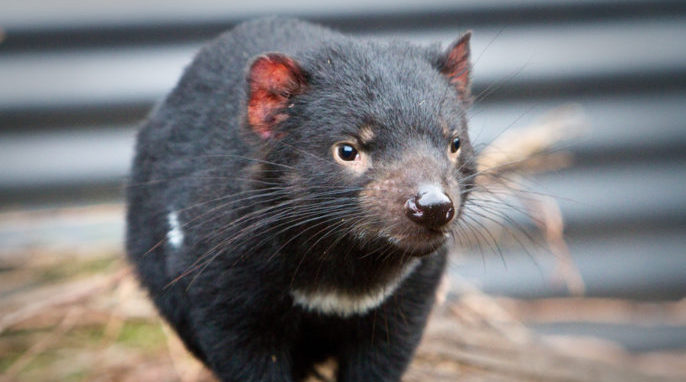
Tasmanian devils are the largest remaining marsupial carnivore. They are social and aggressive, and they’re suffering from facial tumors.
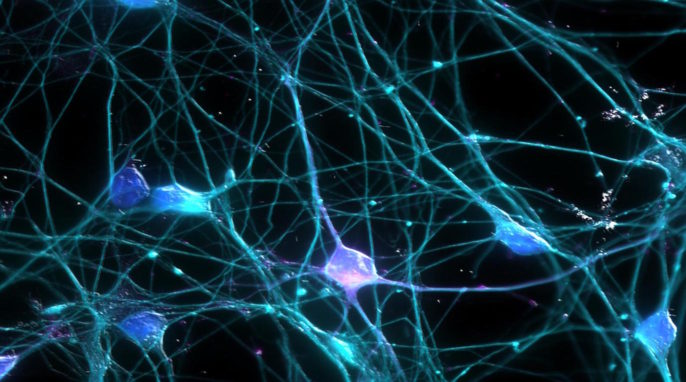
Sometimes our brain cells die, and researchers want to know why. Johns Hopkins University researchers may have found the answer.