Skip to content

Science Connected Magazine

Making Science Make Sense

Bigyapaan Image
  • About
    • FAQ
    • Science Connected
    • Writers
    • Advisors
    • Policy on AI Use
    • Practice SciComm
    • Submission Guidelines
    • Permissions
    • Contact
  • Subjects
    • Science and Art
    • Life Sciences and Biomedicine
      • Anthropology
      • Biodiversity and Conservation
      • Biology
      • Botany
      • Citizen Science
      • Neuroscience
      • Ecology
      • Environment
        • Climate Change
        • Sustainable Living
      • Genetics and Heredity
      • Health
        • COVID-19
      • Marine and Freshwater Biology
      • Paleontology
      • Zoology
        • Ornithology
    • Physical Sciences
      • Astronomy and Astrophysics
      • Chemistry
      • Geology
      • Mathematics
      • Oceanography
      • Physics
    • Social Sciences
      • Archaeology
      • Language and Linguistics
      • Psychology
      • Science Policy
        • Science Debate Series
    • Technology
      • Computer Science
      • Engineering
      • New Technologies
    • Opinions and Editorials
  • Blogs
    • The SciStarter Blog
    • There Be Dragons Everywhere
  • Videos
    • It’s Ok to Be Smart
    • PBS Eons
    • Science With Sophie
    • Shelf Life from AMNH
    • Cat Behavior with Simon’s Cat Logic
  • STEM Education
    • FREE RESOURCES
    • Book Catalog
    • For Grades 7-12
    • For Grades K-6
    • iBiome Games
    • Book Recommendations
    • Get to Know a Scientist
  • Bookstore
  • Swag Shop
  • DONATE
  • Volunteer
  • Subscribe

Month: April 2020

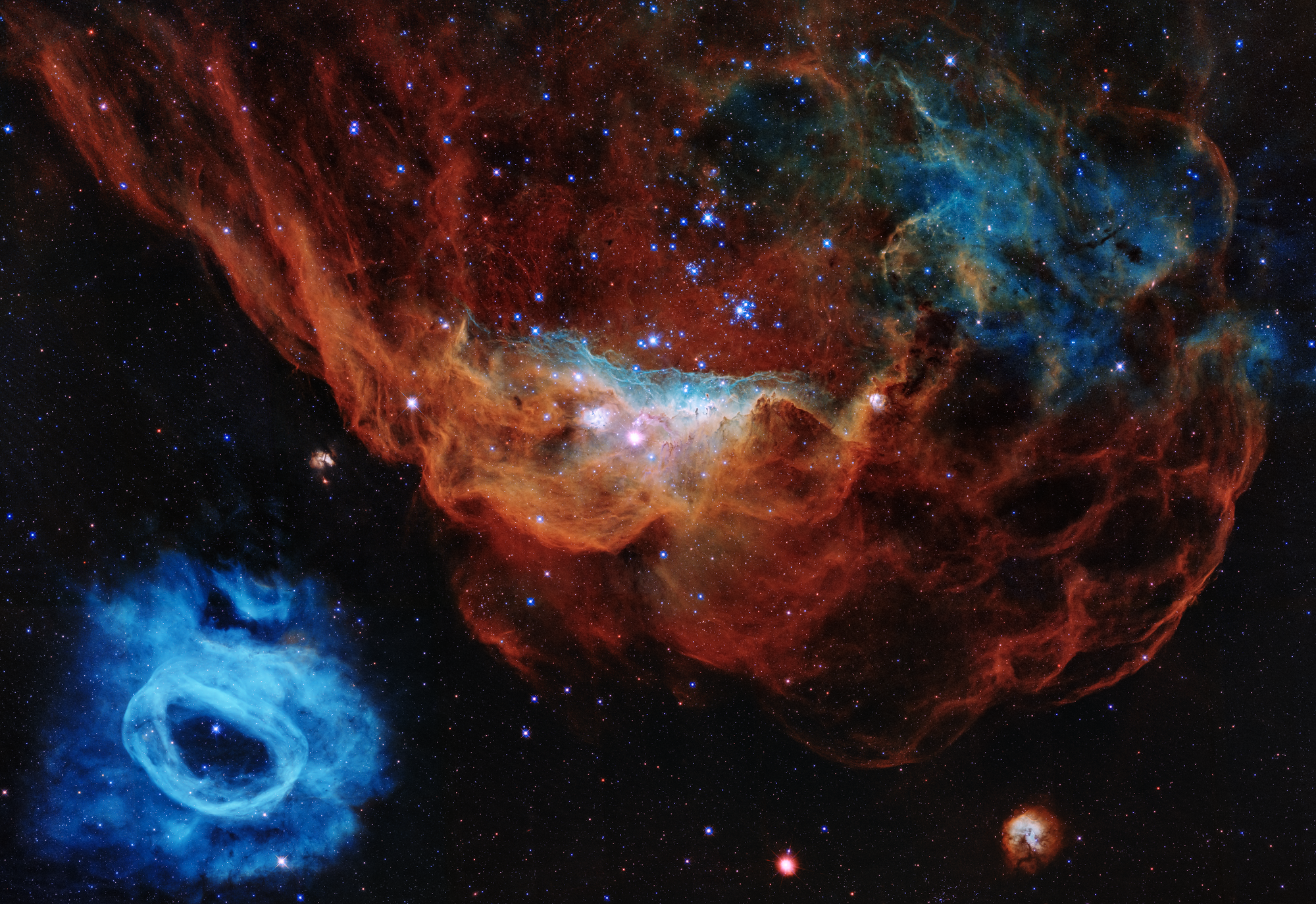
Thirty Years of the Hubble Space Telescope
Astronomy and Astrophysics New Technologies Science Videos

Thirty Years of the Hubble Space Telescope

April 30, 2020April 30, 2020

Orbiting high above the Earth, the Hubble Space Telescope has a clear view of the universe free from the blurring and absorbing effects of the atmosphere.

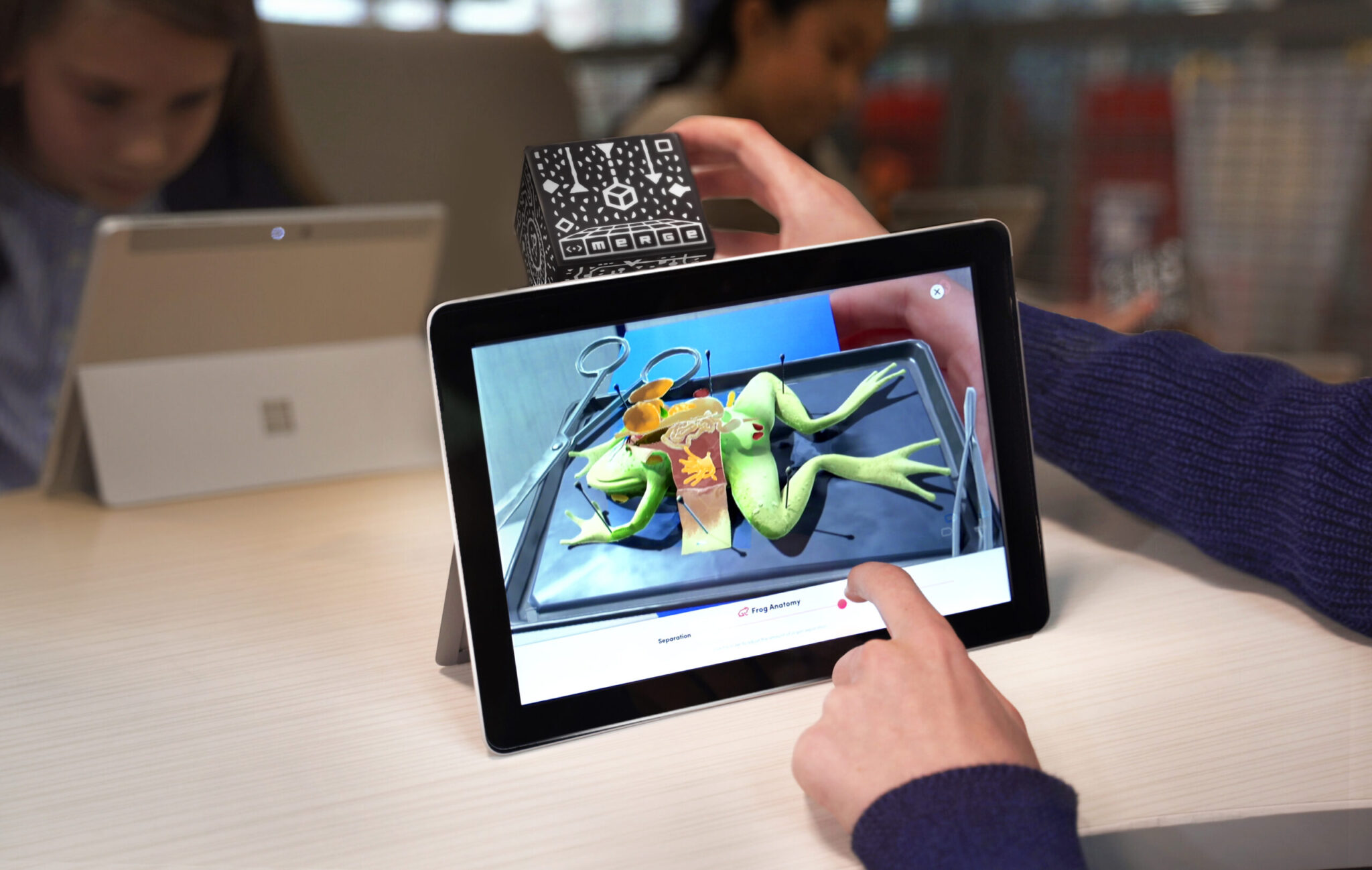
Virtual Dissection: AnimaLEARNing from Home
Biology New Technologies STEM Education

Virtual Dissection: AnimaLEARNing from Home

April 29, 2020May 17, 2021

Can you teach life science without animals? Yes, with VR, simulated bodies, and other cool tech. Here is a list of free and affordable resources to teach anatomy without taking the lives of animals, provided by our friends at AnimaLEARN.

Poor Mental Health Linked to Hotter Days
Climate Change Environment Health

Poor Mental Health Linked to Hotter Days

April 27, 2020April 27, 2020

In the midst of a global warming crisis, a new study finds that hot days above 80 degrees are taking a toll on people’s psychological well-being.

Revisiting Use of Psychedelics in Psychiatry
Chemistry Health

Revisiting Use of Psychedelics in Psychiatry

April 20, 2020July 24, 2023

A resurgence of testing of psychedelics, which fell from grace in the mid-twentieth century, sheds new light on their therapeutic benefits.

Spring in the Time of Coronavirus
Botany Environment

Spring in the Time of Coronavirus

April 15, 2020April 5, 2021

As we shelter in place this spring, how can we retain our connection to Earth and to celebrate the Spring Equinox as so many have done before us?

Lithology: Public and Geologists Collaborate
Citizen Science Geology

Lithology: Public and Geologists Collaborate

April 13, 2020April 10, 2020

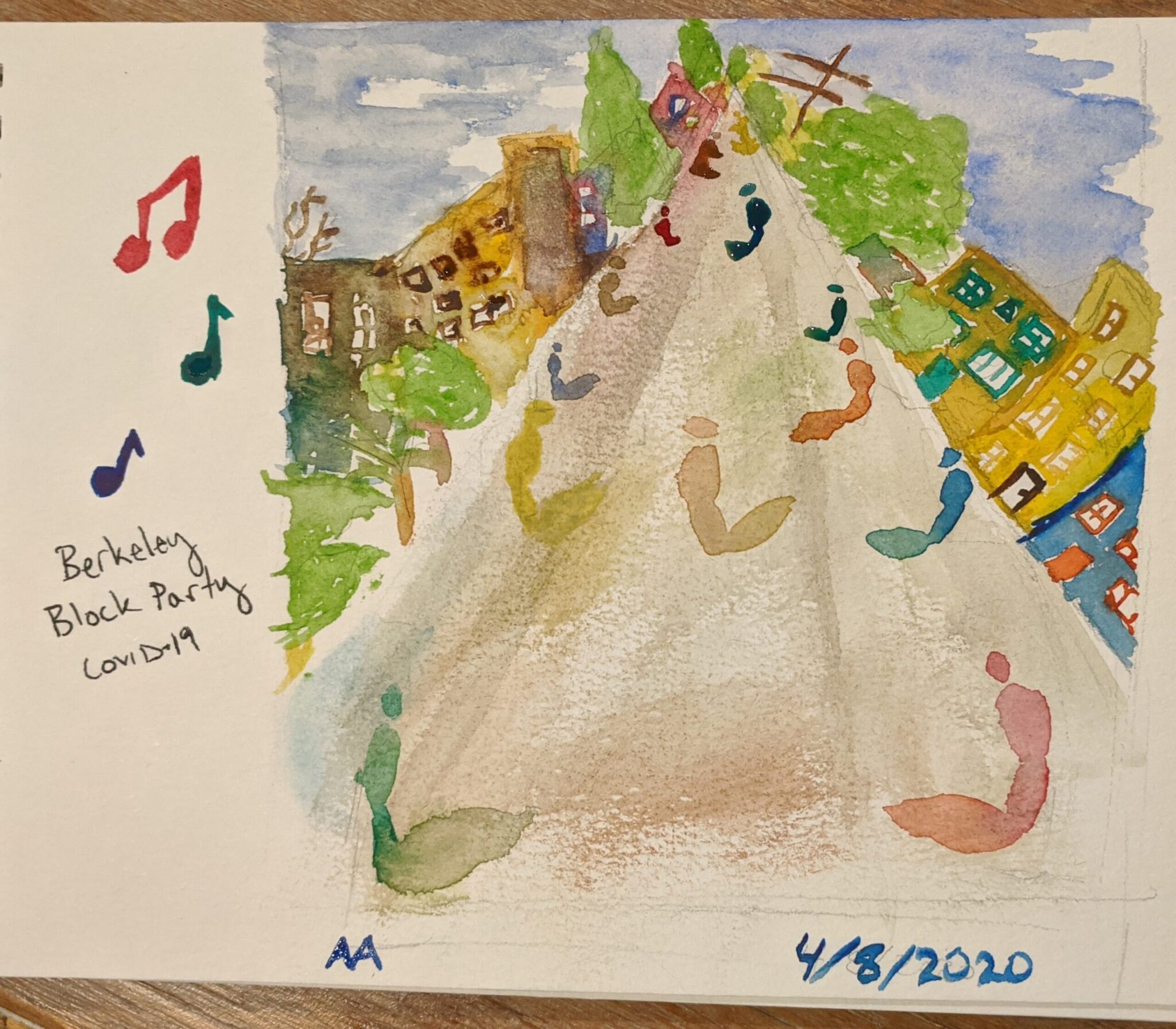
During the COVID-19 lockdown, a participatory lithology project brings people together online by helping them rediscover forgotten rock collections.

To Sea Turtles, Ocean Plastic Smells Like Food
Environment Oceanography Zoology

To Sea Turtles, Ocean Plastic Smells Like Food

April 8, 2020April 8, 2020

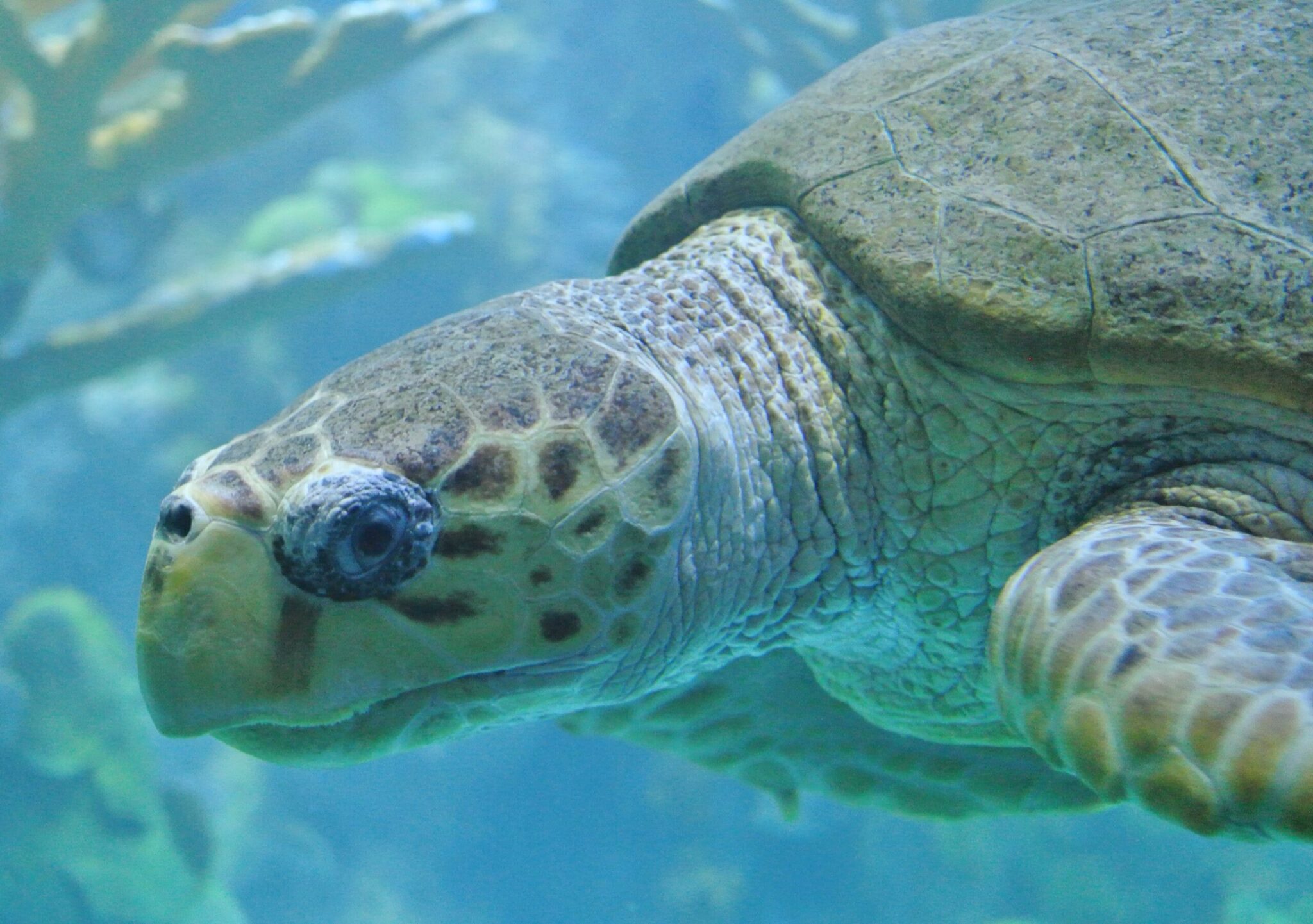
Sea turtles may eat plastic found in the ocean because it builds up a layer of microorganisms and smells the same as their food, a new study finds.

Impact of Air Conditioning on Climate and Disease
Environment Health

Impact of Air Conditioning on Climate and Disease

April 6, 2020May 3, 2021

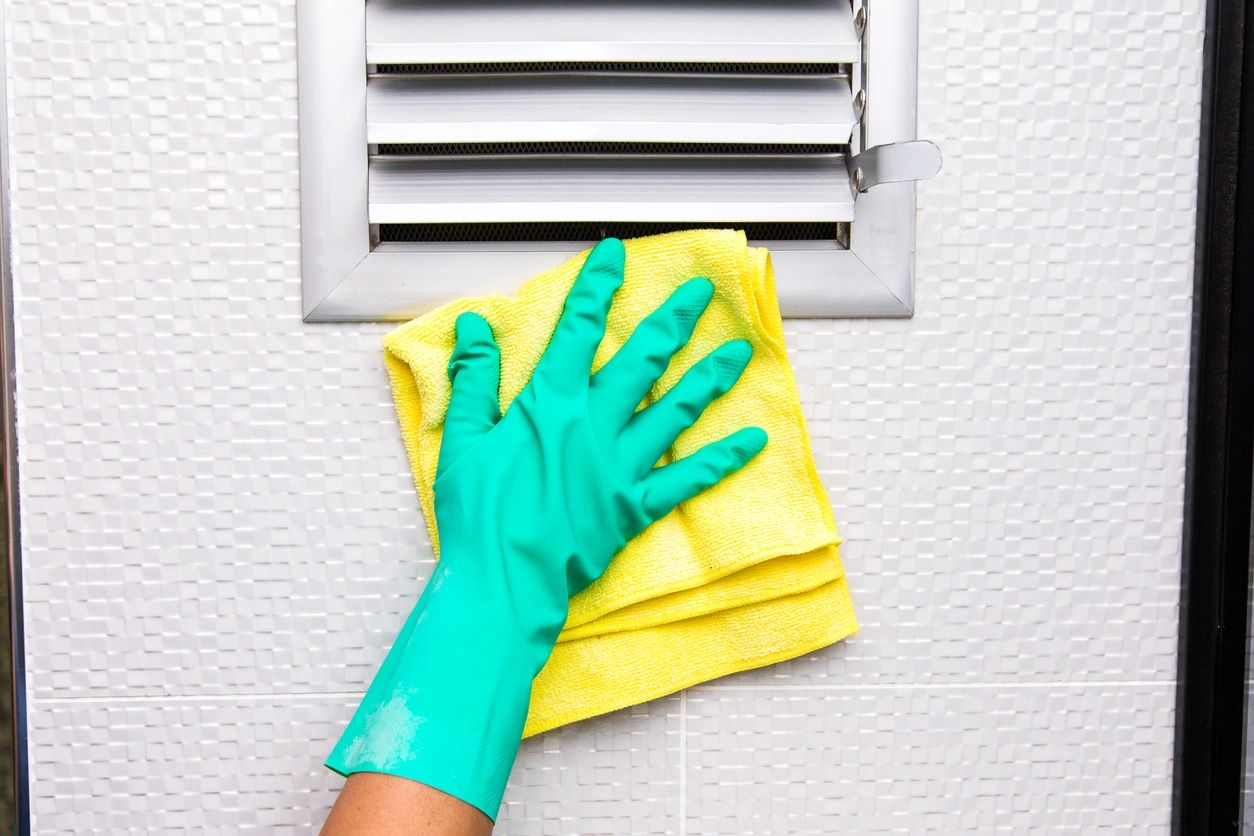
Air conditioning recirculates indoor air, leaving users more exposed to airborne disease and increasing carbon dioxide levels due to poor ventilation.

Help Researchers Track Coronavirus by Reporting Your COVID-19 Symptoms Online
Citizen Science Health SciStarter Blog

Help Researchers Track Coronavirus by Reporting Your COVID-19 Symptoms Online

April 3, 2020April 2, 2020

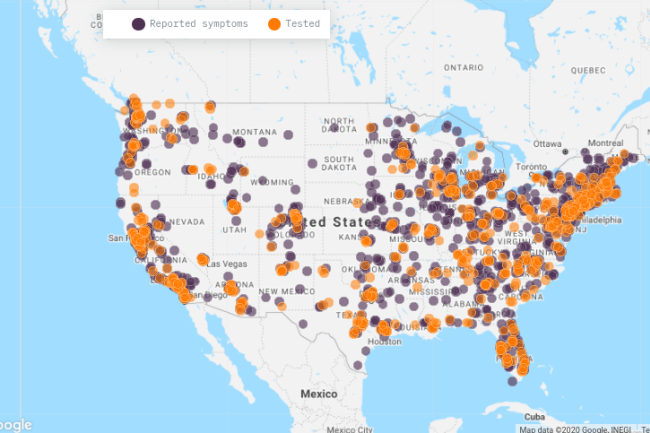
Many Americans have COVID-19-like symptoms, but can’t get a diagnosis because of the appalling shortage of test kits. This is dangerous for everyone. Now, You can help track coronavirus with a citizen science project.

Are We Beating COVID-19?
Health Mathematics Science Videos

Are We Beating COVID-19?

April 2, 2020April 1, 2020

Around the world, people are working to keep each other safe and slow the spread of the virus. We are…

  • LinkedIn
  • Bluesky
  • Instagram
  • Facebook
  • X
  • Mail
subscribe to Science Connected Digest Weekly

Make a Donation

Science Connected Magazine is an editorially independent, non-profit newsroom producing open-access science journalism.

Contact

Terms of Use

Privacy Policy

Style Guide

ScienceConnected.Org

Copyright © 2025 Science Connected, All Rights Reserved | Ace News by Ascendoor | Powered by WordPress.