Skip to content

Science Connected Magazine

Making Science Make Sense

Bigyapaan Image
  • About
    • FAQ
    • Science Connected
    • Writers
    • Advisors
    • Policy on AI Use
    • Practice SciComm
    • Submission Guidelines
    • Permissions
    • Contact
  • Subjects
    • Science and Art
    • Life Sciences and Biomedicine
      • Anthropology
      • Biodiversity and Conservation
      • Biology
      • Botany
      • Citizen Science
      • Neuroscience
      • Ecology
      • Environment
        • Climate Change
        • Sustainable Living
      • Genetics and Heredity
      • Health
        • COVID-19
      • Marine and Freshwater Biology
      • Paleontology
      • Zoology
        • Ornithology
    • Physical Sciences
      • Astronomy and Astrophysics
      • Chemistry
      • Geology
      • Mathematics
      • Oceanography
      • Physics
    • Social Sciences
      • Archaeology
      • Language and Linguistics
      • Psychology
      • Science Policy
        • Science Debate Series
    • Technology
      • Computer Science
      • Engineering
      • New Technologies
    • Opinions and Editorials
  • Blogs
    • The SciStarter Blog
    • There Be Dragons Everywhere
  • Videos
    • It’s Ok to Be Smart
    • PBS Eons
    • Science With Sophie
    • Shelf Life from AMNH
    • Cat Behavior with Simon’s Cat Logic
  • STEM Education
    • FREE RESOURCES
    • Book Catalog
    • For Grades 7-12
    • For Grades K-6
    • iBiome Games
    • Book Recommendations
    • Get to Know a Scientist
  • Bookstore
  • Swag Shop
  • DONATE
  • Volunteer
  • Subscribe

Category: Life Sciences and Biomedicine

We’ve All Got a Blind Spot, and Can Shrink It
Biology Health

We’ve All Got a Blind Spot, and Can Shrink It

October 26, 2022April 14, 2025

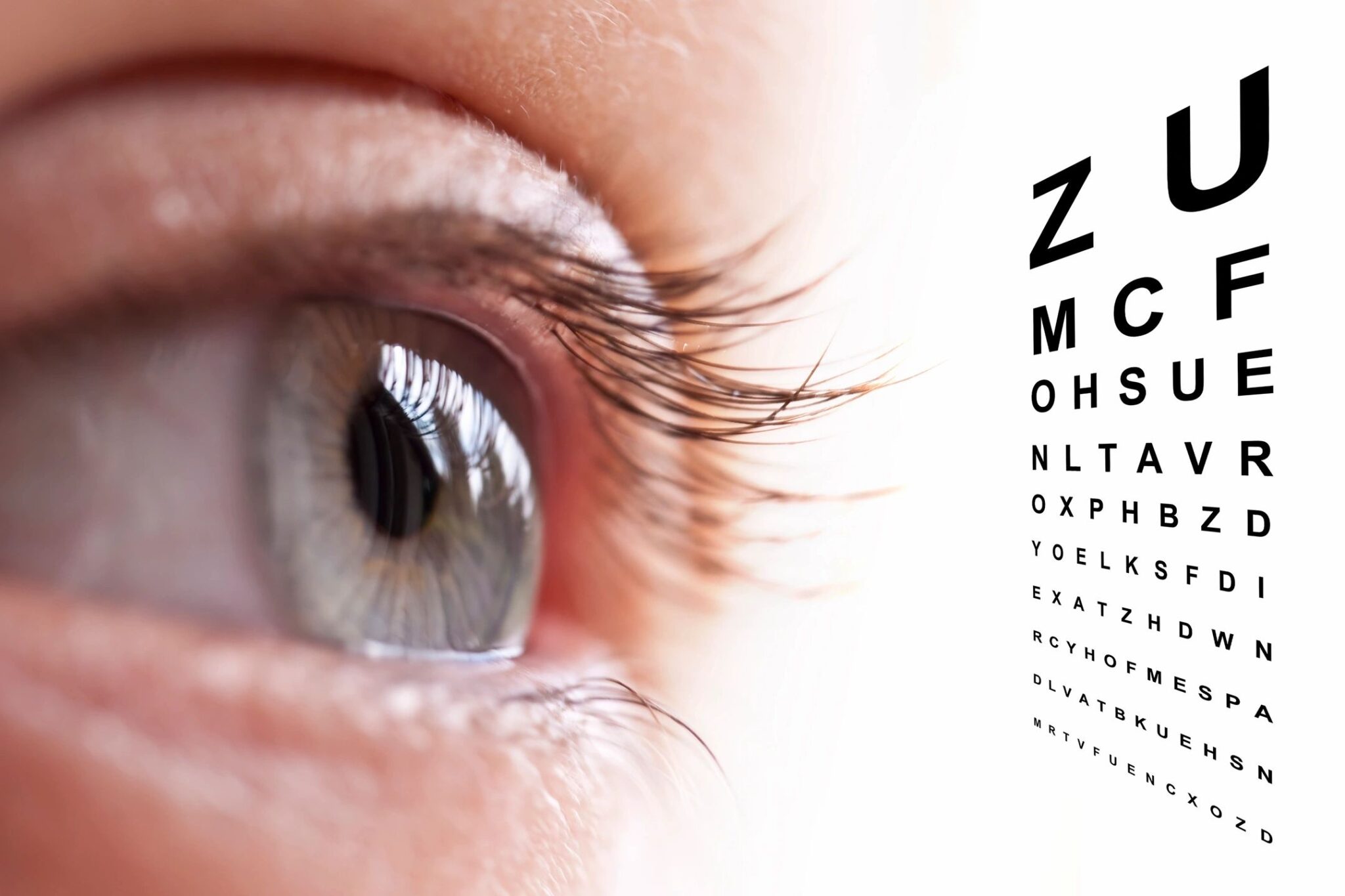
The human eye does have a built-in blind spot. New research suggests that we can shrink it, and maybe even reverse blindness as a result.

Girl Scouts: Citizen Scientists
Botany Climate Change Environment SciStarter Blog

Girl Scouts: Citizen Scientists

October 14, 2022February 17, 2025

The Girl Scouts have made trees a big part of their citizen science efforts. Read on for ways you can participate—scout or not!

“Flu Finders” Teaches What to Do When Sick
Book Reviews Public Health

“Flu Finders” Teaches What to Do When Sick

October 7, 2022October 7, 2022

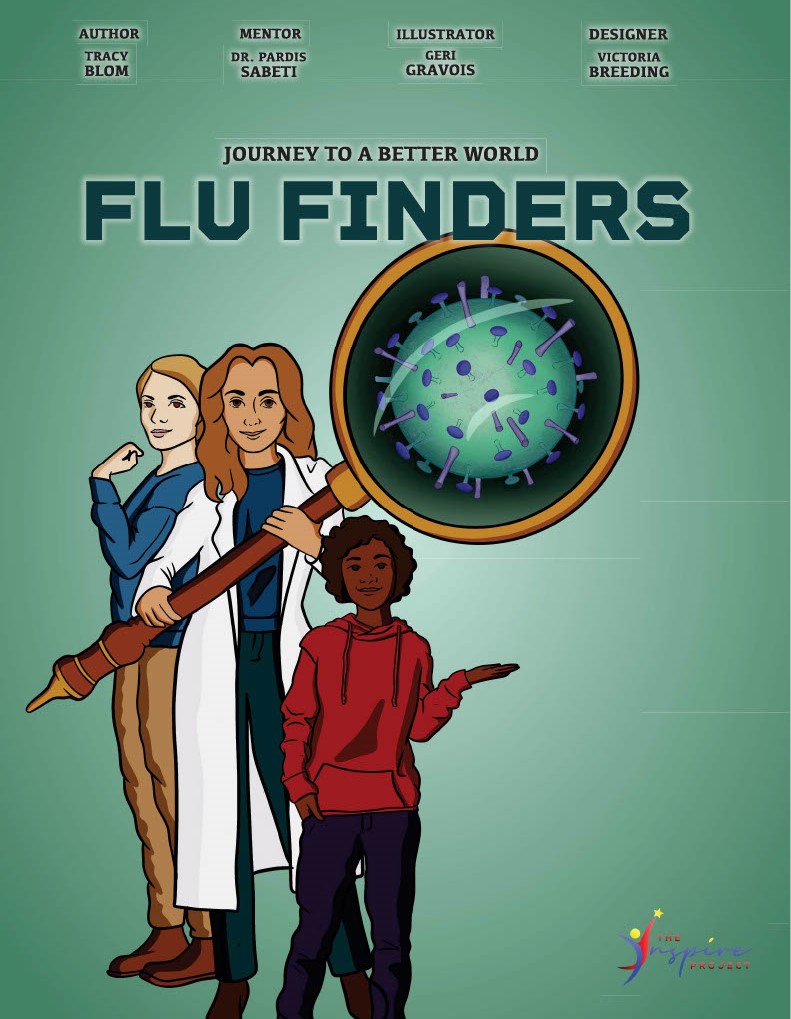
Using the influenza virus, Flu Finders explains and reinforces the lessons many young readers were taught about what to do when you get sick.

Human Scent May Help Manage Mosquitoes
Biology Public Health

Human Scent May Help Manage Mosquitoes

October 5, 2022October 4, 2022

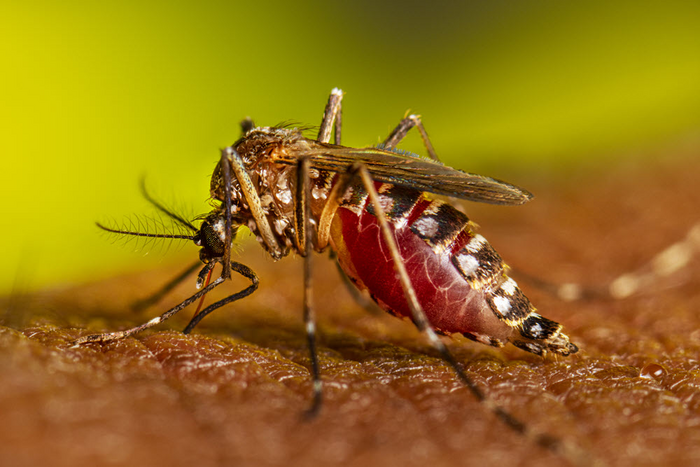
Mosquitoes are drawn to a chemical mixture found on the skin, but what these specific compounds are had not been pinpointed until a recent study.

“Worrisome Waters” Tackles Water Pollution
Book Reviews STEM Education Water Pollution

“Worrisome Waters” Tackles Water Pollution

September 16, 2022October 24, 2022

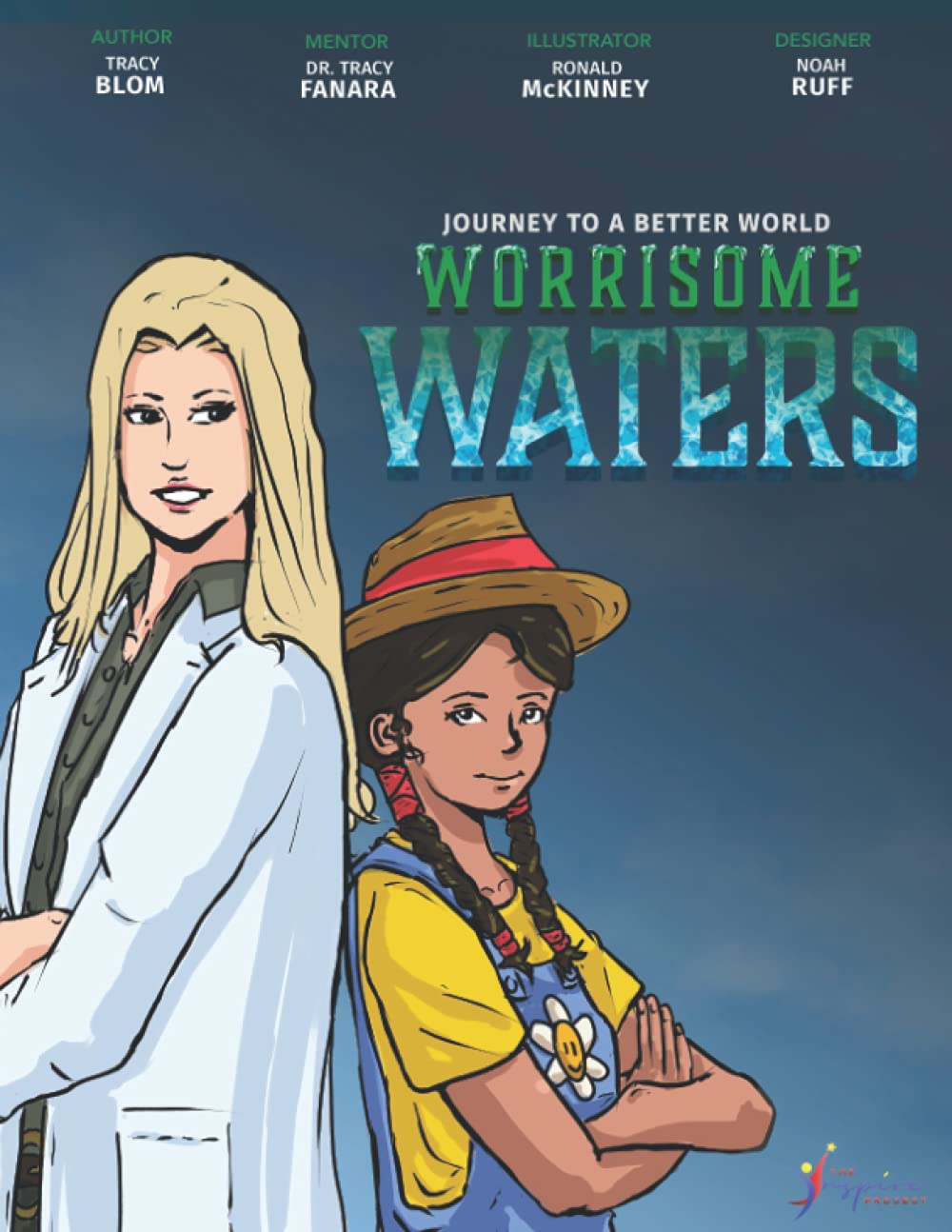
The first book in the Journey to a Better World series teaches kids about the causes and effects of water pollution and what people can do to help.
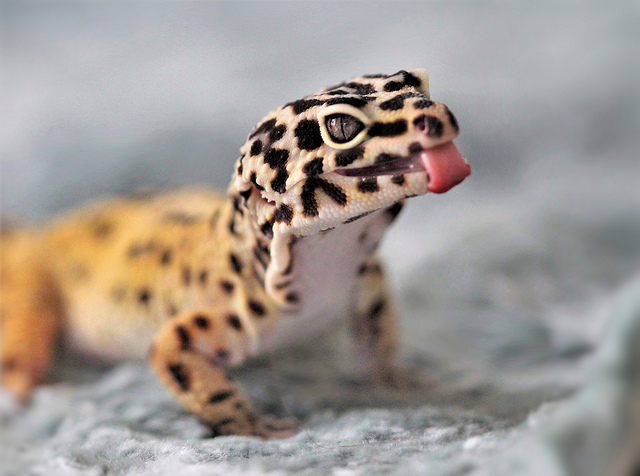
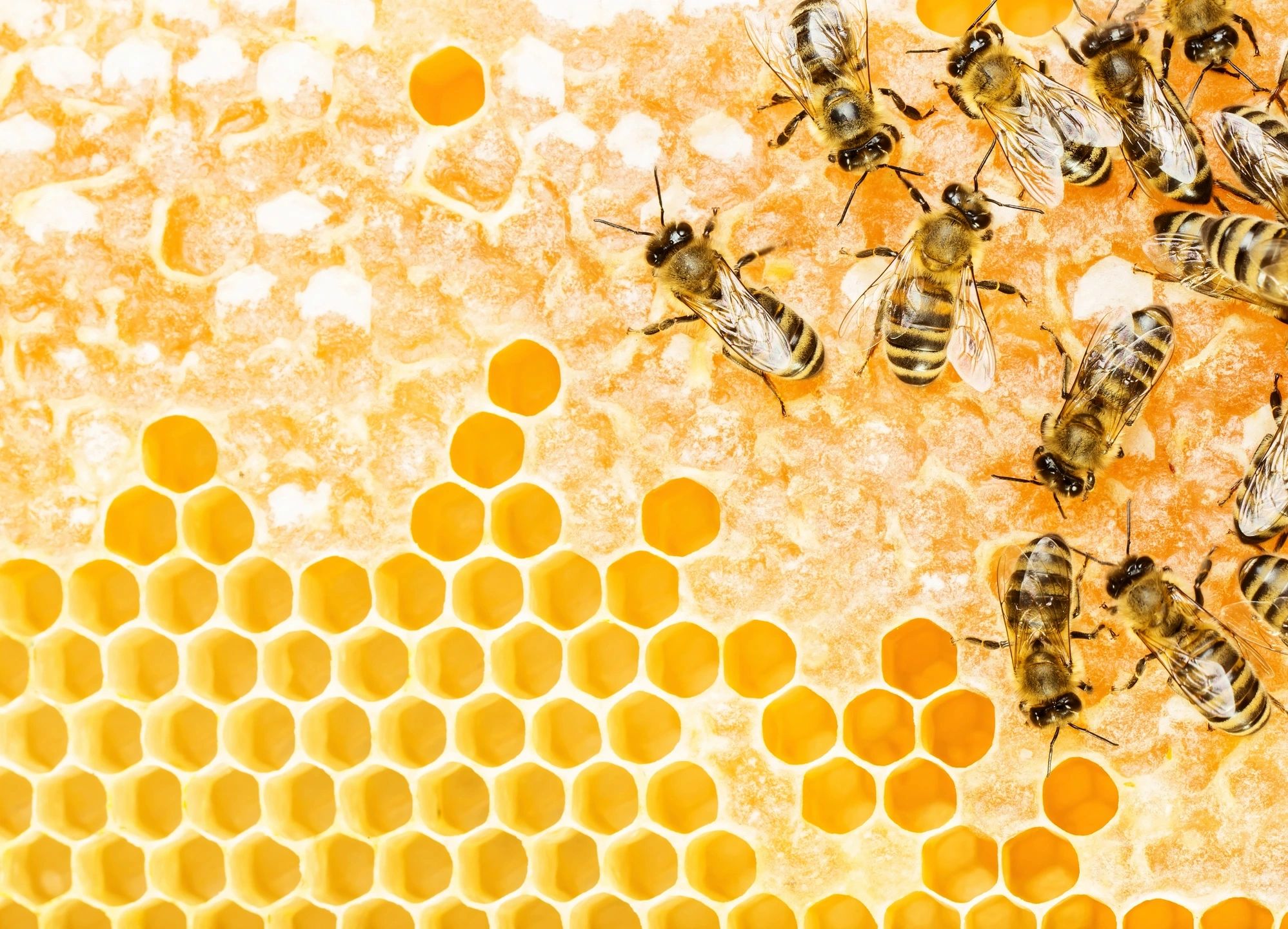
Get to Know a Scientist: Biologist Dr. Jamie Newman
Biology Get to Know a Scientist

Get to Know a Scientist: Biologist Dr. Jamie Newman

September 9, 2022November 17, 2025

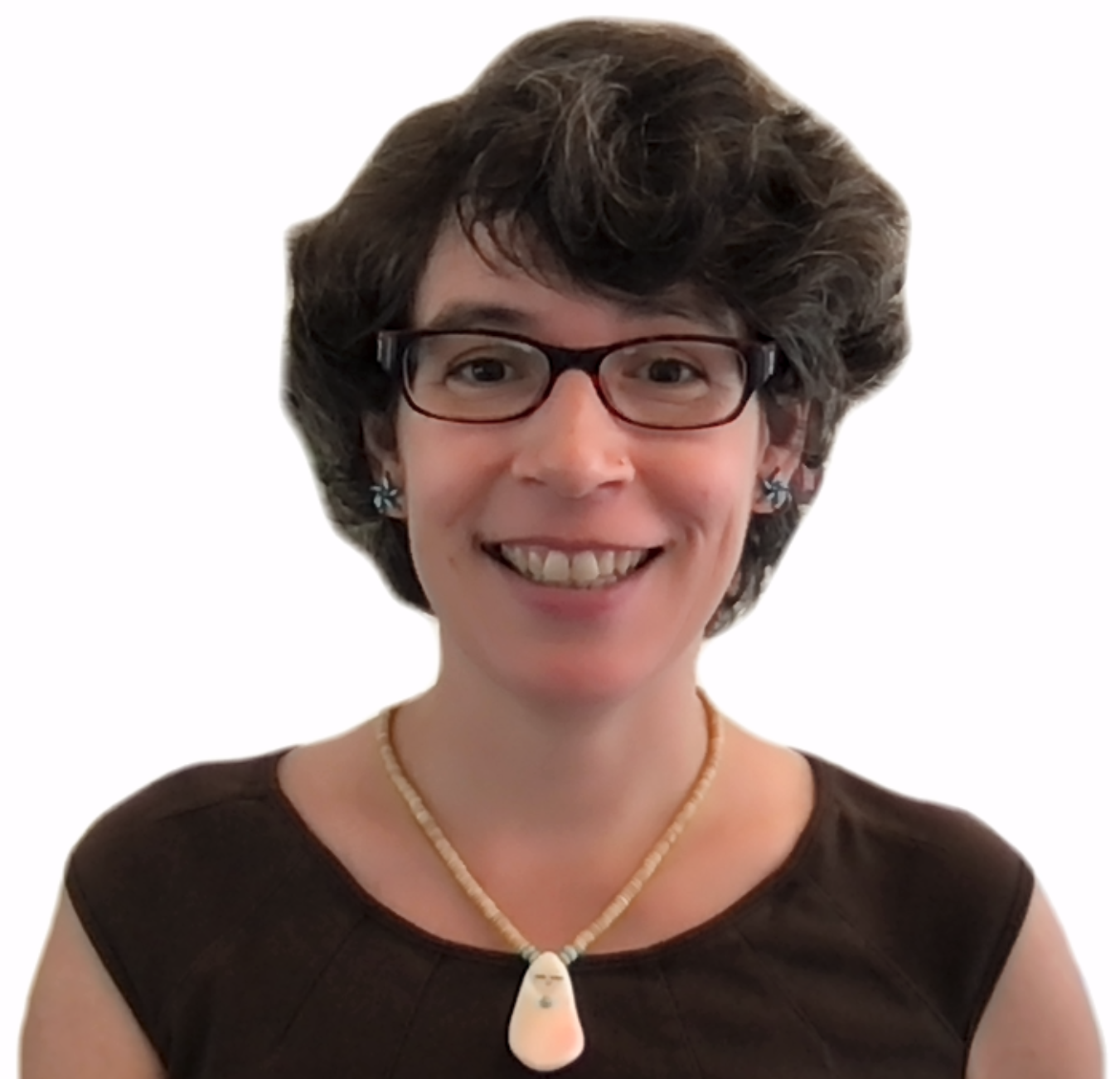
A biologist studies living things: how their internal processes work, how they evolved, how they relate to their environment, and more! Introducing Dr. Jamie Newman, who tells us about herself and her career.

VISTA Center students illustrate first book of “Journey to a Better World” series
Book Reviews STEM Education Water Pollution

VISTA Center students illustrate first book of “Journey to a Better World” series

September 7, 2022October 7, 2022

The Journey To a Better World book series is now available from VISTA and the Inspire Project. Teach children about making a positive impact.

Moths Know Where to Go: A Look at Moth Migration
Biology Zoology

Moths Know Where to Go: A Look at Moth Migration

August 31, 2022April 29, 2024

Moth migration may be guided by an internal compass to find the way, according to a new study that tracked flight paths of individual moths.

Let’s Do Some Doggone Science With Your Pup!
Citizen Science SciStarter Blog Zoology

Let’s Do Some Doggone Science With Your Pup!

August 26, 2022August 25, 2022

Check out these five citizen science projects to celebrate National Dog Day on August 26!

Using AI to Detect Neurological Disorders
Health Neuroscience Technology

Using AI to Detect Neurological Disorders

August 24, 2022August 23, 2022

Neurological disorders like Alzheimer’s, schizophrenia, and autism spectrum disorder can be detected using artificial intelligence.

Posts navigation

Older posts
Newer posts
  • LinkedIn
  • Bluesky
  • Instagram
  • Facebook
  • X
  • Mail
subscribe to Science Connected Digest Weekly

Make a Donation

Science Connected Magazine is an editorially independent, non-profit newsroom producing open-access science journalism.

Contact

Terms of Use

Privacy Policy

Style Guide

ScienceConnected.Org

Copyright © 2025 Science Connected, All Rights Reserved | Ace News by Ascendoor | Powered by WordPress.