Skip to content

Science Connected Magazine

Making Science Make Sense

Bigyapaan Image
  • About
    • FAQ
    • Science Connected
    • Writers
    • Advisors
    • Policy on AI Use
    • Practice SciComm
    • Submission Guidelines
    • Permissions
    • Contact
  • Subjects
    • Science and Art
    • Life Sciences and Biomedicine
      • Anthropology
      • Biodiversity and Conservation
      • Biology
      • Botany
      • Citizen Science
      • Neuroscience
      • Ecology
      • Environment
        • Climate Change
        • Sustainable Living
      • Genetics and Heredity
      • Health
        • COVID-19
      • Marine and Freshwater Biology
      • Paleontology
      • Zoology
        • Ornithology
    • Physical Sciences
      • Astronomy and Astrophysics
      • Chemistry
      • Geology
      • Mathematics
      • Oceanography
      • Physics
    • Social Sciences
      • Archaeology
      • Language and Linguistics
      • Psychology
      • Science Policy
        • Science Debate Series
    • Technology
      • Computer Science
      • Engineering
      • New Technologies
    • Opinions and Editorials
  • Blogs
    • The SciStarter Blog
    • There Be Dragons Everywhere
  • Videos
    • It’s Ok to Be Smart
    • PBS Eons
    • Science With Sophie
    • Shelf Life from AMNH
    • Cat Behavior with Simon’s Cat Logic
  • STEM Education
    • FREE RESOURCES
    • Book Catalog
    • For Grades 7-12
    • For Grades K-6
    • iBiome Games
    • Book Recommendations
    • Get to Know a Scientist
  • Bookstore
  • Swag Shop
  • DONATE
  • Volunteer
  • Subscribe

Category: Life Sciences and Biomedicine

Human Migration Trends Toward Wildfire Hot Spots
Anthropology Climate Change

Human Migration Trends Toward Wildfire Hot Spots

January 27, 2023September 9, 2024

Research into human migration shows distinct patterns, including the surprising trend toward areas affected by wildfires.

Play in the snow … for science!
Blogs Citizen Science Environment SciStarter Blog

Play in the snow … for science!

January 25, 2023January 22, 2023

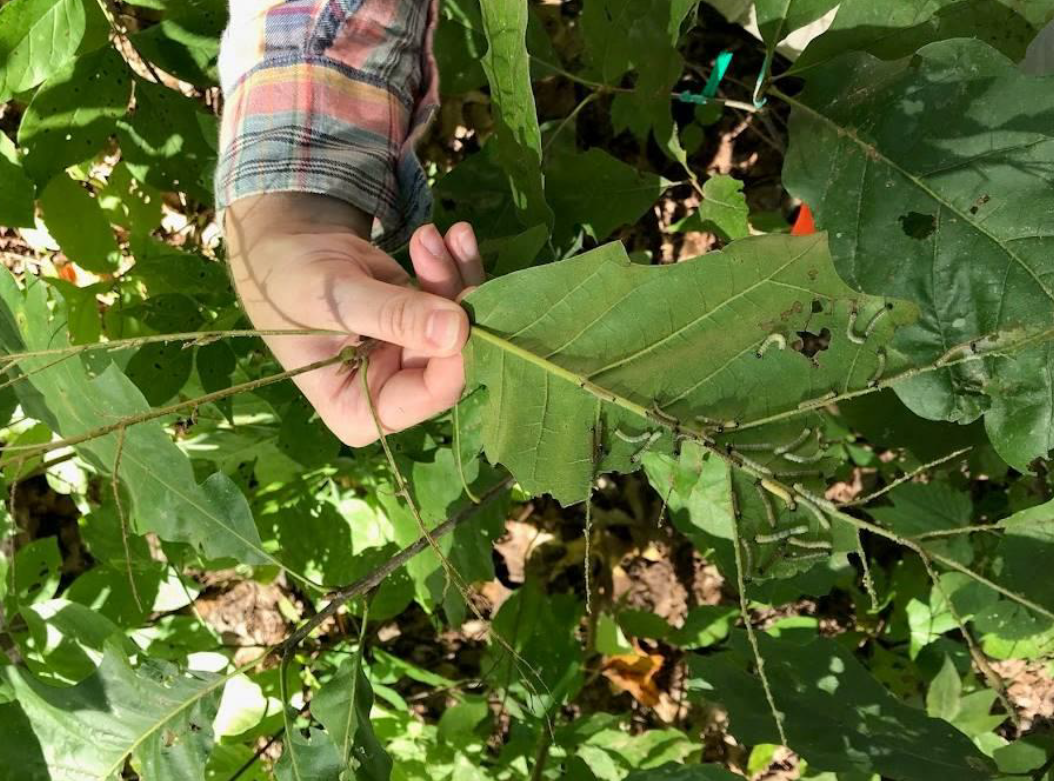
These five citizen science projects call on you to observe your local weather and bodies of water, snow or no!

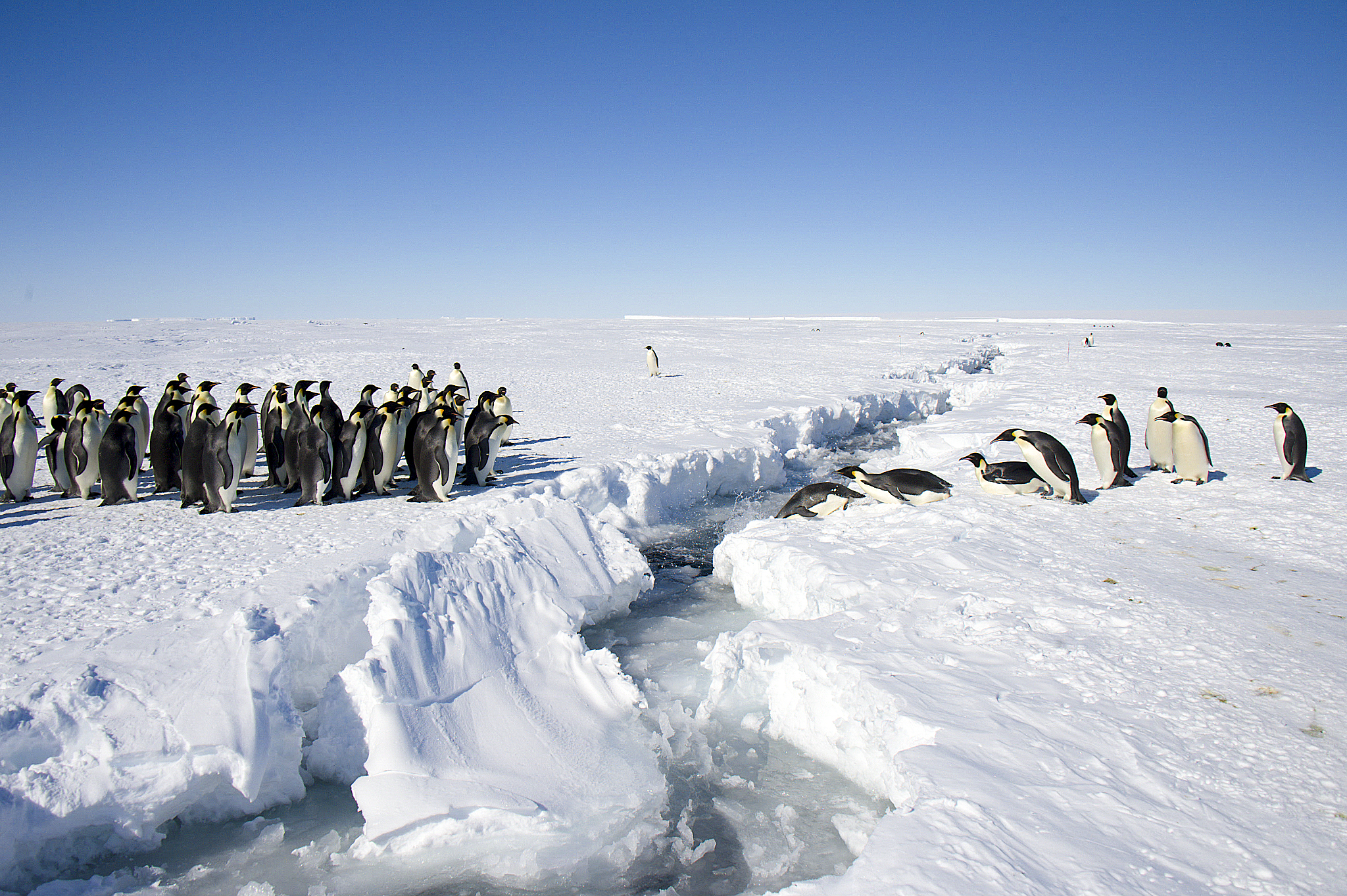
Emperor Penguins Now a Threatened Species
Biodiversity and Conservation Climate Change Ornithology

Emperor Penguins Now a Threatened Species

January 18, 2023January 17, 2023

Emperor penguins officially a threatened species because of projections of population decline from climate change and ineffective conservation.

Bats Protect Plants from Insects
Biodiversity and Conservation Environment

Bats Protect Plants from Insects

January 13, 2023February 21, 2025

Bats play an important role in forest ecosystems because of what’s called trophic cascades: they eat insects that eat trees.

Diet-Resistant Women Respond Well to Exercise
Health

Diet-Resistant Women Respond Well to Exercise

January 4, 2023September 3, 2024

Exercise may stimulate changes to the body at a cellular level, leading to new treatment possibilities for diet-resistant women with obesity.

Is Drumming Like Singing? A Focus on Woodpeckers
Biology Ornithology

Is Drumming Like Singing? A Focus on Woodpeckers

December 28, 2022December 25, 2022

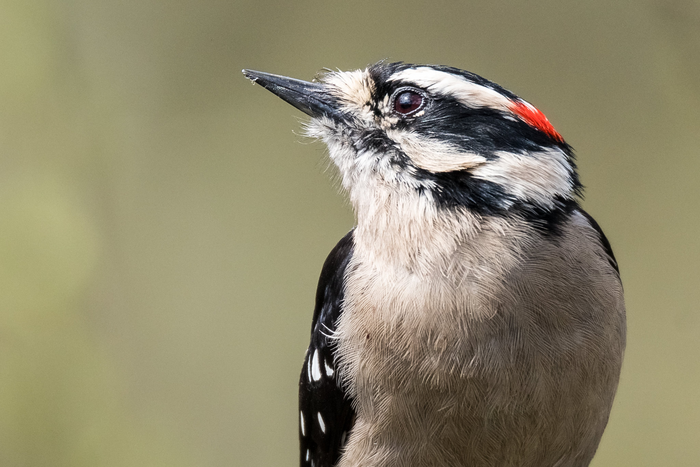
Woodpeckers may not sing out melodies, but a new study hones in on how their drumming may be similar to birdsong on a neural level.

Cats Are Calmed by Cat-Specific Music
Zoology

Cats Are Calmed by Cat-Specific Music

December 14, 2022January 19, 2026

Cats in a new study showed lower stress responses while listening to a certain type of music, which could help vet visits be less stressful.

Artificial Sweeteners Affect Our Bodies and Environment
Chemistry Environment Health

Artificial Sweeteners Affect Our Bodies and Environment

December 9, 2022October 28, 2024

Artificial sweeteners may have unintended effects on the body and the biosphere, so it is worth looking into natural sugar alternatives.

Pollinators Attracted by Hidden Patterns in Petals
Botany Chemistry

Pollinators Attracted by Hidden Patterns in Petals

December 7, 2022December 6, 2022

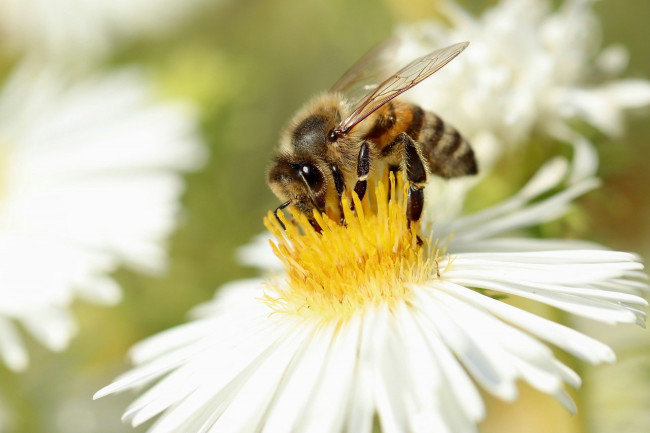
To better attract pollinators, plants change the chemical and physical properties of their petals to produce alluring colors.

Fungi Bioblitz Follow-Up
Biodiversity and Conservation Citizen Science Ecology Environment SciStarter Blog

Fungi Bioblitz Follow-Up

November 18, 2022June 17, 2026

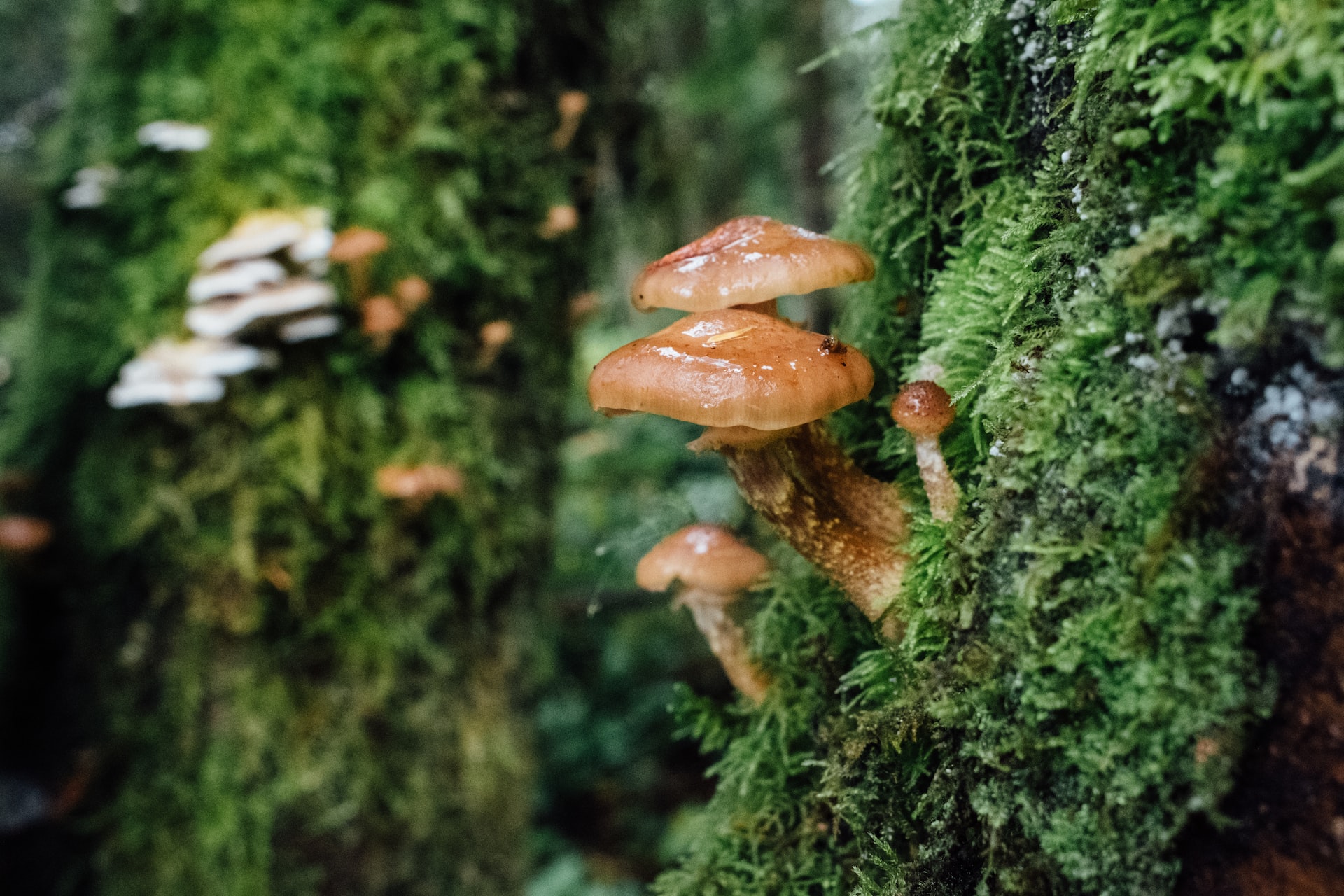
Did you participate in the largest ever fungi bioblitz? Read about the citizen science push cataloging fungi diversity in North America!

Posts navigation

Older posts
Newer posts
  • LinkedIn
  • Bluesky
  • Instagram
  • Facebook
  • X
  • Mail
subscribe to Science Connected Digest Weekly

Make a Donation

Science Connected Magazine is an editorially independent, non-profit newsroom producing open-access science journalism.

Contact

Terms of Use

Privacy Policy

Style Guide

ScienceConnected.Org

Copyright © 2025 Science Connected, All Rights Reserved | Ace News by Ascendoor | Powered by WordPress.