Predictive Power of Biomarkers in Pediatric ICU
Biomarkers allow doctors to detect kidney malfunction earlier, and have the potential to change how we test and treat diseases in the future.
Making Science Make Sense

Biomarkers allow doctors to detect kidney malfunction earlier, and have the potential to change how we test and treat diseases in the future.
Hydrogen sulfide, commonly known as rotten egg gas, does more than clear a room—it also helps regulate your important bodily functions, like breathing!
Less access to healthcare may be leading to worse outcomes for people with Alzheimer’s in rural areas—but a change due to COVID-19 just might help.
Did you know that fiber, in addition to it’s other well-known benefits, can help your body fight off bacteria? Find out how!
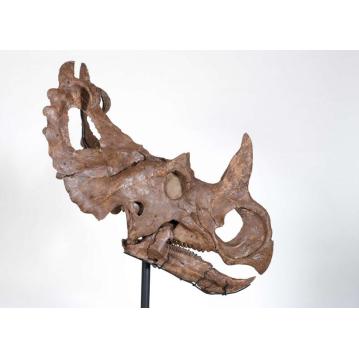
Did cancer kill the dinosaurs? A deformed dinosaur bone has given a glimpse of life as a 77-million-year-old cancer “survivor.”
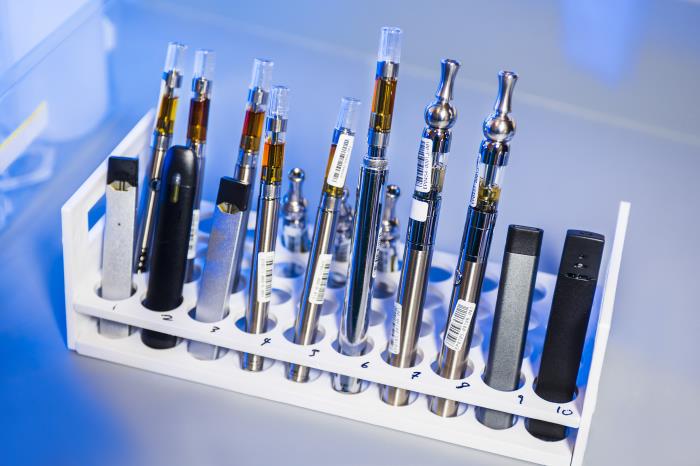
While some thought lung damage from vaping was caused by THC, nicotine, or vitamin E oil, the culprit might be the heating element.
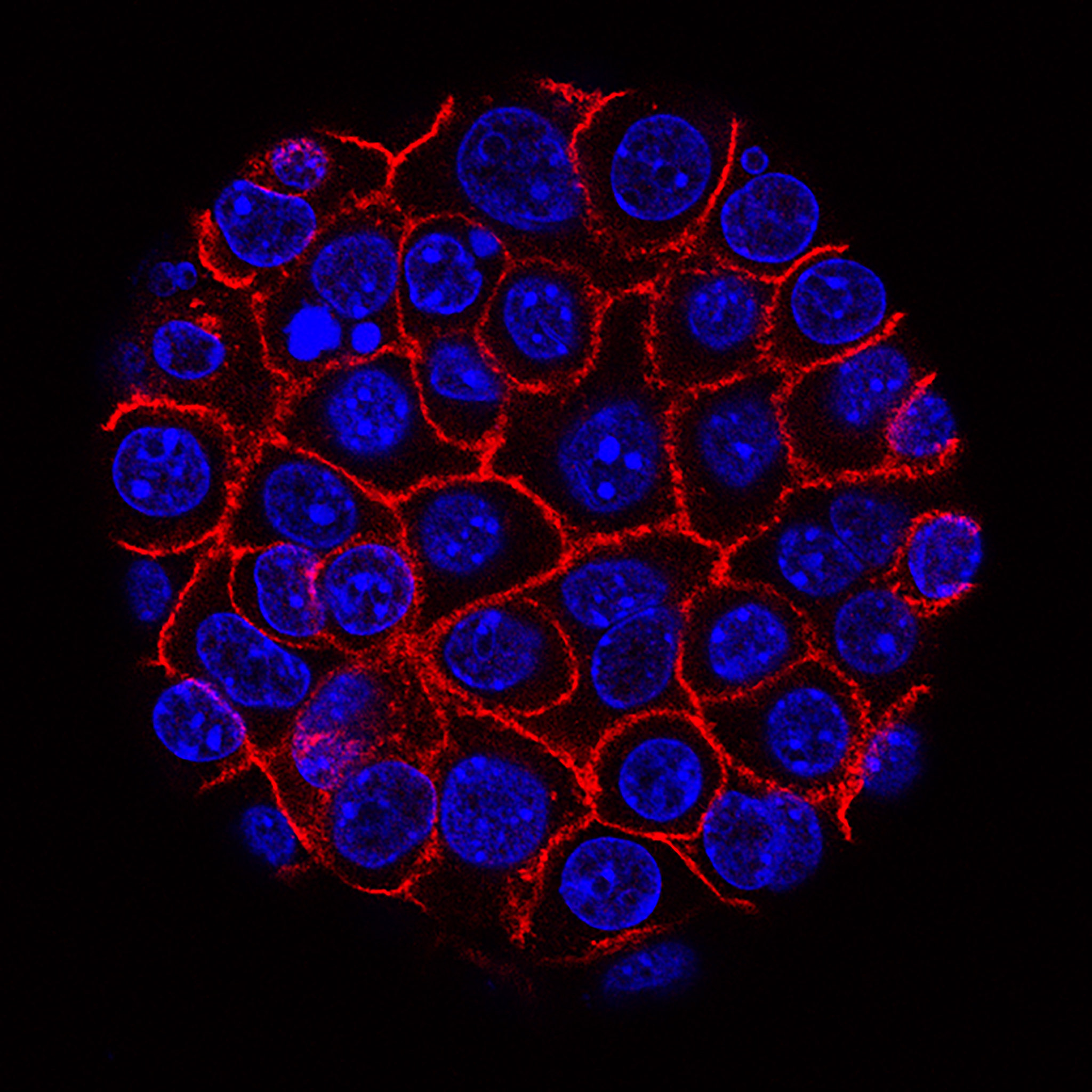
Scientists have found a new way to defeat cancer by killing cancer cells without harming the patient.
Medications are still formulated with a male bias, but new awareness of how different bodies process drugs could lead to safer dosages for women.
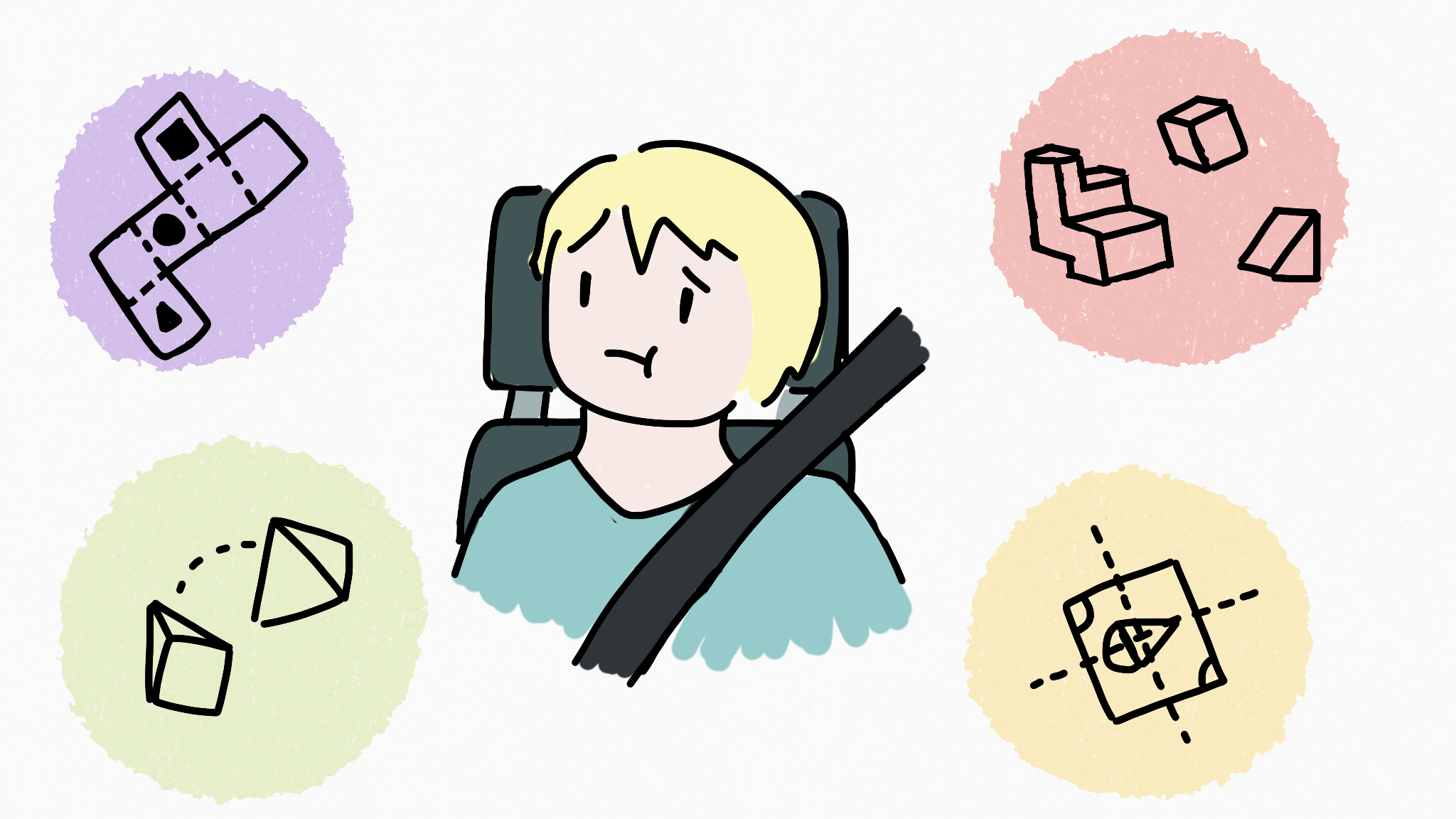
New research suggests that doing brain training exercises to improve visuospatial skills could help reduce motion sickness.
While anticholinergics help manage many common medical conditions, they affect thinking and memory, possibly leading to Alzheimer’s disease.