Black Birders, Scientists Push for Equality
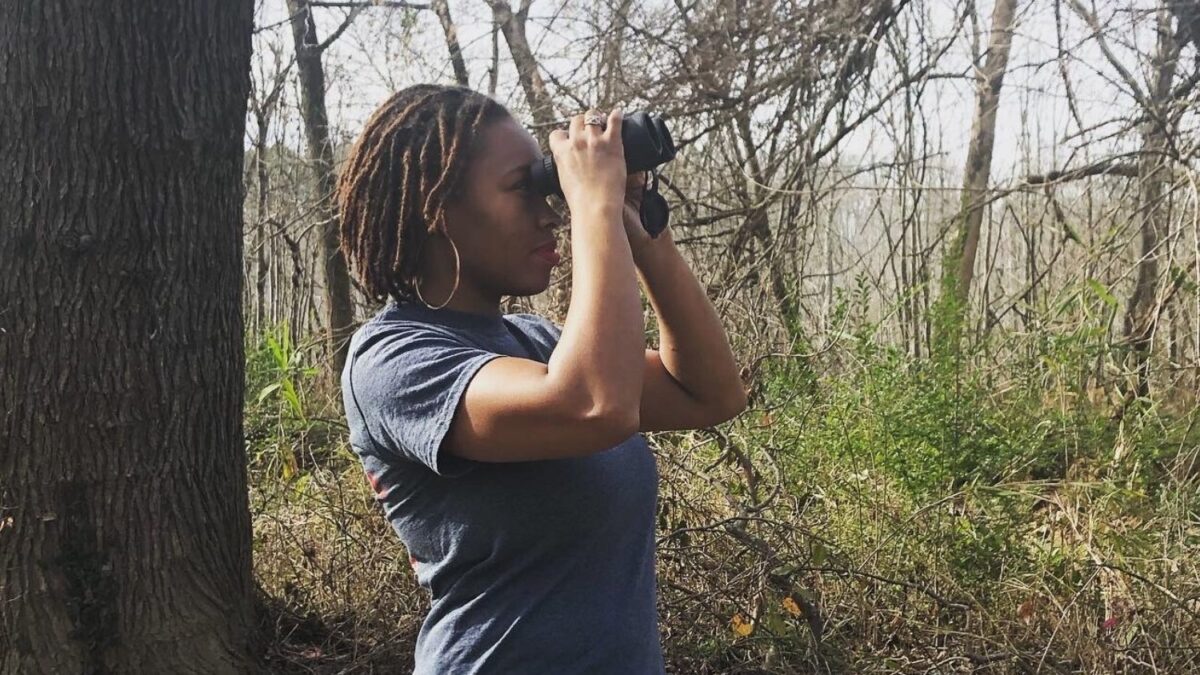
Black Birders Week helped show the world that Black scientists exist in the great outdoors. Now, participants hope to keep the conversation going.
Making Science Make Sense
Black Birders Week helped show the world that Black scientists exist in the great outdoors. Now, participants hope to keep the conversation going.
The interaction between ocean and climate is changing and the exchange is intensifying. We’re seeing the consequences of this around the world.
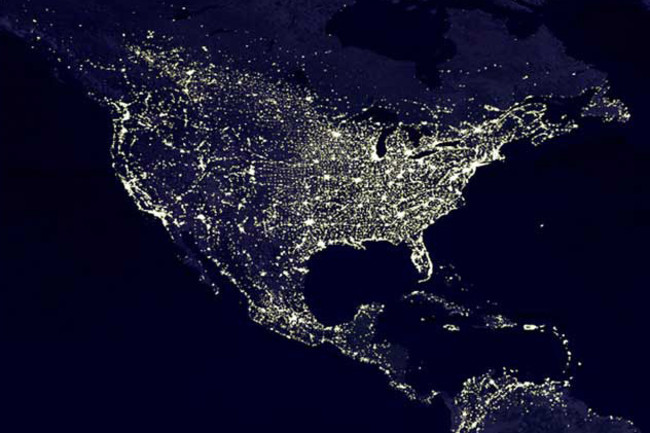
Can you see the night sky? Study light pollution in your community with the Globe at Night citizen science project.
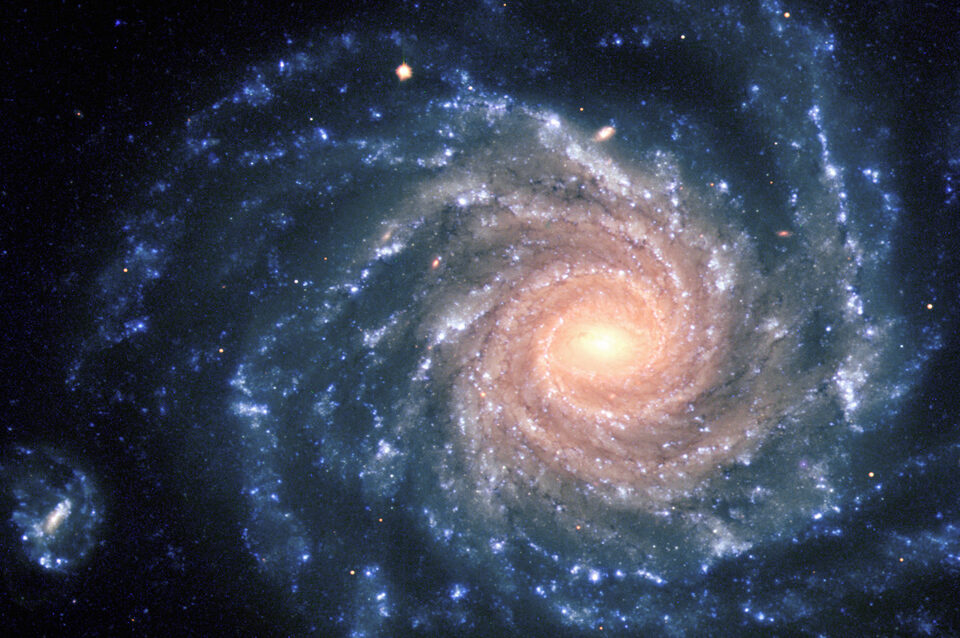
The Spiral Graph Project invites users to trace the shape of a spiral galaxy’s arms. This helps astronomers study the size of supermassive black holes.
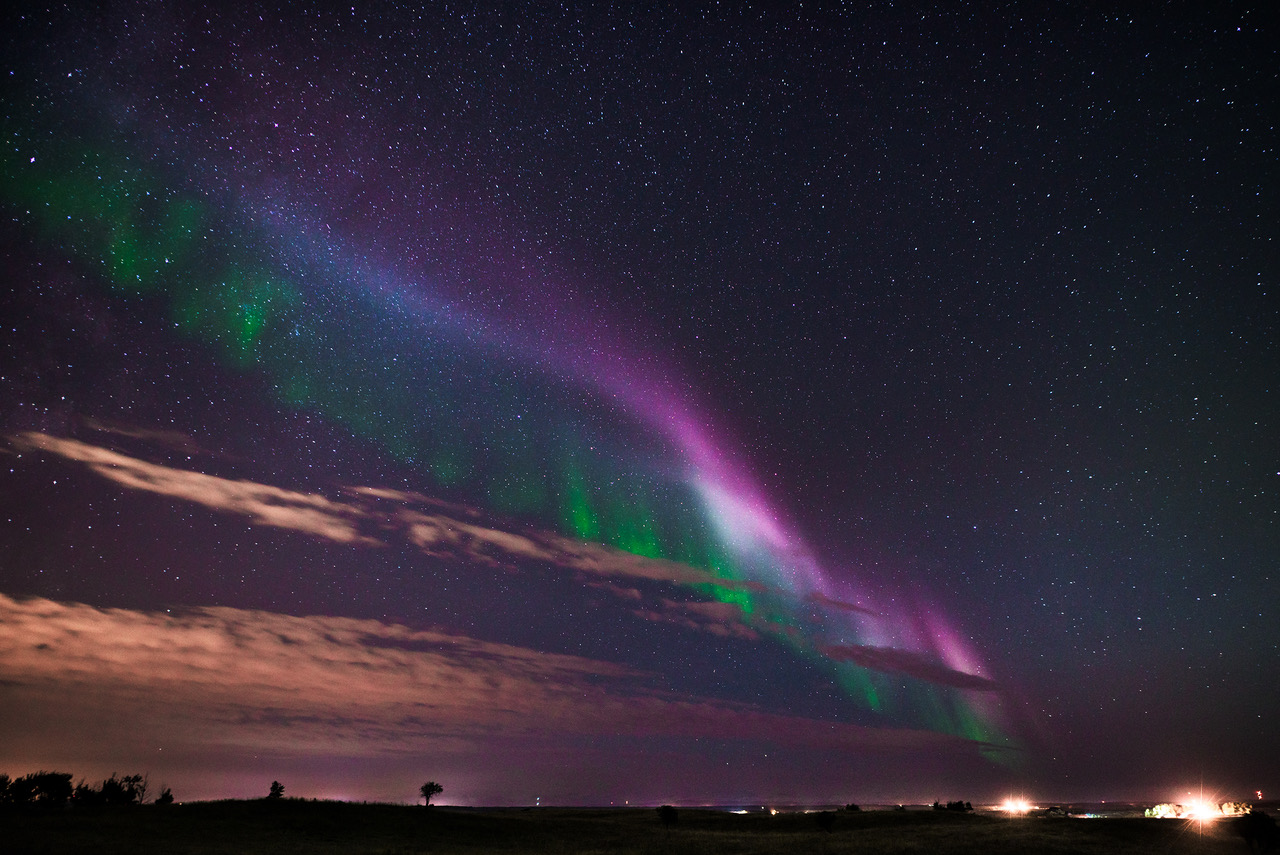
Literally chasing Steve, the Alberta Aurora Chasers are people across western Canada documenting a ribbon of purple and green light amidst the Northern Lights.
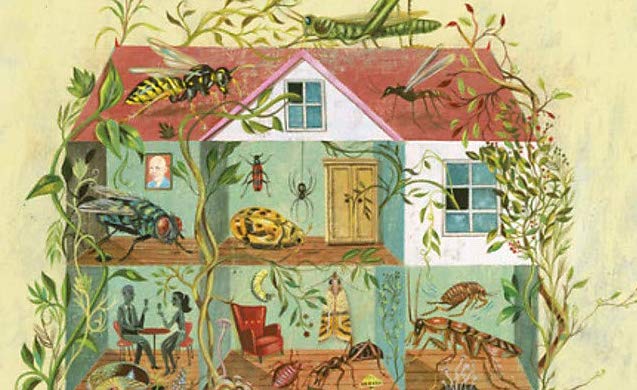
Never Home Alone is a 256 page deep dive into the mind of a chatty biologist. Every chapter focuses on a distinct use-case for biodiversity preservation.
In Science By the People, Kimura and Kinchy describe their challenging research subject: understanding how people are impacted by science.
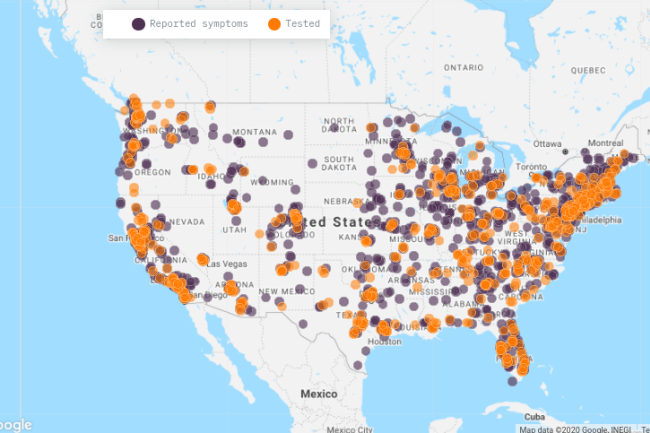
Many Americans have COVID-19-like symptoms, but can’t get a diagnosis because of the appalling shortage of test kits. This is dangerous for everyone. Now, You can help track coronavirus with a citizen science project.
You can help collect data for studies of DNA by mailing researchers your dog’s saliva, samples of the forest floor, and even spiny anteater scat.
A citizen scientist group now has thousands of radiation monitoring devices all around the world. But nuclear researchers are often reluctant to use the measurements.