
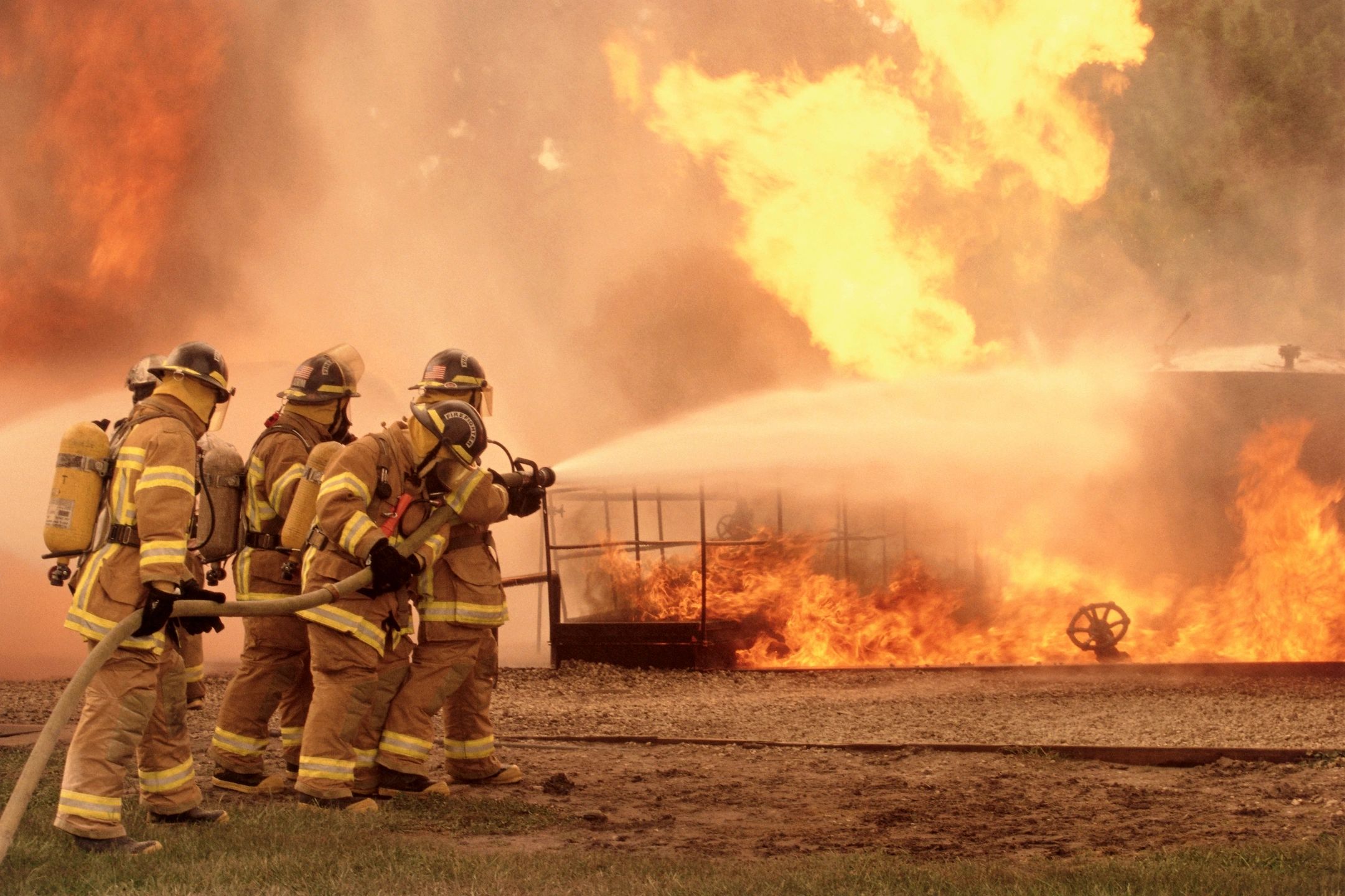







Autism is a brain wiring pattern that researchers have linked to genetic and environmental factors, including prenatal exposure to air pollutants from wildfires.
A study published in Environmental Science & Technology concluded that prenatal exposure to wildfire smoke in the third trimester of pregnancy results in an increased risk of autism.
A collaboration of researchers from several US institutions including Tulane University and Kaiser Permanente analyzed data from 245,902 births at Kaiser Permanente Southern California between 2006 and 2014. They determined that exposure to more than 10 days of wildfire smoke during the third trimester of pregnancy resulted in a 23 percent increase in the number of autism diagnoses before age 5. Interestingly, only 38.4 percent of autism diagnoses were for children born between 2006 and 2010 and 61.6 percent of autism diagnoses were between 2011 and 2014. Also noteworthy is that California leads the nation in wildfires and in autism diagnoses, although both wildfires and autism diagnoses are increasing nationwide.
This is the first study to examine the risk of autism as a function of wildfire exposure. The results do not supply a conclusive cause and effect, however there is a significant correlation between exposure to wildfires during the third trimester of pregnancy and autism diagnosis before age 5.
Rising diagnoses of autism
Autism, known as autism spectrum disorder (ASD), is characterized by divergent communication, behavior, and learning styles. This neurodevelopmental disorder presents in a large range of ways. Some Autistic individuals have low support needs but may have divergent social abilities. Others are nonverbal and have difficulty managing normal life skills. Many Autistic individuals are highly focused and have difficulty adjusting to changes in routine. They may also fail to recognize neurotypical social cues and have difficulty interacting with people.
The number of autism diagnoses is increasing in the United States nationwide, possibly due to increased awareness, or lack of acceptance of divergent personality traits. It is also possibly due to factors like increased wildfire exposure, as this study evaluates, since the cause of autism is still unknown. It could be genetic and/or influenced by environmental conditions.
More research on ASD: Touch and Socialization: Researching Connections
Autism and California wildfires
According to the CDC, 1 in 31 children are diagnosed with autism by age 9, and obviously not all of those are exposed to wildfires. But there is a correlation between the increase of diagnoses of autism and exposure to air pollution and heavy metals, both of which are prevalent in California wildfire smoke. California wildfires are often structure fires, so what is burning is not overwhelmingly wood. It is houses, furniture, and personal belongings made of plastics and synthetic materials.
Previous studies have concluded that there is an increase in autism in children exposed to mercury, diesel exhaust, and particulate matter in non-specific air pollution. So, it is reasonable to conclude that smoke from wildfires or structure fires could result in an increase in autism. It is also possible that the stress and other conditions that occur with environmental exposures to fires could lead to some kind of neurological changes.
Learn about the environmental effects of wildfires: How Wildfires Start Their Own Weather
Wildfires cause physical and mental stress
Wildfires, or any fires, result in smoke inhalation and reduced oxygen levels for adults and children. Pregnant mothers provide oxygen to their unborn children; therefore, reduced oxygen levels are shared with the unborn child whose brain is in a critical period of development. The stress of the fire, including perhaps losing housing or trying to find a different place to live, cannot be good for expectant mothers and their unborn children.
The study participants
Pregnant mothers included in the study were all members of the Kaiser Permanente Southern California health care system. This membership spanned the regional population but is not representative of the general public. A third had college degrees or higher and a third had incomes of $70,000 or higher (and keep in mind this amount reflects dollar values for 2006–2014). Just over half of the mothers were Hispanic. The median age at delivery was 30.6 years old. Interestingly, 84 mothers were excluded from the study because they were under 15 or over 55.
Brain development in the third trimester
During the third trimester, the baby’s brain triples in size. The cerebrum, which is the thinking, reasoning, and problem-solving part of the brain, develops the folds that increase the surface area to make room for many more neurons. The cerebellum, which fine-tunes motor control, also grows during the third trimester. In addition, the left and right halves of the brain separate and develop their specific control areas. Therefore, the third trimester is a critical time for brain development.
Results
The researchers compiled the data and looked for trends among children diagnosed with autism before age 9. Their analysis indicated that children who had been exposed to wildfire smoke in utero during the third trimester were more likely to be diagnosed with autism by age 5. Longer exposure (more than 10 days) resulted in a 23 percent increase in the number of autism diagnoses before age 5. Additionally, the researchers concluded that children diagnosed with autism tend to have mothers who are older (median age at delivery of 31.5), have never had a child before, and have diabetes and obesity.
In the research data, four times as many boys were diagnosed with autism as girls and the average age of diagnosis was 3 years old. Males are exposed to testosterone during pregnancy, which makes them males. Males and females have slightly different brains—males tend to be more systematic and females more empathetic, which could also be a reason why males tend to be diagnosed with autism more frequently. In addition, however, female presentation of autism is often not as recognizable due to how autism has been historically studied and characterized. Autistic girls are on average diagnosed later than boys and they frequently go undiagnosed into adulthood.
Confounding factors
The researchers set out to find a connection between autism and wildfires, but confounding factors make this a challenging task. Only 8 percent of the mothers were exposed to 10 days or more of wildfire smoke. Some of those, or all of those, may have left the area in order to protect their unborn children. There is no information on whether mothers stayed or left during the fires. Also, the stress of living in an area that is experiencing a wildfire while a woman is in the third trimester of pregnancy cannot possibly be beneficial, therefore the results may be partially due to stress. Previous studies have concluded that maternal stress, anxiety, and depression are associated with autism. The researchers acknowledge that stress is a confounding factor. They also acknowledge that they have no information on maternal evacuations.
Conclusion
This study shows a significant influence of the presence of a wildfire on the diagnosis of autism in children whose mothers were in the third trimester during the wildfire. Their conclusion supports the conclusions of other studies that found a correlation between autism diagnosis and maternal exposure to other air pollutants.
While there are limitations, including the fact that the researchers are unsure if the mothers were actually exposed to the wildfire, it is reasonable to assume that there was at least some exposure. Considering the size of the study, 8 percent of 245,902 who were at least somewhat exposed to wildfire resulting in a 23 percent increase in autism diagnoses is significant.
This is an important study because wildfires and other air quality issues are increasing in California and other locations. It would be in our children’s best interests if pregnant women learned of this risk and were able to make decisions to evacuate or move to areas with fewer risks for their unborn children.
This study was published in the peer-reviewed journal Environmental Science & Technology.
Reference
Luglio, D. G., Yu, X., Lin, J. C., Chow, T., Martinez, M. P., Chen, Z., Eckel, S. P., Schwartz, J., Lurmann, F. W., Pavlovic, N. R., McConnell, R., Xiang, A. H., & Rahman, M. M. (2026). Prenatal exposure to wildfire and autism in children. Environmental Science & Technology, 60(4), 2907–2916. https://doi.org/10.1021/acs.est.5c08256
The information contained in this article is for informational purposes only and is not intended as health or medical advice. Always consult a physician or other qualified health provider regarding any questions you may have about a medical condition or health objectives.

About the Author
Helen Petre is a retired biologist. She is always learning, and working to ensure that future generations share her enthusiasm for science.