Skip to content

Science Connected Magazine

Making Science Make Sense

Bigyapaan Image
  • About
    • FAQ
    • Science Connected
    • Writers
    • Advisors
    • Policy on AI Use
    • Practice SciComm
    • Submission Guidelines
    • Permissions
    • Contact
  • Subjects
    • Science and Art
    • Life Sciences and Biomedicine
      • Anthropology
      • Biodiversity and Conservation
      • Biology
      • Botany
      • Citizen Science
      • Neuroscience
      • Ecology
      • Environment
        • Climate Change
        • Sustainable Living
      • Genetics and Heredity
      • Health
        • COVID-19
      • Marine and Freshwater Biology
      • Paleontology
      • Zoology
        • Ornithology
    • Physical Sciences
      • Astronomy and Astrophysics
      • Chemistry
      • Geology
      • Mathematics
      • Oceanography
      • Physics
    • Social Sciences
      • Archaeology
      • Language and Linguistics
      • Psychology
      • Science Policy
        • Science Debate Series
    • Technology
      • Computer Science
      • Engineering
      • New Technologies
    • Opinions and Editorials
  • Blogs
    • The SciStarter Blog
    • There Be Dragons Everywhere
  • Videos
    • It’s Ok to Be Smart
    • PBS Eons
    • Science With Sophie
    • Shelf Life from AMNH
    • Cat Behavior with Simon’s Cat Logic
  • STEM Education
    • FREE RESOURCES
    • Book Catalog
    • For Grades 7-12
    • For Grades K-6
    • iBiome Games
    • Book Recommendations
    • Get to Know a Scientist
  • Bookstore
  • Swag Shop
  • DONATE
  • Volunteer
  • Subscribe

Year: 2020

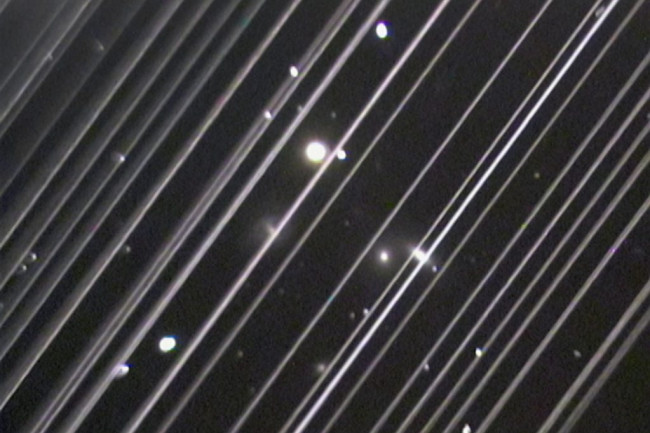
Photographing Starlink Satellites For Science
Astronomy and Astrophysics Citizen Science SciStarter Blog

Photographing Starlink Satellites For Science

March 6, 2020March 5, 2020

SpaceX and others plan to launch thousands of new satellites into low-Earth orbit, creating streaks that cut through astronomers’ images. Now educators at NASA are asking citizen scientists to help document the problem.
Ants’ Love of Pee May Reduce Greenhouse Gas
Environment Zoology

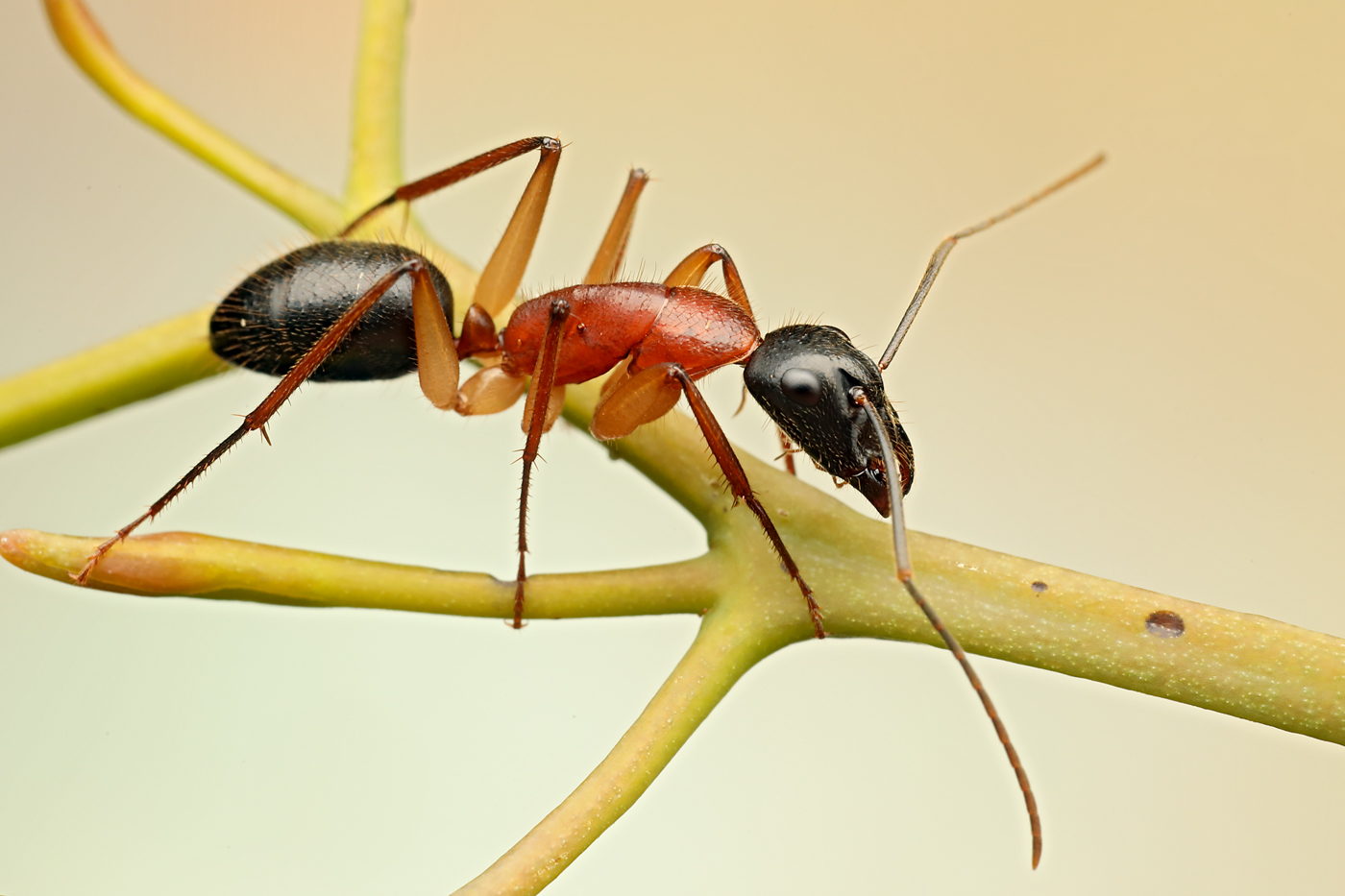
Ants’ Love of Pee May Reduce Greenhouse Gas

March 4, 2020February 6, 2024

Ants consume urine for its nitrogen content, and a new study shows that this helps ants thrive in sandy habitats and may even reduce greenhouse gases.

Diverse Scientific Superstars: A Celebratory Parade
Blogs

Diverse Scientific Superstars: A Celebratory Parade

March 2, 2020June 3, 2021

Part 1:  Space Travel & Environmental Conservation By Micah Miles (@MC_Miles1), Daniela Zarate (@daniela.x.zarate), Gracia Arellano, & Jessica Monterrosa Mena…

Clearing the Air in the Historic West End
SciStarter Blog

Clearing the Air in the Historic West End

February 28, 2020February 24, 2020

Equipped with air quality sensors, an African American neighborhood in Charlotte, North Carolina, is trying to reverse decades of environmental injustice.

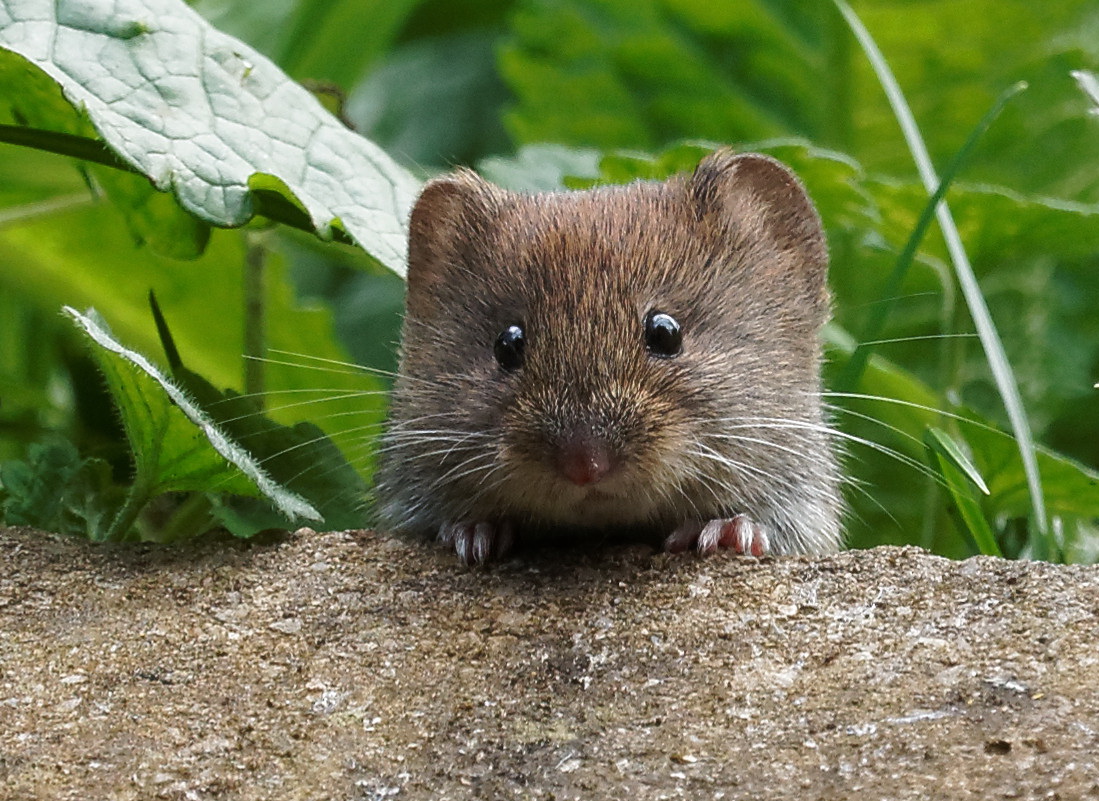
Toxoplasma Infection Makes Mice More Brave
Biology Health Zoology

Toxoplasma Infection Makes Mice More Brave

February 24, 2020May 20, 2024

By Mackenzie Myers, @kenzwrites Quiet as a mouse. Timid as a mouse. When’s the last time you heard a mouse…

C-Sections Not to Blame for Obesity Rates
Biology Health

C-Sections Not to Blame for Obesity Rates

February 19, 2020October 9, 2026

Rates of C-sections have risen along with obesity rates, but a new study finds that birthing method is not the cause of childhood obesity.

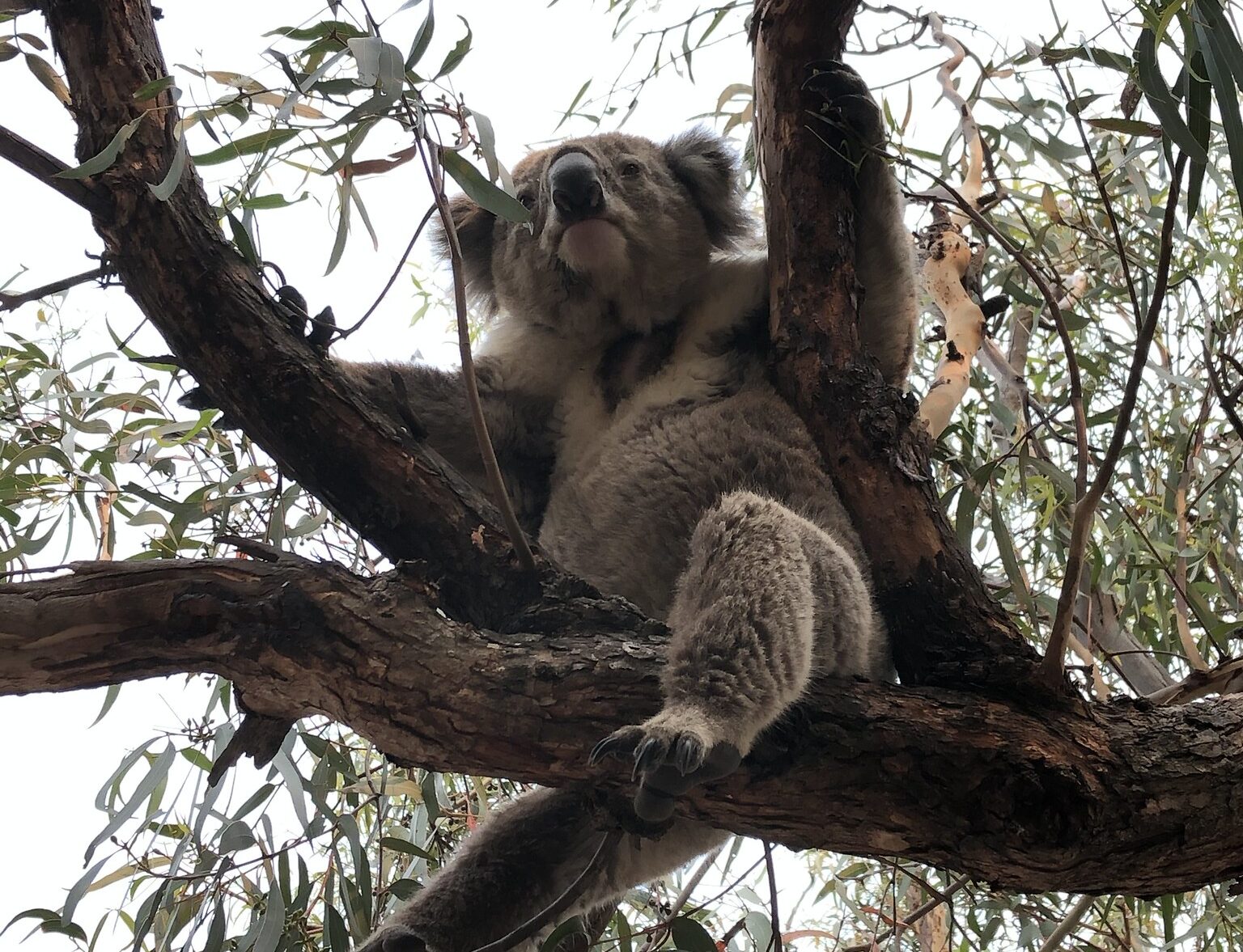
Extreme Wildfires’ Effects on Australian Forests
Biodiversity and Conservation Climate Change Environment

Extreme Wildfires’ Effects on Australian Forests

February 17, 2020July 28, 2025

Australian forests, accustomed to and dependent on natural fire regimes, are suffering in the new extreme wildfires fueled by climate change.

Citizen Science is for Lovers this Valentine’s Day!
Citizen Science SciStarter Blog

Citizen Science is for Lovers this Valentine’s Day!

February 14, 2020June 7, 2021

This Valentine’s Day, get involved in citizen science projects that will touch your heart and your habitat. Also, so many Valentine’s Day plays on words.

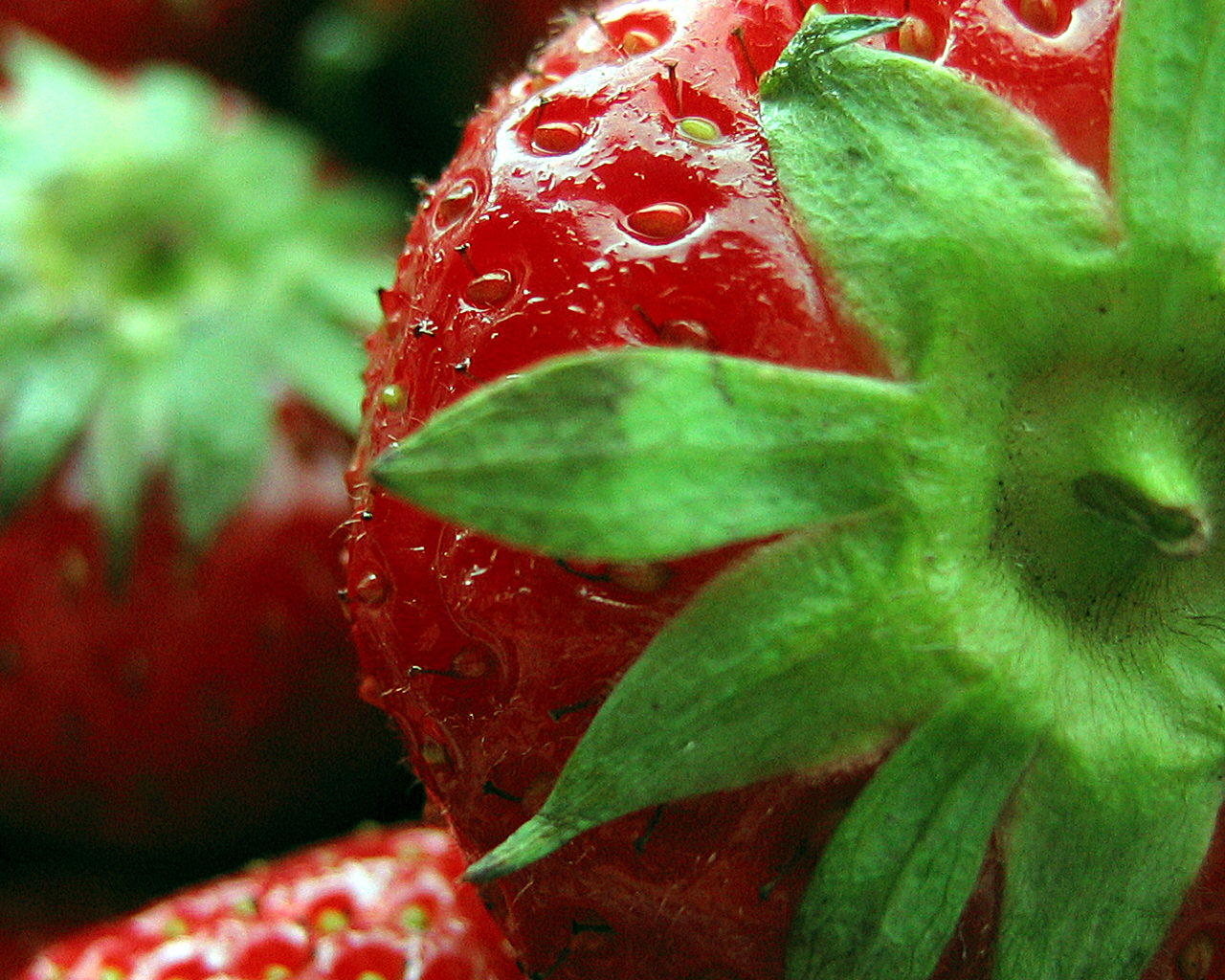
Wounding Leaves Produces Sweeter Organic Strawberries
Botany Ecology Health

Wounding Leaves Produces Sweeter Organic Strawberries

February 12, 2020June 8, 2026

Organic strawberry plants produce more phytochemicals to combat damage, resulting in stronger, sweeter fruits with more health benefits.

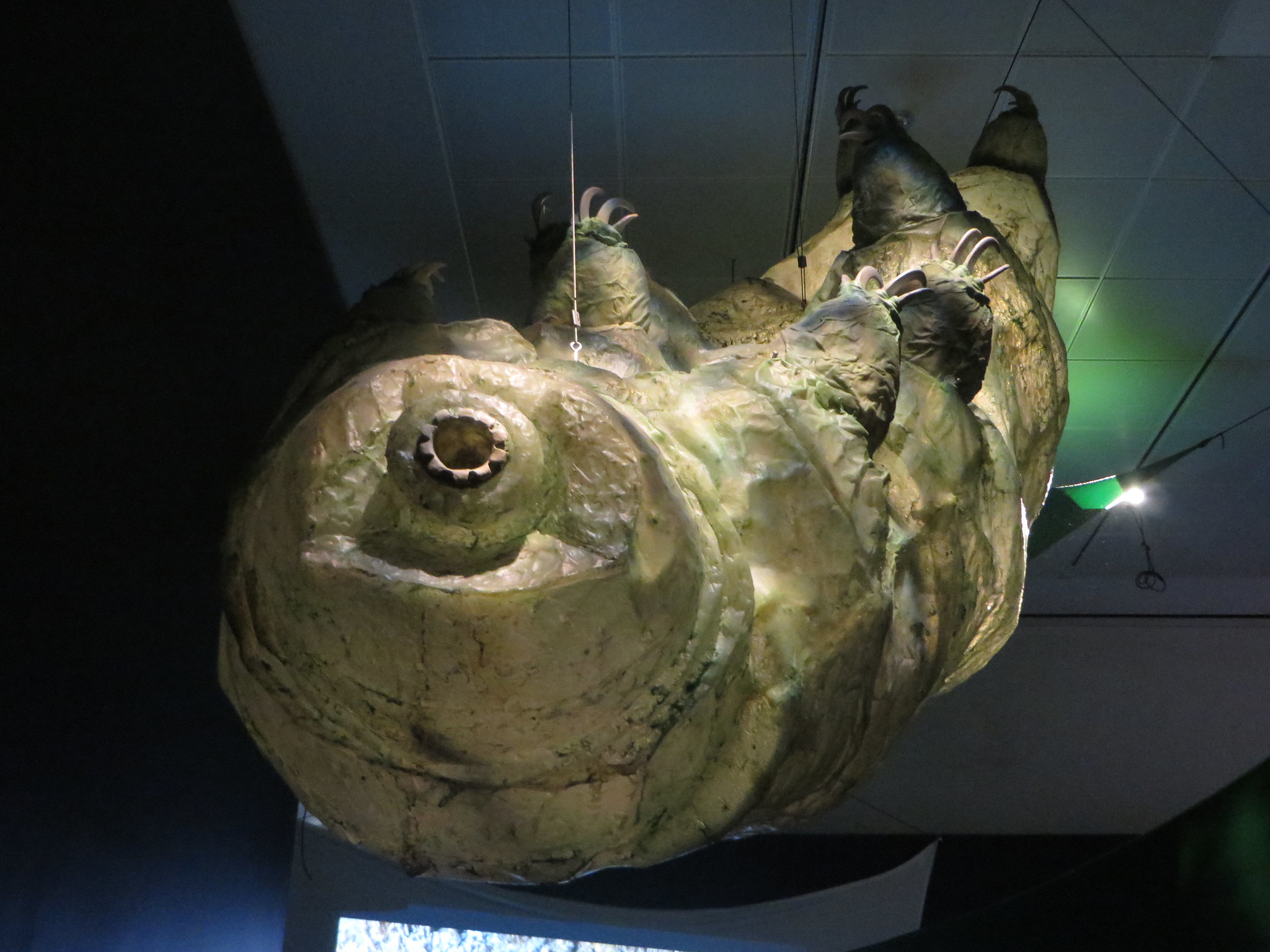
Even the Resilient Tardigrade Has an Achilles Heel
Biology Climate Change Environment Zoology

Even the Resilient Tardigrade Has an Achilles Heel

February 10, 2020January 30, 2020

By Shelby Nilsen (@shellbeegrace) Climate change is already affecting many habitats and ecosystems. As a result, scientists are working to…

Posts navigation

Older posts
Newer posts
  • LinkedIn
  • Bluesky
  • Instagram
  • Facebook
  • X
  • Mail
subscribe to Science Connected Digest Weekly

Make a Donation

Science Connected Magazine is an editorially independent, non-profit newsroom producing open-access science journalism.

Contact

Terms of Use

Privacy Policy

Style Guide

ScienceConnected.Org

Copyright © 2025 Science Connected, All Rights Reserved | Ace News by Ascendoor | Powered by WordPress.