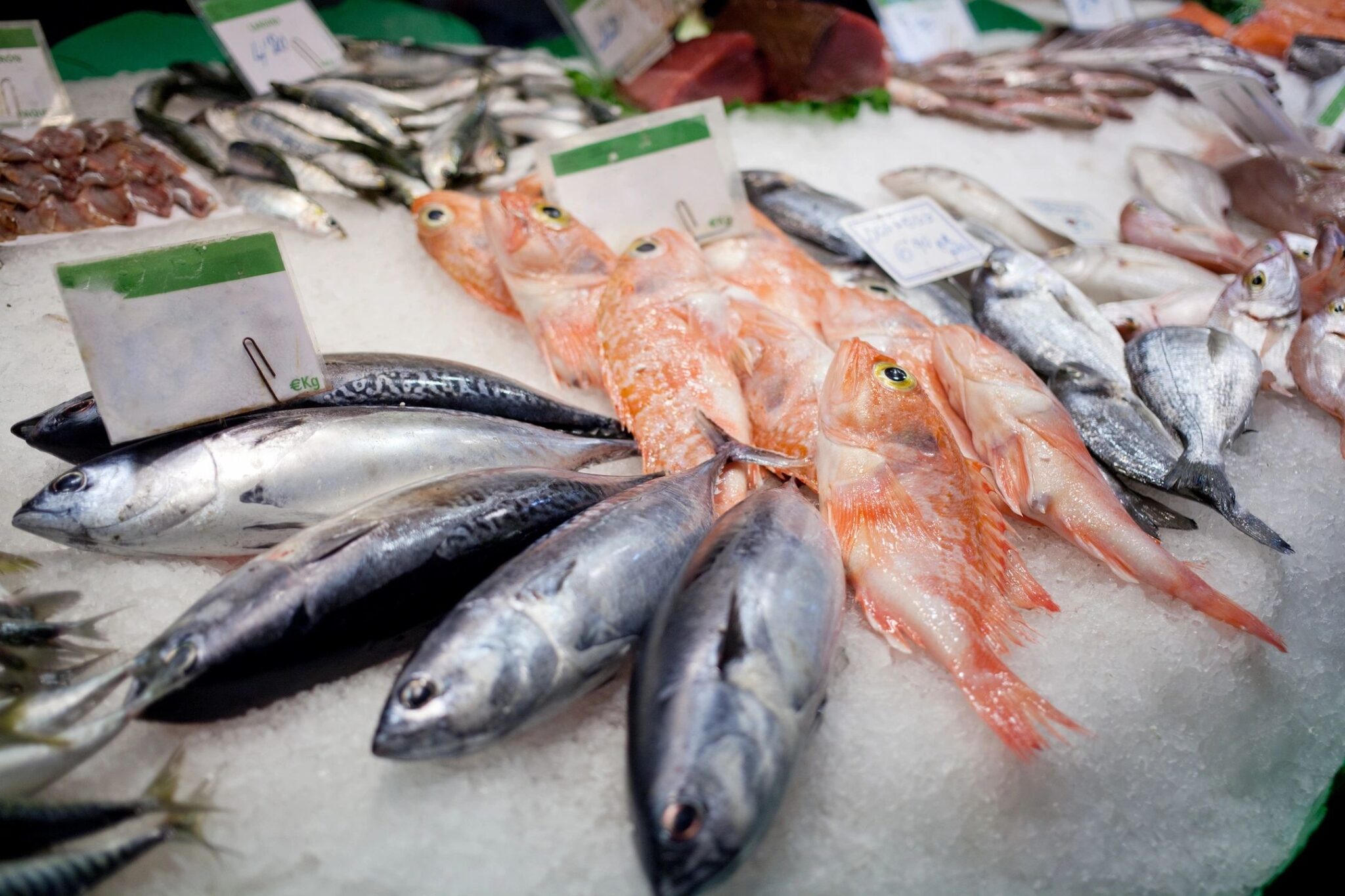
Plankton Predict Red Sea Fishing Success
Phytoplankton blooms hold the key to setting sustainable and fair fishing quotas each year—a win-win situation for the economy and the ecosystem.
Making Science Make Sense

Phytoplankton blooms hold the key to setting sustainable and fair fishing quotas each year—a win-win situation for the economy and the ecosystem.
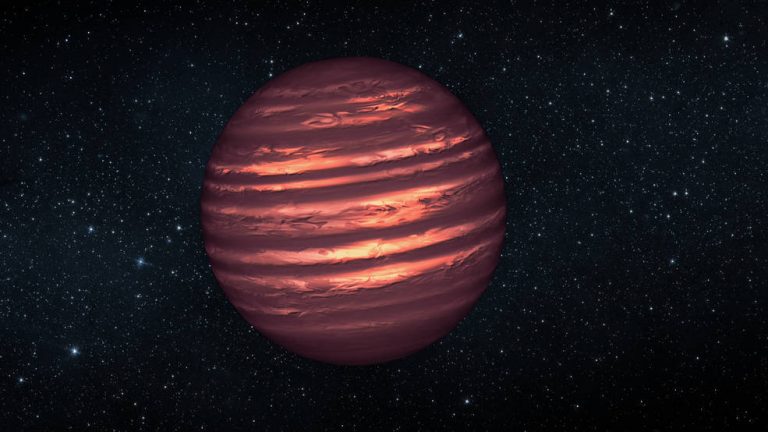
Volunteers scanning the night sky for elusive hints of Planet Nine are uncovering the secrets of a strange class of stars called brown dwarfs.
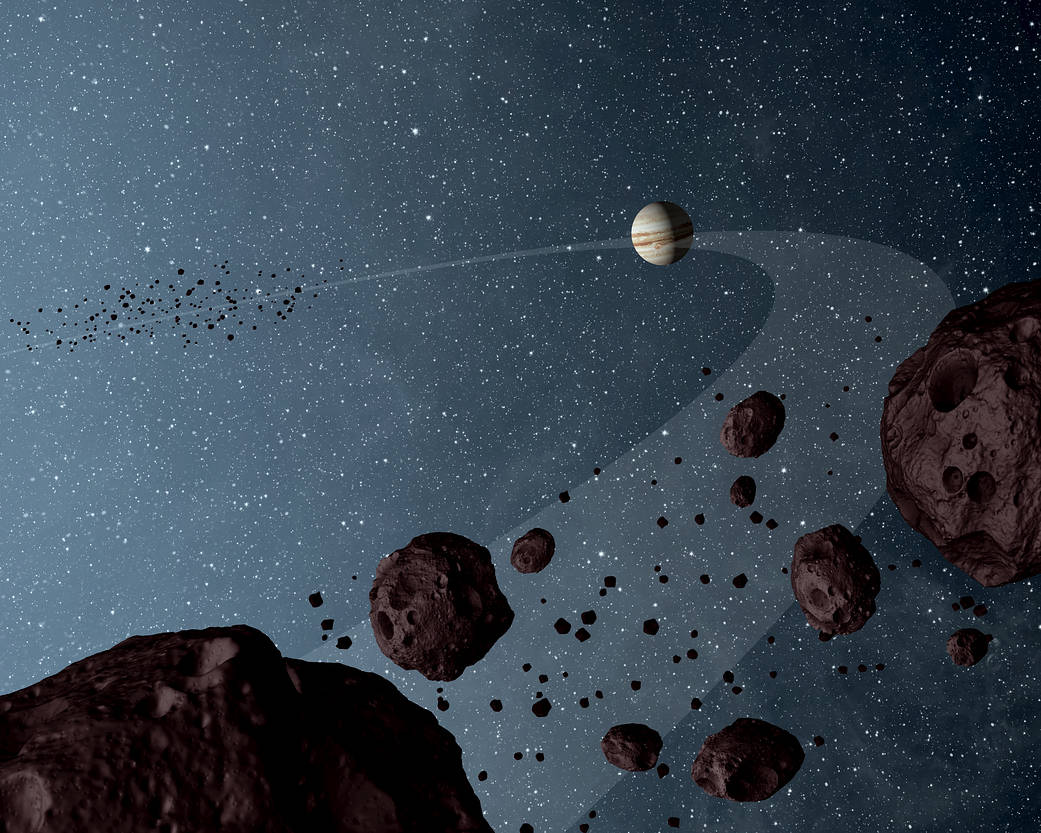
On any given day, about 90,000 kilograms of dust and small rocks hit the Earth. What happens when something larger is on a collision course with Earth?
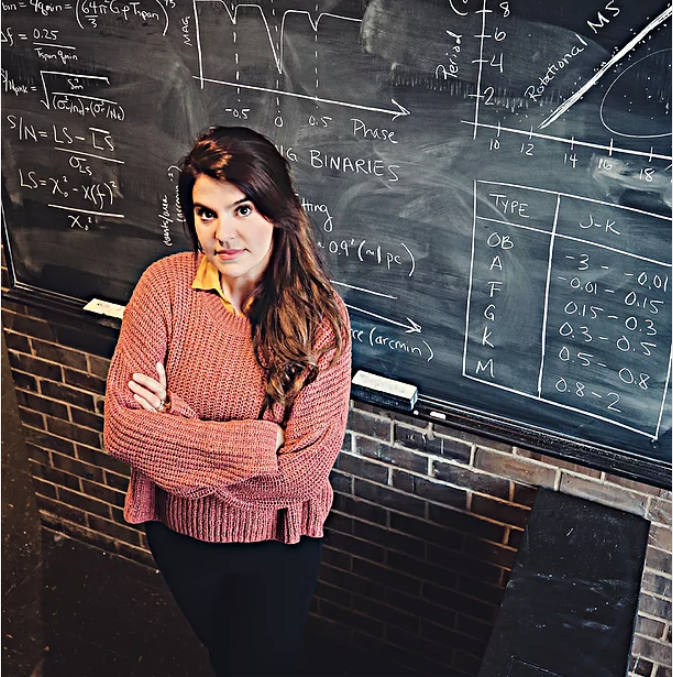
An astrophysicist studies stars, planets, and other things in space. Introducing Dr. Melinda Soares-Furtado, who tells us about her career.
Green tea has many health benefits, but how does it work? New research reveals one mechanism behind green tea’s anti-cancer properties.
More than a century ago, women called “human computers” changed our understanding of the universe. Now volunteers are making discoveries in their old notebooks.
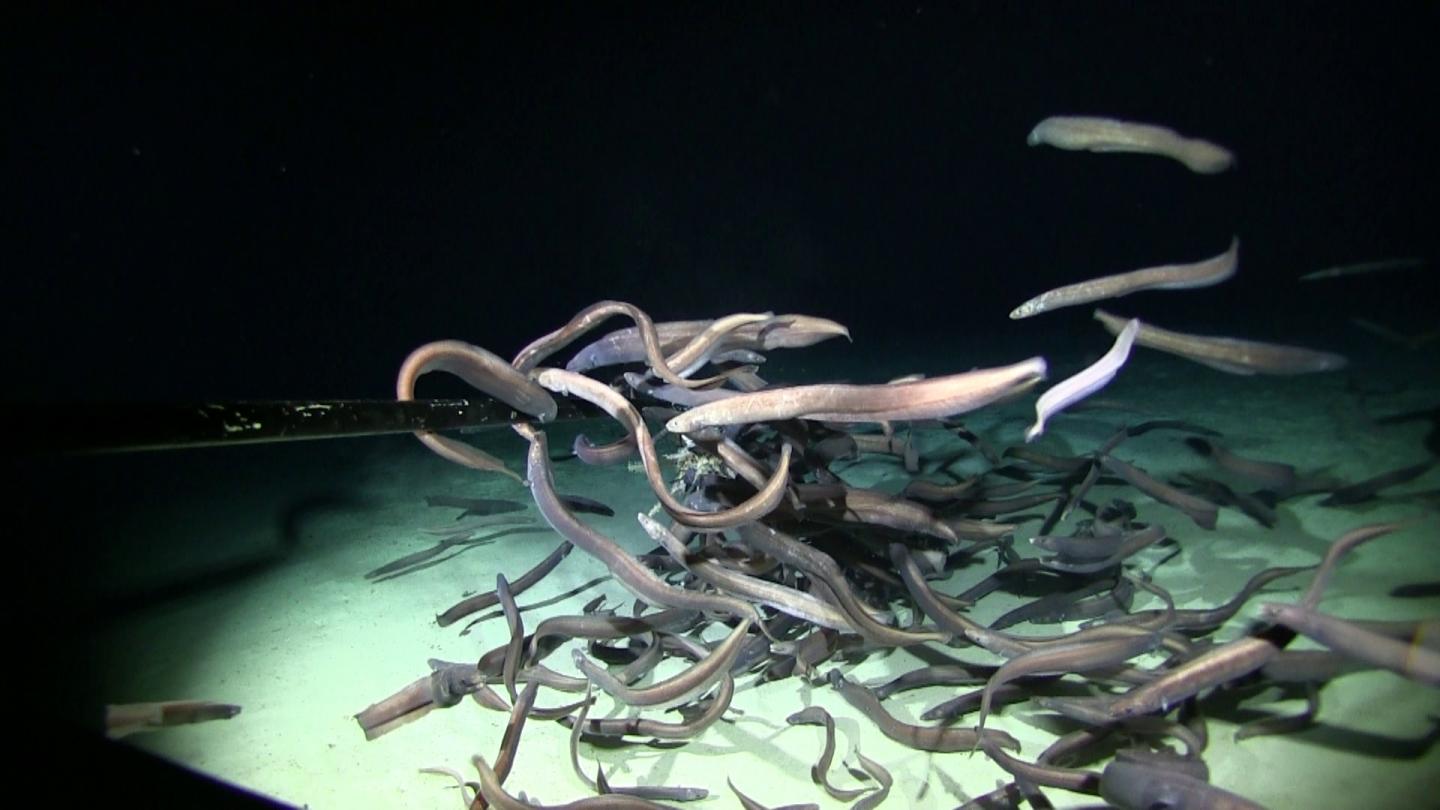
Researchers from the University of Hawaii at Manoa show us what ocean life is like atop a deep sea mountain.
From studying light pollution to growing tomato seeds that have flown in orbit, these citizen science projects can help you and your kids enjoy the cosmos at home.
Computer simulations show diamonds can be made to conduct electricity like metal, and the potential real-world applications are numerous.
Researchers at the University of Illinois think supernova explosions triggered the end-Devonian mass extinction 359 million years ago.