Skip to content

Science Connected Magazine

Making Science Make Sense

Bigyapaan Image
  • About
    • FAQ
    • Science Connected
    • Writers
    • Advisors
    • Policy on AI Use
    • Practice SciComm
    • Submission Guidelines
    • Permissions
    • Contact
  • Subjects
    • Science and Art
    • Life Sciences and Biomedicine
      • Anthropology
      • Biodiversity and Conservation
      • Biology
      • Botany
      • Citizen Science
      • Neuroscience
      • Ecology
      • Environment
        • Climate Change
        • Sustainable Living
      • Genetics and Heredity
      • Health
        • COVID-19
      • Marine and Freshwater Biology
      • Paleontology
      • Zoology
        • Ornithology
    • Physical Sciences
      • Astronomy and Astrophysics
      • Chemistry
      • Geology
      • Mathematics
      • Oceanography
      • Physics
    • Social Sciences
      • Archaeology
      • Language and Linguistics
      • Psychology
      • Science Policy
        • Science Debate Series
    • Technology
      • Computer Science
      • Engineering
      • New Technologies
    • Opinions and Editorials
  • Blogs
    • The SciStarter Blog
    • There Be Dragons Everywhere
  • Videos
    • It’s Ok to Be Smart
    • PBS Eons
    • Science With Sophie
    • Shelf Life from AMNH
    • Cat Behavior with Simon’s Cat Logic
  • STEM Education
    • FREE RESOURCES
    • Book Catalog
    • For Grades 7-12
    • For Grades K-6
    • iBiome Games
    • Book Recommendations
    • Get to Know a Scientist
  • Bookstore
  • Swag Shop
  • DONATE
  • Volunteer
  • Subscribe

Category: Life Sciences and Biomedicine

Urban Bees: A Pollination-Parasite Trade-Off
Biology Botany Environment Zoology

Urban Bees: A Pollination-Parasite Trade-Off

July 27, 2017April 6, 2021

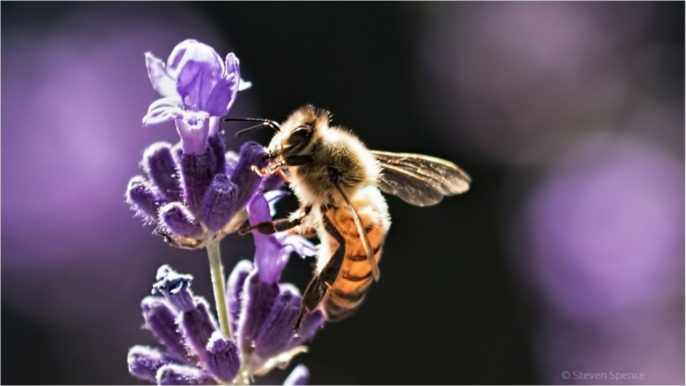
Are cities the ideal home for bees? European scientists found that urban bees can have surprisingly good pollination rates. By…

Tips for a Bee-Friendly Garden
Botany Environment Zoology

Tips for a Bee-Friendly Garden

July 20, 2017July 31, 2017

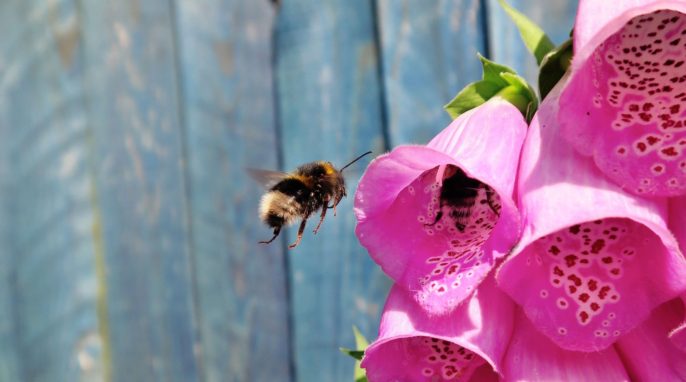
By Steven Spence @TheStevenSpence More Diverse Than Honeybees When we hear about bees most of us think of honeybees (Apis…

Urban Gardening’s Benefits Outweigh Lead Exposure Risk
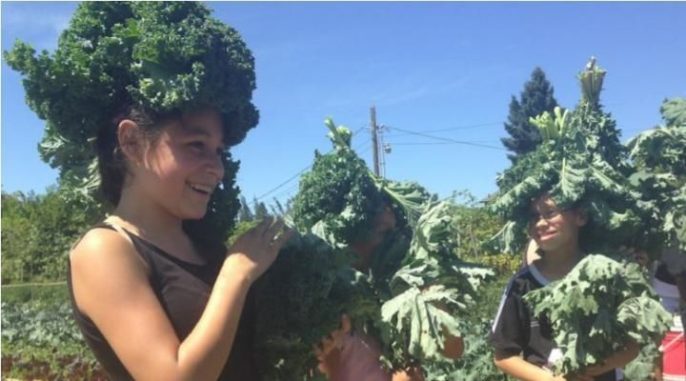
Environment Health

Urban Gardening’s Benefits Outweigh Lead Exposure Risk

July 18, 2017July 17, 2017

By Emily Rhode @riseandsci Three years after the Flint water crisis began, lead in drinking water continues to make headlines…

Shelf Life Video: Screening Biodiversity
Biology Environment Science Videos Zoology

Shelf Life Video: Screening Biodiversity

July 13, 2017July 12, 2017

Scientists at The American Museum of Natural History explain why managing biodiversity is a key component in managing endangered species.…

Stopping Bacteria from Stealing Our Iron
Biology Health

Stopping Bacteria from Stealing Our Iron

June 22, 2017March 23, 2025

Many pathogenic bacteria use “stealth siderophores” to steal iron from humans. Find out how scientists are stopping bacteria from stealing…

Komodo Dragon Blood Inspires Alternative Antibiotic
Biology Health

Komodo Dragon Blood Inspires Alternative Antibiotic

June 20, 2017March 16, 2025

By Katherine Lindemann In light of growing concerns about antibiotic resistance, the search is on for alternatives to existing antibiotics.…

Spinach and Siderophores: The Bacterial Battle for Iron
Biology Health

Spinach and Siderophores: The Bacterial Battle for Iron

June 15, 2017April 16, 2021

Human cells need iron, and so does bacteria. Bacteria make siderophores, scavenger molecules that leave the cell to poach iron from hosts.

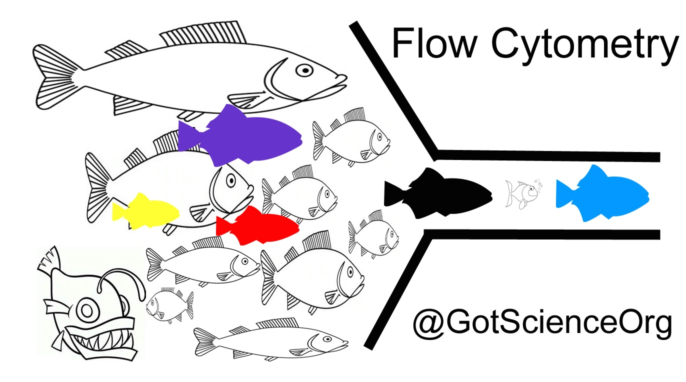
Flow Cytometry: Going with the Flow
Biology Get to Know a Scientist New Technologies

Flow Cytometry: Going with the Flow

June 13, 2017April 5, 2021

By Cathy Seiler Sara Bowen, PhD, is a biochemist with what can only be described as a giddy excitement for…

GMOs and the Risk to Our Genetic Heritage
Biology Environment

GMOs and the Risk to Our Genetic Heritage

June 6, 2017March 6, 2021

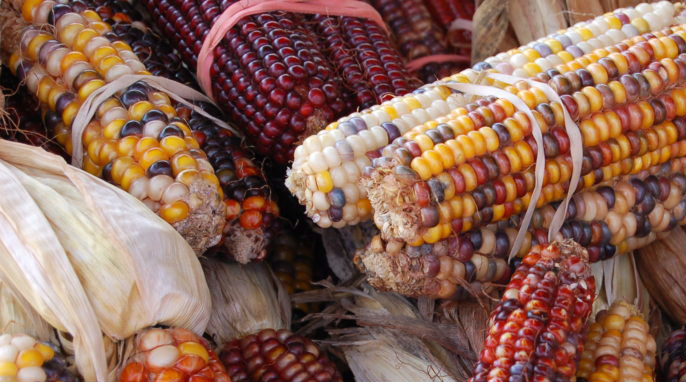
In ancient Mexican corn varieties, a scientist detected the DNA signature of genetically modified organisms (GMOs). Should we be concerned?

Science Policy Challenges, Part Three: The Aging Brain
Biology Health Science Policy

Science Policy Challenges, Part Three: The Aging Brain

June 1, 2017October 28, 2024

By 2060, around 98 million people over the age of 65 will be living in the United States. What science can do for the aging brain?
Posts navigation

Older posts
Newer posts
  • LinkedIn
  • Bluesky
  • Instagram
  • Facebook
  • X
  • Mail
subscribe to Science Connected Digest Weekly

Make a Donation

Science Connected Magazine is an editorially independent, non-profit newsroom producing open-access science journalism.

Contact

Terms of Use

Privacy Policy

Style Guide

ScienceConnected.Org

Copyright © 2025 Science Connected, All Rights Reserved | Ace News by Ascendoor | Powered by WordPress.