Sunlight Powers Recycling of Carbon Dioxide and Plastic
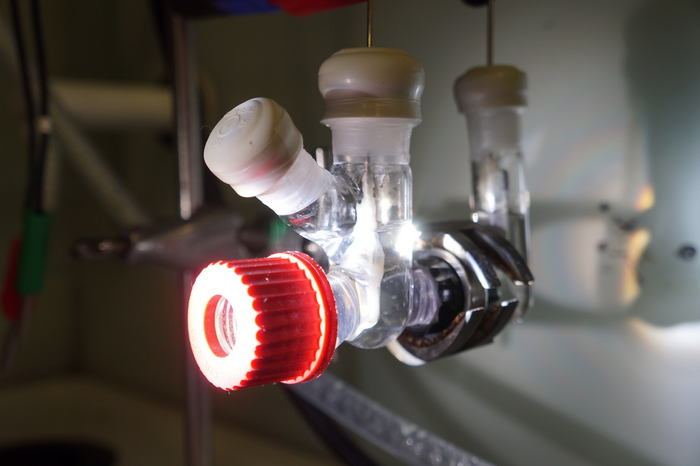
A new recycling method uses sunlight to simultaneously convert carbon dioxide and plastic waste into sustainable biofuels and useful chemical products.
Making Science Make Sense

A new recycling method uses sunlight to simultaneously convert carbon dioxide and plastic waste into sustainable biofuels and useful chemical products.
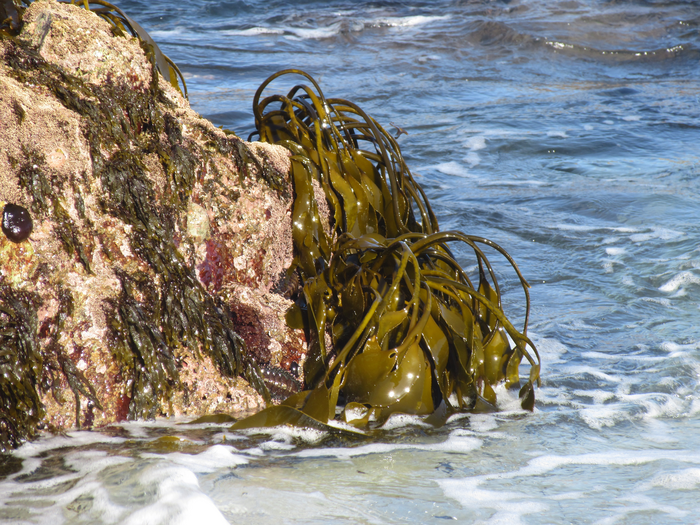
Mucus produced by brown algae may be the key to protecting the ocean, as a new study uncovers how carbon dioxide gets captured and converted.
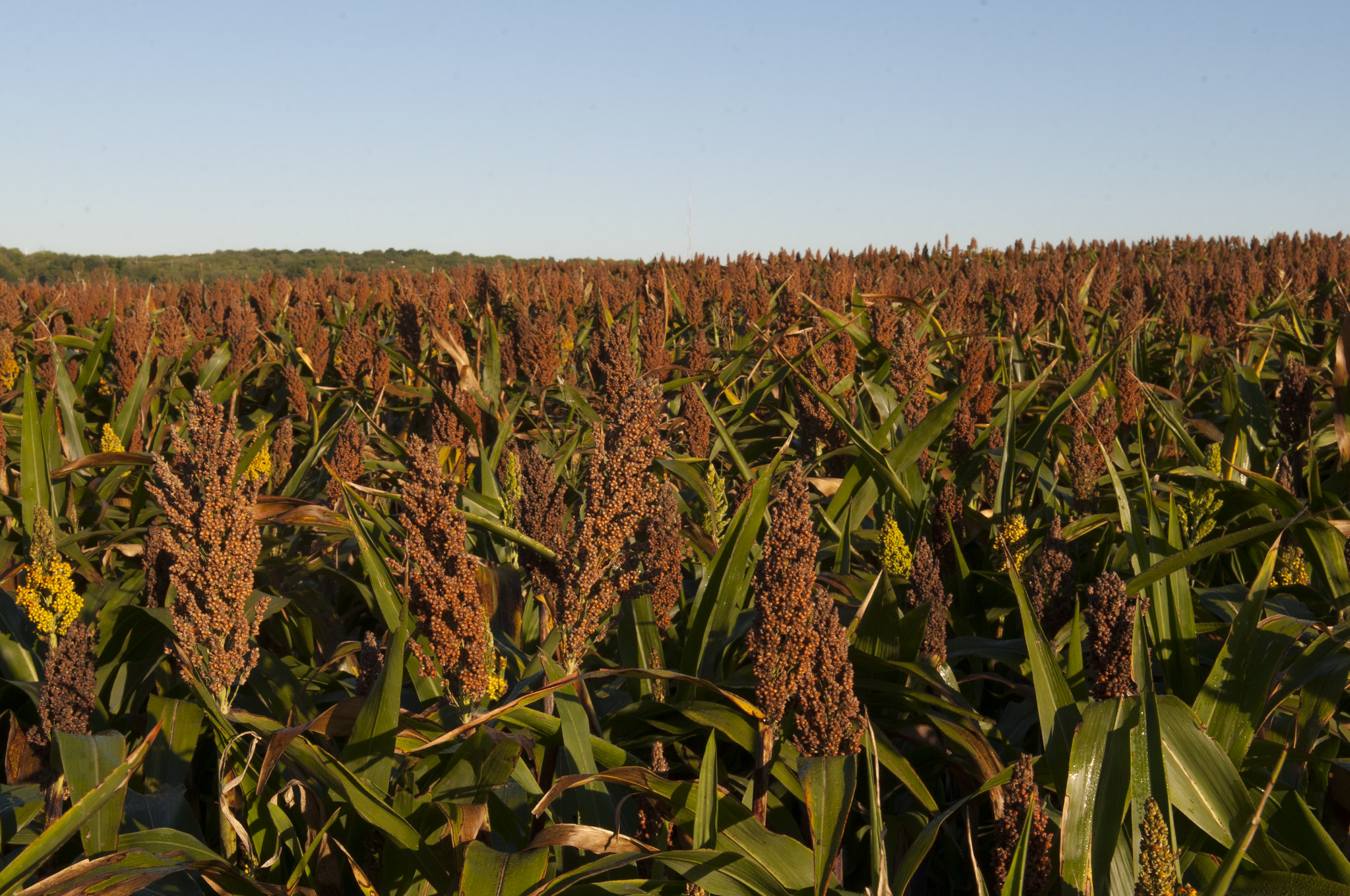
Bioenergy sorghum hybrids can restore carbon levels in soil, improve soil fertility, provide biomass for biofuel production, and combat climate change.
Research into human migration shows distinct patterns, including the surprising trend toward areas affected by wildfires.
These five citizen science projects call on you to observe your local weather and bodies of water, snow or no!
Emperor penguins officially a threatened species because of projections of population decline from climate change and ineffective conservation.
Bats play an important role in forest ecosystems because of what’s called trophic cascades: they eat insects that eat trees.
Artificial sweeteners may have unintended effects on the body and the biosphere, so it is worth looking into natural sugar alternatives.
Did you participate in the largest ever fungi bioblitz? Read about the citizen science push cataloging fungi diversity in North America!
New research shows that bacteria found inside plant leaves can transfer their nitrogen and might eliminate the need for nitrogen fertilizers.