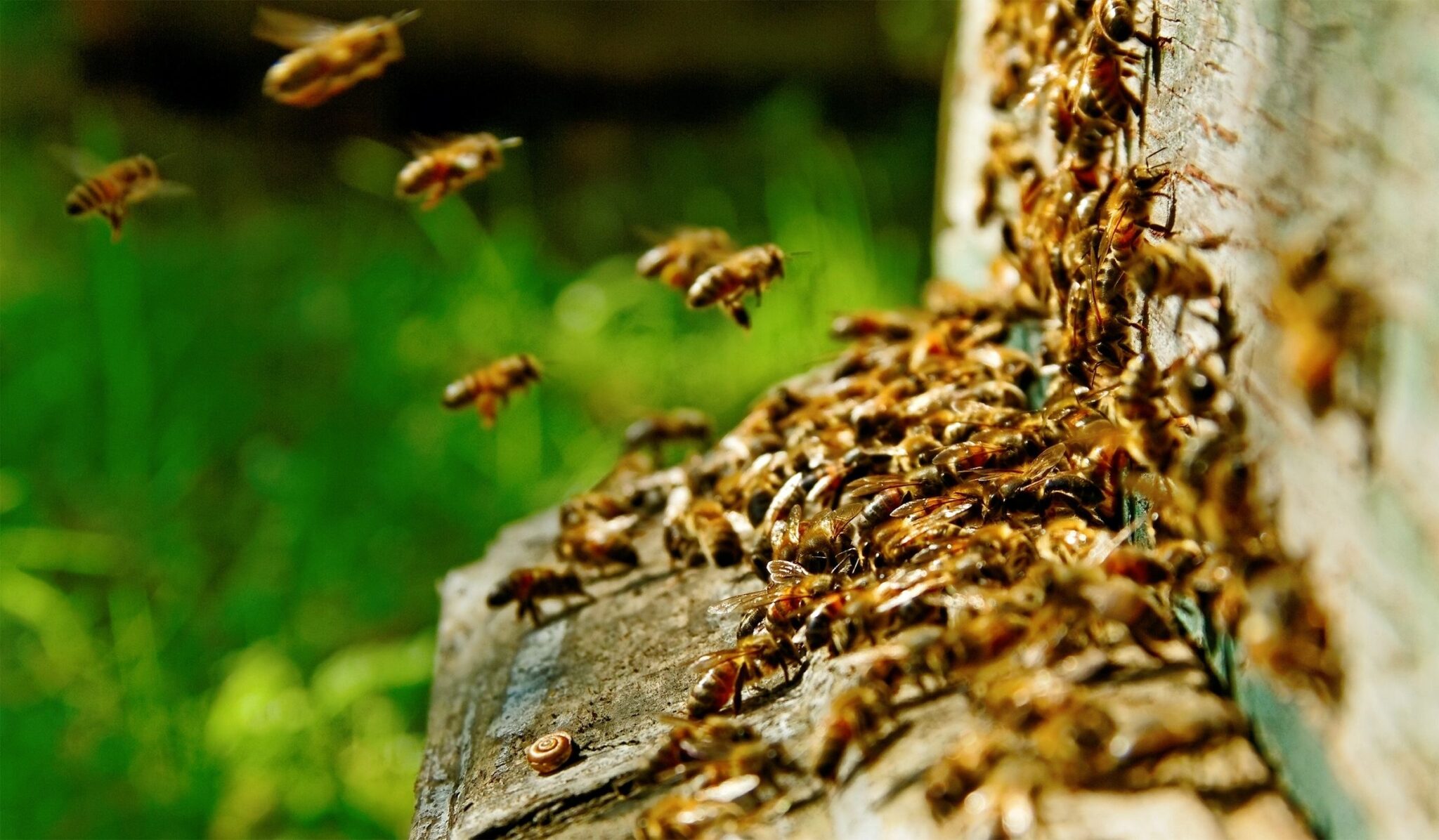
Bee Behavior Affected by Pesticides and Temperature
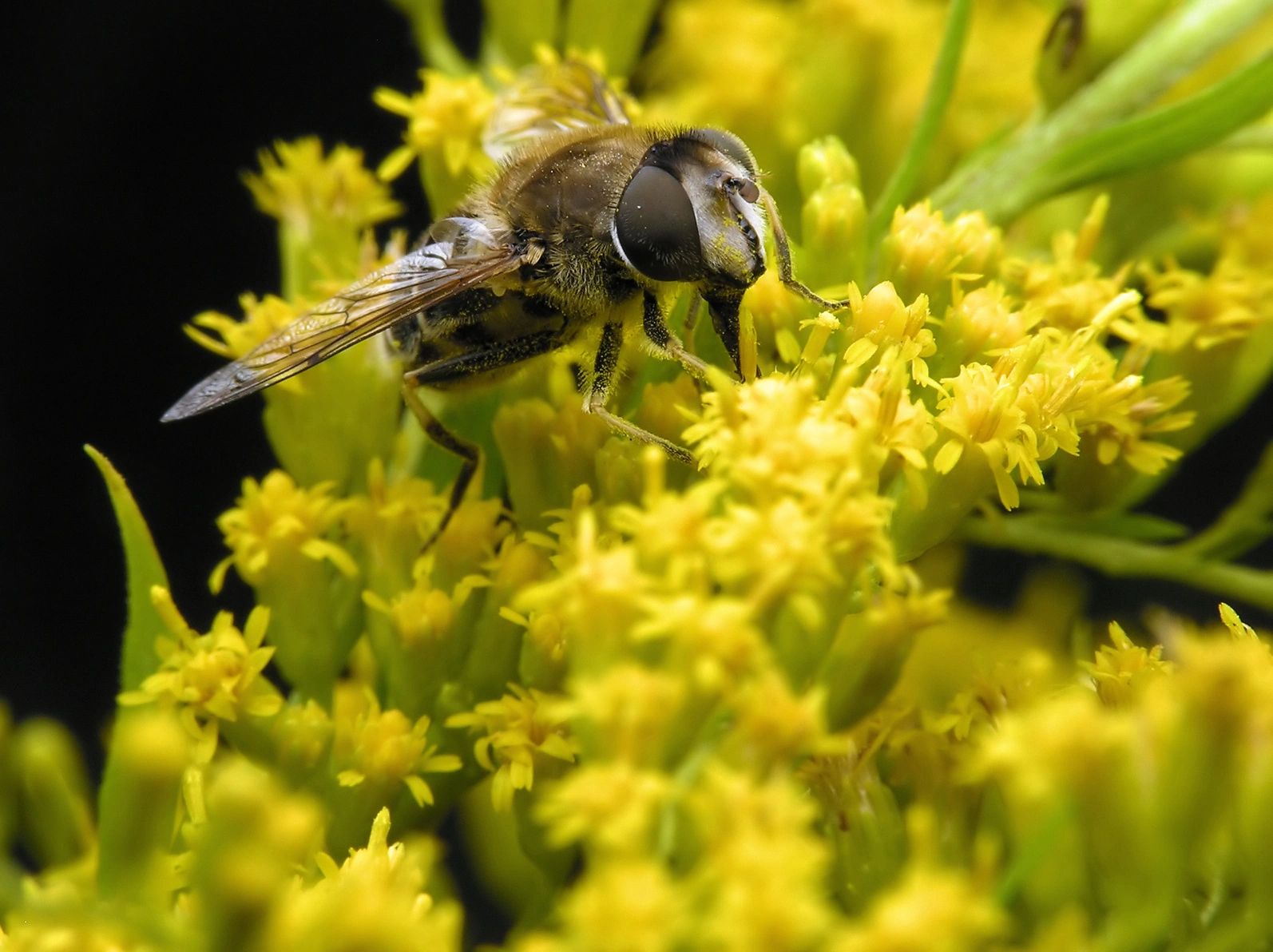
Climate change and pesticides spell double trouble for bee behavior, but pesticide risk to bees varies depending on the temperature.
Making Science Make Sense

Climate change and pesticides spell double trouble for bee behavior, but pesticide risk to bees varies depending on the temperature.
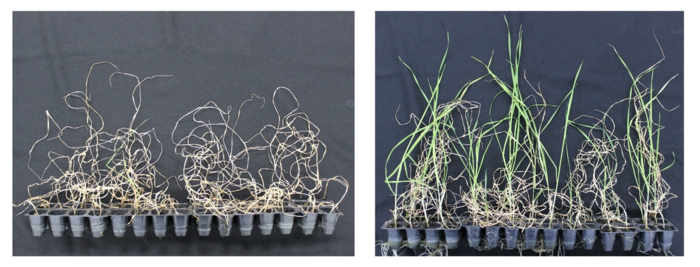
Droughts can wreak havoc on food supply and crop production, but a new study shows that ethanol can help crops survive.
Rising temperatures in recent years have been linked to observed shifts in bee phenology. These changes may impact pollination.
Climate change is not just in the air—underground climate change expands or contracts the earth, affecting the buildings above.
Researchers identified over five thousand previously undiscovered species in the CCZ region of the ocean, and they predict more.
A long-standing Japanese art form known as kirigami has inspired scientists to design effective solar cell tech four hundred years later.
Thermoelectric generators get a boost—now they can supply enough renewable energy to power small devices both day and night.
Genomics opens the way for scientists to track where and which plants are affected most by rapidly spreading pathogens.
Water quality may be headed for a rise as scientists work to develop new technology that uses bacteria to detect harmful heavy metals in water.
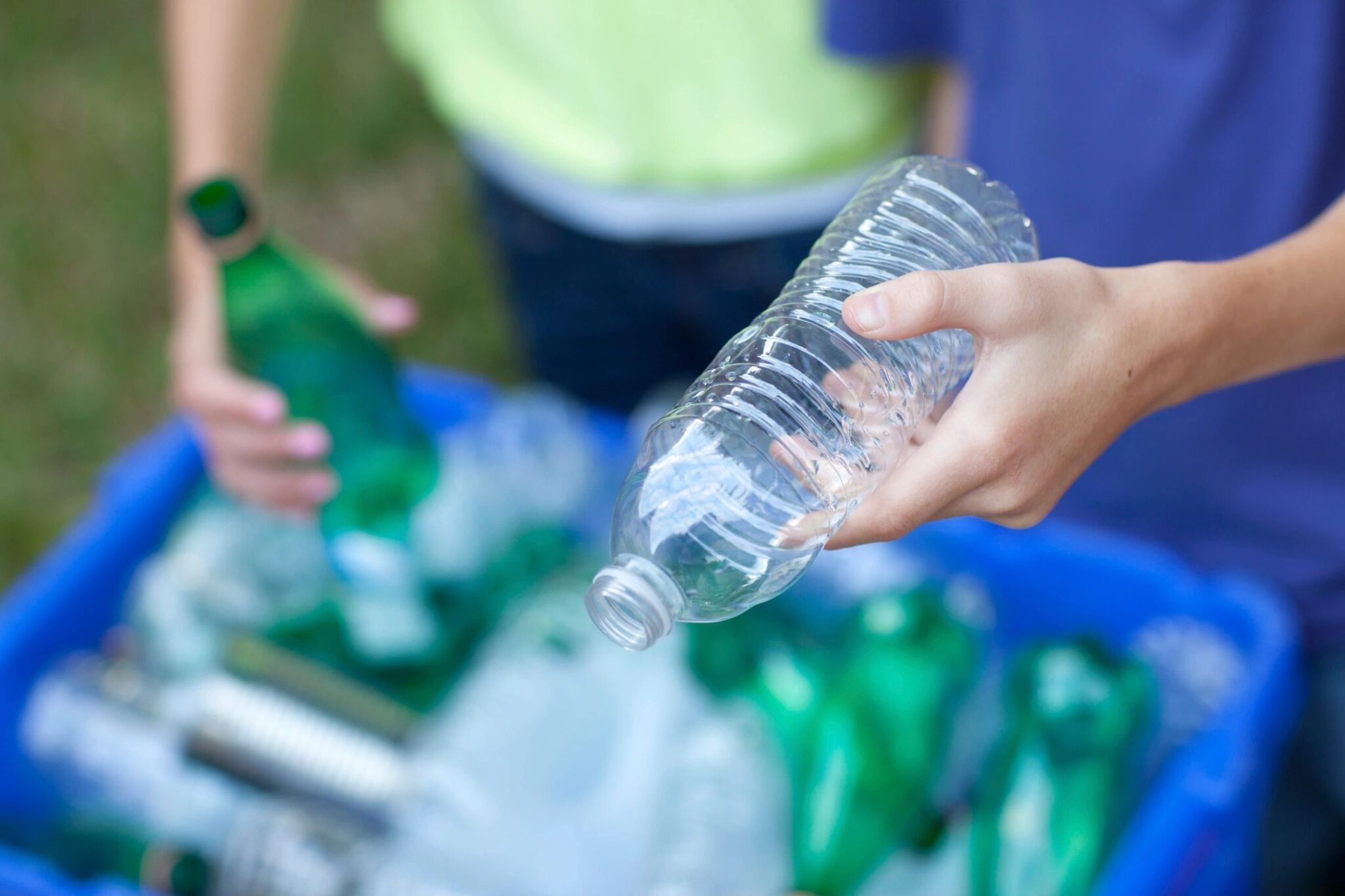
A common bacterium, Comamonas testosteroni, might hold the key to breaking down and recycling plastic waste on a large scale.