
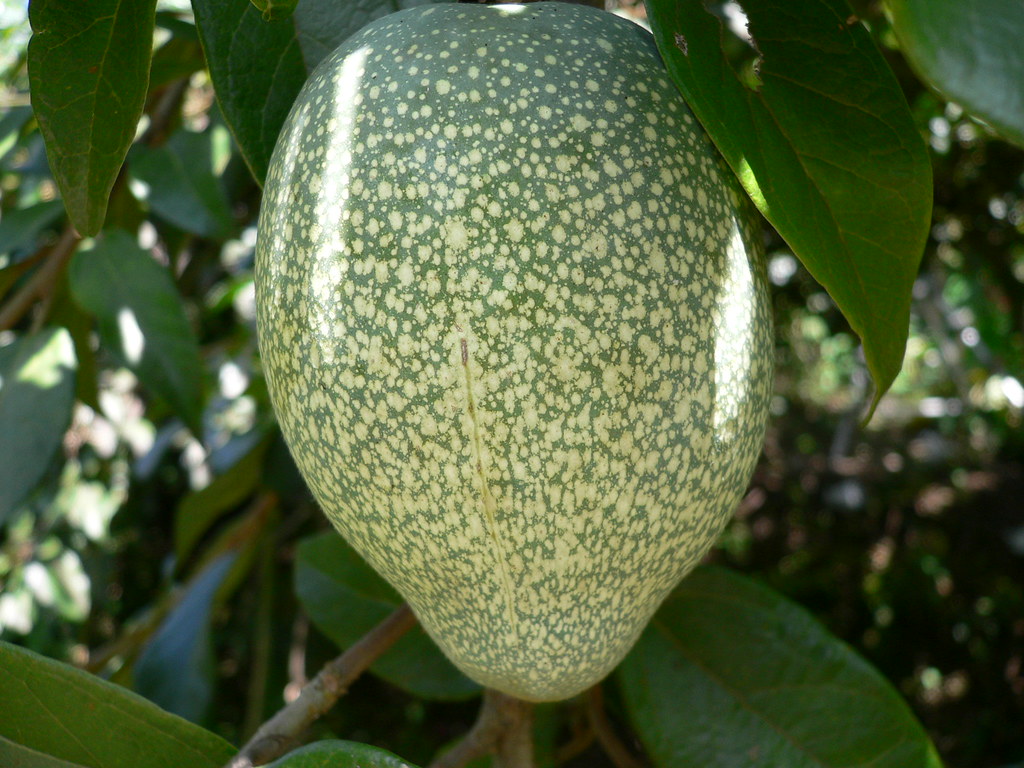







Hydrogels made from Jelly Fig plants and other natural components shown to improve diabetic wound healing.
By Jaskiran Garcha
Wound healing is a multistep process, but diabetes makes healing longer and more difficult. However, plants are useful for managing prolonged wound healing in those with diabetes. Specifically, scientists have found that a plant native to Taiwan, the Jelly Fig, can be used to make hydrogels. These gels can be used as wound dressings, especially for wounds of individuals with diabetes.
The making of hydrogels
Hydrogels are not directly made from Jelly Figs. It is the compounds, particularly polysaccharides, found in Jelly Figs that carry the healing properties. As a first step toward making hydrogels, researchers extracted polysaccharides from Jelly Figs. They confirmed this extraction of polysaccharides by determining its chemical composition fingerprint (called “characterization”).
The researchers then used these polysaccharides to make the hydrogels. As with the polysaccharides, the scientists confirmed the properties of these gels. Specifically, the researchers tested the gels for a smooth surface, compatibility with other cells, and the ability to swell and biodegrade. These properties are essential for hydrogels to be used therapeutically.
In addition to polysaccharides from Jelly Figs, the researchers used other materials, particularly Alginate, to make a second type of hydrogels. Alginate is also a natural polysaccharide. Then they made a third set from a combination of polysaccharides from both Jelly Figs and Alginate. Lastly, they made a fourth kind of hydrogel from both types of polysaccharides and Genistein, a natural product with therapeutic properties. The scientists characterized all four kinds of hydrogels, meaning they tested and confirmed their properties.
The healing power of hydrogels
A crucial property of hydrogels is their ability to prevent bacterial growth, a property known as antibacterial activity. So, after characterization, the researchers tested the antibacterial properties of all four hydrogels against two types of bacteria. One of these bacteria is common in wound infections, especially those associated with diabetes. From this study, the scientists concluded that a hydrogel made solely from the polysaccharide of Jelly Figs could not prevent bacterial growth. The remaining three of the four gels had antibacterial properties. Further, two of the three antibacterial hydrogels, namely the gel with both kinds of polysaccharides and the fourth kind of hydrogel that had an additional therapeutic compound, also improved the healing process of wounds. The researchers made this conclusion based on an assay that measures cell movement, an essential step in healing wounds.
Next, the scientists confirmed the healing properties of hydrogels directly by treating diabetic rats. Compared to the rats treated only with regular gauze, the rats treated with the fourth kind of hydrogel (made up of both types of polysaccharides and the therapeutic compound) recovered better. To understand what differentiated the wounds that were recovering from those that were not, the scientists studied the damaged tissues from the rats. They found that the rats recovering developed more blood vessels. This means that the wounded area was receiving more nutrients and oxygen, which helps the body to recover from injuries.
Read more about diabetes treatment in: An Innovative Approach to Glucose Monitoring
The final verdict
Overall, from a series of tests on different types of hydrogels, the researchers confirmed that a hydrogel formed in part from a plant from Taiwan can be used to treat diabetic wounds. The combination of polysaccharides from Jelly Figs and Alginate, along with Genistein, made a hydrogel with antibacterial, anti-inflammatory, and greater blood-flow properties that can improve the wound healing process.
This study was published in the peer-reviewed journal ACS Applied Bio Materials.
Reference
Thangavel, P., Saravanakumar, I., Sundaram, M. K., Rathinam, B., & Muthuvijayan, V. (2026). Biomimetic multifunctional hydrogels from Jelly Fig Polysaccharide (Ficus awkeotsang Makino), Alginate, and Genistein for enhanced diabetic wound healing applications. ACS Applied Bio Materials, 9(7), 3226–39. https://doi.org/10.1021/acsabm.5c01754
Featured image of Jelly Fig by farkomer on Flickr, licensed under CC BY-NC-ND 2.0.
About the Author
Jaskiran Garcha is a science communication enthusiast pursuing her graduate studies in Ontario, Canada. She enjoys research and wants to share it with everyone she can, often through articles like the one above. When not doing science, she likes to travel. Follow her on LinkedIn.