Skip to content

Science Connected Magazine

Making Science Make Sense

Bigyapaan Image
  • About
    • FAQ
    • Science Connected
    • Writers
    • Advisors
    • Policy on AI Use
    • Practice SciComm
    • Submission Guidelines
    • Permissions
    • Contact
  • Subjects
    • Science and Art
    • Life Sciences and Biomedicine
      • Anthropology
      • Biodiversity and Conservation
      • Biology
      • Botany
      • Citizen Science
      • Neuroscience
      • Ecology
      • Environment
        • Climate Change
        • Sustainable Living
      • Genetics and Heredity
      • Health
        • COVID-19
      • Marine and Freshwater Biology
      • Paleontology
      • Zoology
        • Ornithology
    • Physical Sciences
      • Astronomy and Astrophysics
      • Chemistry
      • Geology
      • Mathematics
      • Oceanography
      • Physics
    • Social Sciences
      • Archaeology
      • Language and Linguistics
      • Psychology
      • Science Policy
        • Science Debate Series
    • Technology
      • Computer Science
      • Engineering
      • New Technologies
    • Opinions and Editorials
  • Blogs
    • The SciStarter Blog
    • There Be Dragons Everywhere
  • Videos
    • It’s Ok to Be Smart
    • PBS Eons
    • Science With Sophie
    • Shelf Life from AMNH
    • Cat Behavior with Simon’s Cat Logic
  • STEM Education
    • FREE RESOURCES
    • Book Catalog
    • For Grades 7-12
    • For Grades K-6
    • iBiome Games
    • Book Recommendations
    • Get to Know a Scientist
  • Bookstore
  • Swag Shop
  • DONATE
  • Volunteer
  • Subscribe

Year: 2015

Shelf Life Episode 1: 33 Million Things
Biology Paleontology Science Videos Zoology

Shelf Life Episode 1: 33 Million Things

March 25, 2015September 4, 2015

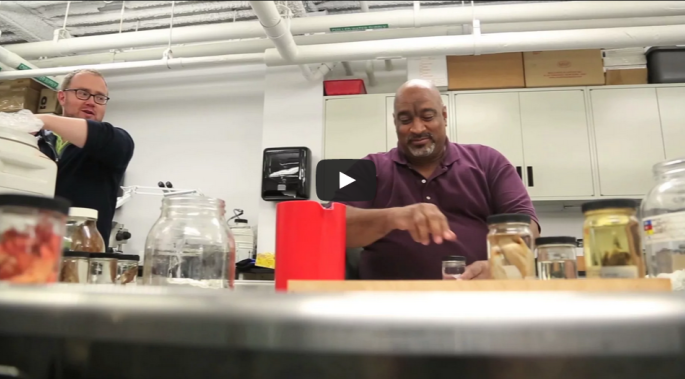
About Shelf Life Episode 1: 33 Million Things Can’t get to New York to visit the American Museum of Natural…

Prehistoric Stone Tools with Animal Residue
Archaeology

Prehistoric Stone Tools with Animal Residue

March 24, 2015April 1, 2021

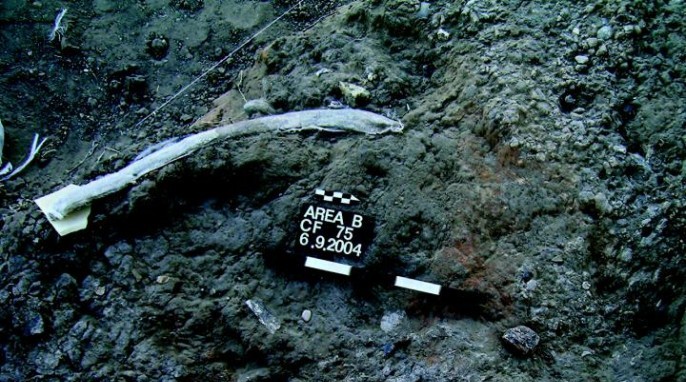
About 2.8 million years ago, early humans probably survived on a diet of plants. As the human brain expanded, however,…

Solar Eclipse from Stuttgart, Germany
Astronomy and Astrophysics Environment Science and Art

Solar Eclipse from Stuttgart, Germany

March 23, 2015September 4, 2015

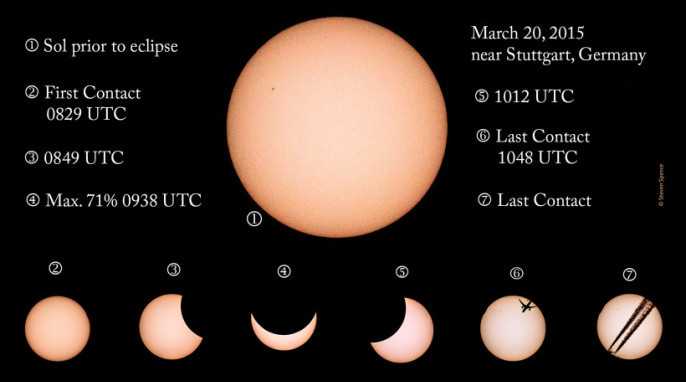
  On March 20, 2015, people across Europe, northern and eastern Asia, and northern and western Africa were treated to…

42 North American Butterflies
Citizen Science Science and Art Zoology

42 North American Butterflies

March 19, 2015July 1, 2021

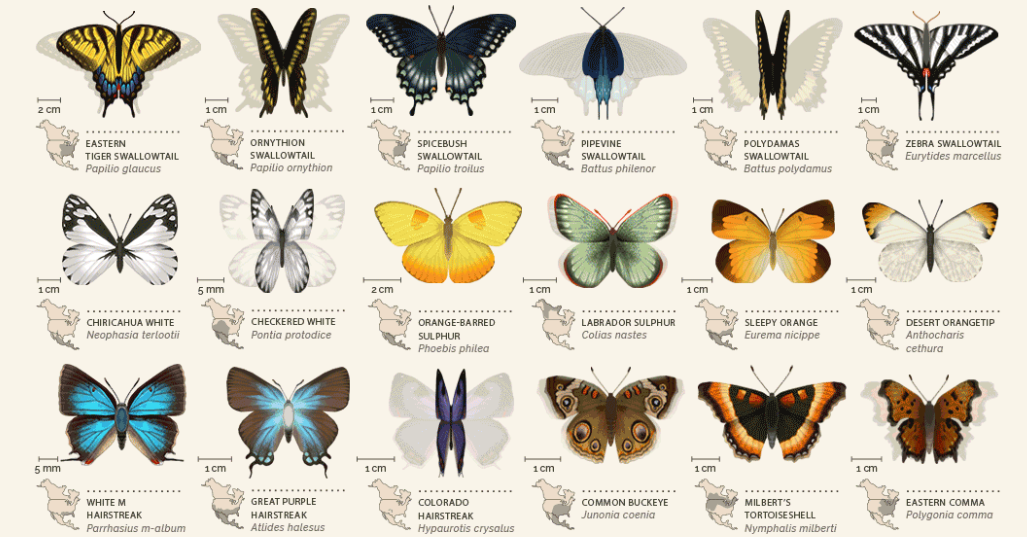
This animated infographic shows 42 different North American butterflies. The infographic is the work of designer Eleanor Lutz.

Winter Hack: New Rubber Grips Icy Surfaces
Health New Technologies Physics

Winter Hack: New Rubber Grips Icy Surfaces

March 18, 2015April 7, 2021

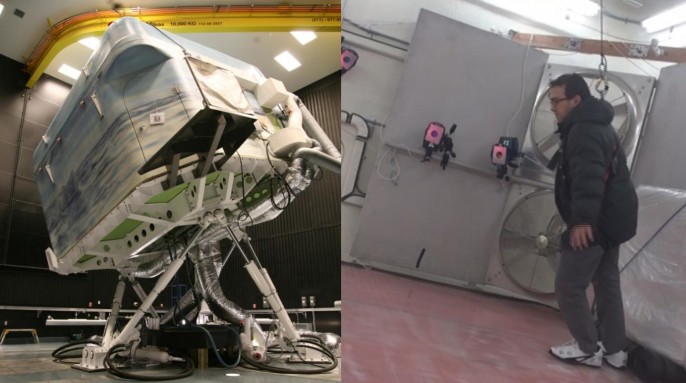
Winter storms dumped record amounts of snow on the East Coast and other regions of the United States this year,…

Methane-Munching Microbes Limit Global Warming
Biology Climate Change Oceanography

Methane-Munching Microbes Limit Global Warming

March 17, 2015May 24, 2021

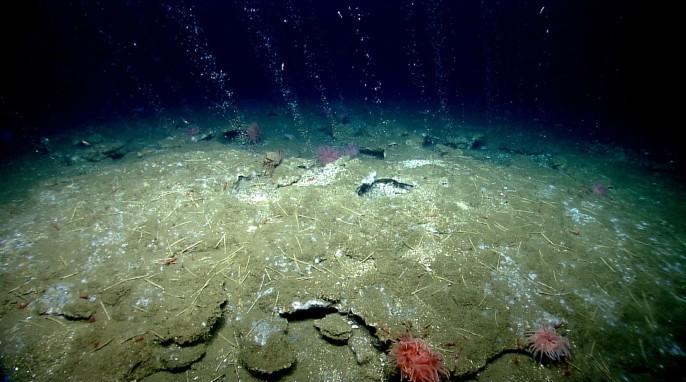
Holes in the sea floor release methane gas. Microorganisms that live near the holes protect our air by eating 75 percent of the methane.

Winter Bees, First Visitors
Environment Science and Art Zoology

Winter Bees, First Visitors

March 16, 2015September 4, 2015

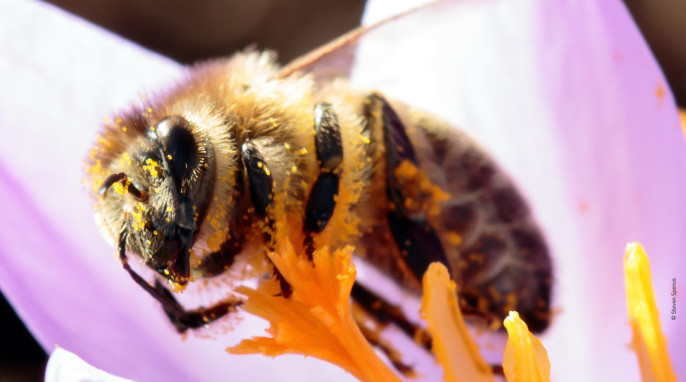
This photo of a winter bee collecting pollen, called “First Visitors,” is the work of Germany-based photographer Steven Spence. Here…

Early Tetrapod Skull Looks like Crocodile
Biology Paleontology

Early Tetrapod Skull Looks like Crocodile

March 12, 2015September 4, 2015

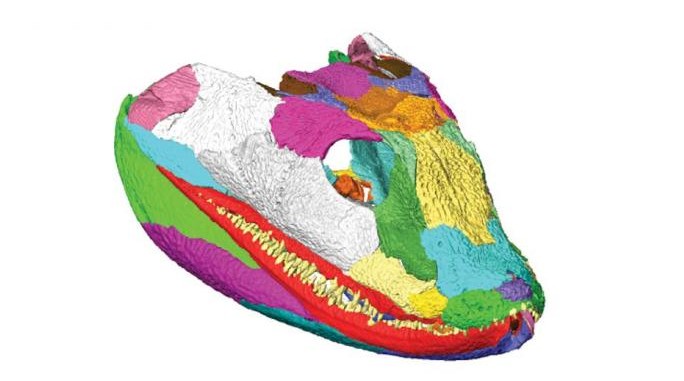
Our 360 million-year-old tetrapod ancestors may have been more like modern crocodiles than previously thought, according to a new 3D…

Chameleons’ Color Change Secret Revealed
Biology Zoology

Chameleons’ Color Change Secret Revealed

March 11, 2015September 4, 2015

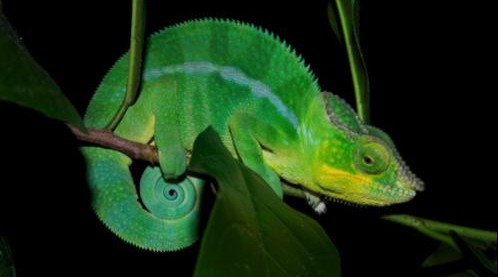
Chameleons are known for the remarkable ability to perform complex and rapid color changes during social interactions. Now, a team…

Brain-like Computers from Optical Fibers
Engineering New Technologies Physics

Brain-like Computers from Optical Fibers

March 10, 2015December 11, 2023

Researchers say to get ready for brain-like computers that can learn and adapt. Computers that function like a human brain could be reality.
Posts navigation

Older posts
Newer posts
  • LinkedIn
  • Bluesky
  • Instagram
  • Facebook
  • X
  • Mail
subscribe to Science Connected Digest Weekly

Make a Donation

Science Connected Magazine is an editorially independent, non-profit newsroom producing open-access science journalism.

Contact

Terms of Use

Privacy Policy

Style Guide

ScienceConnected.Org

Copyright © 2025 Science Connected, All Rights Reserved | Ace News by Ascendoor | Powered by WordPress.