What Do Students Hear When Science Says “We’re Not Sure”?
Science has its own set of language norms. Understanding those norms is important to understanding the science being communicated.
Making Science Make Sense

Science has its own set of language norms. Understanding those norms is important to understanding the science being communicated.
A gene mutation in the brain 200,000 years ago may be responsible for human language, as seen in a controlled experiment on the NOVA1 gene.
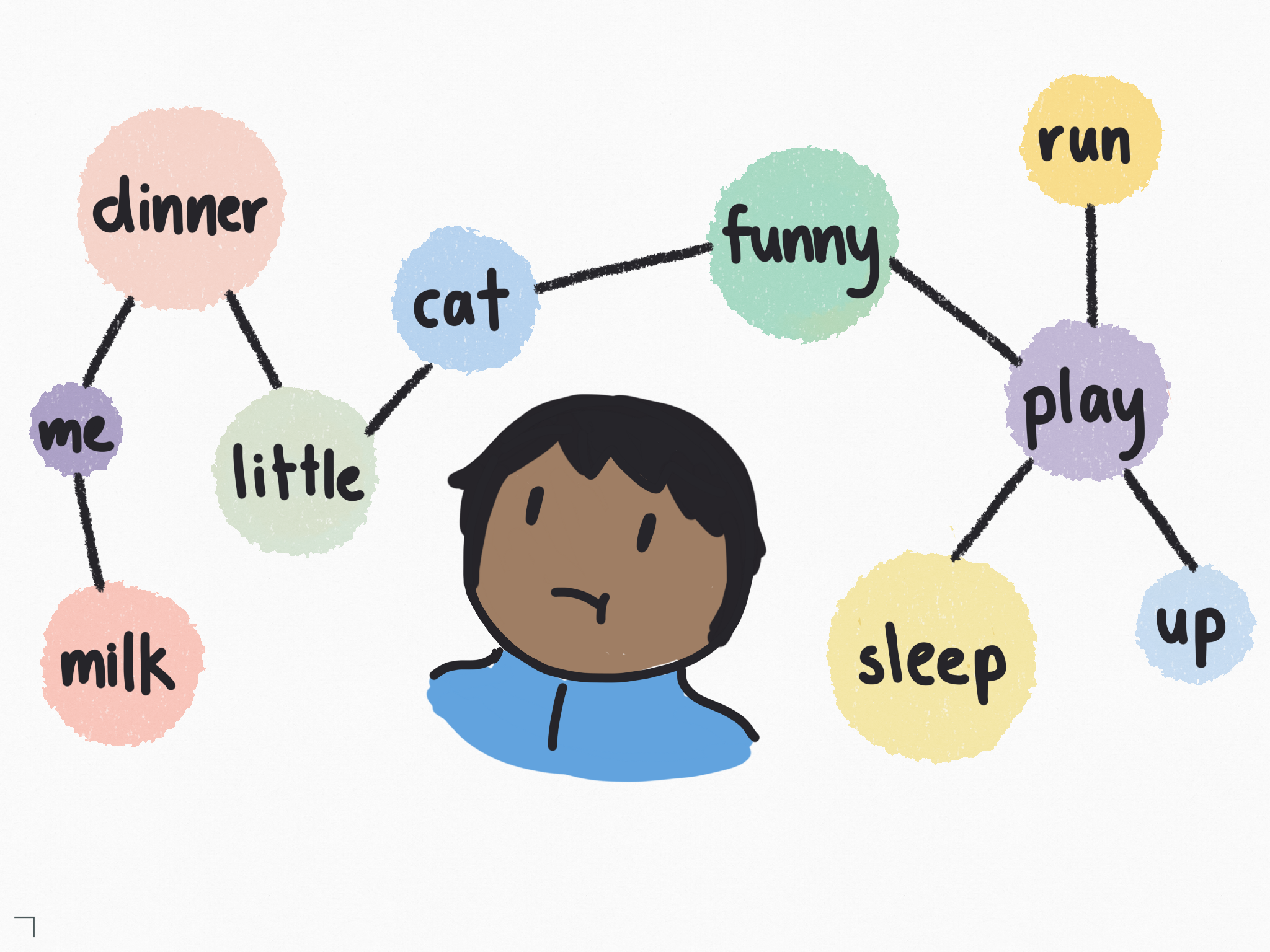
Children learn language for the first time in a cool way, and the good news is that adults can, too. Find out how.
Scientists have used a massive data set of billions of words from actual usage to find that people around the world use more happy words than sad words.
Stroke survivors with aphasia, the loss of language skills, are helped in their recovery by listening to music with lyrics.
By Shelby Nilsen Human language is unlike any other form of natural communication. It is the fundamental mechanism that we…
Get ready for a dive into linguistic history! Our friend Dr. Joe Hanson from It’s Okay to Be Smart (PBS…
Where did the Uto-Aztecan language originate? An interdisciplinary research project looked at a set of 100 words to understand the sound…
Shelf Life: The Language Detectives This episode of the Shelf Life video series details how two curators at the American…