Working Dogs Traded by Ancient Cultures?
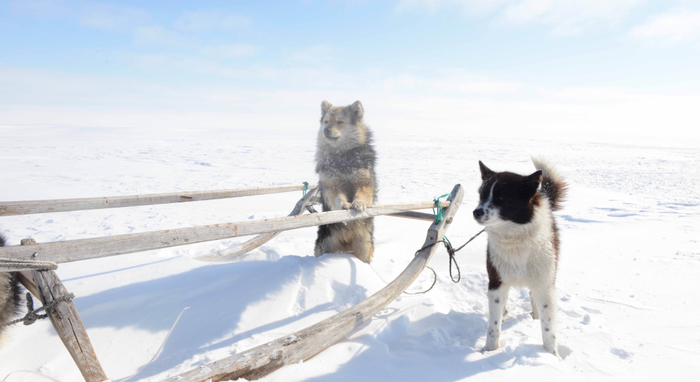
Dog people love their dogs, but did you know that in the Arctic, working canines were traded as valuable commodities at least 2,000 years ago?
Making Science Make Sense

Dog people love their dogs, but did you know that in the Arctic, working canines were traded as valuable commodities at least 2,000 years ago?
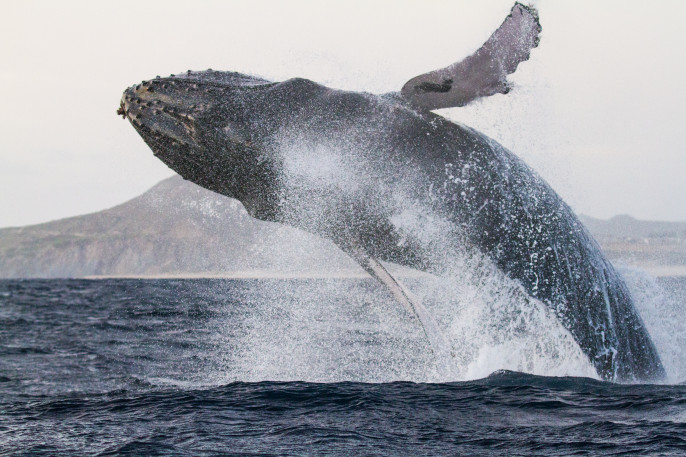
Travel to Baja California with wildlife photographer Max Goldberg and see his photos of the humpback whales. The humpback whales migrate to the area to breed.
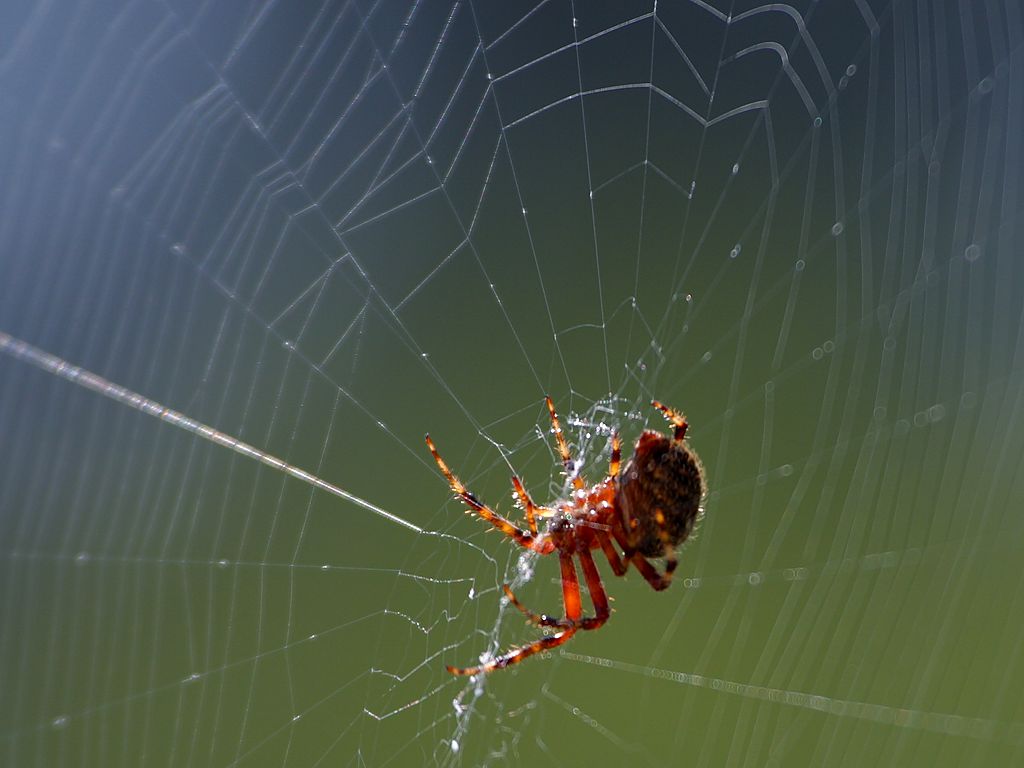
The webs of spiders come in many shapes and serve many functions, like helping them hunt prey and hide from predators.
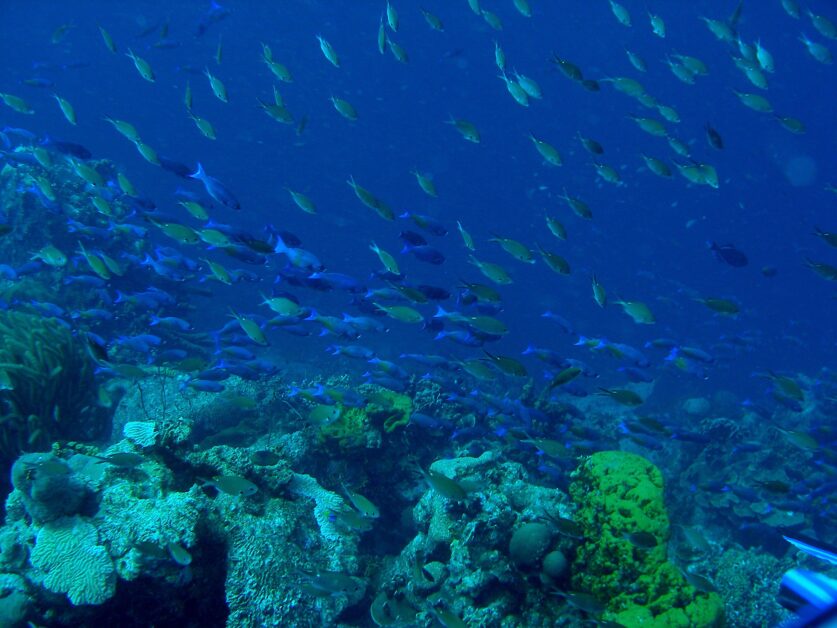
Every night, tiny animals called zooplankton migrate from the deep sea to the surface. Just before sunrise, they return to the ocean depths. Why?
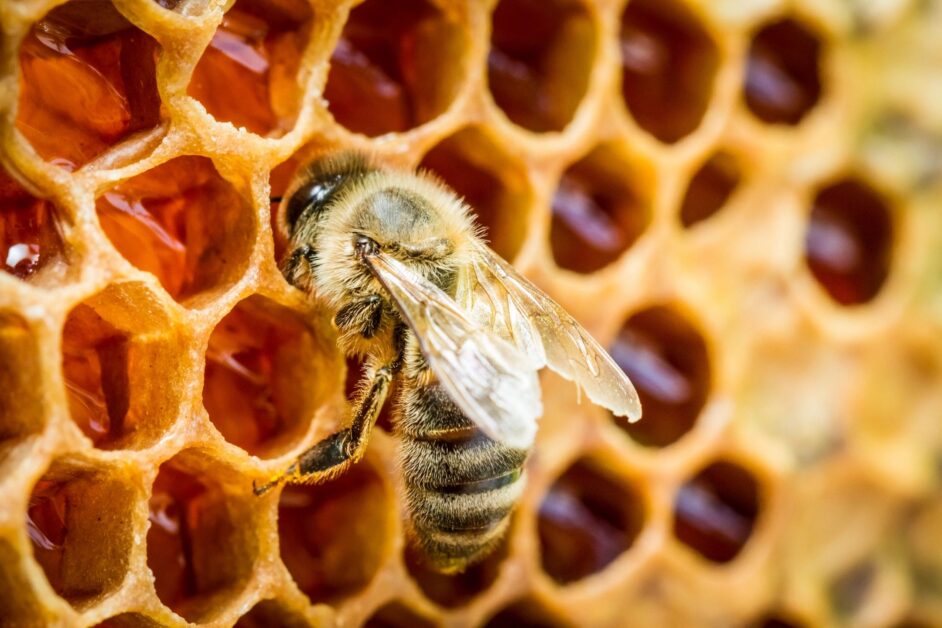
Bees and other pollinators are part of our agricultural processes and, indeed, life on earth. Find out how and why Andy became a beekeeper.
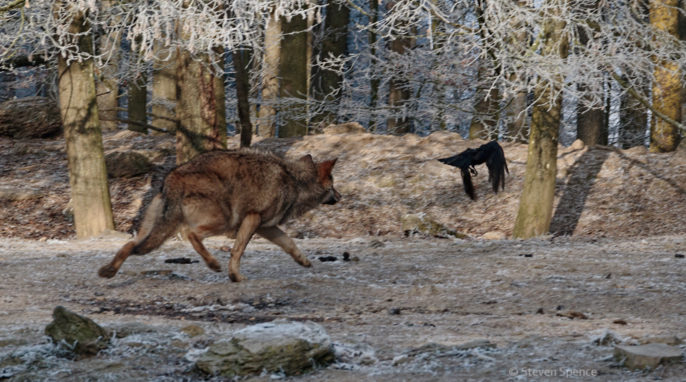
Steven Spence visits the wolves at Wildpark Bad Mergentheim in Germany and photographs a contest for food between the wolves and crows.
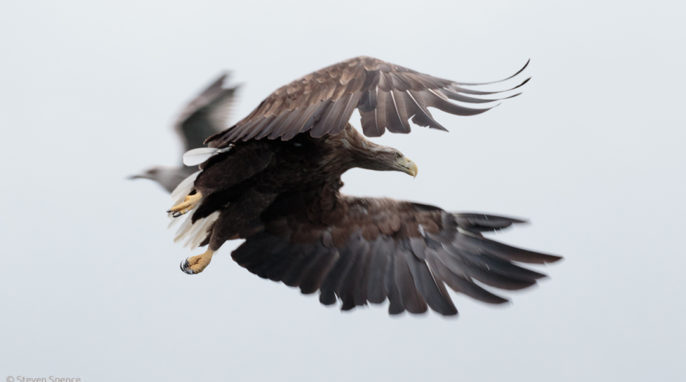
Scientifically known as Haliaeetus albicilla, these large raptors are commonly known as sea eagles or white-tailed eagles. By Steven Spence…
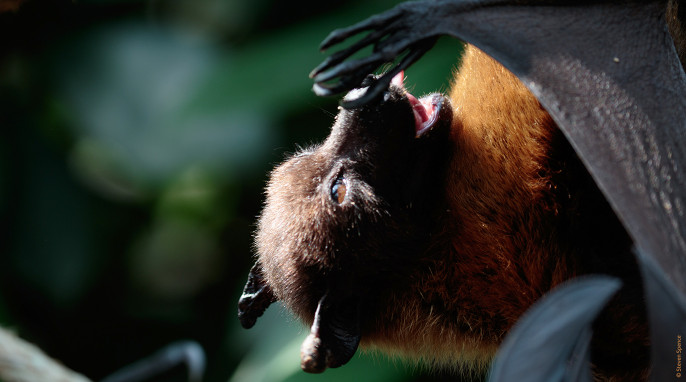
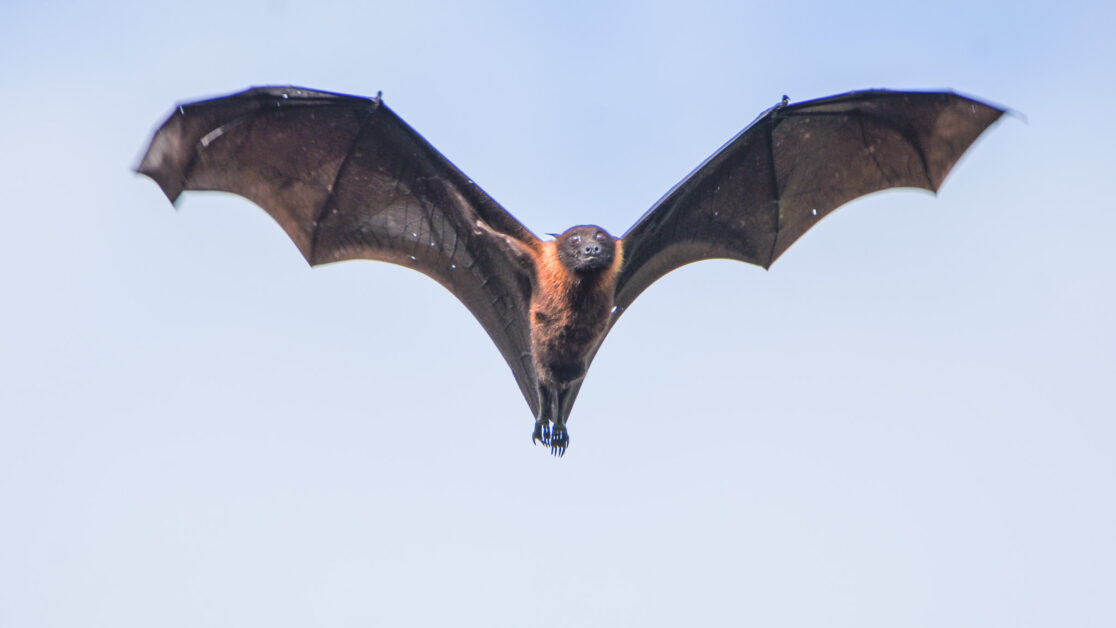
Covid-19 is not the first pandemic to strike humanity, and it won’t be the last. Scientists are investigating bat-human virus transmission.
A terrifying bat-killing fungus is tearing through North American bat populations—and scientists have finally found a way to fight back.
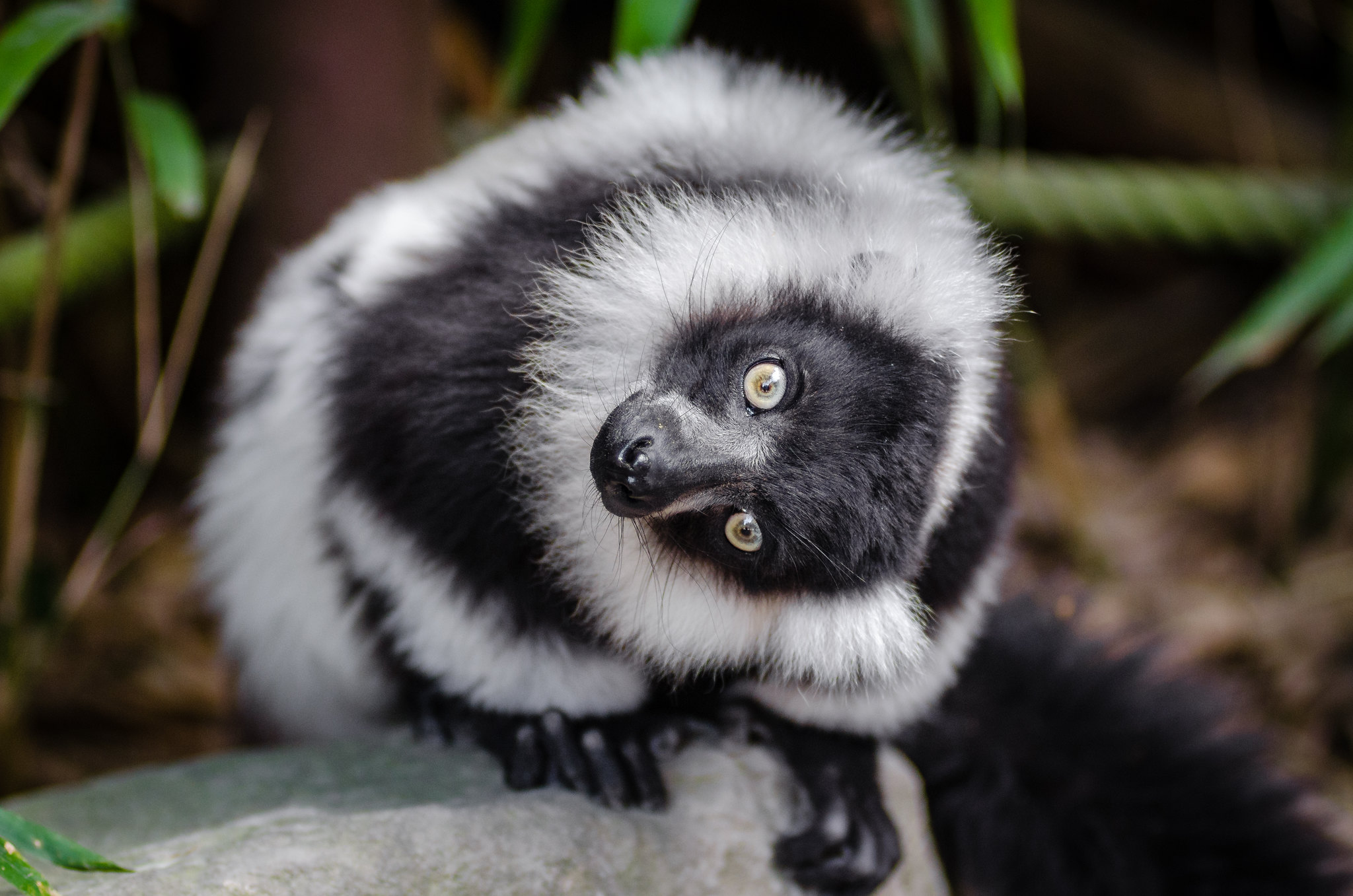
Did you know that wild lemurs only live in Madagascar, and that their habitat is quickly disappearing? Find out what is being done.