Prenatal Exposure to Wildfires May Increase Likelihood of Autism
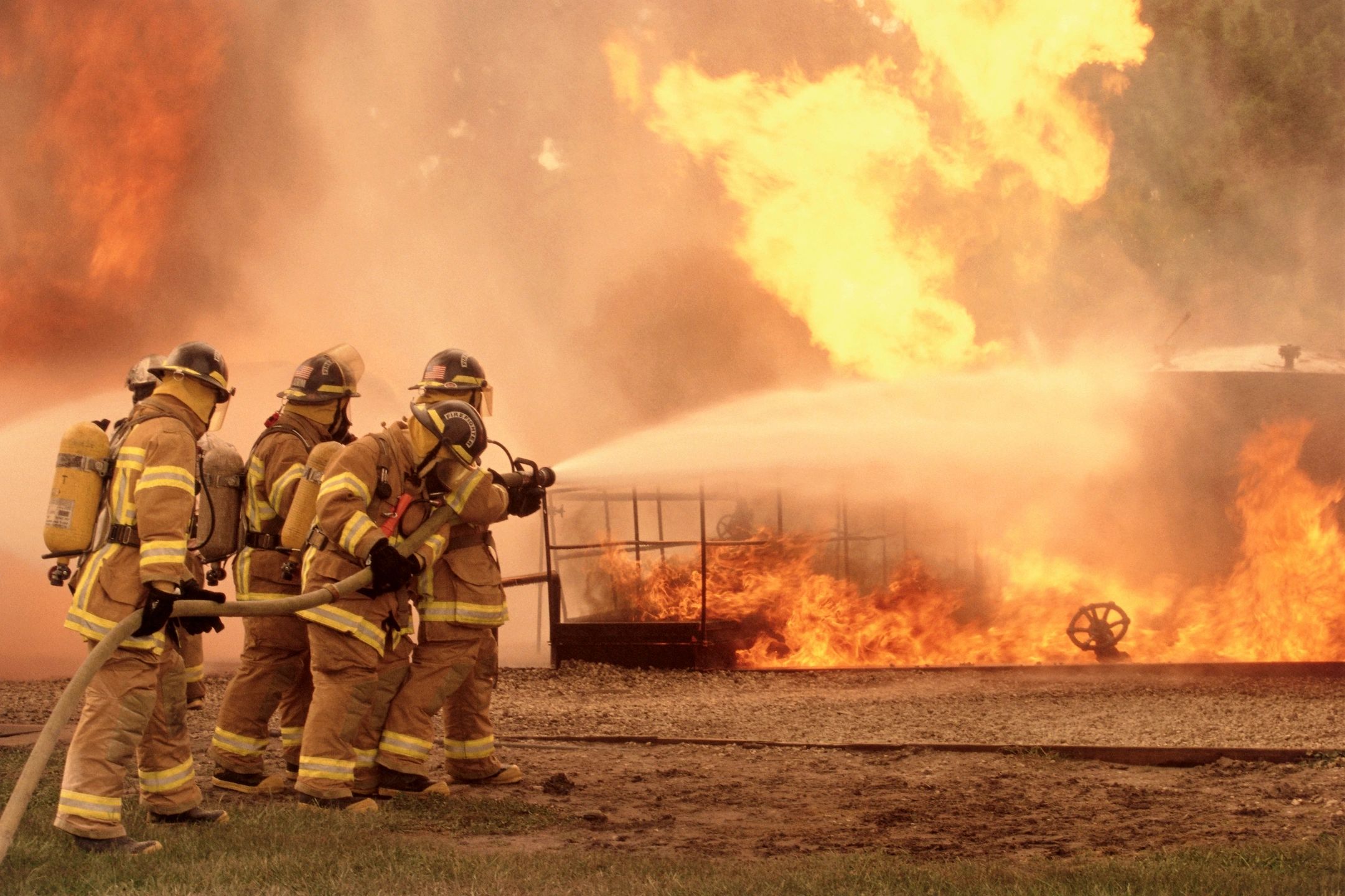
Autism is a brain wiring pattern linked to genetic and environmental factors, including prenatal exposure to air pollutants from wildfires.
Making Science Make Sense

Autism is a brain wiring pattern linked to genetic and environmental factors, including prenatal exposure to air pollutants from wildfires.
Vaccine exemptions are slowly rising in the US, and researchers compare kids’ vaccination rates before and after the start of COVID-19.
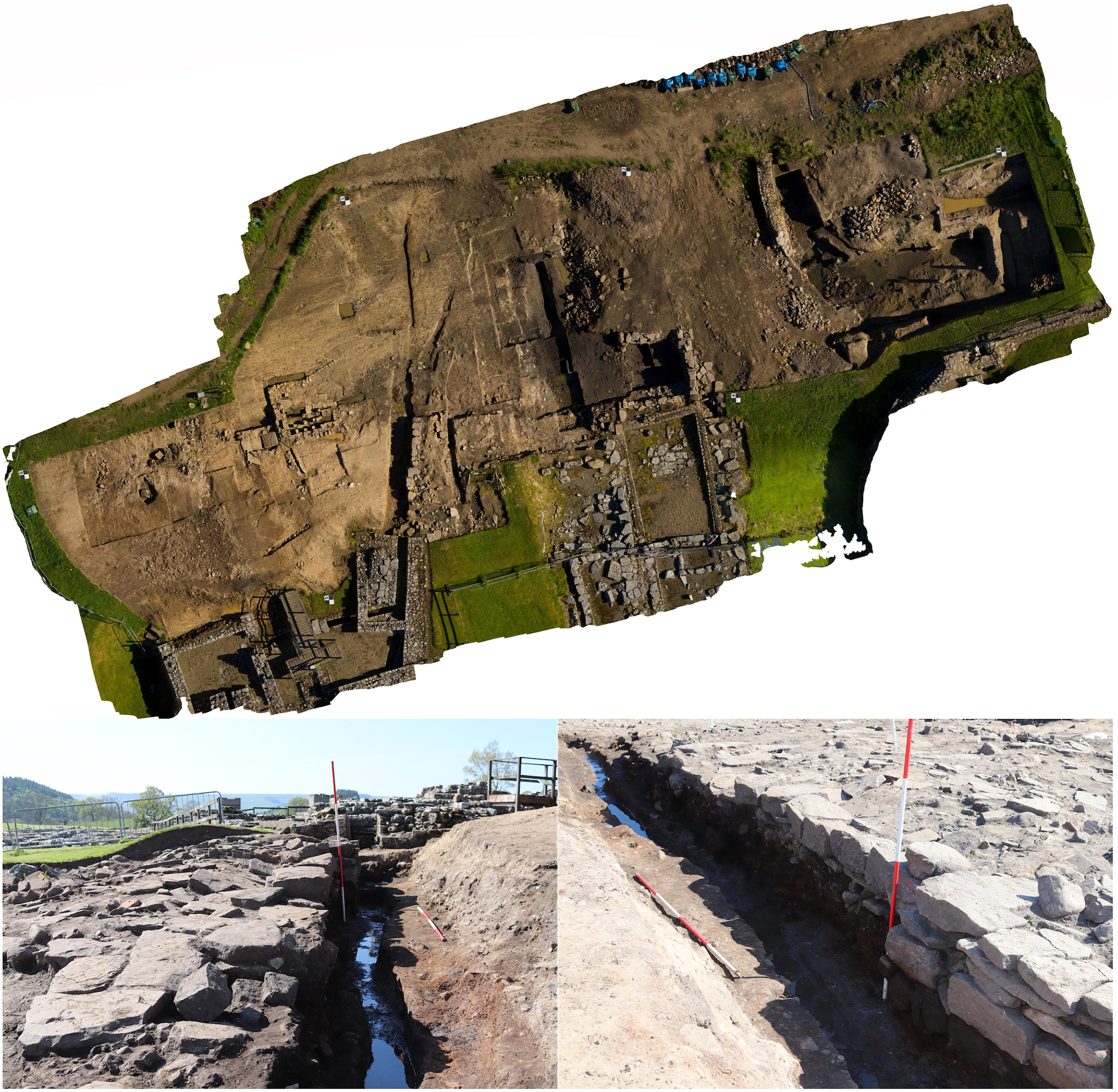
Parasites spread through contaminated food and water, affecting Roman soldiers in the first century and people today.
Not cautious about how much fat you eat? MIT study shows how a high-fat diet strains liver cells and can increase the likelihood of cancer.
Brain development isn’t simply a steady growth and decline. New research reveals four key moments when brain wiring dramatically shifts.
Researchers piece together the correlation between microplastics in the brain and neurodegenerative diseases, with both on the rise.
A research model explains how foods produced with less impact on animal habitats can preserve biodiversity and prevent species extinction.
Lab-grown organoids mimic features of human body parts, leading to accelerated medical research while presenting new ethical questions.
These books are the current top picks for environmental science nonfiction from the writers and editors at Science Connected Magazine.
Large predators can’t be added or subtracted to an ecosystem like simple arithmetic—many factors shift simultaneously.