The Impact of Agricultural Pesticides Is Underestimated
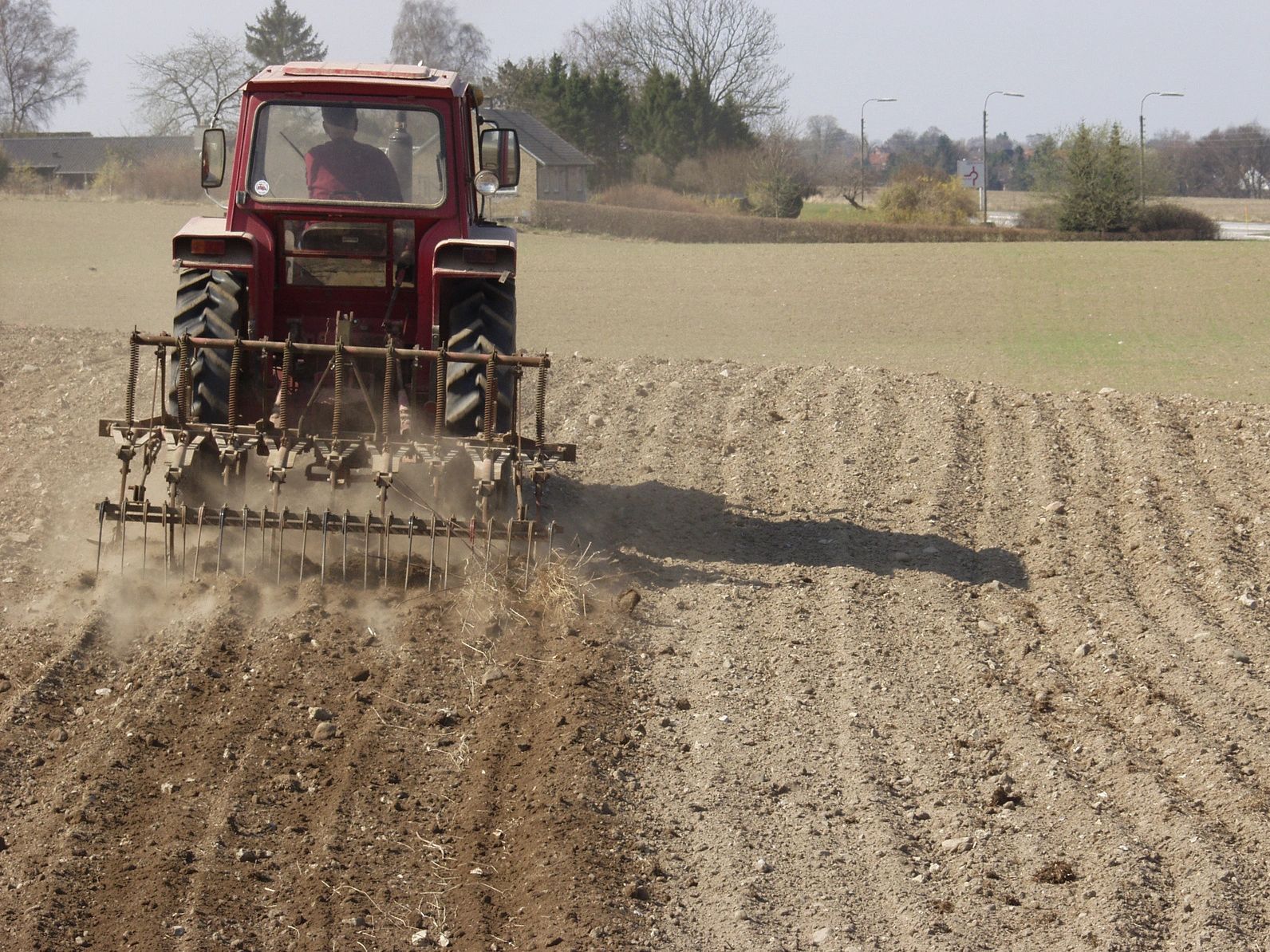
Agricultural pesticides stay in the air long after they are sprayed, latching onto particles in the air instead of breaking down.
Making Science Make Sense

Agricultural pesticides stay in the air long after they are sprayed, latching onto particles in the air instead of breaking down.
Scientists test protein upcycling by using maize leftovers to grow mushrooms, then using the more nutritious by-product to feed earthworms.
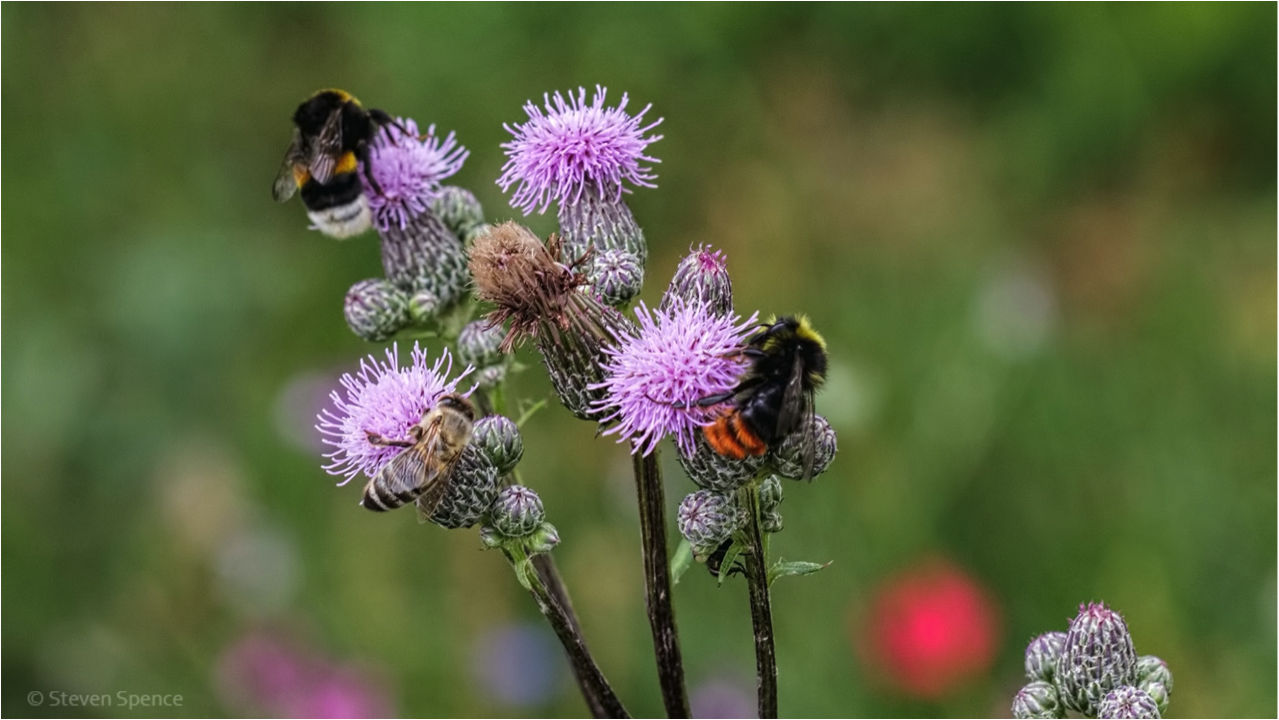
Insect-friendly urban gardens show great promise to be havens for bees and other pollinators, securing their future and allowing them to thrive.
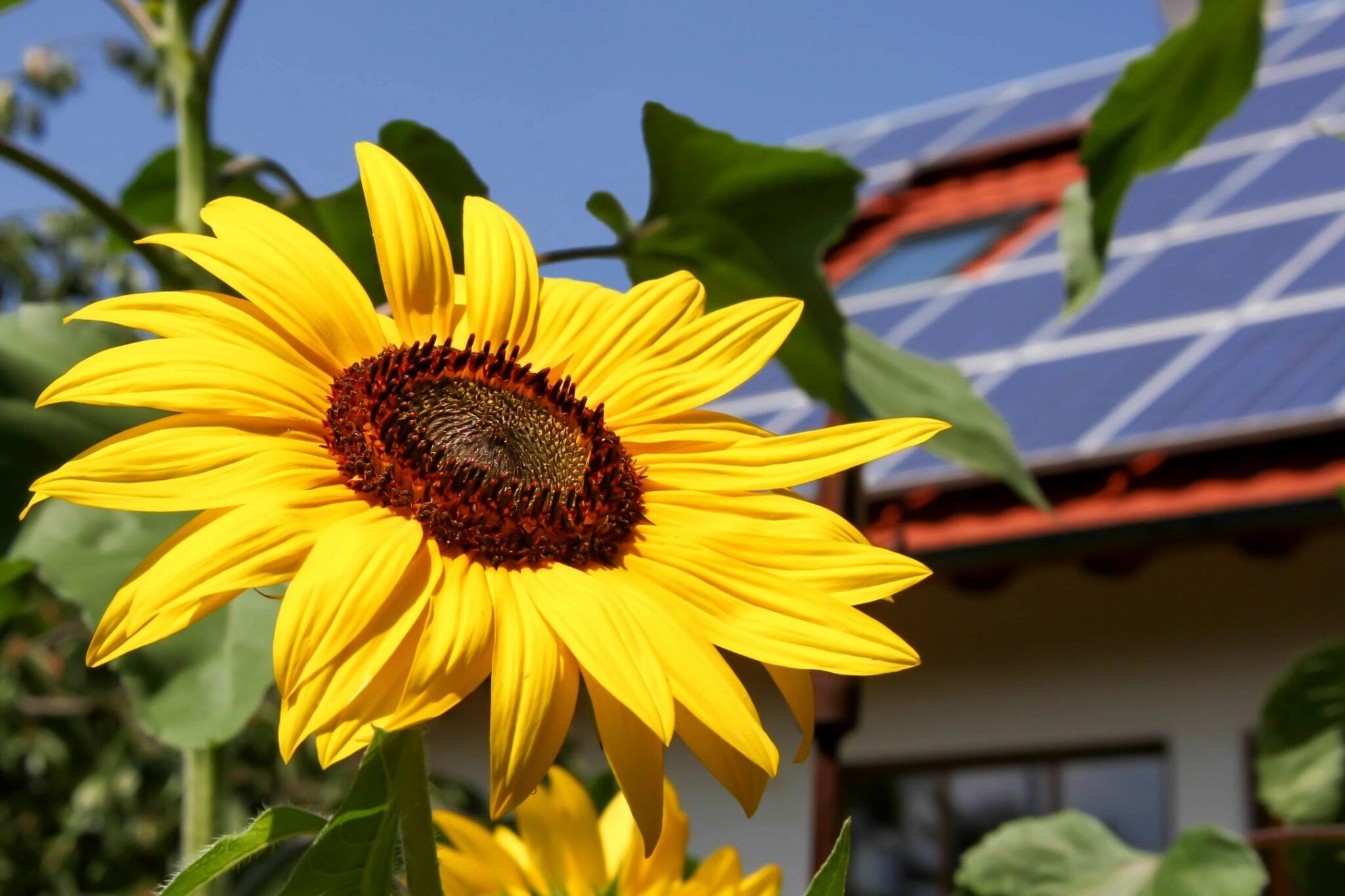
Scientists developed a nonhazardous strategy for recycling solar panels that enables nearly all components to be recovered and reused without efficiency loss.
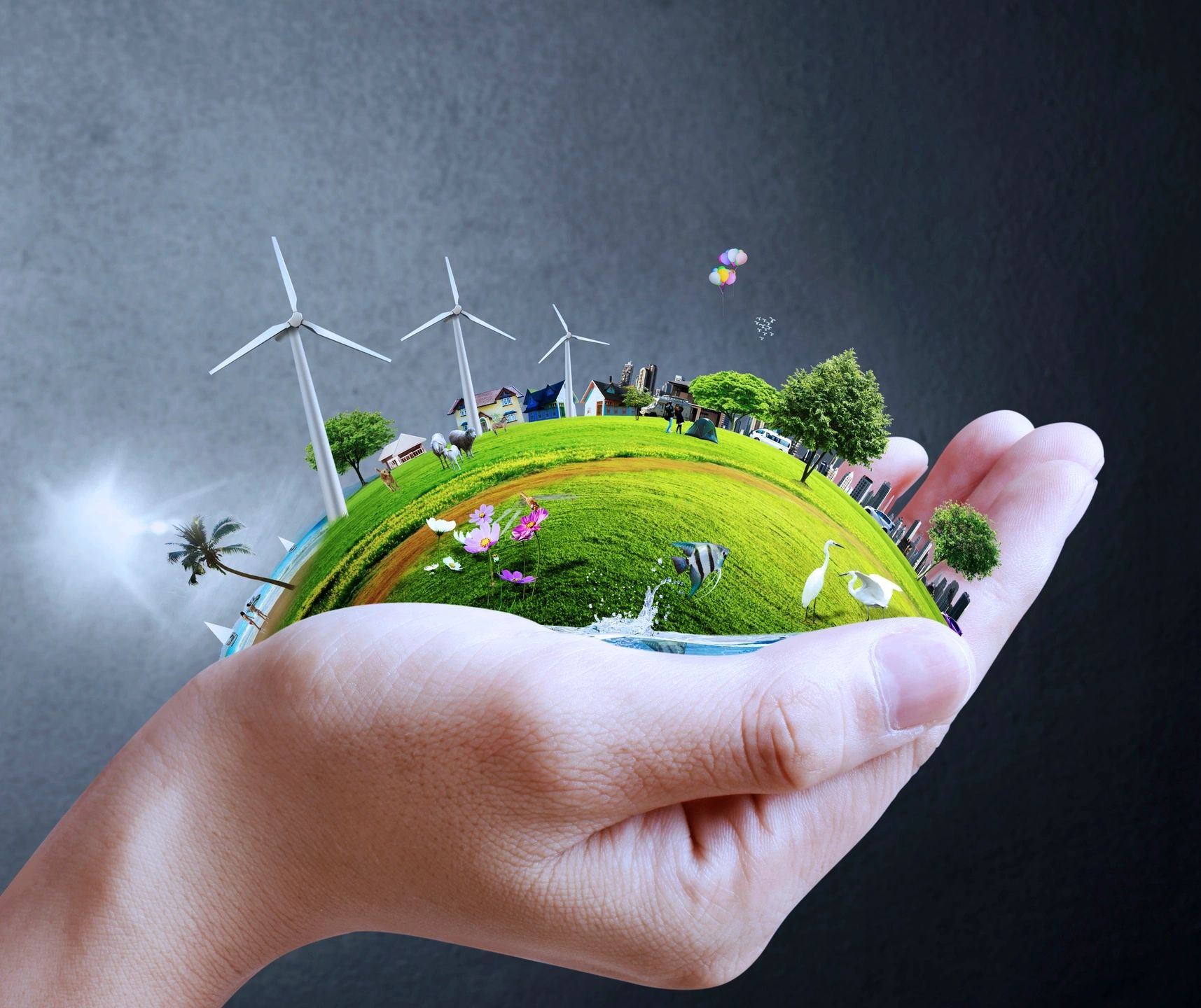
Earth Day is celebrated every year on April 22. Learn more and find out how to get involved in an Earth Day celebration near you!
Increasing amounts of plastic in our brains has scientists questioning how microplastics impact cognitive health.
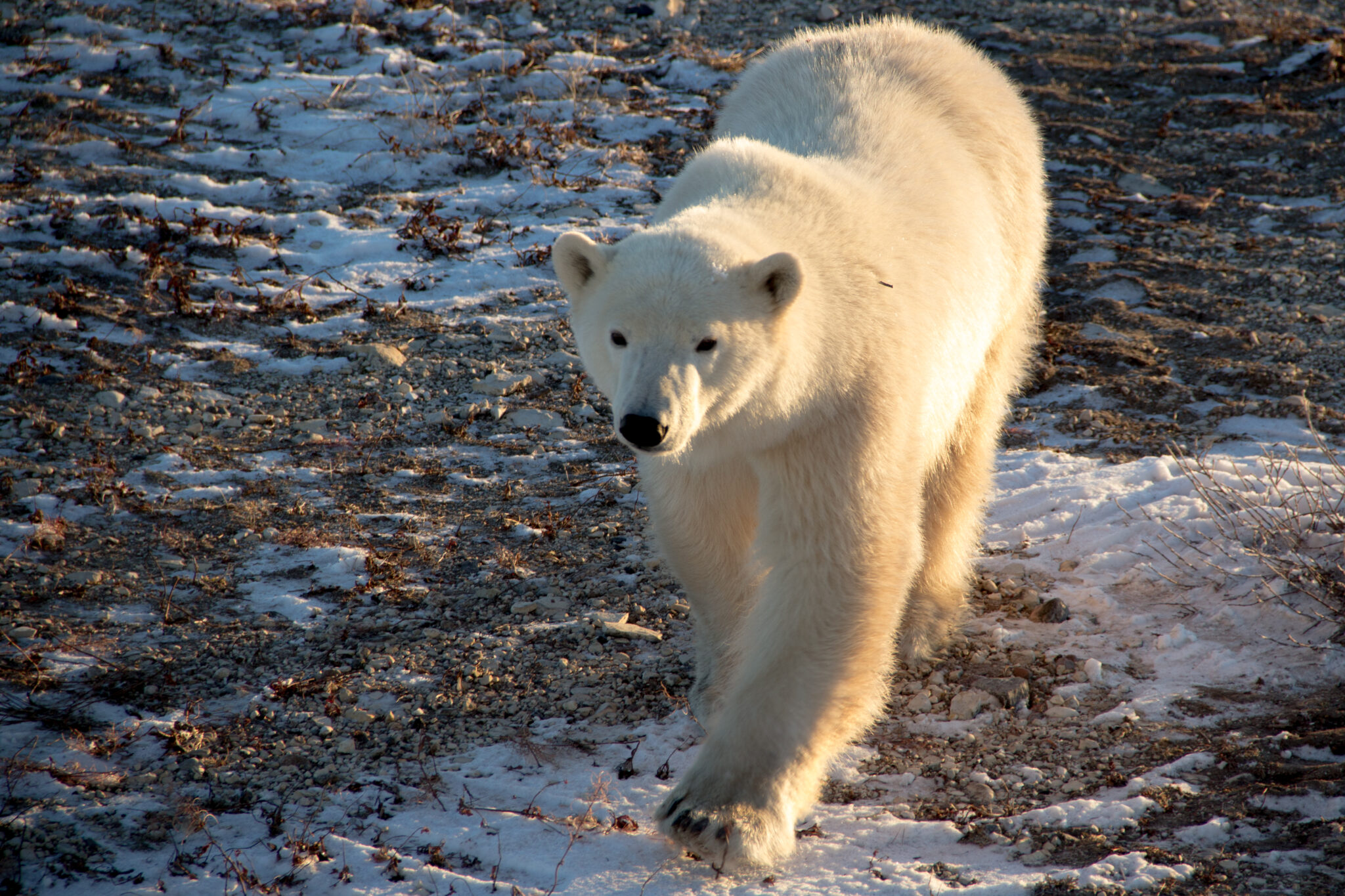
Polar bears struggle to have enough energy to survive because melting sea ice makes it harder to find food.
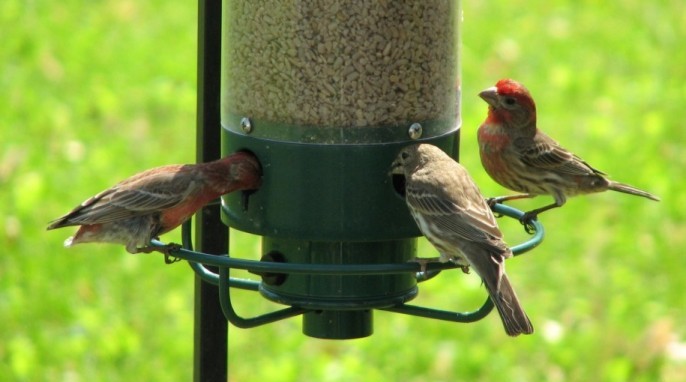
Do you have a bird feeder at home? Fifty percent of Americans do. Learn how to feed the birds without causing them to crash into your window.
Climate change’s effects can be reduced by soils storing carbon. But the soil carbon sink is itself vulnerable to climate change.
Environmental conditions influenced the time and space of the first human migrations according to archaeological, genetic, and climatic data.