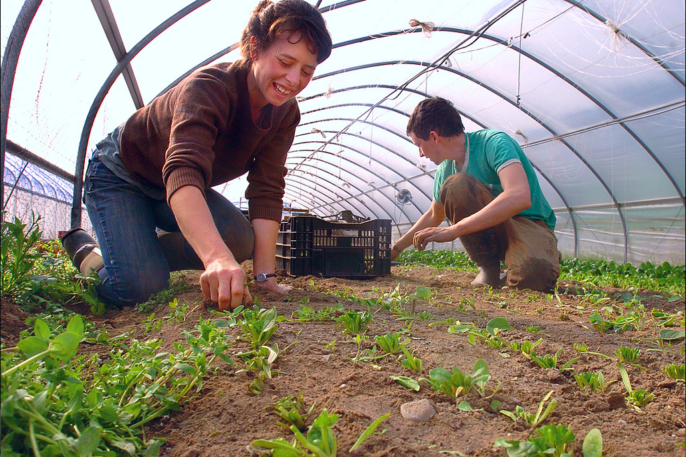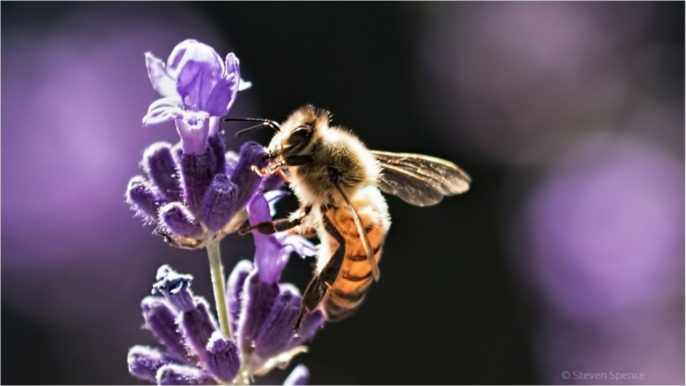
Tips for a Bee-Friendly Garden
By Steven Spence @TheStevenSpence More Diverse Than Honeybees When we hear about bees most of us think of honeybees (Apis…
Making Science Make Sense

By Steven Spence @TheStevenSpence More Diverse Than Honeybees When we hear about bees most of us think of honeybees (Apis…
By Emily Rhode @riseandsci Three years after the Flint water crisis began, lead in drinking water continues to make headlines…
Scientists at The American Museum of Natural History explain why managing biodiversity is a key component in managing endangered species.…
Every week, we manage more than 23 exabytes of data. What challenges do researchers face with such an overwhelming information overload?
Many pathogenic bacteria use “stealth siderophores” to steal iron from humans. Find out how scientists are stopping bacteria from stealing…
By Katherine Lindemann In light of growing concerns about antibiotic resistance, the search is on for alternatives to existing antibiotics.…
Human cells need iron, and so does bacteria. Bacteria make siderophores, scavenger molecules that leave the cell to poach iron from hosts.
By Cathy Seiler Sara Bowen, PhD, is a biochemist with what can only be described as a giddy excitement for…
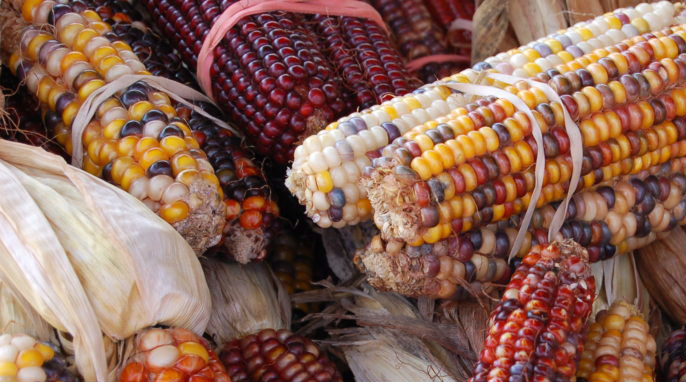
In ancient Mexican corn varieties, a scientist detected the DNA signature of genetically modified organisms (GMOs). Should we be concerned?
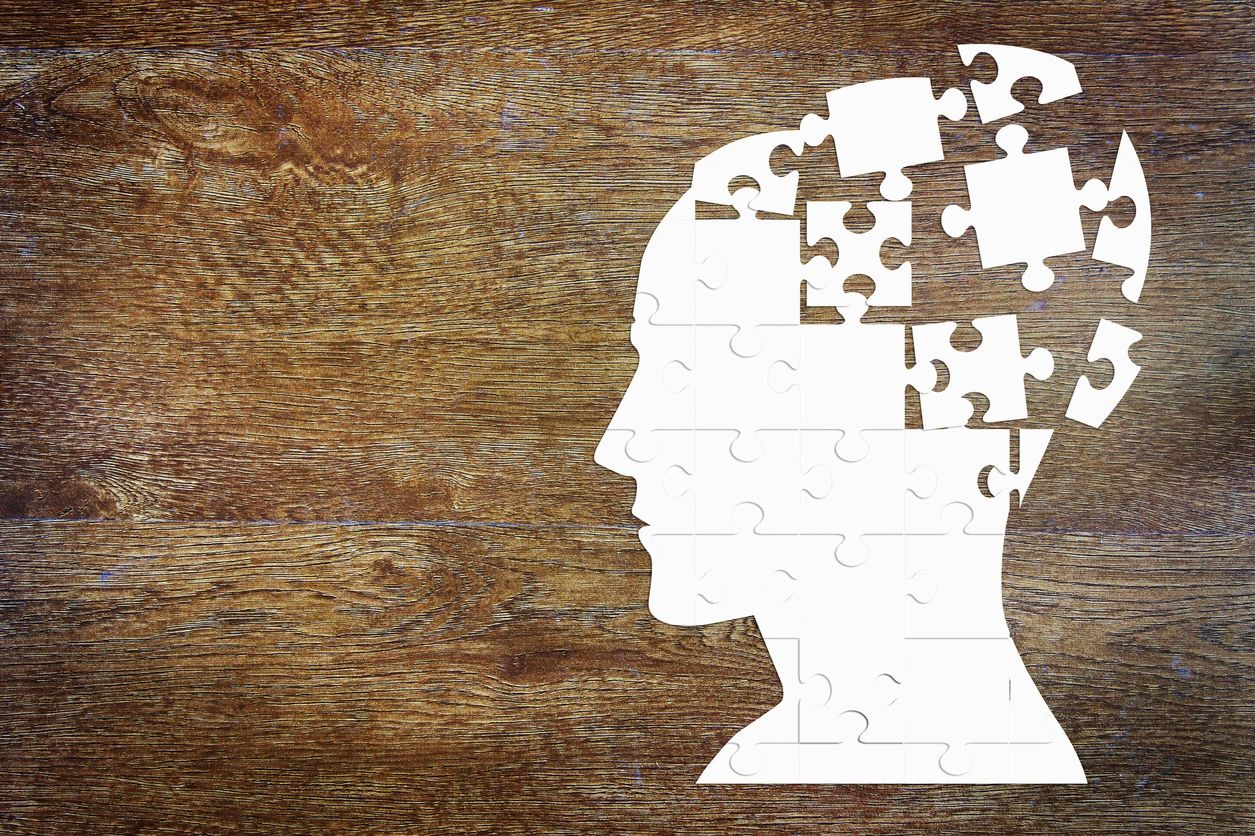
By 2060, around 98 million people over the age of 65 will be living in the United States. What science can do for the aging brain?