






New hydrogel packaging developed that keeps food fresh longer and changes color when food bacteria has reached a spoiled level.
By Emily McCue
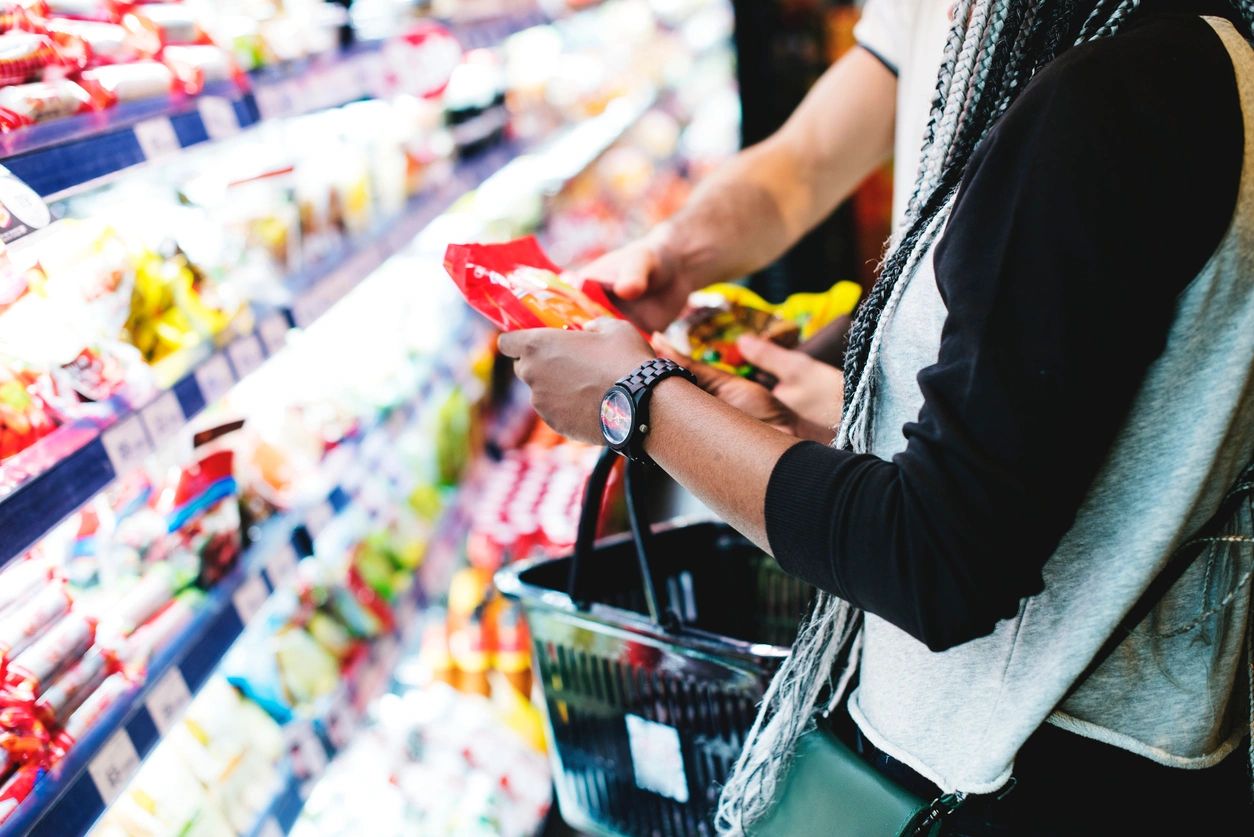
Food packaging is evolving. New technology could help you choose the freshest produce while shopping and help preserve food for longer.
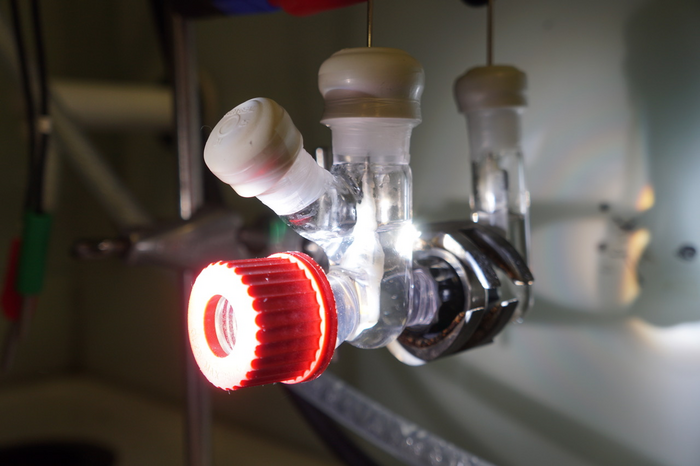
Researchers at Kyushu University have developed a hydrogel packaging that changes color as food spoils, so it continuously monitors the freshness of food. It slows the growth of bacteria, which helps extend the shelf life, and it can self-repair tears in its material.
How does it change color?
The color change is caused by a natural pigment called anthocyanin, which was extracted from purple sweet potato. When anthocyanins break down they change color from purple to yellow. This can be caused by light, heat, oxygen, and alkaline pH. The packaging needed to be sensitive to alkaline pH but stable in other conditions.To achieve this, the anthocyanins were attached to a metal organic framework, which shields them from oxygen, light, and heat.
Fresh meat is naturally acidic and has a low pH. When meat spoils, ammonia is produced that increases the pH. As the pH rises, the anthocyanins change color from purple to yellow. This signals the presence of bacteria and that the meat is no longer fresh.
Preserving food
The packaging showed antimicrobial effects against the bacteria S. aureus and E. coli, which are both common causes of food poisoning. The results suggested that anthocyanins played a major role in preventing growth of bacteria. In food experiments, this hydrogel extended the shelf life of fresh pork for 12 hours longer than the hydrogels without anthocyanins.
Self-repair
When the hydrogel was cut into two pieces and the cut surfaces were brought back into contact, the pieces rejoined and recovered their original structure within a few minutes. The material’s ability to self-repair tears helps maintain its structural integrity after minor damage during handling or storage.
The self-repair mechanism is facilitated by the rapid formation of covalent bonds between borate and hydroxyl groups. This occurs in a cross-linked network that forms a web-like structure. The borate-ester linkages increase chain entanglement and cohesiveness, enabling the material to repair small cuts in its surface. The metal organic framework introduced additional hydrogen bonds and improved coordination between oxygen and the metal Zirconium, which strengthened reassociation during the healing process.
The future of packaging
The researchers are working on a companion smartphone app that could give shoppers and manufacturers a reliable way to assess food quality. The hydrogel also shows potential for applications in wound dressing and water quality monitoring.
Recently, there have been several cases of contaminated food products in US grocery stores. Could this packaging help detect bacterial contamination and mitigate foodborne outbreaks?
This study was published in the peer-reviewed Chemical Engineering Journal.
Reference
Meng, F., Yan, X., Yasuo, S., Ma, T., Zeng, J., Luo, D., Van, T. T., Malawara Arachchige, R. K., Wigati, L. P., Nguyen, P. T. H., Wardana, A. A., Tanaka, F., & Tanaka, F. (2026). Self-healing cellulose-based hydrogel smart packaging embedded with anthocyanin-immobilized metal–organic frameworks for food preservation and freshness monitoring. Chemical Engineering Journal, 538, 176764. https://doi.org/10.1016/j.cej.2026.176764
About the Author
Emily McCue has a Bachelors degree in biochemistry and is passionate about food security and sustainable agriculture. She enjoys climbing and painting in her free time. Follow or connect with Emily on LinkedIn.