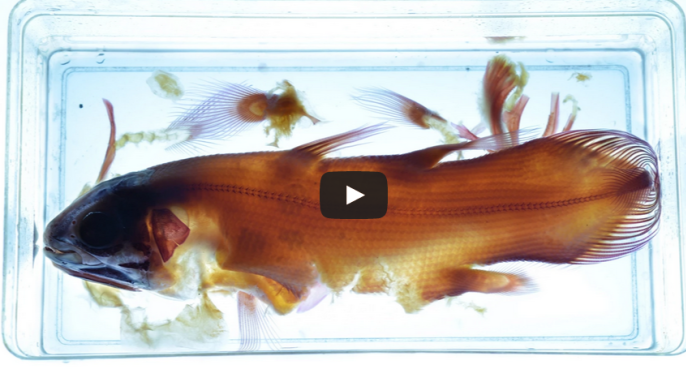








Camouflage is nature’s ultimate game of hide-and-seek, and the secret to winning this game is all in the brain. Watch this Be Smart video to learn how it works.
Our friend Dr. Joe Hanson from Be Smart (PBS Digital Studios) breaks down how the brain perceives camouflaged creatures.
Many animals use camouflage to outwit their predators or their prey. While some animals may camouflage themselves to look like a part of a tree or blend into their surroundings, others adapt protective strategies that play with visual perception like shadows or a prey’s colorblindness. When scientists study the camouflage strategies these animals use, they learn about how different animals see and perceive the world.
Join a citizen science project to see how changes in environment and human behavior contribute to camouflage and evolution of squirrel populations.
Learn more about the types of sloths that used to exist and why they don’t anymore in: What Really Happened to Giant Ground Sloths?
About the Author
Be Smart is hosted by Joe Hanson, Ph.D. Find out more about this video series:
Instagram: @DrJoeHanson @okaytobesmart
Facebook: itsokaytobesmartpbs
Featured image is “Barred Owl, well camouflaged.” by Deborah Freeman on Flickr, licensed under CC BY-SA 2.0.