Caught in the Light: Flying Insects
Flying insects seem magnetized by light, but why? New research uncovers the dorsal-light-response mechanism behind this phenomenon.
Making Science Make Sense

Flying insects seem magnetized by light, but why? New research uncovers the dorsal-light-response mechanism behind this phenomenon.
Researchers further chemotherapy efficacy by identifying antibodies that attack a specific protein in tumor cells.
Neuroscientists studying childbirth found different effects on brain cortex volume for those recovering from a natural delivery or C-section.
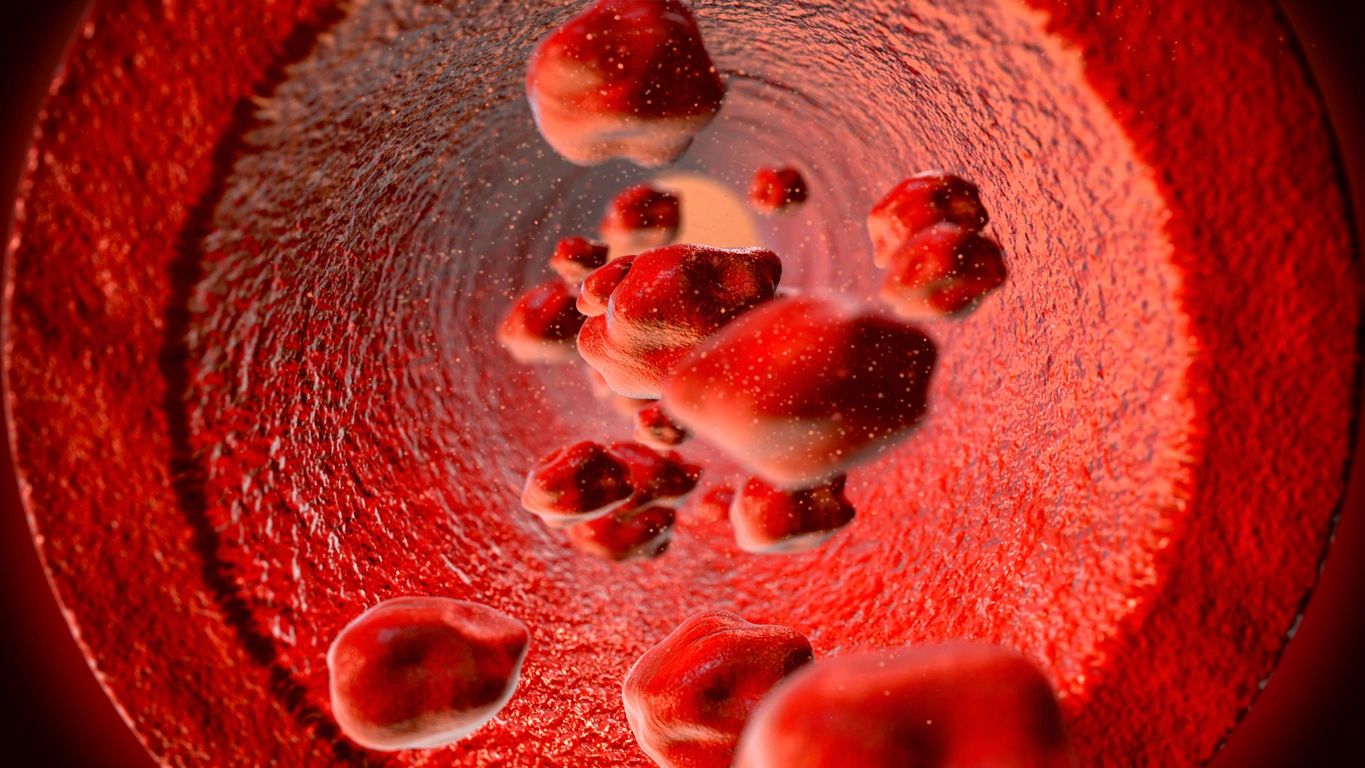
Emerging research on a 3D protein structure within red blood cells tells us how this and similarly shaped proteins work in the body.
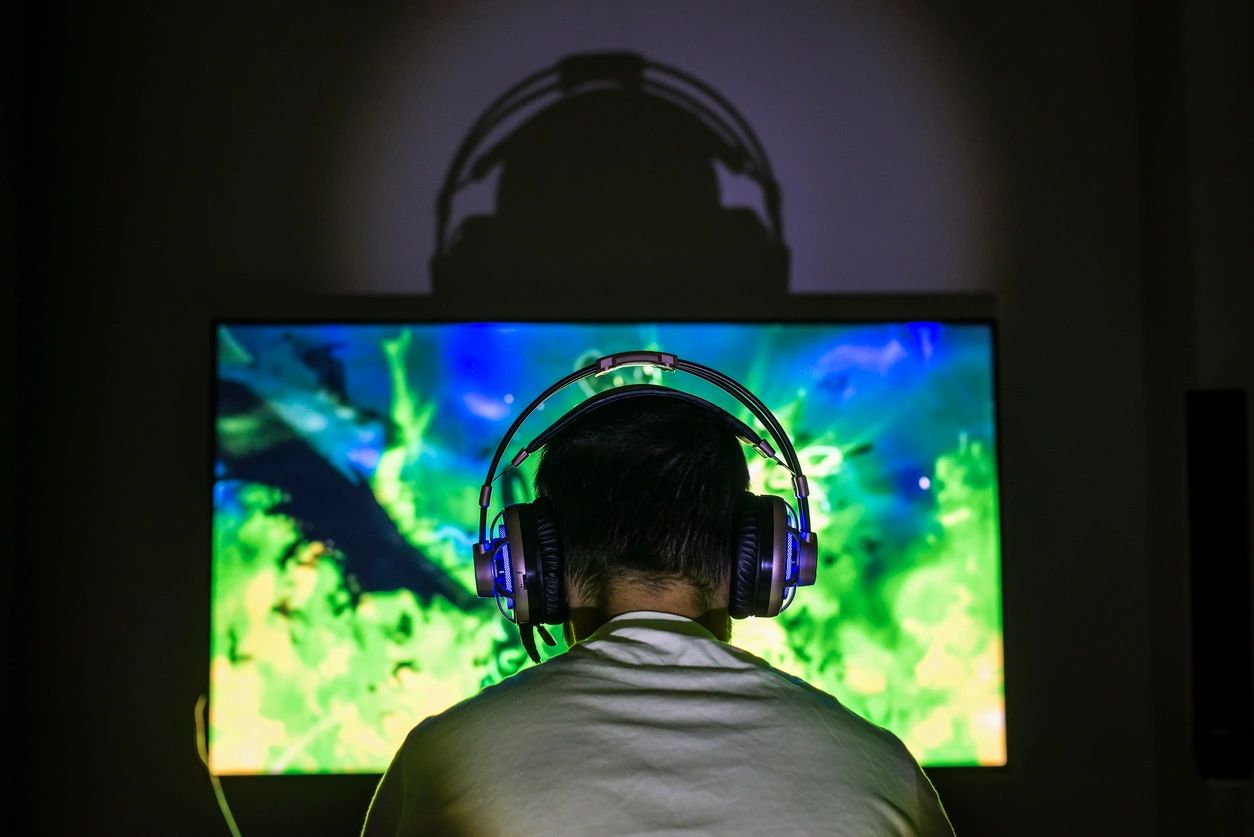
Depression and anxiety can act as moderators that affect the relationship between gaming time and gaming disorder.
Cell-derived coffee gets its start in a lab instead of a field, and soon its flavor profile will be comparable enough to meet the rising coffee demand.
Rainforest conservation gains new focus with the discovery that just 2% of the diverse tree species in the forest account for half the trees.
Panic attacks aren’t yet fully understood, but researchers have found a new neuronal pathway that may hold some answers.
Certain plastics are easier to recycle based on their internal structure. Scientists can change that structure to increase what we recycle.
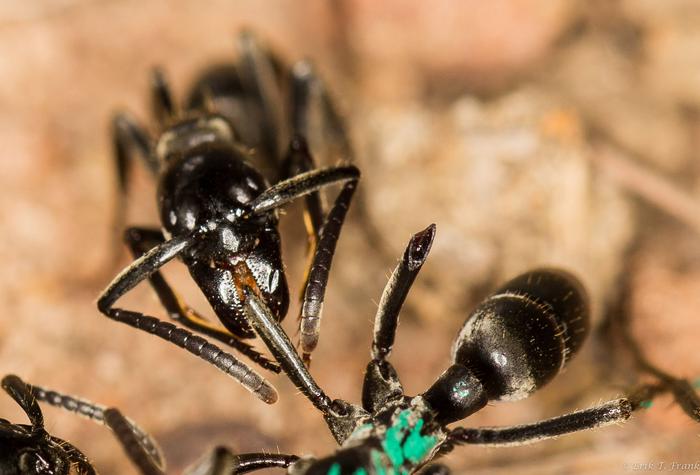
Matabele ants of sub-Saharan Africa are the only other known species to recognize infections and be able to use antibiotics for treatment.